

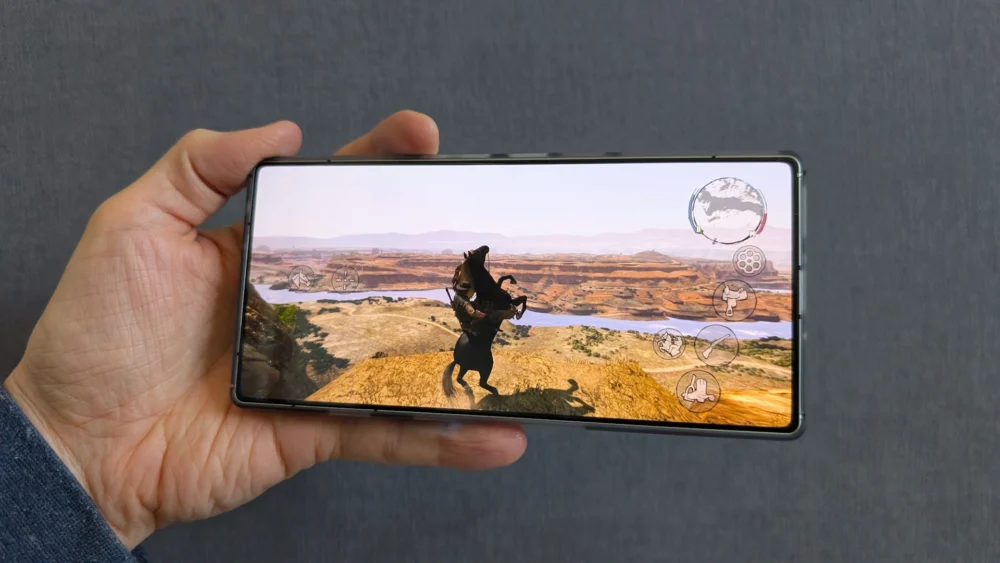
The landscape of mobile gaming underwent a profound transformation throughout 2025. This was not merely an incremental step forward; it marked a pivotal moment where the ceiling for handheld performance was definitively shattered. The widespread integration of cutting-edge silicon, specifically the Snapdragon 8 Elite chipset, provided flagship Android devices with processing capabilities that effectively erased the performance gap separating mobile from dedicated consoles of the previous generation. This newfound computational headroom has finally allowed developers to push graphical fidelity and systemic complexity to unprecedented levels on portable hardware.
While the headline-grabbing releases were often direct, high-fidelity ports from PC and console ecosystems, 2025 also delivered several surprisingly robust, resource-efficient experiences that catered to a broader spectrum of devices. The blurring of platform lines is accelerating; even before the anticipated launch of dedicated cloud gaming hardware like the Steam Frame, we are seeing a strong convergence where the definition of a "mobile game" is increasingly becoming synonymous with "a high-quality, accessible game playable on a phone." This trend signals a maturation of the market, moving beyond simple arcade experiences toward deep, narrative-driven, and mechanically rich software. As we transition into 2026, these standout titles from the preceding year warrant immediate attention before the next wave of innovation captures the spotlight. The following selections represent a curated list spanning diverse genres and monetization models—from premium experiences to compelling free-to-play offerings—all unified by their exceptional quality and high degree of controller compatibility, making them ideal candidates for dedicated Android gaming handhelds.
The Era of High-Fidelity Porting: Console Experiences Unleashed
The most significant industry implication of 2025 was the successful migration of AAA, open-world experiences onto mobile chipsets. This wasn’t achieved through aggressive downscaling but through sophisticated optimization, suggesting a long-term strategy by major publishers to fully capture the vast mobile audience.
Red Dead Redemption: A Testament to Mobile Power
Rockstar Games’ decision to bring the 2010 masterpiece, Red Dead Redemption, to smartphones is arguably the defining port of the year. For a generation that grew up with the original on the PS3 and Xbox 360, having the full, sprawling narrative of the Wild West on a pocket device is nothing short of revolutionary. The game transcends simple nostalgia; it offers the complete, morally complex saga of John Marston, a former outlaw forced to hunt down his old gang. The open-world sandbox element remains intact, allowing players to engage in bounty hunting, exploration, and emergent world events, all rendered with impressive texture detail suitable for modern displays.
Crucially, the release includes the highly regarded, zombified Undead Nightmare expansion, effectively doubling the core content. From an industry perspective, this release serves as a powerful benchmark for what a top-tier, dedicated mobile release should entail. However, the $40 upfront cost positions it firmly in the premium category. The strategic partnership with Netflix, bundling the game free with a subscription, is a fascinating development, suggesting that subscription services are becoming crucial distribution channels for high-value legacy titles, driving adoption across different ecosystems.
Subnautica: Deep Dive into Survival Excellence
Trading dusty trails for crushing oceanic depths, Subnautica arrived on mobile, bringing its unique blend of survival, exploration, and atmospheric horror. For anyone susceptible to thalassophobia, this game offers a genuinely visceral experience as the player scavenges resources on an alien ocean world following a catastrophic crash landing. The porting effort here is exemplary. Developers successfully redesigned the complex User Interface (UI) to function intuitively with touch controls, while maintaining robust support for external gamepads. Performance metrics indicate deep optimization, allowing the game to run smoothly even on flagship devices from the past five years—a nod to thoughtful engineering rather than sheer hardware brute force. Priced at a modest $10, Subnautica lacks a demo, but given the hundreds of hours of emergent gameplay available, this low barrier to entry represents tremendous value. This title underscores the viability of complex, physics-driven simulation games on mobile platforms.
Prince of Persia: The Lost Crown – Metroidvania Mastery Redefined
While The Lost Crown debuted on traditional platforms in 2024, its arrival on mobile in 2025—less than a year later—is highly significant. This 2.5D action-platformer marks a bold return to form for the franchise, expertly fusing the tight platforming heritage of the early games with deep Metroidvania progression mechanics. For mobile, it shines brighter than it did amidst the crowded console market. The combat fluidity and intricate level design translate perfectly to handheld play. Furthermore, the development team integrated platform-exclusive quality-of-life (QoL) and accessibility features, proving that developers are actively tailoring ports, not just dumping code. The initial level is available for free, with full access unlocked via a $15 purchase (often discounted to $10). Its offline playability is a major benefit, setting a standard that many contemporary, always-online mobile titles fail to meet. This game validates the appetite for skill-based, premium action titles on mobile.
Genre Innovation and Adaptation
Beyond the heavy hitters, 2025 saw successful launches that expertly adapted established formulas for the mobile environment, either through smart redesign or cultural resonance.
Persona 5: The Phantom X – Gacha Evolution
Persona 5: The Phantom X (P5X) presents an intriguing case study in IP evolution. It is not a direct port of the acclaimed RPG but rather a reimagining set within the P5 universe, utilizing a gacha monetization structure. It successfully captures the visual flair, social simulation elements, and turn-based combat DNA of the original while introducing a new cast of Phantom Thieves. The global launch faced early turbulence, notably an introductory narrative arc criticized for questionable writing choices (the infamous "subway slamming" villain). However, subsequent content updates, driven by refined writing teams, have significantly elevated the experience. The game’s success lies in its ability to respect the core tenets of Persona—dungeon crawling, social links, and Tokyo exploration—while fitting them into a live-service format. Full controller support is present, though the turn-based nature makes the touch interface highly effective. For those wary of gacha mechanics, P5X has proven surprisingly generous, allowing players to progress deep into content using free characters, making it an essential download for RPG enthusiasts looking for style and substance.
Cassette Beasts: A Fresh Take on Monster Collection
Arriving as a premium title early in 2025, Cassette Beasts offers a vibrant, pixel-art alternative to established monster-collecting franchises. The core loop involves recording monsters onto cassette tapes and then using those recordings to transform into the creatures during turn-based battles. This transformation mechanic adds a layer of strategic depth, as players must master the forms they capture. The overworld utility of these captured abilities also ensures exploration remains dynamic. While the first 20 minutes serve as a robust free trial before a $5.99 purchase, the controller implementation was reported as occasionally inconsistent, necessitating reliance on the touchscreen for certain interactions. This game proves that innovative mechanics can revitalize established genres even when competing against massive IP.
Enter the Gungeon / Exit the Gungeon: Roguelike Duet
The simultaneous release of both Enter the Gungeon and its platforming spin-off, Exit the Gungeon, provided a significant boost to the mobile roguelike scene. Enter the Gungeon, the top-down bullet hell classic, translates its frantic, gun-obsessed chaos effectively. Its addictive loop encourages repeated runs, making its $8.99 premium price tag justifiable for dedicated fans. Exit the Gungeon, at $4.99, offers a faster, more linear 2D platforming challenge, though it perhaps lacks the enduring replayability of its predecessor. Both titles feature generally competent touchscreen controls supplemented by external controller support, offering a perfect blend of immediate action and long-term mastery ideal for portable sessions.
The Rise of Seamless Cross-Platform Play
A crucial forward-looking trend highlighted in 2025 was the industry’s move toward true cross-progression, signaling a future where hardware allegiance matters less than player investment.
Where Winds Meet: Wuxia World-Building with Continuity
Where Winds Meet stands out because it is far more than a simple port; it is a synchronized launch. This open-world wuxia (martial arts fantasy) title hit PC, PS5, and mobile virtually simultaneously, complete with full cross-progression. The game immerses the player in a meticulously crafted world, blending martial arts prowess with mystic powers to complete narrative arcs and aid local populations. While the narrative can occasionally lean into self-seriousness, the visual presentation is arguably best-in-class for mobile gaming. The monetization strategy, largely restricted to cosmetic items in contrast to many NetEase titles, is commendable. The technical requirement, however, is steep: developers strongly recommend hardware featuring the Snapdragon 8 Gen 2 or newer for an optimal framerate, confirming that these high-fidelity experiences are currently reserved for the upper echelon of the mobile market.
Service Games and Specialized Niches
The year also featured significant global rollouts of existing successful service models, demonstrating the global appeal of well-executed live operations.
Umamusume: Pretty Derby – Cultural Phenomenon Goes Global
The global launch of Umamusume: Pretty Derby in 2025 amplified an already massive franchise rooted in Japanese horse racing simulation. The game’s universal appeal is expertly engineered: it fuses the intense strategic management of training elite athletes with the aesthetic draw of highly stylized anime characters (often based on real-life racehorses). While the core appeal leans heavily on "waifu culture," the underlying themes of perseverance, competitive spirit, and detailed character backstories resonate broadly. The integration of J-pop idol performance elements further broadens its demographic reach. This title is a masterclass in cross-cultural appeal through genre hybridization.
Destiny: Rising – FPS MMO on the Go
Bungie’s Destiny 2 universe expanded significantly with the launch of Destiny: Rising on mobile. This iteration is a remarkably faithful adaptation, retaining the intricate menu systems, deep weapon customization, and core first-person shooter mechanics of the main console experience. Visually, it holds up well, and controller input is superior for the demanding action. As a free-to-play title, it inherits the monetization patterns often associated with its co-developer, which can sometimes feel intrusive. Nevertheless, for players seeking a high-octane, persistent online shooter experience that supports serious engagement alongside casual drop-in sessions, Destiny: Rising offers substantial content.
DREDGE: Eldritch Fishing Meets Port Optimization
The indie phenomenon DREDGE found a surprisingly apt home on mobile in early 2025. This game masterfully juxtaposes tranquil, day-time fishing simulation with creeping, Lovecraftian horror as night falls and the fog rolls in. The transition to mobile necessitated streamlining the minigames for touch input, a process handled with care, although controller use remains the preferred method for navigating the unsettling seas. The primary barrier here is the $25 premium price point for the base game, which is steep for a mobile title. However, its inclusion within the Google Play Pass subscription service offers a highly attractive alternative, allowing users to experience the entirety of the base game for the cost of a single monthly subscription, making it a must-try for Pass subscribers.
Future Trajectories and Industry Analysis
The collective output of 2025 signals several clear trajectories for mobile gaming heading into 2026 and beyond.
Firstly, Hardware Parity is Imminent: The performance of the Snapdragon 8 Elite has set a new baseline. Developers will increasingly target console parity for ports, viewing the mobile market not as a secondary revenue stream but as an extension of the primary console/PC market. The success of titles like Red Dead Redemption confirms that consumers are willing to pay premium prices for uncompromising quality on mobile.
Secondly, The Hybrid Monetization Model Wins: The market is polarizing. We see highly successful premium titles (DREDGE, Prince of Persia) validated by subscription services (Google Play Pass, Netflix), existing alongside sophisticated, yet accessible, gacha/live-service models (P5X, Destiny: Rising). The most enduring games appear to be those that offer deep engagement regardless of the payment method.
Thirdly, Input Flexibility is Non-Negotiable: The overwhelming majority of top-tier releases now feature comprehensive controller support. This validates the growth of dedicated mobile gaming handhelds and reinforces the idea that mobile gaming encompasses more than just touchscreen interaction. Games that force players into sub-optimal touch-only controls risk alienating core gamers who demand precision inputs for complex genres like action-RPGs and shooters.
Finally, the emphasis on cross-platform synergy, exemplified by Where Winds Meet‘s cross-progression, indicates a maturing ecosystem where persistent player identity across devices is becoming standard expectation, rather than a niche feature. As cloud infrastructure continues to improve, the reliance on local hardware performance for these massive titles may eventually shift, but for now, 2025 demonstrated that cutting-edge Android silicon is ready for the heaviest lifting. These selected titles from 2025 provide a robust and varied portfolio that should easily sustain engagement throughout the coming year, setting a high bar for what 2026 will need to achieve.