

The advent of high-speed mobile data has fundamentally altered how professionals and digital nomads approach connectivity. The native smartphone hotspot function, while convenient for ephemeral needs, is increasingly revealing its inherent limitations when tasked with sustaining professional workflows or supporting multiple connected peripherals over extended periods. For those prioritizing security, battery longevity, and consistent network performance—especially in mobile or travel scenarios—a decisive pivot towards dedicated mobile routers is becoming a critical strategic decision. This shift is less about mere convenience and more about optimizing the core functionality of personal mobile devices.
The Context: Smartphone Tethering’s Double-Edged Sword
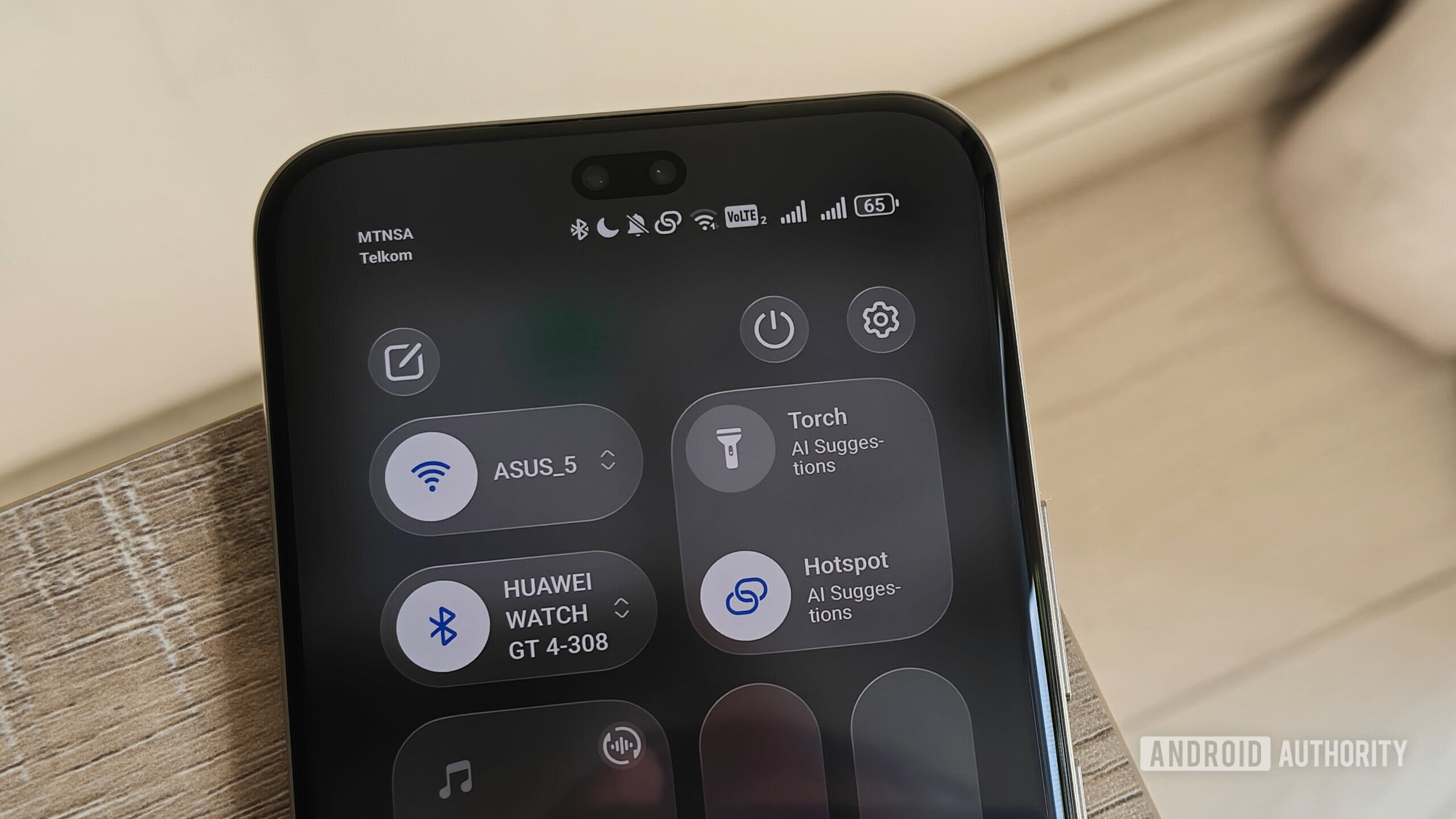
Mobile hotspot functionality, standard across modern operating systems, is undeniably a powerful feature. It transforms a pocket-sized device into an impromptu Wi-Fi access point, leveraging the cellular network connection. Historically, this was the default solution for avoiding the inherent security risks associated with connecting to unencrypted or poorly managed public Wi-Fi networks prevalent in airports, cafes, and hotels. The security rationale alone often mandates relying on a private cellular link.
However, the functionality operates by repurposing the smartphone’s primary cellular modem and CPU to manage a secondary network interface. This process imposes significant overhead. A user who frequently relies on tethering—for instance, a journalist covering a lengthy tech conference, a remote worker needing to maintain VPN connections across multiple devices, or even an enthusiast engaged in data-intensive mobile gaming—will rapidly encounter the primary bottleneck: energy consumption.
My own experience, initially involving brief excursions requiring secondary device connectivity (such as running an auxiliary account for location-based mobile games), quickly escalated into a full-scale assessment of this technology under sustained load. What began as a necessity due to a scaled-back data plan—moving away from a dedicated, high-capacity 160GB cellular plan for the router—forced a prolonged test of the smartphone as the primary tethering source. The results were stark. While a smartphone might comfortably manage several hours of intensive application use, introducing the constant computational and radio demands of broadcasting a Wi-Fi signal accelerates battery depletion at an alarming rate. This rapid energy drain necessitates constant vigilance and reliance on external power sources, fundamentally undermining the ‘mobile’ aspect of the primary device.
Analyzing the Hardware Constraints of Phone Hotspots
Beyond the immediate battery concern, expert analysis of smartphone architecture highlights several compounding issues when tethering is used extensively:
1. Thermal Throttling and Component Stress: Operating the cellular modem at maximum capacity (to maintain strong data throughput for multiple clients) while simultaneously running the CPU/GPU for user interaction (or background tasks) generates substantial heat. Smartphones are designed with thermal management systems, but these often lead to performance throttling. This results in unexpected connectivity hiccups, latency spikes, and slower refresh rates across connected devices—a frustrating experience when attempting productivity tasks. Furthermore, sustained high temperatures are known accelerators of lithium-ion battery degradation, creating a long-term health liability for the primary communication device.
2. Resource Contention: The smartphone is designed as a single-user, high-priority device. Every task—from capturing high-resolution photographs and managing social media uploads at an event to simply processing incoming notifications—contends for the same finite processing power and radio resources being dedicated to the hotspot function. A dedicated mobile router, conversely, is engineered with a singular focus: network distribution. Its internal components are optimized solely for managing the cellular link and the Wi-Fi broadcast, leading to more stable Quality of Service (QoS) for connected peripherals.

3. Depletion of Primary Utility: The smartphone’s core value lies in its immediate availability for communication, capture, and authentication. When tethering drains its battery to critical levels during a long travel day or an all-day professional engagement—such as moving between venues in a city like Johannesburg after arriving from Cape Town—the user is forced into an unfavorable trade-off. The ability to summon transport (like an Uber), navigate, or document proceedings is compromised solely to maintain internet access for secondary devices. While a power bank offers a stopgap, relying on it prematurely conserves the critical reserve for genuine emergencies, not routine connectivity.
The Strategic Advantage of Dedicated Mobile Routers
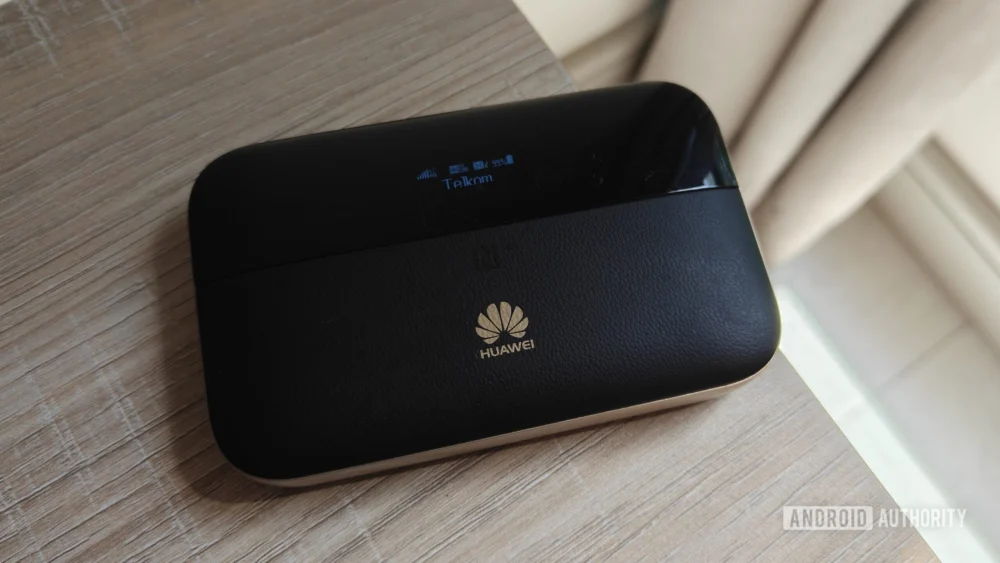
The migration to a dedicated mobile router addresses these limitations by segmenting responsibilities. A true mobile router, distinct from simpler Wi-Fi repeaters that rely on an existing internet source, possesses its own integrated cellular modem and, crucially, its own dedicated power cell.
My current setup utilizes a router equipped with a substantial 6,400mAh battery. This capacity is engineered to sustain network broadcasting for approximately 24 hours under typical multi-device load (including a laptop and two phones). This immediately isolates the primary smartphone from the most energy-intensive task.
Enhanced Power Management and Redundancy: The secondary benefit, often overlooked, is the router’s potential to double as an auxiliary power source. Equipped with appropriate output ports, it can provide trickle charging or emergency top-ups to the primary smartphone. This creates a redundant power ecosystem: the router sustains the data connection, and it can, in turn, sustain the smartphone’s battery life, preserving the power bank reserve for true power emergencies, such as extended flight delays.
Performance Consistency in Multi-Client Environments: During a recent intensive mobile gaming event, running two phones concurrently for three hours under the strain of continuous data transmission underscored the router’s stability. While my phone experienced significant temperature increases and noticeable performance dips when tethering under similar conditions, the router maintained a steady, albeit perhaps marginally slower, data flow across both devices. This consistency is vital for professional applications where dropped connections translate directly into lost productivity or missed opportunities.
Furthermore, the thermal profile is significantly improved. The router operates cooler than a smartphone simultaneously executing demanding cellular and Wi-Fi protocols, offering a tangible benefit to the long-term health of the cellular radios and battery within the main handset.
Industry Implications and the Future of Portable Connectivity
The trend away from habitual phone tethering towards dedicated devices reflects a maturation in the mobile connectivity market. This transition has several broader implications:
1. Carrier Data Segmentation: Carriers are increasingly recognizing that heavy tethering degrades network quality for all users on a tower, as hotspot traffic is often less easily prioritized than direct smartphone interaction. Dedicated mobile routers, often utilizing specific data plans or higher-tier business offerings, can be better managed by carriers, potentially leading to better wholesale performance metrics for these dedicated devices.
2. The Rise of Edge Computing Hardware: As more tasks shift to the edge—from running remote diagnostics to handling local caching—the need for robust, dedicated local networking hardware increases. Mobile routers are evolving beyond simple 4G/5G bridges. Newer models are integrating enhanced security features (like built-in VPN clients and firewalls) and even basic routing capabilities (like Wi-Fi WAN switching for failover), positioning them as miniature enterprise-grade networking hubs rather than mere convenience accessories.
3. Battery Technology Divergence: While smartphone manufacturers are fiercely competing on battery capacity (evidenced by the 6,000mAh cell mentioned), the physical constraints of thin form factors limit how much they can invest in the battery at the expense of screen size or camera modules. Dedicated routers, unburdened by display or complex camera requirements, can allocate a greater internal volume to high-density batteries and more efficient power management chips specifically tuned for continuous transmission duty cycles.
Scenarios Where Phone Hotspots Remain Viable
It is crucial to maintain a nuanced perspective. The mobile router is not a universal replacement; it is a superior tool for specific, heavy-use scenarios. The inherent simplicity of phone tethering remains highly advantageous in low-demand, spontaneous situations.
Consider the example of family travel where only light usage—occasional messaging (WhatsApp), basic navigation (Google Maps), and brief web lookups—is required across several users. If only one person in the group carries the primary data plan, their phone serving as a temporary hotspot simplifies logistics by avoiding the purchase and management of multiple local travel SIMs. In this context, where the host phone is not simultaneously performing intensive tasks, the battery impact is manageable, and the convenience of not carrying extra hardware outweighs the efficiency gains of a dedicated router.
However, the threshold for switching is crossed when the primary device must remain fully operational for its own high-demand tasks (e.g., continuous live-streaming, complex multi-device data synchronization) while simultaneously providing network access.
In conclusion, the move from relying on a smartphone as a mobile hotspot to integrating a dedicated mobile router is a pragmatic evolution for the modern mobile professional. It is an investment in operational resilience, recognizing that the smartphone is an irreplaceable, multi-faceted tool whose core battery life and processing power should be strategically preserved. By offloading the sustained networking burden to purpose-built hardware, users ensure that their primary device remains responsive, cool, and charged for the tasks only it can perform, while connectivity needs for auxiliary devices are met with greater stability and endurance. This separation of duties is the hallmark of optimized mobile productivity in the current technological landscape.