

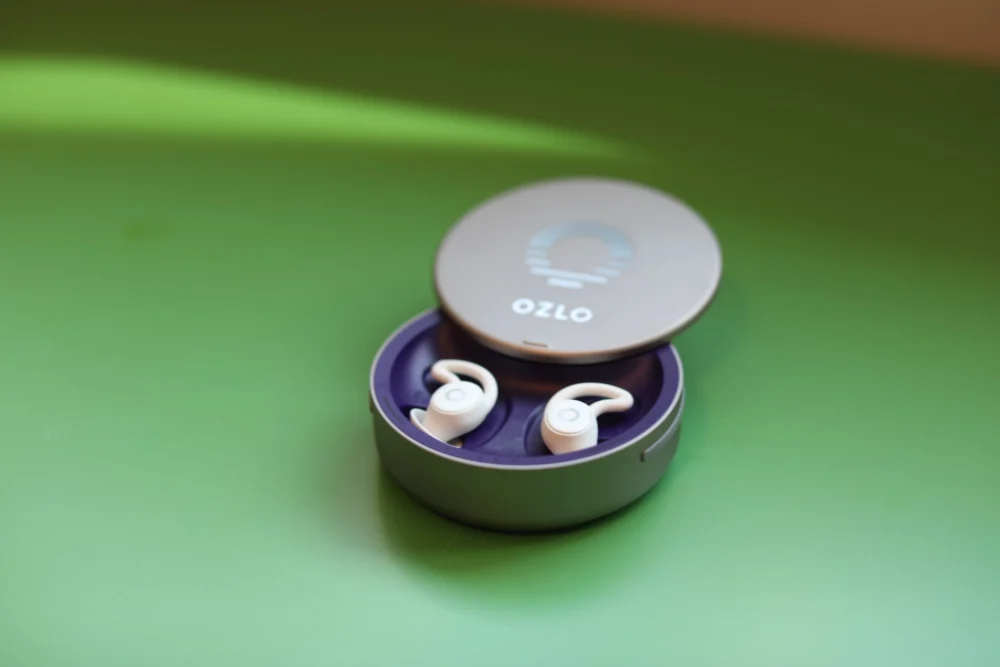
Ozlo, initially known for its specialized Sleepbuds designed to offer acoustically masked respite from ambient noise, is undergoing a profound strategic transformation, repositioning itself from a pure consumer hardware manufacturer into a comprehensive platform centered on subscription-based health data and neurotechnology. This pivot, accelerating rapidly following recent industry announcements and significant outreach at the Consumer Electronics Show (CES) in Las Vegas, signifies the company’s intent to move beyond the narrow profit margins of physical goods and capture value in the lucrative realms of software-as-a-service (SaaS) and digital therapeutics.
The shift is fundamentally driven by the recognition that the true long-term value in the burgeoning sleep technology sector lies not in the devices themselves, but in the proprietary, longitudinal biometric data they collect and the intelligent applications built upon that data. This strategy promises new, recurring revenue streams, particularly through premium subscription features like AI-driven coaching, specialized digital therapies for conditions like tinnitus, and ultimately, entry into the regulated medical device marketplace.
Architecting the Sleep Ecosystem
The groundwork for Ozlo’s platform ambitions was laid long before the current product cycle. Founded by engineers formerly associated with Bose, the company’s infrastructure was deliberately designed for extensibility. According to Ozlo co-founder and CEO NB Patil, the foundational move was developing a robust, cross-platform Software Development Kit (SDK) for both iOS and Android. This SDK is the backbone upon which Ozlo’s own first-party application runs, meaning that the core functionalities—including biometric sensing and data processing—are instantly available to third-party developers.

This open architecture immediately differentiates Ozlo within the competitive "hearables" and wearable health markets, which are often characterized by closed ecosystems. The immediate commercial application of this SDK became apparent with the recently announced partnership with Calm, the global leader in mental wellness and meditation applications.
Calm, like other content-delivery platforms, traditionally struggles to measure the true physiological impact of its guided meditations or sleep stories. While a user may press ‘play,’ the platform has no reliable mechanism to confirm the desired outcome—relaxation or sleep—has been achieved. This is where Ozlo steps in. The Sleepbuds, and critically, their accompanying smart charging case, house multiple sensors capable of detecting subtle physiological changes, including body movements and respiration rates. This data is locally processed by a machine learning algorithm within the charging case to determine a user’s precise state: relaxed, drowsy, or fully asleep.
This real-time physiological feedback is then shared via the SDK with partners like Calm, creating an unprecedented closed-loop system. For instance, if a user initiates a deep-breathing exercise, Ozlo’s sensors can instantly validate if the user’s respiration rate is decreasing as intended. If the data indicates the exercise is unsuccessful, the partner application receives immediate, actionable intelligence, enabling them to dynamically adjust the content, volume, or masking frequency.
Patil highlights that this capability addresses a fundamental blind spot for content creators in the wellness space. Content developers often prioritize sheer volume without any empirical measure of efficacy in a real-world, in-bed scenario. "They don’t understand, actually, how it works in the field because there is no data," Patil noted. By providing granular data on content effectiveness tied directly to physiological markers of relaxation and sleep onset, Ozlo transforms content creation from a volume game into a performance-based optimization model.

Commercial and Industry Implications of Biofeedback
The financial implications of this platform strategy are substantial. By serving as the data conduit and validation layer, Ozlo moves beyond the one-time sale of hardware. The company can establish a recurring revenue share model; if Ozlo’s data prompts a user to upgrade to a partner’s premium subscription (perhaps for more effective, validated content), Ozlo is positioned to take a percentage of that transaction. This diversification into revenue-sharing agreements with major content providers—discussions with numerous other sleep and meditation apps are already underway—offers a significantly higher-margin business model than consumer electronics manufacturing.
From an industry perspective, this closed-loop biofeedback system represents a maturation of the digital wellness space. It elevates Ozlo’s position against competitors like Oura or Whoop, which primarily offer retrospective data analysis. Ozlo is moving toward real-time intervention and content personalization based on immediate physiological state, a significant leap toward true personalized digital health. This concept is applicable far beyond meditation, extending to therapeutic audio content, cognitive behavioral therapy (CBT) programs delivered via audio, or even personalized audiobook pacing based on the user’s awareness level.
Advancing into Clinical Applications and AI
Ozlo’s platform strategy is not confined to general wellness; it includes ambitious moves into specialized medical and therapeutic areas. A crucial immediate application is the treatment of tinnitus, a debilitating condition characterized by persistent ringing in the ears, which affects approximately 15% of the company’s customer base.
Leveraging findings from a clinical study conducted last year in collaboration with Walter Reed Hospital, Ozlo has validated that sustained exposure to specific masking frequencies during the night can retrain the brain, reducing the perception of the irritating phantom signals. This therapy, which transitions the consumer device into a medical-adjacent tool, will be offered as a premium subscription service, slated for rollout in the second quarter of 2026. This move is indicative of a broader industry trend where consumer wearables gradually seek regulatory approval to offer verifiable digital therapeutics.

In parallel, Ozlo is aggressively integrating Artificial Intelligence to enhance customer engagement and sleep optimization. Following the launch of its "Sleep Patterns" feature in late 2025—which provided retrospective insights into sleep duration and disturbing factors—the company is set to introduce a conversational AI agent in Q2 2026, internally referred to as a "sleep buddy."
This AI agent will function as a proactive digital coach, leveraging data gathered not only by the Sleepbuds but also through integration with external health ecosystems like Apple HealthKit and other popular wearables. By synthesizing heart rate variability, activity levels, and other biometric inputs, the AI can develop highly personalized interventions. Furthermore, Ozlo plans to link its platform to Internet of Things (IoT) devices, such as smart thermostats. This allows the system to enact real-time environmental adjustments—automatically setting the optimal sleeping temperature upon detecting the user preparing for rest—closing the loop between physical environment, physiological state, and digital intervention.
Hardware Evolution and Market Expansion
To support this ambitious software and data roadmap, Ozlo is simultaneously committed to refining its core hardware offerings and diversifying its product line.
The second quarter of 2026 will see the release of updated Sleepbuds and a redesigned charging case. Key improvements address user experience challenges common in the first generation, including modifying the internal contours of the case to ensure better seating and reliable charging contact, and adding a dedicated Bluetooth pairing button for streamlined connectivity. Crucially, the new earbuds will feature a redesigned antenna for extended wireless range and a more powerful amplifier, allowing the device to generate sufficient volume to mask high-level ambient noise, such as those encountered on aircraft or trains—a necessity for frequent travelers.

More strategically significant is the planned Q2 2026 launch of a bedside speaker offering functionality similar to the Sleepbuds but without requiring in-ear placement. This 4×6-inch speaker will integrate its own suite of sensors, enabling ambient room tracking capabilities—monitoring movement, detecting bathroom break frequency, or even alerting others in the event of a fall (a critical feature for elder care). This product expansion serves two vital, previously underserved markets: families with young children (as in-ear devices are generally not recommended for those under 13) and elderly consumers who may find in-ear technology cumbersome or intimidating. By diversifying its form factors, Ozlo significantly broadens its total addressable market and positions itself directly against established bedside sleep devices like the popular Hatch alarm clock, while promising deeper integration into the Ozlo data platform.
The Neurotech Frontier: EEG and Medical Device Status
Ozlo’s boldest long-term play, however, centers on the integration of advanced neurotechnology, cemented by the recent acquisition of Segotia, an Irish firm specializing in Electroencephalography (EEG)-focused "hearable" technologies.
This acquisition represents a critical inflection point, moving Ozlo from merely tracking sleep metrics (like movement and respiration) to measuring actual brain activity. The core technical challenge—and the planned innovation—involves custom-designing eartips capable of measuring faint electrical signals from the ear canal. From these auricular EEG signals, the platform aims to derive crucial brainwave data, specifically delta waves, which are key indicators of deep, restorative sleep.
The integration of true EEG capabilities promises to unlock a new generation of real-time sleep intervention tools. By understanding precisely what the brain is doing during sleep, Ozlo can move beyond masking noise to actively influencing sleep cycles. This level of physiological insight is far beyond what typical consumer wearables currently offer and puts Ozlo on a path toward clinical validation.

While ambitious, the development timeline is pragmatic: a consumer product incorporating this EEG technology is slated for 2027. This extended timeline reflects the rigorous research and regulatory hurdles necessary to ensure the data quality is sufficient not just for consumer insights, but for eventual use in the medical products field. Obtaining reliable EEG data through the ear is technically demanding, but if successful, it will position Ozlo as a leader in non-invasive, high-fidelity sleep monitoring, potentially qualifying the devices for FDA classification as a regulated medical diagnostic or therapeutic tool.
The Financial Imperative
Executing this complex, multi-pronged roadmap—simultaneously developing new hardware, rolling out subscription software features, advancing therapeutic studies, and integrating cutting-edge neurotech—requires significant capital. The 60-person, Boston-based company is currently engaged in closing a critical Series B funding round. The successful securing of this capital will be essential to sustain the rapid pace of development necessary to meet the demanding Q2 2026 launch schedule for the AI agent, tinnitus therapy, updated Sleepbuds, and the new bedside speaker, while also funding the long-term, high-stakes EEG integration project.
Ozlo’s evolution is emblematic of the broader health tech industry’s shift. By strategically leveraging its hardware as a sophisticated data collection endpoint, building an open platform via an SDK, and aggressively pursuing high-margin subscription and clinical applications, Ozlo is attempting to secure a dominant position in the future landscape of personalized, data-driven sleep health. The coming year will determine whether this aggressive pivot yields the return on investment necessary to transform a successful product company into a market-defining neurotech data authority.