

The current technology landscape is characterized by a pervasive sense of iterative stagnation across mainstream consumer electronics. The annual refresh cycle for flagship smartphones, exemplified by anticipated devices like the Samsung Galaxy S26 series or the upcoming Google Pixel 11, often yields marginal gains—a slightly faster chipset, a fractionally improved camera sensor, or minor aesthetic tweaks. For the discerning consumer whose existing hardware is less than three years old, the economic and practical incentive to upgrade evaporates. This phenomenon extends across tablets, premium audio peripherals, and even personal computing devices; the performance delta is rarely worth the substantial capital outlay. My personal inventory of existing electronics remains robust, rendering any immediate desire for a new $1,000 slab of glass utterly negligible.
However, anticipation in the technology sector is not always tied to the loudest announcements. True excitement often resides in the products that address fundamental, unmet needs by redefining existing categories. In this context, the rumored 2026 arrival of the Garmin Cirqa smart band has managed to cut through the noise of predictable yearly upgrades, signaling a potential paradigm shift in how high-fidelity biometric tracking is integrated into daily life.
The Evolution of the Wearable: From Smartwatch Burden to Discreet Data Stream
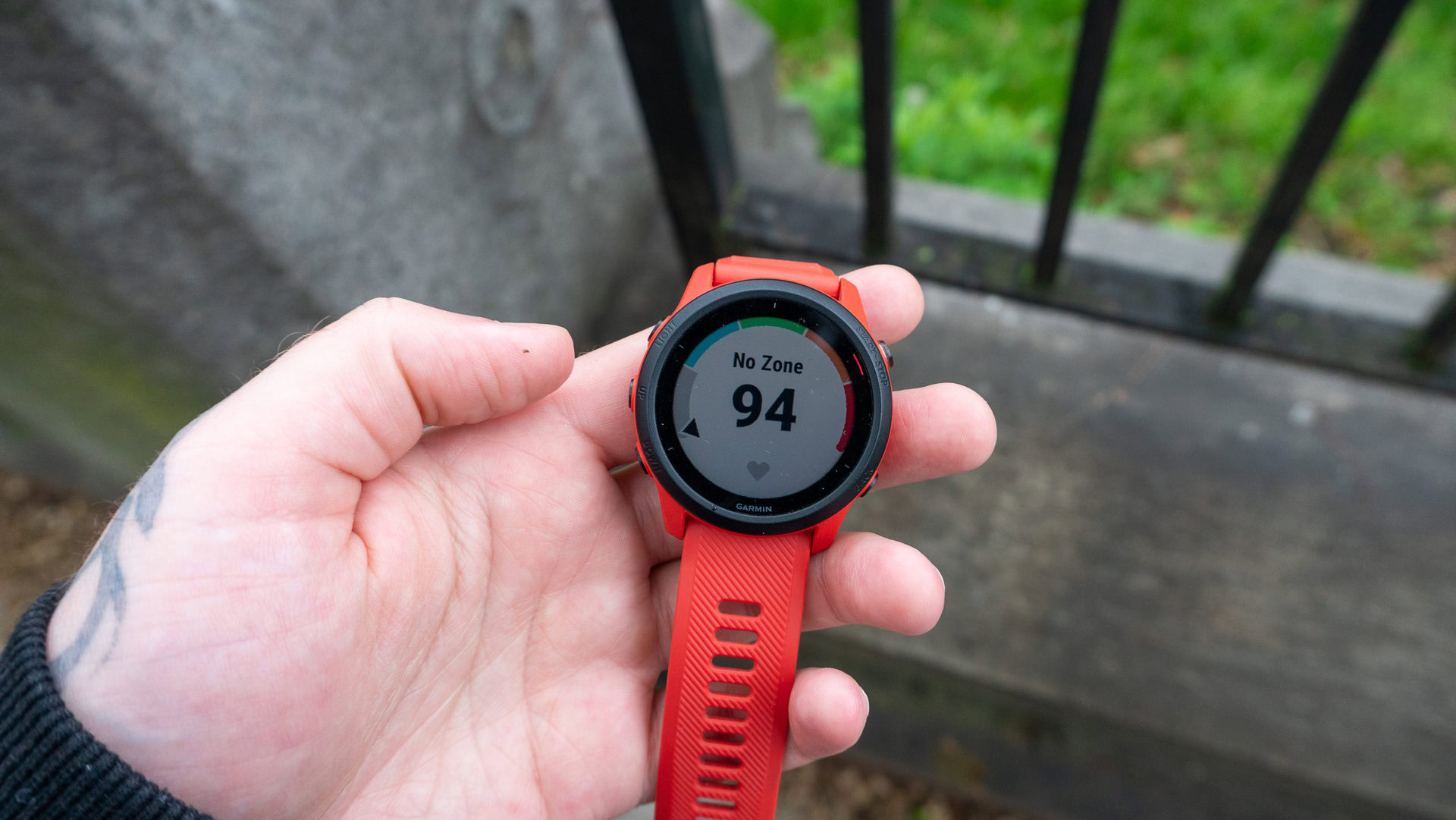
For dedicated users invested in deep physiological monitoring, the current standard bearer often involves a device like the Garmin Forerunner 745—a highly capable, multifaceted sports watch. This device excels as a data acquisition tool, meticulously logging metrics essential for performance optimization: running dynamics, advanced sleep staging, heart rate variability (HRV), and the proprietary Body Battery metric, which serves as a crucial indicator of energy reserves and recovery status.
The utility of these metrics is undeniable for anyone serious about training or holistic health management. Yet, the necessity of wearing a relatively substantial, screen-centric sports watch 24 hours a day introduces significant ergonomic and aesthetic friction. The device is often intrusive during sleep, leading to compromised data quality or user discomfort. Furthermore, its utilitarian design clashes severely with more formal attire, forcing users to maintain two separate wrist-worn devices—a compromise that defeats the purpose of seamless integration. The constant stream of notifications, even when managed, contributes to the very digital saturation these users are often trying to mitigate through dedicated health tracking.
This evolving user requirement—the desire for continuous, accurate biometric data without the cognitive load or aesthetic compromise of a traditional smartwatch—is precisely where the market has seen a significant vacuum. The ideal state is the "Whoop experience": a minimalist, screenless band designed to fade into the background, prioritizing data collection fidelity over notification delivery.
The Garmin Cirqa: A Strategic Counter-Punch to Market Leaders
The Garmin Cirqa, based on intelligence gleaned from regulatory filings and regional website leaks occurring in the late first quarter of the year, is positioned not merely as a competitor but as a strategic evolution designed specifically to bridge this gap in the Garmin ecosystem. It represents Garmin’s explicit acknowledgment of the market trend favoring minimalist, always-on monitoring bands.
The leaked information strongly suggests the Cirqa will abandon the watch form factor entirely in favor of a true smart band design. This physical departure is crucial. It implies an architecture focused almost exclusively on sensor performance, power efficiency, and discretion. Furthermore, the reported availability in two sizes (S/M and L/XL) and two colorways—classic black and the more subtle "French Gray"—indicates a concerted effort to broaden its appeal beyond the hardcore multisport athlete demographic and into the general wellness and corporate professional segments.
For a long-time Garmin user, the excitement surrounding the Cirqa is amplified by the potential resolution of existing trade-offs. The primary allure lies in the prospect of retaining Garmin’s industry-leading sensor accuracy and its sophisticated analytical suite (like Body Battery, Training Status, and Pulse Ox) within a form factor that is finally conducive to 24/7, comfortable wear. The implicit promise is a significant reduction in cognitive overhead associated with managing another glowing screen on the wrist.
Industry Implications: The De-Smartwatchification of Health Tracking
The potential success of the Garmin Cirqa carries significant implications for the broader wearables industry. For years, the market narrative has been dominated by the ‘smartwatch wars,’ where features like cellular connectivity, payment processing, and application ecosystems expanded rapidly. While this drove mass adoption, it simultaneously alienated a segment of users who prioritize health tracking above all else.
Garmin, traditionally the stronghold of the performance-oriented athlete, entering the pure tracker space with a device engineered to rival the leading subscription-based models signals a critical segmentation of the market. It suggests that raw feature count is yielding to specialized utility.
Expert Analysis: The Data Fidelity vs. Form Factor Tension
In the realm of physiological monitoring, data quality is paramount. The accuracy of photoplethysmography (PPG) sensors, especially for metrics like HRV and SpO2, is highly dependent on consistent skin contact and minimal movement artifact. A bulky watch, constantly being adjusted or removed due to discomfort, inherently compromises this fidelity. A sleeker, perhaps more flexible band design is theoretically better suited for maintaining the necessary constant contact, particularly during sleep.
The market has already seen attempts to address this, most notably through subscription-only models like Whoop, which have proven the viability of the screenless approach, albeit tethered to an ongoing service fee. The existence of non-subscription alternatives, such as the Amazfit Helio Strap, demonstrates consumer appetite for the form factor but often falls short on the holistic data interpretation capabilities that Garmin has spent decades refining. The Helio Strap, while affordable, has faced criticism regarding battery longevity compared to its primary competitor and, more critically for established users, lacks the seamless integration with the deep analytical ecosystem users are accustomed to.
Garmin’s entry with the Cirqa suggests a high-performance, low-friction option that leverages existing user investment in the Garmin Connect platform. If Garmin can deliver the Cirqa with a battery life that surpasses the 10-day mark of current budget alternatives—perhaps even reaching the two-week standard set by some of their smartwatches—it effectively neutralizes the primary differentiator of the subscription-model competition while offering superior analytical depth. This positions the Cirqa as a disruptive force against both high-end smartwatches (by offering better comfort) and existing screenless trackers (by offering superior data infrastructure without mandatory recurring fees).
Navigating the Subscription Model Conundrum
One of the most crucial strategic elements surrounding the Cirqa’s success will be its monetization strategy. The Whoop model relies heavily on recurring subscription revenue, positioning the hardware itself as almost secondary to the continuous service. While Garmin has historically favored outright hardware purchases, the nature of advanced, evolving physiological analysis often benefits from continuous firmware updates and backend algorithm refinement—a model that lends itself well to subscriptions.
If Garmin introduces the Cirqa with a one-time purchase price, appealing to users who have grown weary of ongoing monthly charges, it could rapidly capture market share from those seeking ownership permanence. Conversely, if Garmin attempts to shoehorn a subscription model onto the Cirqa—perhaps to fund ongoing advanced AI coaching features—it risks alienating its core customer base, who are already accustomed to purchasing their data tools upfront.
The most astute path for Garmin likely involves offering a high level of core data analysis (like Body Battery and Sleep Score) through the standard purchase, reserving deeply specialized or predictive features for an optional premium tier. This mirrors the successful strategy employed in their higher-end outdoor and aviation watches, offering robust base functionality while gating cutting-edge analytics behind a paywall.
Future Trajectory: The Rise of Contextual Biometrics
The emergence of the Garmin Cirqa is symptomatic of a broader trend in personal technology: the shift from devices that demand attention to ambient technologies that offer context. Consumers are increasingly rejecting the "more is more" philosophy prevalent in smartphone design. Instead, there is a growing appreciation for specialized tools that execute a singular, high-value task exceptionally well, without ancillary distractions.
This move toward contextual biometrics suggests a future where multiple specialized wearables coexist: a primary smartphone for communication and general computing, perhaps a dedicated audio device, and a highly specialized, unobtrusive band dedicated solely to continuous health state monitoring.
For the tech industry, this signals a necessary maturity. Innovation is pivoting away from incremental screen improvements and toward sensor miniaturization, battery density improvements, and, most importantly, the refinement of proprietary algorithms that translate raw data into actionable human intelligence. Garmin’s expertise in this latter area, honed over decades in the navigation and fitness sectors, gives the Cirqa a foundational advantage over newer entrants focused primarily on industrial design.
If the Cirqa successfully merges Garmin’s gold-standard tracking accuracy with a truly minimalist, comfortable band form factor—and manages to avoid the pitfalls of either poor battery life or burdensome subscription mandates—it will not just be a compelling purchase for existing users. It will set a new high watermark for what consumers expect from passive health monitoring hardware, effectively forcing competitors to re-evaluate the utility and necessity of the full-featured smartwatch display for everyday wellness tracking. This anticipated device, therefore, transcends a simple product launch; it represents a potential recalibration of the wearable technology hierarchy.