


The current technological zeitgeist is overwhelmingly dominated by generative artificial intelligence. From large language models like Google’s Gemini to image synthesis tools, the narrative suggests that the next frontier of computing will be entirely driven by algorithmic intelligence. While this trend has its merits in certain domains, it has also fostered a pervasive skepticism among many technology observers regarding its immediate utility and ethical footprint. For instance, the proliferation of AI-generated content is frequently cited as a contributor to the degradation of online information quality—a phenomenon often termed the "enshittification" of the web—while persistent concerns regarding data provenance, environmental impact, and intellectual property infringement remain unresolved. Consequently, much of the current discourse surrounding AI integration, including the focus on large-scale models, often fails to resonate with those who prioritize tangible hardware innovation.
However, this general antipathy toward the current AI boom does not necessitate a corresponding dismissal of all nascent hardware categories. Specifically, the emerging field of Android Extended Reality (XR) glasses presents a fascinating prospect, one that stands independently of the current obsession with conversational AI. Despite any reservations about the broader trajectory of large-scale machine learning deployment, the potential for next-generation, camera-equipped Android XR eyewear commands serious attention, primarily due to its potential to fundamentally redefine mobile imaging and capture workflows. This excitement is rooted not in abstract digital capabilities, but in the practical, physical utility offered by integrated, hands-free optics.
The Professional Utility of First-Person Capture
The attraction to sophisticated XR glasses, particularly those featuring high-quality integrated cameras, is significantly amplified when considering professional applications, especially within the technology journalism and content creation sectors. The logistics of capturing detailed product demonstrations, particularly hands-on experiences at crowded industry events or press briefings, frequently present a significant operational bottleneck. Traditional methods—employing smartphones stabilized on tripods or relying on cumbersome manual framing—are inherently restrictive. A tripod setup is cumbersome to transport, requires dedicated floor space, and introduces friction into dynamic, fast-paced environments where information dissemination is time-sensitive.
Imagine a scenario where a journalist needs to simultaneously manipulate a new foldable phone to demonstrate its hinge mechanism while capturing a stable, high-definition video showcasing the action from their precise point of view. The ability to initiate and manage this recording hands-free via an integrated camera system embedded in aesthetically acceptable eyewear would represent a paradigm shift in efficiency. This is not about recording mundane daily life; it is about capturing the ephemeral, complex interactions that define modern product showcases. The hands-free capability translates directly into more authentic and informative visual documentation, unhindered by the physical constraints of handheld capture devices.

Beyond the high-pressure environment of press events, the utility extends to casual yet important documentation during travel and exploration. While the average user may not utilize the camera constantly, the convenience of capturing an immediate, context-rich photograph of a striking architectural detail or a fleeting landscape view—without breaking stride to retrieve a phone—is a compelling argument for adoption. It shifts capture from an intentional, disruptive action to a seamless, integrated part of environmental perception.
The Competitive Crucible: Transferring Smartphone Imaging Prowess to Wearables
The true excitement surrounding the Android XR ecosystem lies less in the operating system itself and more in the competitive landscape it fosters among established mobile hardware giants. The development of these glasses is not occurring in a vacuum; it is intrinsically linked to the decade-plus refinement of smartphone imaging technology. The core question driving anticipation is how established mobile photography leaders will translate their signature computational imaging pipelines—the very algorithms that define their brand identities—into the significantly more constrained thermal and spatial envelope of smart glasses.
Samsung, for example, has publicly confirmed its active development in the Android XR space. For a company that has heavily invested in differentiating its Galaxy S series through camera hardware and software, one anticipates a direct migration of successful features. Features optimized for rapid, context-aware capture, such as Samsung’s Single Take mode—which captures a variety of formats (photos, short videos, boomerangs) from a single burst—could be remarkably effective when triggered by a simple gesture or voice command on the glasses. Similarly, Samsung’s finely tuned custom image processing profiles, which dictate color science and dynamic range, will inevitably be ported, offering a distinct visual flavor to the resulting captures. If these glasses can maintain the high standard of video quality typically associated with flagship Galaxy devices, they become serious contenders for professional use cases.
Google’s potential entry with a dedicated "Pixel Glasses" offering is perhaps even more intriguing given historical context. The computational photography revolution that elevated the Pixel line began, in part, with innovations developed around the original Google Glass project—notably, early explorations into High Dynamic Range (HDR) processing. Seeing these advanced techniques return to a refined eyewear form factor would represent a full-circle moment. Features such as Super Res Zoom (even in its limited, computational form on a smaller sensor) or Action Pan (for stabilizing shots of moving subjects) could drastically improve the quality of spontaneous captures. Furthermore, Google could leverage its expertise in smart, automatic capture algorithms, perhaps reviving concepts from the ill-fated Google Clips camera—such as intelligent subject detection and automatic clipping of compelling moments—to create a truly proactive imaging device.
The competitive tension among OEMs is crucial. If Samsung focuses on feature breadth and video polish, and Google emphasizes intelligent, context-aware software processing, other players are incentivized to innovate in distinct areas. Xiaomi, OnePlus, and OPPO, known for aggressively pushing boundaries in mobile imaging, bring different strengths. We might see these manufacturers focus on niche but highly valuable functionalities:

- Color Science and Profiles: Offering distinct, user-selectable color matrices (e.g., vibrant, cinematic, natural) that immediately set their glasses apart from competitors.
- Smart Scene Recognition: Leveraging onboard AI—even if not the large generative models—to instantaneously apply appropriate enhancements for fireworks, long-exposure water effects, or macro details, all without user intervention.
- Document Scanning and OCR: Utilizing the fixed perspective of the glasses to provide superior, automatic document capture, straightening skewed text and applying necessary contrast adjustments instantly.
- Teleprompter Integration: Leveraging the heads-up display (HUD) capabilities to display scrolling text, a feature already seen on some high-end smartphones, perfect for presentation delivery or remote interviews conducted through the glasses.
The absence of a player like Vivo, which has consistently demonstrated excellent low-light performance and sophisticated video capabilities on its smartphones, is certainly a loss for the potential diversity of imaging solutions in this nascent market. However, the sheer breadth of innovation currently concentrated within the Android ecosystem guarantees that the initial wave of XR glasses will be a showcase for imaging advancements, regardless of the specific device manufacturer.
Dissecting the AI Component: Utility vs. Overkill
It is essential to maintain a critical distance when evaluating the role of artificial intelligence within these XR devices. While the preceding analysis focuses on the hardware application of computational photography—which leverages AI/ML for image enhancement—the broader integration of generative AI warrants scrutiny.
Augmented reality applications, such as real-time environmental mapping, persistent digital anchors for navigation, or sophisticated object recognition overlays, are genuinely promising avenues where AI excels. For instance, the proposed "Gemini Live camera sharing" suggests a future where shared visual context can be instantly annotated or analyzed collaboratively. Furthermore, for accessibility features—providing real-time environmental descriptions for visually impaired users, or complex instructions overlaid onto machinery for technicians—AI integration is transformative and ethically justifiable.
However, the temptation to embed large-scale, computationally intensive generative AI directly into the wearer’s immediate field of view raises significant red flags. The user experience risks becoming cluttered with unsolicited, potentially inaccurate, or contextually inappropriate AI responses. The privacy implications of always-on, always-listening, and always-recording hardware are profound enough without layering on a system designed to constantly interpret and generate complex digital overlays based on the real world. For many consumers, the allure of the hardware will be contingent upon its ability to function as a superior, discrete capture tool, rather than a constant digital companion powered by speculative AI outputs. The success of Android XR glasses hinges on whether manufacturers can deliver robust, high-fidelity capture capabilities first, relegating the generative AI components to optional, background utilities.
Industry Implications and Future Trajectory
The successful deployment of consumer-friendly, camera-equipped Android XR glasses will have significant ripple effects across the technology sector, moving beyond mere gadgetry toward becoming a viable third pillar of personal computing, alongside smartphones and tablets.
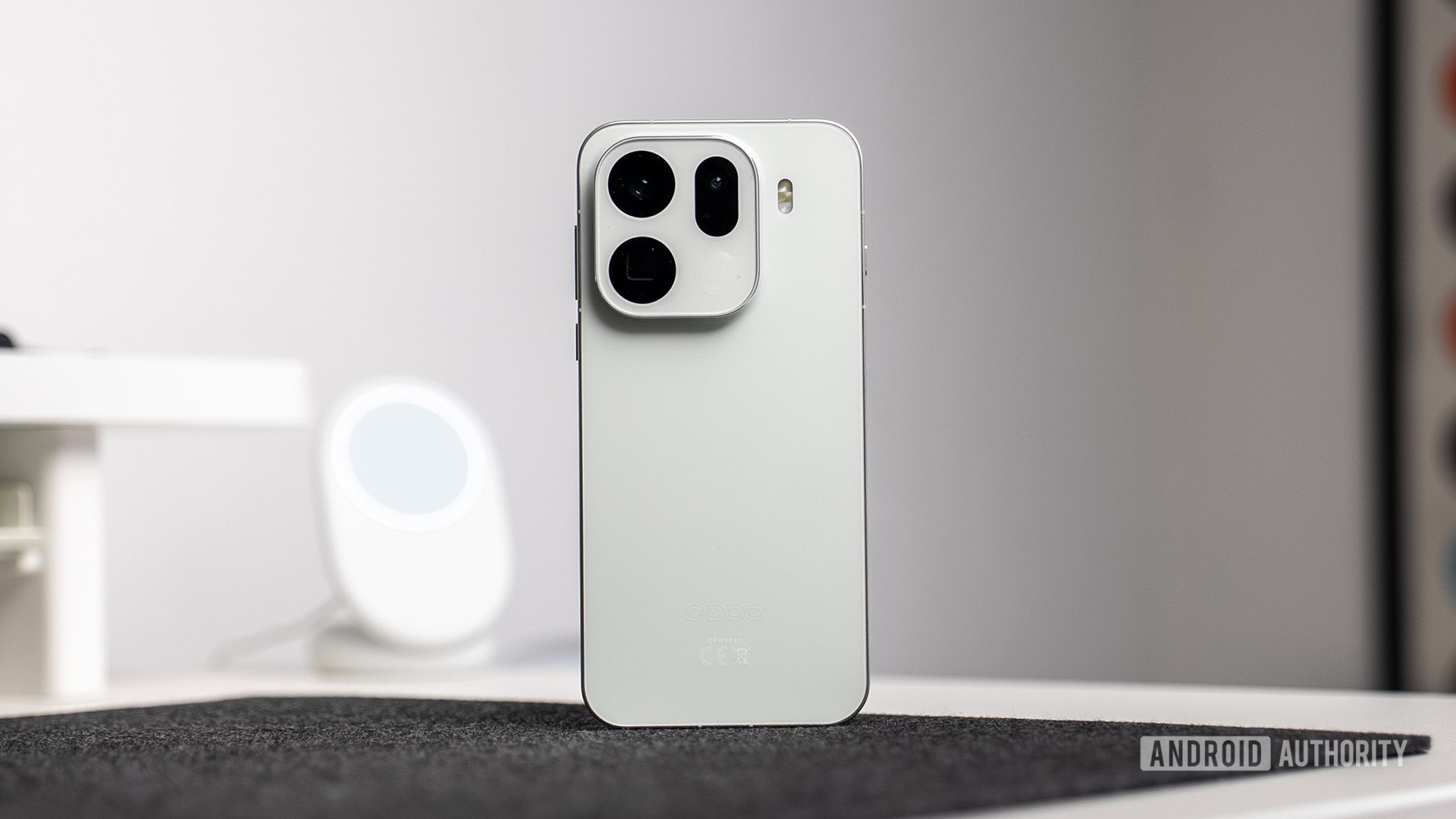
Hardware Miniaturization and Power Efficiency: Integrating advanced optics and processing required for high-quality video capture into a lightweight, all-day wearable demands breakthroughs in power management and component miniaturization. If OEMs succeed here, the lessons learned—especially regarding thermal dissipation in form factors constrained by aesthetics—will inevitably feed back into smartphone design, potentially leading to thinner bezels, more efficient chip packaging, and better battery longevity across the entire product stack.
The Ecosystem Battleground: Android XR establishes a critical, standardized platform for spatial computing, allowing developers to target a single OS environment rather than fragmented proprietary systems. This standardization encourages the development of compelling applications that utilize first-person perspective, potentially creating new revenue streams separate from the traditional app store model associated with phones. It forces Apple, currently dominating the high-end AR/VR space with its Vision Pro, to compete on a more accessible, mass-market platform that leverages the vast existing Android developer base.
Shifting Consumer Expectations for "Capture": If high-quality, hands-free capture becomes normalized via eyewear, the expectation for mobile phones might shift. Consumers may begin to view traditional smartphone cameras as necessary only for high-fidelity, intentionally framed shots, while glasses handle the bulk of spontaneous, contextual documentation. This could lead to manufacturers strategically segmenting camera resources—perhaps reserving the largest sensors and most advanced optics for the primary phone, while equipping glasses with highly capable, specialized optics optimized for specific viewing angles and proximity capture.
The foundation for this technological evolution is the maturation of the underlying XR platform itself. The move toward Android XR signals a commitment to creating a robust middleware layer capable of handling the complex spatial awareness, rendering, and input modalities required by glasses. This infrastructure must be stable, low-latency, and highly secure to overcome the inherent social friction associated with wearable cameras.
In conclusion, while the digital noise surrounding generative AI can be distracting and often frustrating, the physical innovation represented by the next wave of Android XR glasses offers tangible, immediate benefits. The anticipation is keenly focused on the photographic possibilities: watching Samsung, Google, and others battle to embed their established, market-leading computational imaging expertise into a form factor that promises to fundamentally alter how we record the world. If they can deliver exceptional, context-aware imaging without sacrificing user comfort or privacy standards (a massive caveat, certainly), the excitement surrounding this hardware category will be entirely warranted, irrespective of the current AI hype cycle. The future of point-of-view capture is being forged in these prototypes, and that development warrants serious journalistic focus.