


The trajectory of consumer technology has long been defined by specialization. Smart home devices, while impressive, typically excel at a single, discrete function—a smart lock secures a door, a thermostat regulates temperature, and a robotic vacuum navigates floors. This paradigm of task-specific excellence, however, is beginning to yield to a new ambition: generalist automation. Following its previous foray into hybrid devices like the Robot K20 Plus Pro, which attempted to merge vacuuming with other capabilities, the recent unveiling by SwitchBot at the Consumer Electronics Show (CES) signals a definitive pivot toward comprehensive domestic robotics with the introduction of the onero H1, the company’s inaugural humanoid robot.
This announcement is not merely another product launch; it represents a significant marker in the ongoing democratization of robotics beyond industrial settings. For decades, the concept of a household robot capable of complex manipulation has resided firmly in the realm of science fiction. Now, companies like SwitchBot, traditionally known for accessible smart home accessories, are leveraging advancements in AI, sensor fusion, and actuator technology to bring this vision into the consumer marketplace, albeit in an early, potentially prototype, form.
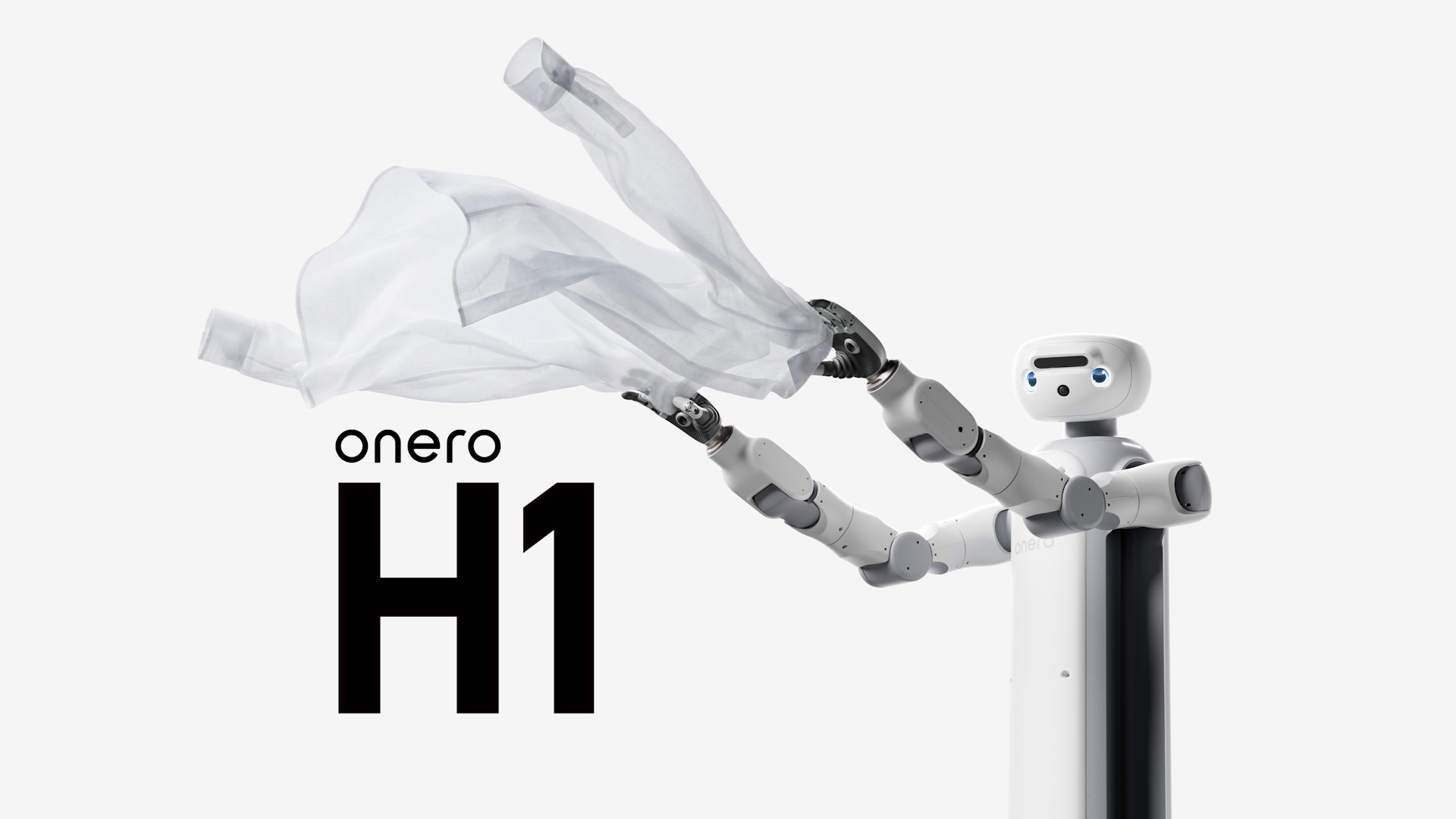
Deconstructing the onero H1: A Leap Toward Generalist Robotics
The onero H1 is explicitly positioned as a generalist automaton, deliberately avoiding the constraints of single-purpose machinery. Its mandate appears to be the elimination of housework through adaptive action, rather than optimizing one specific chore. This approach contrasts sharply with single-function robots, suggesting a design philosophy centered on versatility and environmental understanding.
Central to this capability is a sophisticated sensory array. The robot is equipped with multiple Intel RealSense cameras integrated across its head, arms, and abdomen. RealSense technology, known for its depth-sensing capabilities, is crucial for real-world manipulation tasks, allowing the robot to accurately perceive three-dimensional space, judge distances, and identify the orientation of objects. Furthermore, the robot boasts an impressive 22 degrees of freedom (DoF) across its articulated arms. This high level of kinematic complexity is essential for mimicking human dexterity—a prerequisite for tasks that require nuanced interaction with household items, such as folding laundry or retrieving misplaced objects.
SwitchBot attributes the robot’s operational stability across diverse domestic scenarios to its proprietary OmniSense VLA (Vision-Language-Action) model AI algorithm. While the exact architecture remains proprietary, the nomenclature suggests a system designed to bridge perceptual data (Vision), high-level understanding (Language, perhaps natural language commands), and physical execution (Action). The true measure of this technology, however, lies not in marketing claims but in real-world demonstration. Visual representations released by the company show the onero H1 engaged in tasks that have historically bottlenecked robotics research: holding and potentially folding a shirt, and transporting a stack of folded garments. These actions require fine motor control, object recognition under varying lighting conditions, and compliant gripping—challenges that have kept generalized household robotics elusive for years.
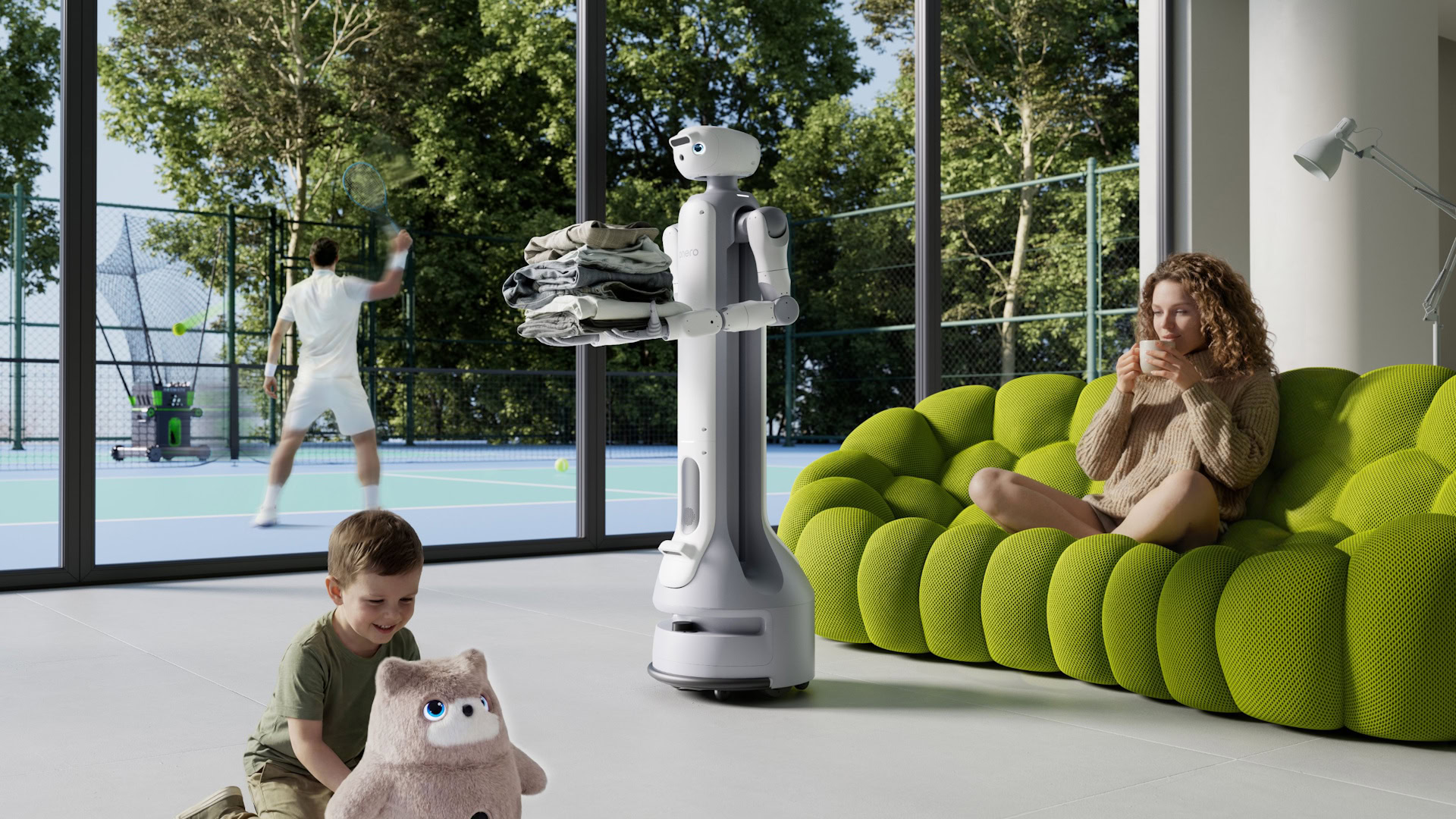
The integration of the onero H1 into the existing SwitchBot ecosystem is also noteworthy. The company’s established suite of smart buttons, sensors, and hubs provides a pre-existing framework for environmental awareness and command execution. If the H1 can seamlessly interpret existing SwitchBot automations or utilize established device states, it elevates from a standalone gadget to a true mobile agent within a broader smart environment.
Industry Implications: The Shift from "Smart" to "Autonomous"
The arrival of the onero H1, even in an early pre-order phase, has significant ramifications for the broader consumer electronics and home automation industries. The market has matured past the novelty of connected appliances; the next frontier is embodied intelligence capable of physical labor.
For years, robotics investment has been heavily weighted toward logistics, manufacturing, and specialized service industries. The consumer market has seen limited success with humanoid or highly dexterous robots, often due to prohibitive costs and limited utility. The onero H1, coming from a company known for accessible pricing, suggests a strategy to drive down the barrier to entry for general-purpose home robots. If SwitchBot can deliver even moderate success in key domestic tasks, it validates the market for human-scale manipulation robots, compelling competitors like Amazon (Astro) or even established industrial robotics firms to accelerate their consumer ambitions.
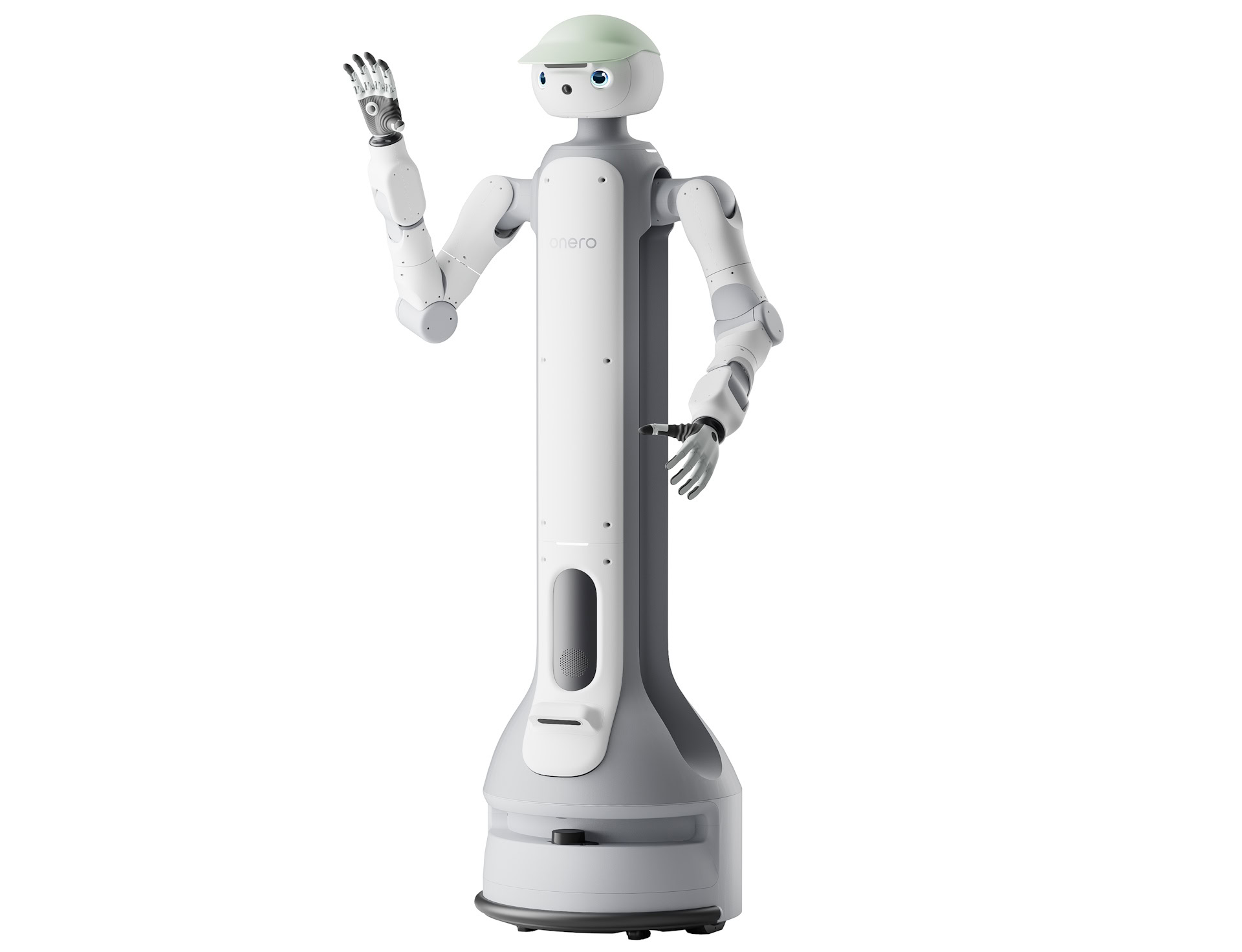
The core implication rests on the viability of the VLA model. If OmniSense VLA can successfully translate visual input into reliable physical output for unstructured tasks—a hallmark of true general intelligence in robotics—it signals a major breakthrough in embodied AI. This moves the industry past pre-programmed routines (like standard vacuum paths) toward dynamic problem-solving within the chaos of a real home. The success of the onero H1 will likely hinge on its ability to handle soft objects, cluttered environments, and non-standard geometries, tasks far more complex than picking up a known item from a fixed location.
Moreover, the potential impact extends deeply into assistive technologies. As the press materials hint, the robot’s capabilities could revolutionize elder care and disability support. The ability to safely and reliably perform physical tasks—fetching medication, assisting with dressing, tidying living spaces—could grant unprecedented independence to aging populations or individuals with mobility challenges. This application sphere demands extreme reliability and safety, suggesting that the "collaborative" aspect mentioned by SwitchBot must translate into robust collision avoidance and force feedback mechanisms.
Analysis of Companion Technologies: Securing and Informing the Home
SwitchBot’s CES presentation was not limited to the H1; the simultaneous unveiling of supplementary AI-driven hardware reinforces their commitment to a comprehensive, intelligent ecosystem.
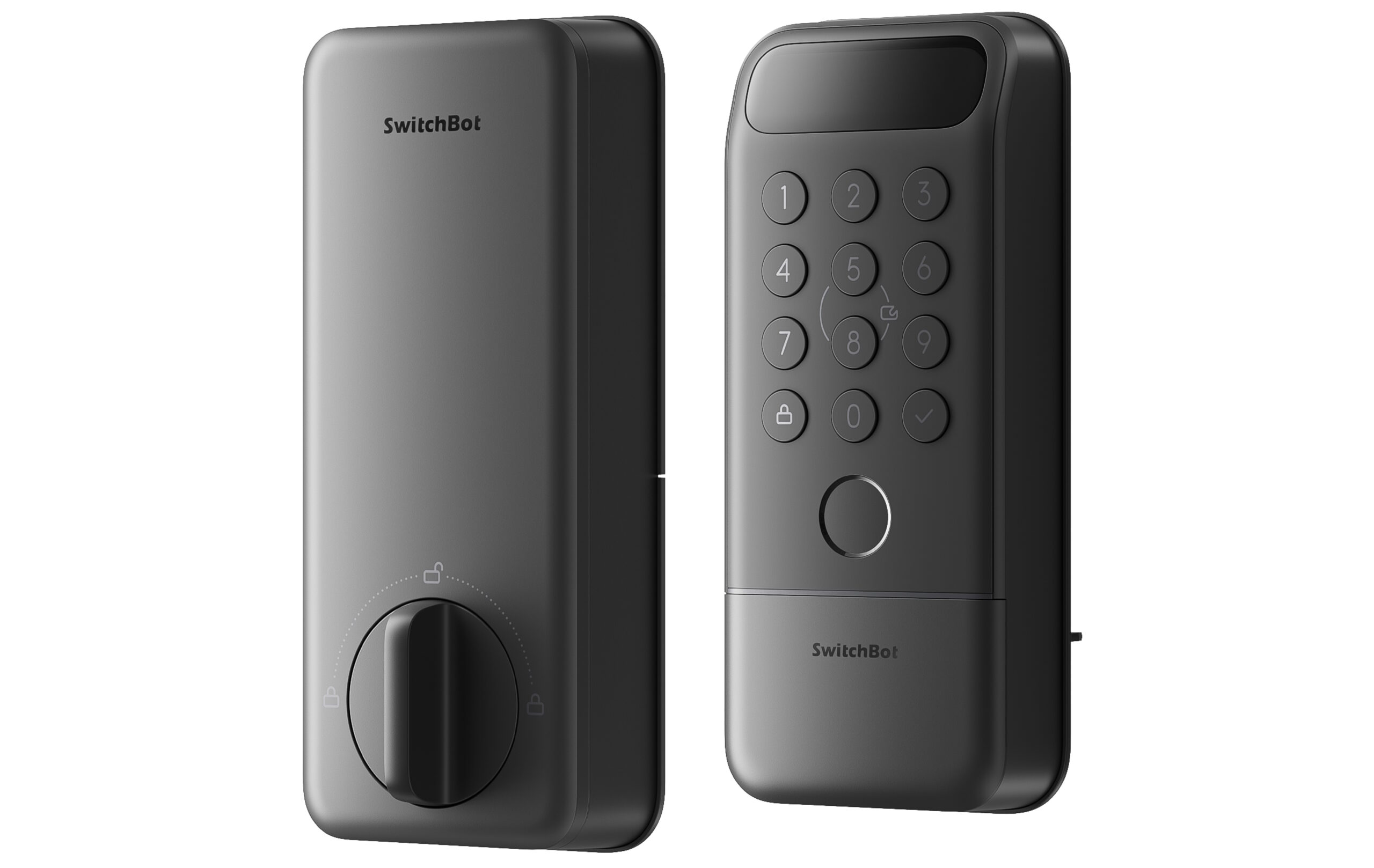
The Lock Vista Series and Biometric Security: The introduction of the Lock Vista series elevates smart lock security by integrating advanced biometrics. Claiming to be the first deadbolt smart lock utilizing 3D structured-light facial recognition sets a new benchmark for access control. Structured light mapping provides superior depth perception compared to simple 2D cameras, making spoofing significantly more difficult. The Lock Vista Pro’s inclusion of contactless palm-vein recognition further pushes the envelope. Palm vein patterns are highly unique and internal, offering a level of security that surpasses surface-level biometrics like fingerprints or standard facial scans. This suggests a strategic focus on high-assurance access control, a necessary precursor for a home that will soon host a mobile, highly capable robot. If the H1 is meant to manage the house, the security infrastructure must be ironclad.
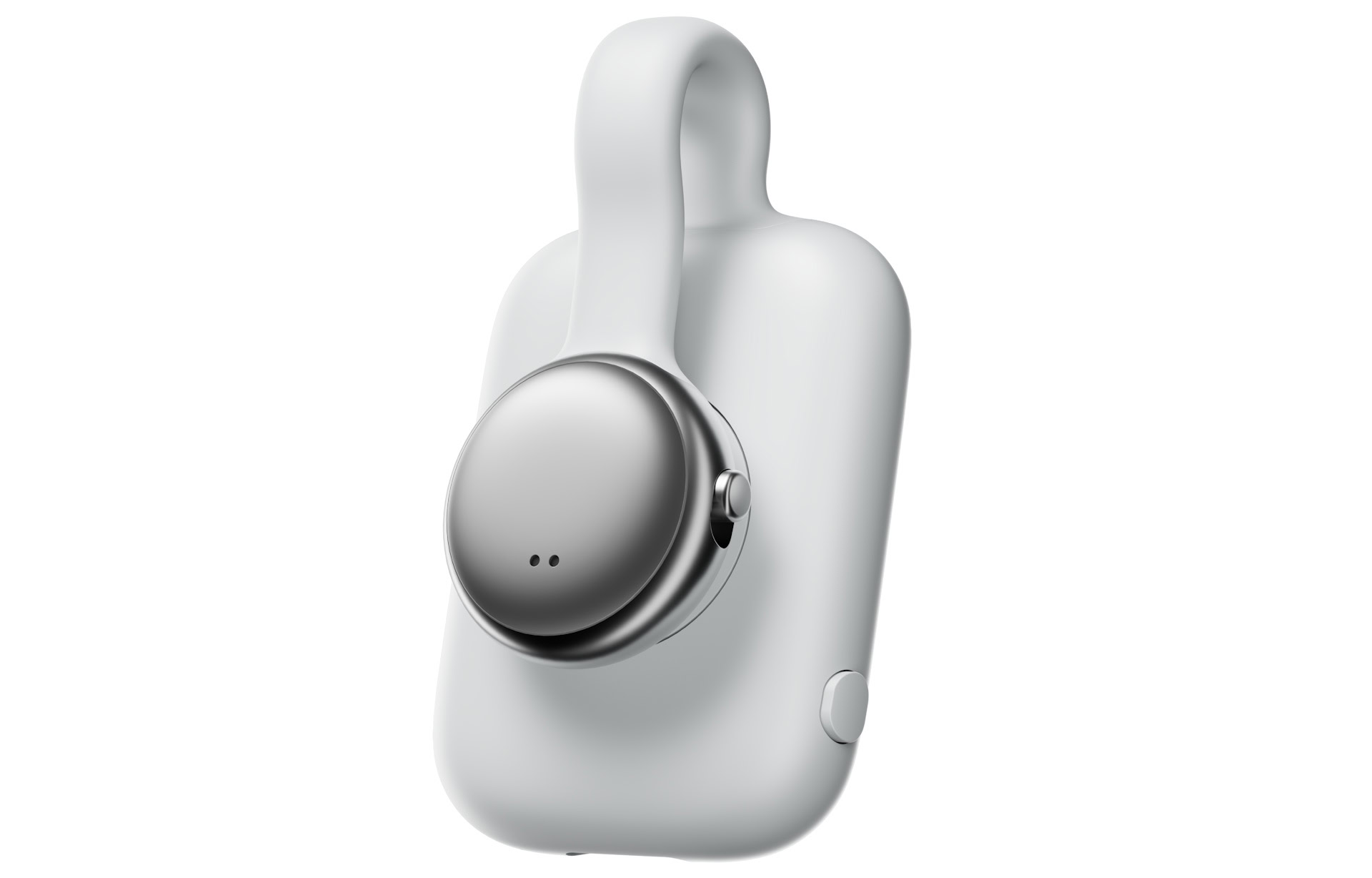
The AI MindClip: Knowledge Centralization: The AI MindClip represents the software and data backbone necessary to support such advanced hardware. Described as more than a mere recorder, its function—continuously capturing conversations, generating structured summaries, actionable to-do lists, and maintaining a searchable personal knowledge base—points toward an integrated, ambient computing strategy. The H1 robot, operating in the physical world, requires context and instructions. The MindClip appears designed to provide that high-level contextual awareness, translating spoken intent or environmental observation into executable steps for the robot or user. This closes the loop between passive data capture and active physical intervention.
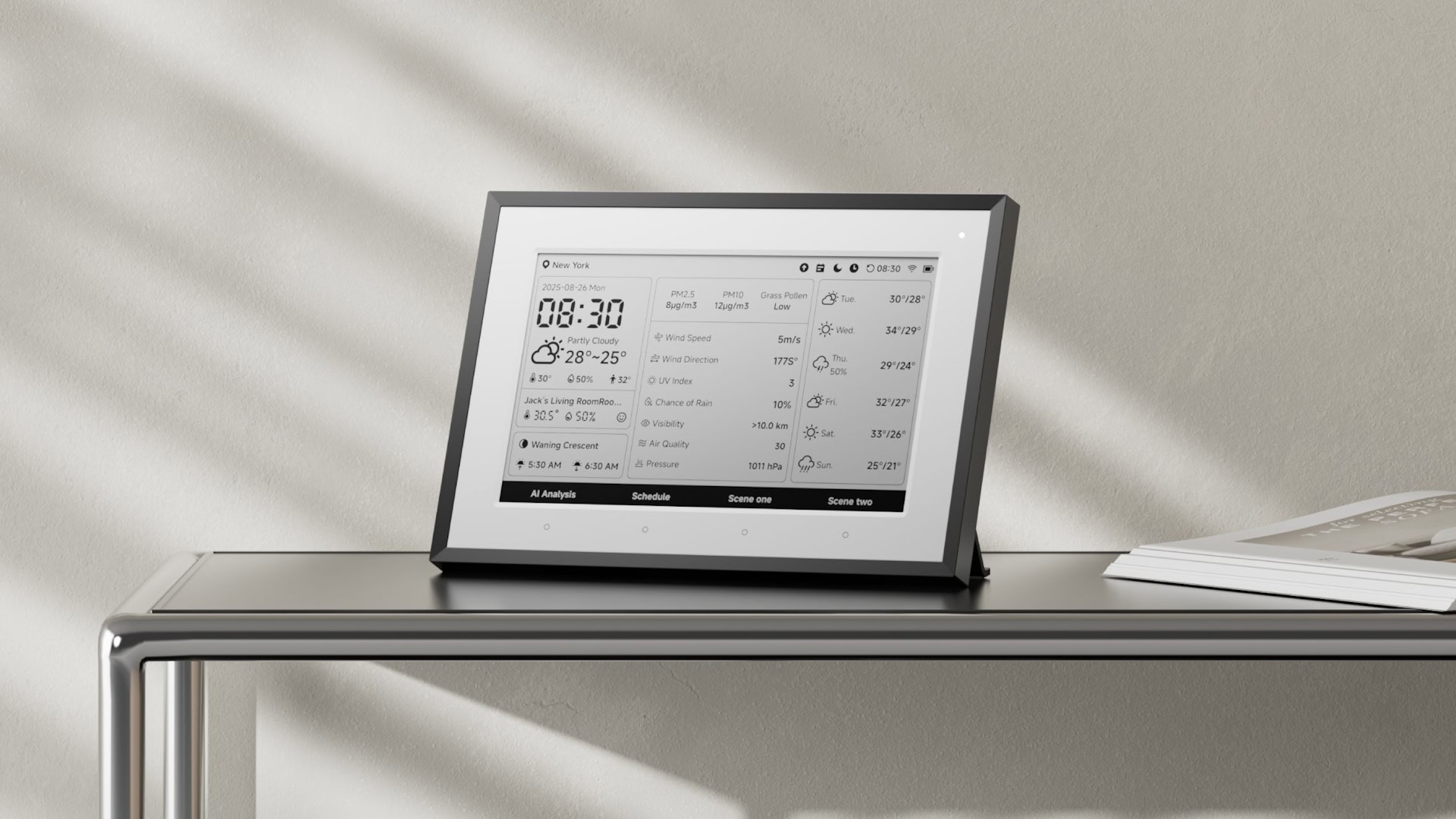
The OBBOTO Desk Light: Ambient Information Display: Completing the picture is the OBBOTO, an AI-powered desk pixel light. Featuring over 2,900 RGB LEDs, motion sensing, and AI-driven mood animations, OBBOTO acts as a highly visual, non-intrusive information terminal. By displaying time, weather, or critical status updates through light patterns, it offers a low-cognitive-load interface. In a home managed by the H1, OBBOTO could potentially serve as a status beacon—flashing a specific color if the robot encounters an error, or displaying an icon when a specific chore is completed. Its integration of music visualization and ambiance modes further emphasizes SwitchBot’s push toward holistic, experience-driven smart home environments.
Future Impact and Trends: The Trajectory of Embodied AI
The convergence of these products—a highly dexterous generalist robot (H1), advanced security (Lock Vista), knowledge processing (MindClip), and ambient feedback (OBBOTO)—suggests SwitchBot is attempting to build a fully realized, embodied AI ecosystem, not just a collection of disparate gadgets.
The primary challenge for the onero H1 will be scaling down the complexity and cost associated with current state-of-the-art humanoid robots. Industrial robots with similar manipulation capabilities cost hundreds of thousands of dollars and require extensive programming. If SwitchBot can bring the H1 to a consumer price point—even if initially high—it accelerates the timeline for mass adoption. This democratization will force a reckoning in user interface design; interactions must evolve from tapping phone screens to intuitive voice commands and even gesture recognition interpreted by the robot itself.
Furthermore, the reliance on a VLA model underscores the industry trend away from rigid programming toward foundation models trained on vast datasets of human interaction and physical activity. The future of home robotics will depend on how efficiently these models can be compressed and run locally (for privacy and latency reasons) or securely accessed via the cloud. The mentioned "stability" in household scenarios suggests they have overcome the brittle nature of earlier perception systems.
The pre-order availability for the onero H1 and its robotic arm A1, pending further functional demonstrations at CES, positions SwitchBot at the vanguard of this transition. If the H1 performs as advertised—managing laundry, retrieving items, and integrating with the security and information layers provided by the other new products—it will establish a compelling blueprint for the autonomous home of the near future. The era of single-task automation is giving way to the pursuit of generalized domestic assistance, and SwitchBot appears intent on being a major architect of that shift.