

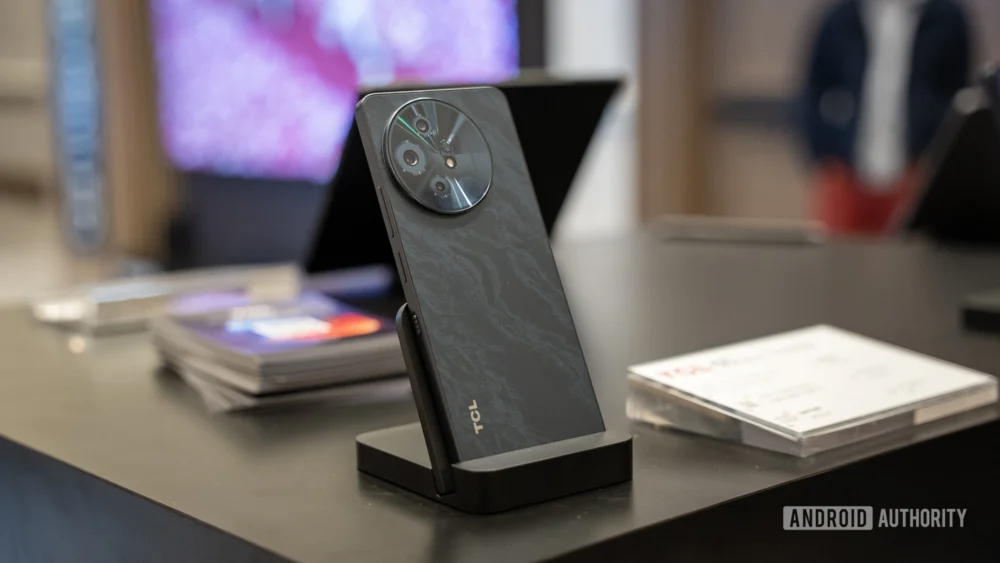
The current pricing landscape for entry-level smartphones often dictates a series of compromises, forcing consumers to choose between basic functionality and tolerable user experience. Into this highly competitive arena steps a device that, despite its somewhat cumbersome nomenclature—the TCL 60 XE NXTPAPER 5G—is making a significant market statement through a temporary price adjustment. With its Manufacturer’s Suggested Retail Price (MSRP) typically hovering around $249.99, a reduction to $199.99 on major retail platforms fundamentally repositions this handset. This $50 markdown is not merely a seasonal discount; it represents a strategic move to democratize access to a genuinely differentiated display technology that usually remains exclusive to higher-tier niche products or dedicated e-readers.
To fully appreciate the significance of this promotional pricing, one must first contextualize the budget smartphone segment. Historically, phones priced under $250 are characterized by low-resolution screens, sluggish processors, and minimal memory configurations, often resulting in frustratingly slow everyday performance and poor media consumption experiences. Manufacturers must aggressively pare down costs, frequently omitting features like high refresh rates or advanced connectivity. The TCL 60 XE NXTPAPER 5G, however, bucks this trend by focusing its differentiation not on raw processing power—where it naturally makes some concessions—but on the interaction layer: the screen itself.
The core innovation driving this device is the NXTPAPER display technology. This is not simply a matte screen protector applied as an afterthought; it is an integrated panel designed to mimic the visual properties of physical paper. The 6.8-inch, Full High Definition (FHD+) panel utilizes advanced anti-glare coatings and sophisticated software algorithms to shift the visual output. In standard mode, it functions as a typical modern smartphone display, offering adequate brightness and color reproduction for general use. However, the key differentiator is the dedicated "paper-like" modes.
These specialized modes dramatically reduce blue light emission and significantly tame reflections, mitigating the visual fatigue commonly associated with prolonged LCD or standard OLED usage, particularly under harsh indoor lighting or direct sunlight. The inclusion of a physical, dedicated NXTPAPER button—a hardware control seemingly plucked from a different product category—allows for instantaneous toggling between these viewing profiles. This immediate, tactile feedback loop is crucial; it transforms the experience from a software setting buried in menus to an on-the-fly adjustment based on immediate environmental needs. For users heavily invested in digital reading—be it textbooks, news articles, or long-form content—this functionality offers a compelling alternative to dedicated E-Ink devices, bridging the gap between connectivity and visual comfort.
Furthermore, the battery life implications of this technology, especially when utilized in its low-power, paper-mimicking states, are substantial. While the device houses a robust 5,010mAh cell optimized for standard use, the reduced power draw when operating in E-Ink-adjacent modes can theoretically extend endurance significantly, potentially reaching several days or even a week under light usage patterns heavily skewed toward static content consumption. This longevity is a critical value proposition in the budget sector, where battery anxiety remains a persistent consumer concern.
Beyond the unique display, the TCL 60 XE NXTPAPER 5G layers in necessary modern specifications that prevent it from feeling hopelessly outdated. The inclusion of a 120Hz refresh rate on the display is notable for a device positioned under $200, even if the underlying chipset can only drive it consistently for simpler tasks. Smooth scrolling and fluid interface animations are generally reserved for mid-range and flagship devices, so its presence here enhances the general responsiveness impression, even if peak graphical performance is limited. The device also supports 5G connectivity across major U.S. carrier bands, ensuring future-proofing in terms of network speeds, an increasingly important baseline requirement for new smartphone purchases. The inclusion of NFC facilitates modern contactless payments, a feature often stripped out in the ultra-budget tier. Dual speakers suggest a nod toward multimedia consumption, although audio fidelity should be managed against expectations for this price bracket.
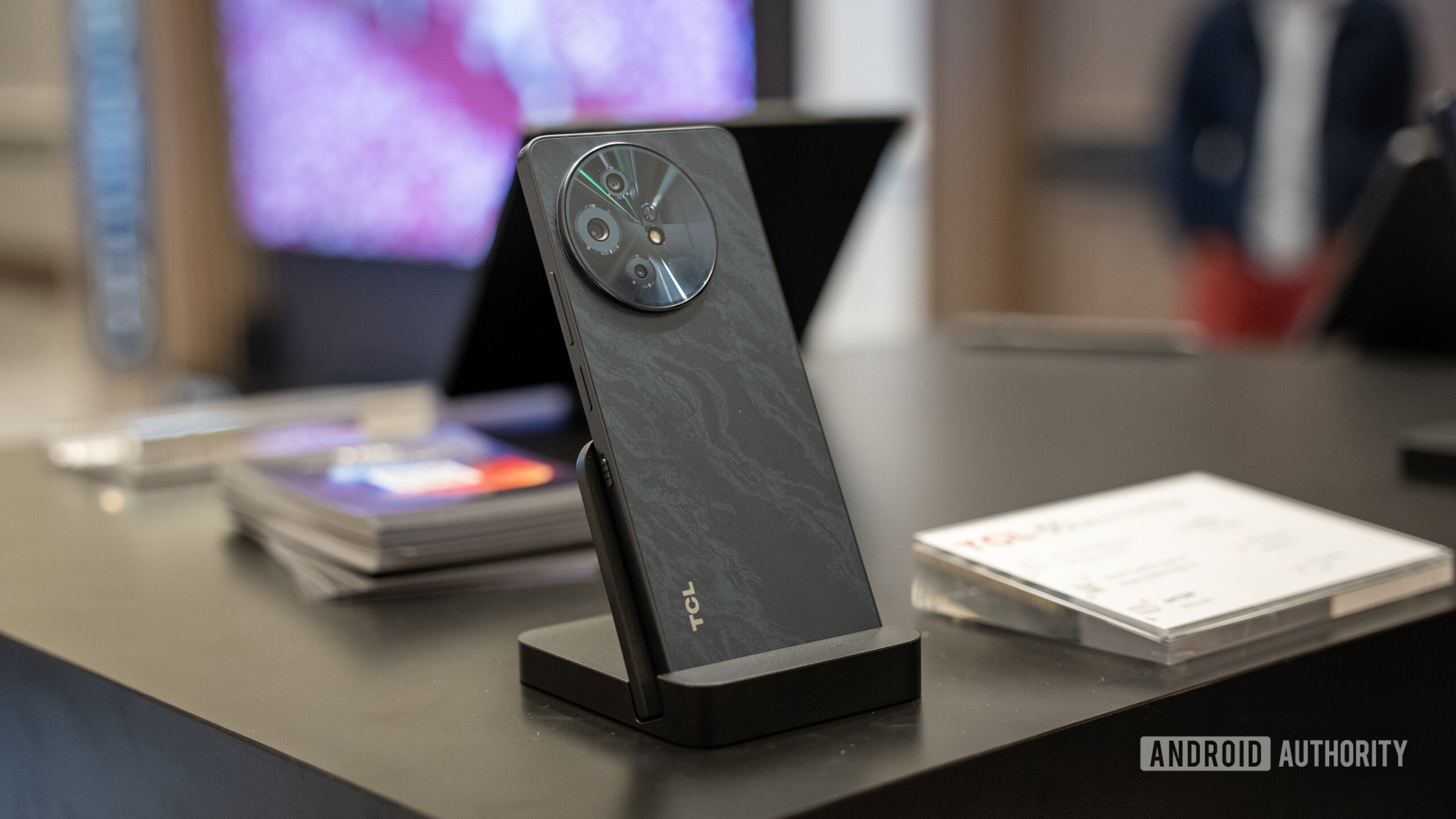
The strategic implications of this $50 price drop extend beyond simple sales volume; they challenge established market perceptions regarding feature parity. When a device featuring a genuinely novel display technology—a form of hardware differentiation that few major players attempt in the budget space—sinks below the psychological $200 threshold, it forces competitors to re-evaluate their own cost-cutting strategies. If consumers begin to prioritize display comfort and battery endurance over bleeding-edge processing power, the calculus for budget phone design shifts dramatically.
From an industry analysis perspective, TCL appears to be leveraging its established expertise in display manufacturing to create a unique selling proposition (USP) where its competitors rely solely on processor benchmarks or camera megapixels. This focus on user ergonomics and accessibility through display technology suggests a mature understanding of market segmentation. While flagship phones compete on features that appeal to power users (e.g., high-refresh-rate OLEDs, advanced computational photography), the budget segment is increasingly defined by utility and longevity. The NXTPAPER system effectively addresses two major pain points simultaneously: eye strain and battery life.
The future impact of this product, especially at this price point, hinges on its adoption rate and subsequent user feedback. If the NXTPAPER experience proves genuinely beneficial and durable, it could set a new expectation for budget displays. We are currently witnessing a technological convergence where display innovation is moving away from pure color saturation and peak brightness toward user health and efficiency. E-Ink remains the gold standard for static content reading due to its zero power consumption in static states and perfect readability in sunlight, but it sacrifices refresh rate and color depth. Technologies like NXTPAPER aim to occupy the middle ground—a hybrid solution that offers the best of both worlds, even if it achieves a compromise rather than a perfect replication of either technology.
For consumers, the immediate benefit is clear: acquiring a device with a premium feature for a mainstream price. The requirement for Amazon Prime membership to access the $199.99 price point is a standard e-commerce tactic, leveraging platform loyalty to drive sales. For those not currently subscribed, the option to utilize the free trial period effectively lowers the barrier to entry further, allowing users to test the unique hardware before committing to either the device or the subscription service.
However, potential buyers must temper their expectations regarding performance metrics. The chipset powering the 60 XE NXTPAPER 5G is adequate for Android’s core functions, social media browsing, and moderate multitasking, but it is emphatically not designed for intensive 3D gaming or high-demand applications. Similarly, while the camera array will handle basic daylight photography, low-light performance and advanced video capabilities will likely lag behind devices that dedicate more of their bill of materials (BOM) to imaging sensors and image signal processors (ISPs). The trade-off is deliberate: maximum investment in visual comfort and connectivity stability.
Analyzing the longevity trend, we observe that manufacturers often reserve cutting-edge display tech for their premium lines, using budget devices to test consumer acceptance of new form factors or panel treatments. If TCL can successfully market the NXTPAPER feature as a standard utility rather than a gimmick, it paves the way for similar, perhaps even more refined, iterations in future product cycles, potentially influencing how competitors approach eye-care features across their entire portfolios. The success of this model could signal a shift away from the relentless pursuit of raw speed in the budget sector toward holistic user experience improvements that address long-term usage patterns.
In summary, the TCL 60 XE NXTPAPER 5G, now significantly more accessible due to the current promotional pricing, offers a compelling narrative for budget-conscious consumers seeking differentiation beyond mere affordability. It successfully integrates a genuinely innovative display feature—one focused on eye health and reading comfort—into a package that still meets the contemporary requirements of 5G networking and smooth general interface navigation. This deal represents a pivotal moment for accessible display technology, potentially making paper-like reading experiences a standard feature rather than a costly luxury in the sub-$200 smartphone segment. Consumers must weigh the trade-offs in raw processing power against the tangible, daily benefit of a more comfortable screen, but the current price makes that evaluation much easier to perform. The widget link provides the direct gateway to this current market opportunity.