

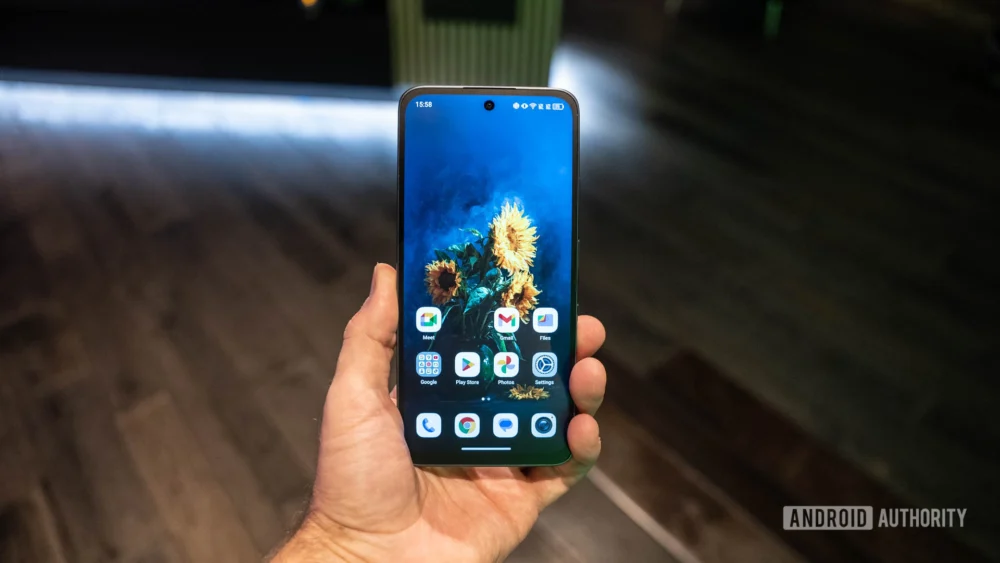
The relentless march of mobile technology has primarily focused on maximizing visual intensity: higher resolutions, blinding peak brightness, and refresh rates that push the boundaries of human perception. Consumers have become accustomed to, and perhaps even dependent upon, the slick, mirror-like surfaces of modern AMOLED and high-end LCD panels. Yet, this pursuit of visual spectacle often comes at a hidden cost: significant eye strain during extended usage sessions. This phenomenon has created a distinct market niche for manufacturers willing to pivot away from the glossy arms race, a space where TCL has carved out a significant foothold with its proprietary NXTPAPER technology. Unveiled at the recent CES 2026 proceedings, the TCL NXTPAPER 70 Pro is not just another iteration; it represents a calculated strategic move to capture users grappling with digital fatigue, positioning itself as the premium alternative for those who prioritize ocular comfort without sacrificing core smartphone functionality.
The foundation of this new device, and indeed TCL’s entire recent hardware philosophy in this segment, rests upon the NXTPAPER 4.0 display architecture. This technology fundamentally alters the tactile and visual experience by incorporating a specialized, finely textured matte finish. Unlike traditional glossy screens that reflect ambient light directly back into the user’s eyes, causing glare and visual artifacts, the NXTPAPER surface diffuses light. This diffusion mimics the experience of reading on high-quality paper, significantly reducing eye fatigue during prolonged engagement, whether consuming long-form articles, reviewing spreadsheets, or indulging in late-night e-book sessions.
This focus on paper-like fidelity is a direct response to the burgeoning digital consumption culture. Global data consistently points to users spending an average of five to seven hours daily interacting with their primary mobile devices. For professionals, students, and dedicated readers, this screen time compounds, leading to recognized issues like digital eye strain (DES), dry eyes, and sleep cycle disruption due to excessive blue light exposure—even with software-based blue light filters active. TCL’s hardware-level solution addresses the root cause: surface reflectivity and perceived brightness instability.
The NXTPAPER 70 Pro builds directly upon the foundations established by its predecessor, the NXTPAPER 60 Ultra. That earlier model demonstrated a surprising aptitude for bridging the gap between a fully featured Android smartphone and a dedicated e-reader, a duality that many consumers secretly desire but rarely find successfully executed in a single device. The 70 Pro refines this concept, presenting a 6.9-inch panel that maintains Full High Definition (FHD+) resolution while integrating a 120Hz refresh rate—a crucial addition that ensures fluid scrolling and motion, mitigating the choppiness sometimes associated with lower-refresh e-ink alternatives. The screen size is slightly reduced from the 60 Ultra’s 7.2 inches, suggesting a refinement toward a more conventional smartphone form factor while retaining a generous viewing canvas.
From a hardware perspective, the continuity between generations is evident, suggesting TCL has optimized the core architecture rather than reinventing it. The camera system retains the impressive 50-megapixel main sensor, complete with 1.0µm pixels and Optical Image Stabilization (OIS). This is a powerful setup, particularly when considering the target demographic, which often engages in detailed document capture or photography requiring steady hands. The integration of TCL’s MuseFilm engine into the image processing pipeline signifies a commitment to leveraging computational photography to enhance the output from this capable hardware, aiming for results that stand up against mainstream flagships in standard conditions.
However, a notable shift occurs in the processing unit. Where the 60 Ultra utilized the MediaTek Dimensity 7400 chipset, the 70 Pro steps down slightly to the Dimensity 7300. While this might appear as a regression on paper, expert analysis suggests this trade-off is intentional and synergistic with the device’s primary mission. The Dimensity 7300, while perhaps marginally less potent in peak graphical benchmarks than its successor, offers superb power efficiency. In a device prioritizing extended use, maximizing battery life through chipset optimization often yields a better real-world user experience than raw processing headroom. This efficiency is supported by a substantial 5,200mAh battery, indicating TCL is targeting multi-day usage for typical users.
The hardware experience is further customized through dedicated physical controls. The return of the physical NXTPAPER button is a testament to TCL’s recognition that quick access to display modes is paramount for this user base. A simple press allows immediate toggling between standard color modes and, critically, a high-contrast monochrome setting. This monochrome mode is perhaps the most direct homage to dedicated e-readers, offering stark black-and-white rendering that eliminates the color spectrum distractions, further reducing cognitive load during intensive reading.
Perhaps the most sophisticated technical feature highlighted in the reveal is the implementation of advanced anti-flicker technology. While most modern displays modulate brightness using Pulse Width Modulation (PWM) at high frequencies, these modulations can still cause imperceptible flicker that contributes to eye strain over hours. TCL’s solution appears to address this at a deeper level, ensuring not only comfortable viewing but also pristine capture fidelity. The assurance that screen recordings captured by secondary devices remain smooth and free of strobing artifacts speaks to a meticulous calibration of the display’s backlight or pixel driving signals—a detail that appeals to content creators who utilize their phones for screen capture tutorials or demonstrations.
Furthermore, the NXTPAPER 70 Pro embraces productivity and creative input through continued support for the T-Pen active stylus. Although sold separately, the native support integrates the device into workflows requiring annotation, sketching, or precise navigation. This transforms the device from a mere consumption portal into a viable creation tool, broadening its appeal beyond strictly leisure reading into academic and light professional use cases. Complementing this hardware readiness is sophisticated software, including an AI-powered translation engine capable of handling real-time conversational translation—a feature increasingly vital in a globally connected workforce.

The positioning of the NXTPAPER 70 Pro within the competitive landscape reveals a strategic bifurcation of the mid-range market. While competitors focus on processor benchmarks or camera megapixel counts in the ~$400 segment, TCL is targeting a quantifiable user pain point: visual wellness. This differentiation strategy is compelling. Instead of competing head-to-head on metrics where they might be undersized (e.g., extreme zoom capabilities or highest-end gaming performance), TCL is establishing dominance in the "comfort computing" category.
Industry Implications and Expert Analysis
The continued investment in NXTPAPER technology signals a potentially significant long-term shift in display philosophy across the broader mobile industry. For years, the mantra has been "brighter and faster." TCL is challenging this paradigm by suggesting that "gentler and more natural" offers superior sustained utility. If the 70 Pro achieves market success proportional to the positive feedback garnered by the 60 Ultra, it validates the hypothesis that a substantial segment of the market is willing to pay a premium—or at least choose a viable alternative—to escape the harshness of conventional glossy screens.
From an optical engineering perspective, achieving the matte effect without sacrificing sharpness or color accuracy (even in color modes) is non-trivial. Matte finishes inherently introduce micro-scattering of light, which can degrade perceived contrast and edge definition. TCL’s success lies in managing this trade-off, likely through advanced layering techniques and optimized pixel structure, allowing the 120Hz panel to deliver the necessary responsiveness while maintaining the diffused light quality. This suggests significant intellectual property development in display materials science, which could eventually influence TCL’s broader display manufacturing operations, perhaps even benefiting their high-end television lines with enhanced anti-glare properties.
The inclusion of the Dimensity 7300, while appearing conservative, underscores a crucial industry trend: the maturation of the mid-range chipset ecosystem. Modern mid-range silicon is now capable of handling all but the most demanding 3D gaming applications, making high-end processing power an exercise in diminishing returns for the average user whose primary tasks involve web browsing, streaming, and communication. By selecting a highly efficient chip, TCL optimizes the total cost of ownership and enhances the battery endurance, key metrics for users seeking reliability over raw speed.
Future Impact and Trends
The NXTPAPER line’s trajectory is an indicator of where digital device interaction may head. If consumer awareness regarding blue light exposure and long-term digital strain continues to rise—driven by health advocacy and regulatory scrutiny—hardware solutions like TCL’s will move from niche innovations to mainstream requirements. We might anticipate seeing competitors attempt to license similar diffused-light display technology or develop proprietary coatings.
The integration of stylus support alongside superior reading comfort positions the 70 Pro as a potential disruptor in the education technology (EdTech) space. Students burdened by heavy textbooks and laptops could find an all-in-one solution in the 70 Pro: a device light enough for daily carry, comfortable enough for hours of note-taking and reading assignments, and powerful enough for standard productivity suites.
The pricing structure announced—€339 (approximately $400) for the 8GB/256GB model and €389 (approximately $455) for the 8GB/512GB variant—places the NXTPAPER 70 Pro squarely in the highly competitive upper-mid-range segment. This aggressive pricing, coupled with its unique value proposition, is designed to attract discerning consumers who are currently forced to choose between an excellent phone and a comfortable e-reader. The 70 Pro promises both, delivered in a single, thoughtfully engineered package. With global availability, including North America, slated for the following month, the market will soon reveal the appetite for a smartphone that prioritizes the user’s long-term well-being over momentary visual flash. TCL is betting that after years of dazzling brightness, users are ready for a more pleasant, paper-like reality.