

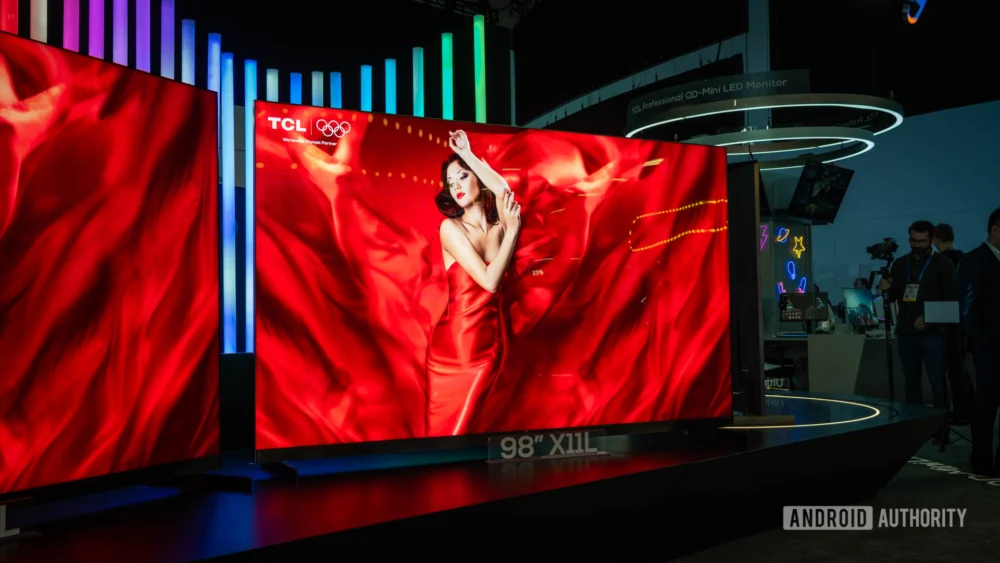
The ecosystem surrounding smart televisions is undergoing a quiet but crucial maturation process, one that often goes unnoticed by consumers until performance falters or features become obsolete. For owners of several high-tier TCL Google TV models, a significant evolutionary leap is imminent: the migration from the long-standing Android 12 platform to the more modern and feature-rich Android 14. This forthcoming firmware update, tentatively identified by internal version numbers such as 590 (or v313 in the North American market), signals a renewed commitment by TCL to extending the lifecycle and enhancing the capabilities of its current hardware portfolio, particularly those powered by the MediaTek Pentonic 700 chipset.
This transition is particularly noteworthy given the timeline. Many of the affected models—including the C8K, QM8K, C7K, QM7K, C6K, QM6K, C855, C845, QM851G, C805, QM751G, and the NXTVISION variants—represent TCL’s recent flagship and upper-midrange offerings. By pushing Android 14 onto this cohort now, TCL is strategically positioning these televisions to receive the latest foundational software features just ahead of the launch of their 2026 hardware lineup, which will inherently ship with Android 14 pre-installed. This approach mitigates the risk of creating a stark, immediate software gap between generations, a common pitfall in the fast-moving consumer electronics sector.
The Significance of the Android TV Update Cadence
Historically, the update cycle for smart TV operating systems has lagged significantly behind mobile devices. While smartphone manufacturers routinely deliver annual OS upgrades, TV manufacturers often face greater complexity due to stringent hardware compatibility testing, the integration of proprietary display processing engines, and the sheer variety of system-on-a-chip (SoC) configurations across product lines. For a brand like TCL, which has aggressively expanded its market share by offering highly competitive hardware specifications—often leveraging Mini-LED and QD-OLED technologies—maintaining software parity with the broader Android ecosystem is vital for user satisfaction and brand perception.
Android 12 on these sets, while stable, is becoming increasingly dated, lacking the underlying architectural efficiencies and cutting-edge multimedia handling introduced in subsequent versions. The move to Android 14 is not merely cosmetic; it represents a necessary modernization of the core operating environment, potentially unlocking latent hardware capabilities and improving security posture against emerging digital threats targeting networked home entertainment hubs.
Beyond the Number Change: Feature Enrichment
While the core OS migration is the headline, anecdotal reports emerging from early adopters and specialized community forums suggest that this specific firmware package is laden with substantive feature enhancements that directly address pain points for advanced users and gamers.
A primary anticipated inclusion is robust support for HDMI 2.1 Quick Media Switching (QMS). This technology is transformative for mixed-usage scenarios involving external sources like modern gaming consoles (PlayStation 5, Xbox Series X) or high-end streaming boxes. QMS is designed to eliminate the momentary black screen or signal interruption that frequently occurs when a connected device dynamically changes its output refresh rate to match the content being displayed—for instance, switching from a 60Hz menu screen to a 120Hz game or a 24fps movie. By allowing instantaneous, near-invisible switching, QMS enhances the fluidity of the user experience, reducing perceived latency and frustration during content transitions. For a TV series heavily marketed on its gaming prowess, this feature is less an enhancement and more a necessary feature parity update.
Another significant anticipated addition centers on visual processing: "Super Resolution" upscaling. This feature leverages sophisticated, often AI-driven, algorithms to intelligently reconstruct detail when displaying lower-resolution content (such as older 1080p Blu-rays or standard-definition streaming material) onto a native 4K or even 8K panel. Unlike simple linear scaling, AI upscaling attempts to infer missing pixel data based on learned patterns, potentially resulting in sharper edges, reduced artifacts, and a cleaner overall image presentation. Given that a substantial portion of consumer viewing material still resides below native 4K, the effectiveness of this on-device upscaling engine will be a key metric for user reception of the update.
Furthermore, the underlying structure of Android 14 brings generalized system improvements. This includes optimized energy management modes, which could translate into tangible power consumption reductions during idle or low-usage periods—a nod toward growing consumer and regulatory scrutiny regarding standby power. Enhanced picture-in-picture (PiP) functionality, often refined in newer Android versions to allow for more flexible window sizing and improved multi-tasking overlays, will benefit users who frequently switch between live TV, streaming apps, and external game consoles. Finally, underlying performance optimizations are expected to result in snappier navigation within the Google TV interface, addressing the occasional sluggishness that can plague even powerful smart TV platforms over time due to software bloat.
Industry Implications: The Value of Post-Sale Support
TCL’s proactive update strategy carries broader implications for the television manufacturing sector. In a market increasingly saturated with similar panel technologies, differentiation often hinges on software longevity and feature velocity. By providing a substantial, feature-rich operating system upgrade to models that are perhaps one or two years old, TCL is directly challenging the perception that TVs are disposable appliances whose peak performance window closes shortly after purchase.
This commitment to firmware servicing directly influences consumer purchasing decisions. When a manufacturer demonstrates a clear path for hardware to evolve post-sale—gaining new capabilities (like QMS) rather than just receiving security patches—it builds significant brand equity. Competitors are placed under pressure to either match this level of support or risk their own customers feeling stranded on outdated platforms, even if the underlying display hardware remains capable. This trend shifts the focus from pure panel specifications (nits, dimming zones) to the long-term value proposition of the integrated smart platform.
Expert Analysis: The Pentonic 700 and Future-Proofing
The specific targeting of models utilizing the MediaTek Pentonic 700 SoC is critical. This chipset was designed to be a powerful, flexible foundation capable of handling advanced processing loads, including high frame rate video decoding and complex AI tasks necessary for features like Super Resolution. The fact that these devices are capable of handling the jump from Android 12 to Android 14, coupled with the introduction of HDMI 2.1 features, underscores the initial design foresight by both TCL and MediaTek.
From a development standpoint, porting a major Android revision to embedded devices like TVs requires meticulous tuning of the HAL (Hardware Abstraction Layer) to ensure seamless communication between the new OS kernel and the proprietary display drivers, video processing units, and audio pathways. A successful rollout suggests that TCL’s software engineering teams have thoroughly mapped the Pentonic 700’s capabilities to the Android 14 requirements, minimizing the potential for compatibility regressions, such as color space errors or audio dropouts, which often plague early firmware updates.
Navigating the Rollout Phase
While the existence of the update file suggests imminent deployment, the final release cadence remains under TCL’s purview. The current status—where the file is available manually but not yet pushed automatically—suggests the company is likely in the final stages of its staged rollout plan. This typically involves monitoring initial deployments in controlled regions or to volunteer testers to catch any last-minute, unforeseen bugs before initiating a wide-scale OTA (Over-The-Air) distribution.
Consumers awaiting this update should maintain patience but remain vigilant. The staggered nature of these releases often depends on regional certifications, carrier approvals (though less common for TVs than mobile devices), and regional server load management. The official absence of a press release or comprehensive changelog is typical for updates that evolve from internal testing to consumer deployment, often relying on community observation until the full global release is confirmed.
The arrival of Android 14 on these existing TCL models represents a significant step toward treating high-end televisions not as static hardware purchases, but as evolving computing platforms. By enhancing connectivity standards like QMS and integrating advanced visual processing like Super Resolution via software, TCL is reinforcing the value proposition of its hardware investment for consumers looking for longevity and sustained technological relevance in their home entertainment centers. This move sets a high bar for software support expectations within the competitive smart TV landscape.