

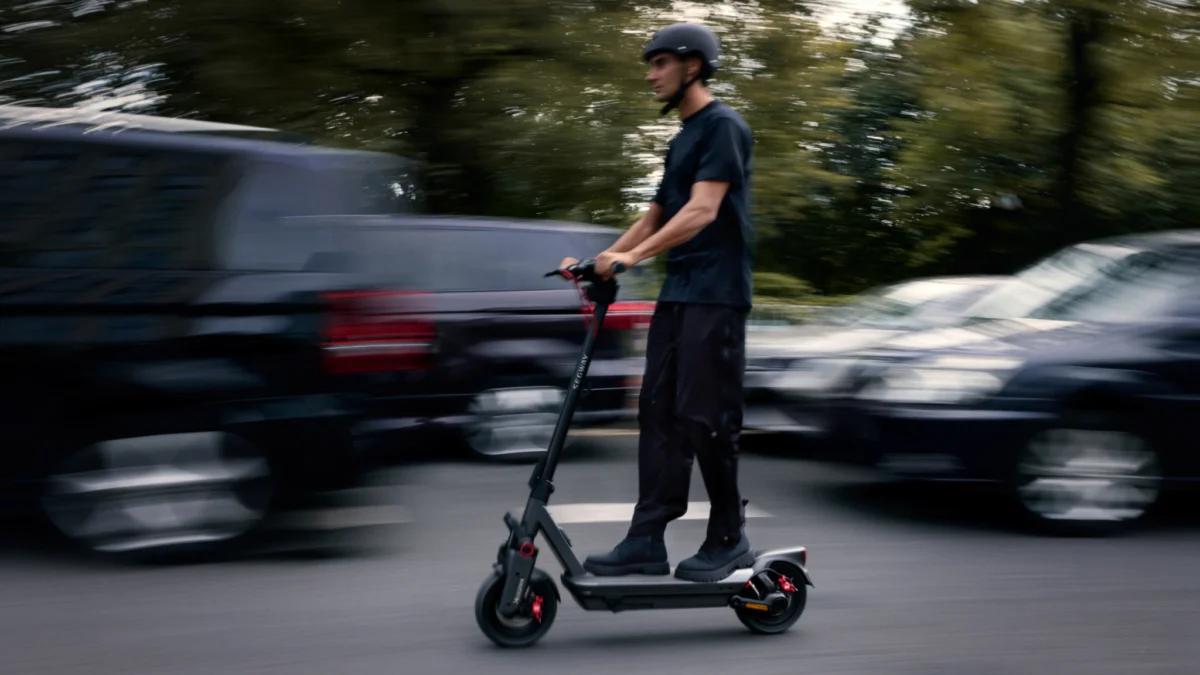
The personal electric vehicle (PEV) market has experienced a significant maturation over the past decade, shifting from niche novelty to a genuine component of urban micro-mobility solutions. Within this evolving landscape, Segway-Ninebot has consistently positioned itself as a benchmark for durability, range, and performance, particularly with its "Max" series. Historically, acquiring this level of engineering—the Segway Max G3 Electric Scooter—has required a substantial upfront investment, typically hovering around the $1,499.99 mark. However, a current promotional event presents a compelling opportunity for consumers, slashing the price by $450, bringing the premium scooter down to a more accessible $1,049.99.
This significant price adjustment is not merely a minor seasonal discount; it represents a notable recalibration of the entry point for what many industry analysts consider a segment leader in long-range personal transport. While the resulting price point of $1,049.99 still necessitates a considered purchase—it is not an impulse buy for the casual user—it drastically narrows the gap between mid-range commuter scooters and this high-specification model. The availability of this promotion across major retail platforms, including Amazon, and Segway’s official direct-to-consumer channel, suggests a strategic push to increase market penetration for their flagship commuter device.
To fully appreciate the implications of this $450 saving, one must examine the core technological offerings of the Max G3. This device is engineered not just for short hops but for genuine, sustained urban commuting, a distinction that separates it from many entry-level models often limited by battery capacity and motor strength. The G3 boasts a top speed capability of 28 mph, a figure that places it firmly in the upper echelon of legally operable electric scooters in many jurisdictions, allowing riders to maintain pace with or slightly exceed urban traffic flow in certain zones.
Crucially, the sustained performance is underpinned by a robust 597Wh battery system, yielding an officially quoted maximum range of approximately 50 miles on a single charge. In real-world testing, this figure typically translates to a reliable 35-40 miles under mixed riding conditions (including inclines and varied throttle inputs), which is sufficient for several days of typical commuting for many urban dwellers without needing to locate a power source. This range capability is a direct answer to "range anxiety," a primary barrier to the wider adoption of electric micro-mobility.
The charging infrastructure integrated into the G3 further underscores its commuter focus. While standard charging via a DC adapter is possible in about 2.5 hours, the unit incorporates an advanced, integrated fast-charging system that can replenish the battery to full capacity in approximately 3.5 hours. The significance here is twofold: the speed of replenishment minimizes downtime, and the integrated nature of the charger means riders do not need to carry cumbersome external power bricks, simplifying portability and logistics. This feature is often overlooked but becomes critically important for users relying on the scooter for daily transportation.
Beyond sheer metrics of speed and distance, the G3 integrates features designed for longevity and ride quality, elements that justify its premium positioning even at the discounted price. The adoption of 11-inch self-sealing pneumatic tires is a major engineering choice. These tires are designed not just for comfort—providing superior shock absorption compared to solid tires—but also for resilience against punctures. The self-sealing technology utilizes an internal sealant layer, mitigating the risk of flats caused by small debris, a common maintenance headache in city environments. This translates to significantly reduced operational downtime and lower long-term maintenance costs, an expert-level consideration often missed by novice buyers focused only on initial purchase price.
Durability is another pillar of the Max series reputation. The G3 is rated for an operational lifespan of over 12,427 miles. To contextualize this, as noted, this dwarfs the approximate 3,000-mile distance of a US coast-to-coast drive. This longevity suggests high-quality motor components, frame construction, and battery management systems capable of enduring tens of thousands of charge cycles and demanding physical stresses. This extended service life is a critical factor when calculating the total cost of ownership (TCO) for a commuter vehicle, suggesting that the discounted initial outlay provides access to a product with exceptional residual value and long-term reliability.
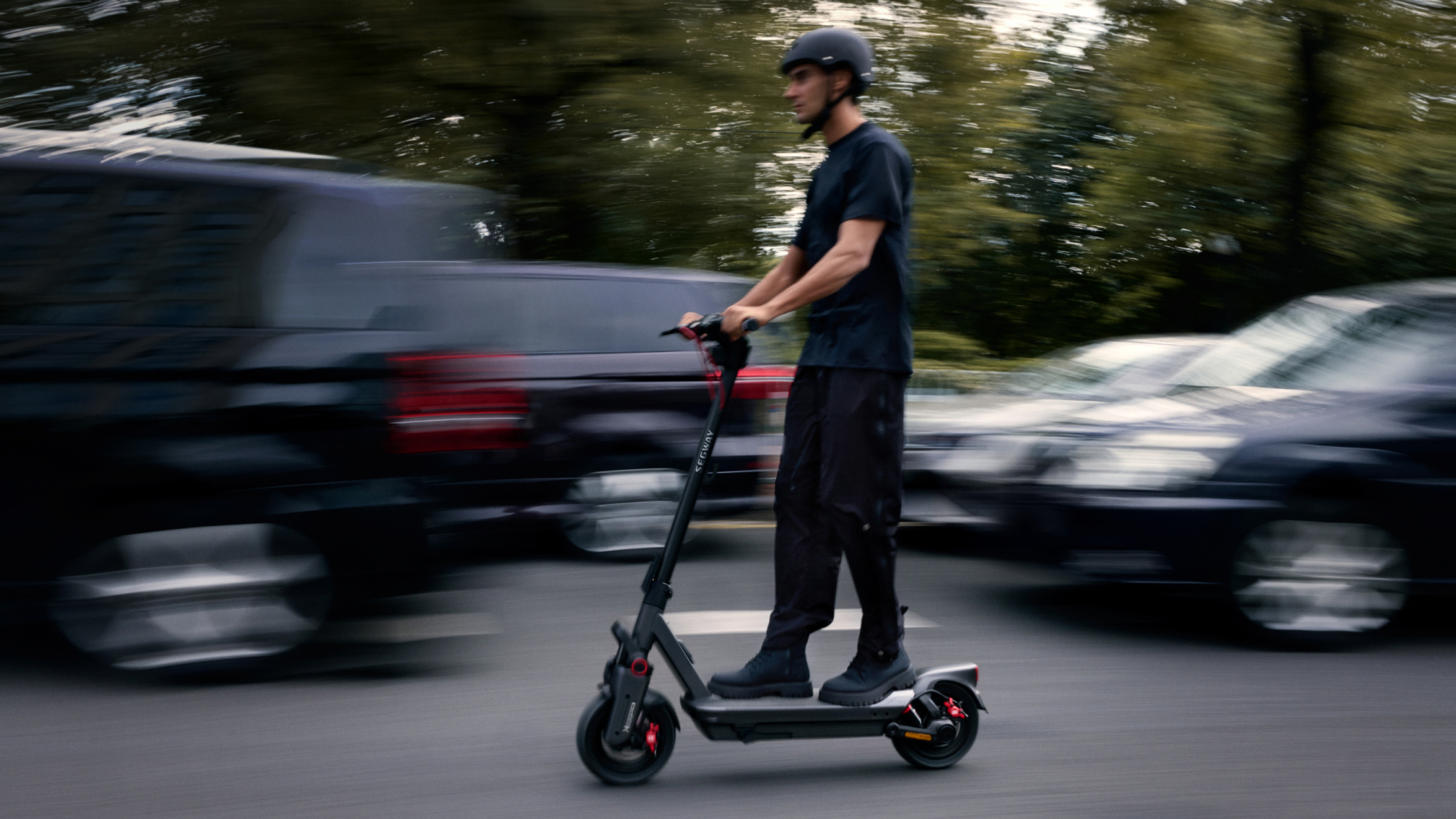
The G3 is also heavily invested in the smart connectivity trend that pervades modern personal electronics. Integration with the Apple Find My network provides a vital layer of security and asset tracking, addressing concerns about theft, which is prevalent in the scooter market. Furthermore, the onboard smart display offers more than just speed readout; it integrates turn-by-turn navigation, removing the need for users to constantly check a smartphone mounted precariously on the handlebars. Segway AirLock technology offers secure, app-based unlocking, functioning as a digital key system that enhances anti-theft measures and user convenience. Traction control systems further demonstrate an emphasis on safety, ensuring power delivery remains stable, particularly on slick or uneven surfaces.
The context of this promotion within the broader PEV industry is fascinating. We are witnessing a bifurcation in the scooter market. On one side are the sub-$500 models, often characterized by shorter ranges (15-20 miles), lower top speeds (under 18 mph), and lighter construction, suitable only for very short, recreational use. On the other side are the high-performance commuter models, like the G3, which bridge the gap between scooters and entry-level electric motorcycles. The steep $450 discount on the G3 temporarily shifts the value proposition, making it significantly more competitive against models that offer inferior range or less robust build quality but occupy a similar price bracket during sales events.
From an industry perspective, aggressive pricing on flagship hardware often signals one of two strategies: clearing inventory ahead of a new model release (the G4 or G5, for example) or aggressively capturing market share in anticipation of stricter local regulations that might favor more powerful, durable, and traceable devices. If regulations tighten—perhaps mandating higher minimum range or improved lighting systems—the G3’s existing specifications become an immediate advantage, insulating early adopters from necessary future upgrades.
Analyzing the technical specifications further reveals engineering choices aimed at real-world performance. The power output, while not explicitly detailed in the brief, is evidently optimized for torque delivery necessary to maintain speed on inclines. Many commuter scooters struggle significantly when encountering gradients over 10-12%, leading to rapid battery drain and speed reduction. Segway’s Max series historically employs higher-rated motors (often peaking well over 1000W bursts) to counteract this, ensuring the 28 mph cruising speed remains attainable even when climbing moderate hills. This consistent power delivery is what consumers ultimately pay for when they choose a premium commuter device over a budget alternative.
The future impact of such pricing events cannot be overstated for consumer behavior. When a best-in-class product becomes temporarily accessible, it sets a new, elevated expectation for what consumers anticipate receiving for their money. A buyer who experiences the 50-mile range and 11-inch tire comfort of the G3 may be less willing to downgrade for future purchases, effectively raising the bar for the entire segment. Competitors will be forced to respond, either by matching feature sets at lower prices or by introducing disruptive technologies that justify a higher premium.
Furthermore, the focus on smart integration and longevity points toward the long-term convergence of PEVs with the broader Internet of Things (IoT) ecosystem. The Apple Find My integration is a precursor to more comprehensive fleet management features, potentially allowing users to share access via digital keys or integrate scooter diagnostics directly into broader smart home or vehicle dashboards. The lifespan rating of over 12,000 miles suggests that manufacturers are now designing these vehicles with multi-year, high-mileage usage cycles in mind, moving away from the perception of scooters as disposable gadgets.
For the consumer making the $1,049.99 purchase, the value proposition is clear: securing high-end, proven commuter technology at a cost usually reserved for its slightly less capable predecessors or entry-level competitors. This particular sale event transcends simple retail promotion; it serves as a temporary market accelerator, democratizing access to top-tier urban micro-mobility engineering. Riders investing now gain access to robust performance, superior safety features, and market-leading range, all packaged within a durable chassis designed for thousands of miles of daily utility. This opportunity warrants serious consideration for anyone looking to replace short car trips or public transport segments with a reliable, high-performance electric alternative. The integration of features like built-in fast charging and advanced tracking solidifies the G3’s position as a mature transportation tool rather than an emerging accessory. The long-term service rating alone suggests this is an investment in dependable personal transit infrastructure.