

The evolution of digital distribution has fundamentally altered the cadence of film consumption, transforming the traditional "theatrical-first" model into a complex ecosystem where legacy classics, indie darlings, and high-budget sequels coexist on a single interface. As the mid-winter chill settles in, the curation of home cinema becomes an essential exercise in navigating this vast sea of content. For the modern viewer, the current offerings on major platforms like Netflix represent more than just a list of titles; they reflect a strategic intersection of licensing deals, auteur-driven projects, and the resurgence of dormant franchises. This week, five specific films stand out, not merely for their entertainment value, but for what they represent in the broader context of cinematic history and the future of the industry.
The resurrection of a genre-defining franchise is perhaps most evident in the arrival of 28 Years Later (2025). Directed by Danny Boyle and written by Alex Garland, the duo responsible for the original 2002 masterpiece 28 Days Later, this entry serves as a fascinating case study in "legacy sequels." The film arrives at a time when the zombie sub-genre had arguably reached a point of saturation. However, Boyle and Garland’s return to this post-apocalyptic vision eschews the tropes of the "walking dead" in favor of the visceral, kinetic energy of the "infected." From a technical perspective, 28 Years Later is a marvel of modern digital cinematography, famously utilizing high-end mobile technology—specifically modified iPhone 15 Pro Max systems—to capture a raw, immediate aesthetic that mirrors the low-budget, gritty digital look of the original film’s Canon XL-1 DV cameras.
The industry implications of this film are twofold. First, it tests the audience’s appetite for long-gestating sequels in an era of rapid-fire content cycles. Second, it serves as a crucial narrative bridge to the upcoming 28 Years Later: The Bone Temple, signaling a shift toward multi-part cinematic events that bridge the gap between theatrical exclusivity and streaming accessibility. While initial reviews were polarized regarding its pacing, the film’s atmospheric dread and philosophical questioning of societal collapse remain top-tier, making it an essential watch for those tracking the trajectory of high-concept horror.
Contrasting this modern grit is a pillar of cinematic history: 007: Goldfinger (1964). Widely regarded by film historians and critics as the definitive James Bond experience, Goldfinger is the moment where the franchise’s DNA was crystallized. Before this third entry, the Bond series was still finding its footing as a spy procedural. With Goldfinger, the introduction of the Aston Martin DB5, the elaborate pre-title sequence, and the larger-than-life villainous plot set a template that would be followed for the next six decades. Sean Connery’s performance here is peak Bond—charismatic, ruthless, and impeccably tailored.
The inclusion of Goldfinger in a modern streaming catalog highlights the enduring value of "library content." In the current streaming wars, the ability to offer foundational blockbuster history is a key differentiator for platforms. Furthermore, the film’s Academy Award for Best Sound Editing serves as a reminder of the technical craftsmanship that went into 1960s filmmaking, long before digital augmentation was a possibility. For the tech-savvy viewer, revisiting Goldfinger in a high-bitrate stream offers a chance to appreciate the vibrant Technicolor palette and the intricate set designs of Ken Adam, which continue to influence the visual language of the action genre today.
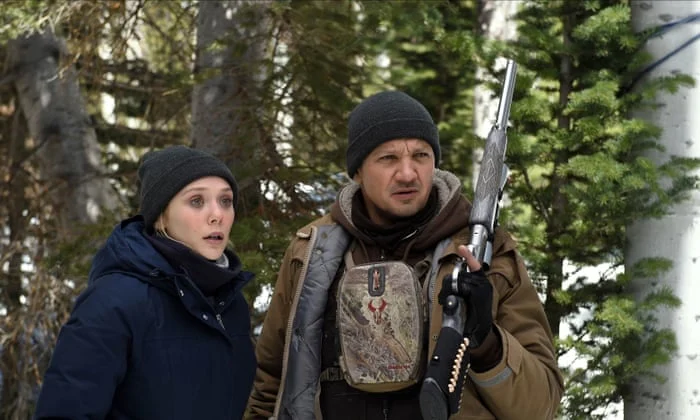
Transitioning from global espionage to the stark, frozen landscapes of the American West, Wind River (2017) remains one of the most poignant examples of the "Neo-Western" revival. Written and directed by Taylor Sheridan, the film is the final installment in his unofficial "frontier trilogy," which includes Sicario and Hell or High Water. Starring Jeremy Renner and Elizabeth Olsen, Wind River is a masterclass in tension and social realism. It tackles the harrowing and often overlooked crisis of Missing and Murdered Indigenous Women (MMIW) on reservations.

The analysis of Wind River often centers on its tonal consistency—a somber, methodical investigation that explodes into one of the most intense tactical standoffs in recent memory. Beyond its narrative merits, the film is a significant milestone in Taylor Sheridan’s career, serving as the launchpad for his current dominance of the television landscape with hits like Yellowstone. It showcases a director who understands the power of location as a character, utilizing the unforgiving Wyoming winter to mirror the internal struggles of its protagonists. As the industry moves toward more socially conscious storytelling, Wind River stands as a blueprint for how to balance a gripping thriller with a profound moral message.
In a sharp turn toward the sun-drenched, nostalgic haze of 1970s California, Paul Thomas Anderson’s Licorice Pizza (2021) offers a different kind of technical and narrative brilliance. Anderson, a filmmaker known for his meticulous attention to period detail and his preference for shooting on film, creates a coming-of-age story that feels both lived-in and dreamlike. The film’s leads, Alana Haim and Cooper Hoffman, deliver performances that are remarkably naturalistic, a testament to Anderson’s ability to draw greatness from non-traditional actors and newcomers alike.
Licorice Pizza is a significant title in the context of the "auteur era" of streaming. As major studios become increasingly risk-averse, focusing primarily on established intellectual property, platforms like Netflix provide a vital secondary home for these high-caliber, mid-budget dramas. The film’s exploration of the 1973 oil crisis and the shifting dynamics of the entertainment industry provides a rich historical backdrop for its central relationship. From a journalist’s perspective, the film’s nomination for Best Picture at the Academy Awards marked a symbolic return for MGM, proving that character-driven stories still hold significant cultural capital in a market dominated by spectacles.
Finally, the list is rounded out by a work of profound emotional weight and artistic mastery: Isao Takahata’s Grave of the Fireflies (1988). As a product of Studio Ghibli, the film is often associated with the whimsical animation of Hayao Miyazaki, yet Takahata’s vision is starkly different. This is not a film for children; it is a devastating, unflinching look at the human cost of World War II through the eyes of two orphans. It is frequently cited as one of the greatest war films ever made, regardless of the medium.
The presence of Grave of the Fireflies on a global streaming platform is a victory for the preservation of international cinema. The film’s hand-drawn animation captures a level of nuance and emotion that CGI often struggles to replicate. In an industry where animation is frequently relegated to the "family" category, this film stands as a rigorous defense of animation as a serious art form capable of tackling the darkest aspects of the human condition. For viewers, it is a reminder that the most powerful stories are often the most difficult to witness, requiring a level of empathy and historical reflection that is rare in contemporary blockbusters.
Looking ahead, the inclusion of these five disparate titles—ranging from 1964 to 2025—points to a future where "streaming" is no longer a monolith but a curated museum of human experience. We are seeing a trend where the "windowing" of content is becoming more fluid; a film might start in a prestigious festival, move to a limited theatrical run, and then find its true, long-term audience on a digital platform. This democratization of access means that a masterpiece from 1988 can be discovered by a teenager in 2024 with the same ease as a brand-new release.
The future impact of these distribution trends will likely lead to a more fragmented but specialized viewing habit. As algorithms become more sophisticated, the challenge for platforms will be to ensure that "human" curation—the kind that identifies the link between a 60s spy thriller and a modern neo-Western—remains at the forefront. The films highlighted this week are more than just a way to pass the time during a cold January; they are markers of where we have been as a culture and where we are going as an audience. Whether it is the technical innovation of 28 Years Later or the historical gravitas of Grave of the Fireflies, these movies demand our attention, offering a depth of experience that transcends the convenience of the "play" button.