

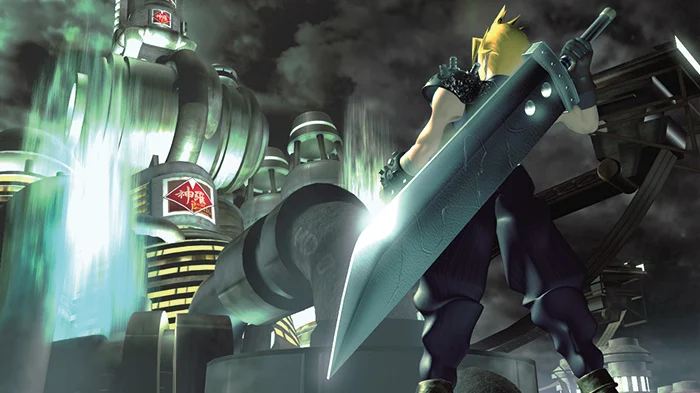
The landscape of classic gaming preservation and modernization has been jolted by a quiet yet significant announcement from Square Enix regarding its most storied title. In a move that signals a transition toward platform parity and modern accessibility, the publisher has confirmed it will soon replace the existing Steam version of the original 1997 Final Fantasy VII with a "new version." While the company has remained characteristically enigmatic regarding the specific technical specifications and the exact transition date, the move marks the end of an era for the "2013 Edition" that has served as the definitive PC version for over a decade. This update is not merely a routine patch but a structural replacement that carries profound implications for the modding community, the preservation of the game’s legacy, and Square Enix’s broader strategy for its "Final Fantasy VII Universe."
To understand the weight of this change, one must look back at the convoluted history of Final Fantasy VII on personal computers. The original PC port, released in 1998 by Eidos, was notorious for its technical shortcomings, including a MIDI-based soundtrack that paled in comparison to the PlayStation’s original audio and compatibility issues with then-emerging graphics accelerators. When Square Enix returned to the PC market in 2012 via its own store, and later in 2013 via Steam, it offered a version that addressed some of these issues but introduced new hurdles, such as an always-online DRM requirement and a "Character Booster" that many purists felt trivialized the gameplay. Despite these flaws, the 2013 Steam version became the bedrock for a massive, sophisticated modding ecosystem. Through tools like the 7th Heaven mod manager, fans have spent years injecting high-definition textures, fully voiced dialogue, orchestrated soundtracks, and reworked gameplay mechanics into the aging title.
The "new version" currently looming on the horizon is widely speculated to be a port of the "Windows PC Edition" that has existed on the Microsoft Store and Xbox ecosystem for several years. If this speculation holds true, the Steam version will finally achieve parity with modern console ports. This version natively includes several "Quality of Life" (QoL) features that have become standard in Square Enix’s recent "HD Remaster" efforts. These include a 3x speed mode to accelerate traversal and grinding, the ability to toggle random battle encounters off entirely, and a "battle enhancement" mode that grants players infinite health and limit breaks. Perhaps most importantly for international audiences, this version typically includes native Japanese language support, a feature curiously absent from the 2013 Steam release.
From a user experience perspective, these additions are undeniably beneficial for casual players or those looking to revisit the narrative of Cloud Strife without the friction of 1990s-era pacing. However, for the hardcore enthusiast, the transition is fraught with anxiety. The primary concern lies in modding compatibility. The 2013 version is a Win32 application, a format that is highly accessible to hobbyist programmers. The version found on the Microsoft Store is often built on a different framework that can be more restrictive, potentially breaking compatibility with a decade’s worth of fan-made content. If the new Steam version follows this architecture, the community may find itself at a crossroads, forced to choose between the modernized official features and the deep customization of the legacy version. This has led to an urgent call within the community for fans to purchase and back up the 2013 Edition before it is delisted and replaced.
This move by Square Enix is not an isolated event but part of a larger, more aggressive push to unify the Final Fantasy VII brand across all modern hardware. The timing is particularly noteworthy given the recent hardware developments in the handheld space. The industry has been abuzz with the launch of the Nintendo Switch 2, and Square Enix has wasted no time in populating the new platform with its crown jewels. The release of Final Fantasy VII Remake Intergrade on the Switch 2 earlier this month represents a major technical milestone. For years, the original Switch’s aging Tegra X1 chip was deemed insufficient to handle the Unreal Engine 4-powered Remake without significant compromises. The successful port of Intergrade to the Switch 2 suggests that Nintendo’s new hardware possesses the graphical horsepower and modern features—likely including DLSS-style upscaling—to deliver a high-fidelity experience on the go.

The momentum continues with reports that Final Fantasy VII Rebirth, the second chapter in the ambitious remake trilogy, is slated for a Switch 2 release later this year. This rapid-fire deployment of the "RE" trilogy to Nintendo’s platform indicates a shift in Square Enix’s philosophy. After years of PlayStation exclusivity for the Remake series, the publisher is clearly pivoting toward a multiplatform approach to maximize the reach of its most expensive productions. By updating the original 1997 game on Steam and simultaneously pushing the Remake trilogy onto Nintendo’s new handheld, Square Enix is ensuring that the entire saga—from its 32-bit origins to its modern cinematic reinvention—is available and optimized for the current generation of gamers.
Expert analysis suggests that this strategy is also a defensive maneuver against "version fragmentation." Having multiple, disparate versions of the same game across Steam, Xbox, PlayStation, and Nintendo Switch creates a headache for customer support and future development. By standardizing the "Original" version of Final Fantasy VII across all platforms to match the current console ports, Square Enix can maintain a single codebase. This makes it easier to push future updates, ensure compatibility with new operating systems, and manage digital distribution rights. It is a corporate "tidying up" of a digital legacy that has grown messy over the span of 27 years.
However, the industry must also consider the implications for digital preservation. When a digital storefront replaces an old version of a game with a new one, the original iteration often becomes "lost" to time for the average consumer. While the new version may offer better features, the original code contains historical value, including specific glitches, timing windows, and aesthetic choices that define the 1997 experience. The "2013 Edition" on Steam, while not the PlayStation original, represented a specific point in the game’s evolution. Its removal highlights the fragility of digital-only libraries, where a publisher can fundamentally alter a product in a user’s library without their explicit consent.
Looking toward the future, the "new version" of Final Fantasy VII on Steam may be a harbinger of a broader remastering project. Rumors have persisted for years about a "Final Fantasy IX Remake" or similar treatments for other titles in the catalog. If Square Enix is successful in migrating the FFVII Steam audience to a newer, more controlled environment, it sets a precedent for how they will handle their other classic IPs. The goal is clearly to create a seamless ecosystem where a player can jump from the 1997 original to the 2024 Rebirth without feeling like they are stepping across a technological chasm.
For the player, the advice remains pragmatic: if you value the ability to heavily mod the original experience or if you prefer the specific technical quirks of the 2013 release, the window for securing that version is closing. Once the "new version" takes over, the 2013 Edition will likely become a relic accessible only to those who already own it or those willing to scour the secondary market for old physical keys.
In conclusion, Square Enix’s decision to refresh Final Fantasy VII on Steam is a double-edged sword. It brings much-needed modernization and feature parity to a legendary title, making it more accessible to a new generation of players who are currently enjoying the Remake series on platforms like the Switch 2. Yet, it also threatens the vibrant, grassroots culture of modding that has kept the game relevant on PC for over a decade. As the line between the original 1997 narrative and the modern remake trilogy continues to blur, Square Enix is making it clear that they intend to curate and control the Final Fantasy VII experience with a tighter grip than ever before. Whether this leads to a superior product or a sterilized version of a classic remains to be seen, but one thing is certain: the legend of Cloud Strife is being meticulously prepared for its next quarter-century of relevance.