

The impending arrival of Sony’s next iteration of true wireless earbuds, tentatively branded as the WF-1000XM6, has been officially signaled by the electronics titan, setting the stage for a crucial update in the premium audio landscape. While the numerical nomenclature employed by Sony has often been a point of minor industry contention—a legacy of incremental yet significant advancements—the functional excellence of the WF-1000XM line remains undisputed. Following the successful launch of the WF-1000XM5 in 2023, the digital whispers surrounding its successor have coalesced into concrete confirmation, with Sony unveiling a precise launch window via a cryptic, yet potent, digital announcement.
The official confirmation arrived via a concise YouTube teaser, strategically deployed to build anticipation ahead of the official unveiling. This teaser explicitly schedules the debut of the "next generation of earbuds" for February 12, 2026, at 11:00 AM Eastern Time. This timing places the launch squarely in the early part of the year, a common period for tech giants to refresh flagship hardware lines before the full swing of the spring/summer consumer electronics cycle. The teaser itself offered minimal overt details, focusing instead on atmospheric suggestion, showing what appears to be the charging case slightly ajar, hinting at the secrets held within.
The Significance of Form Factor Evolution
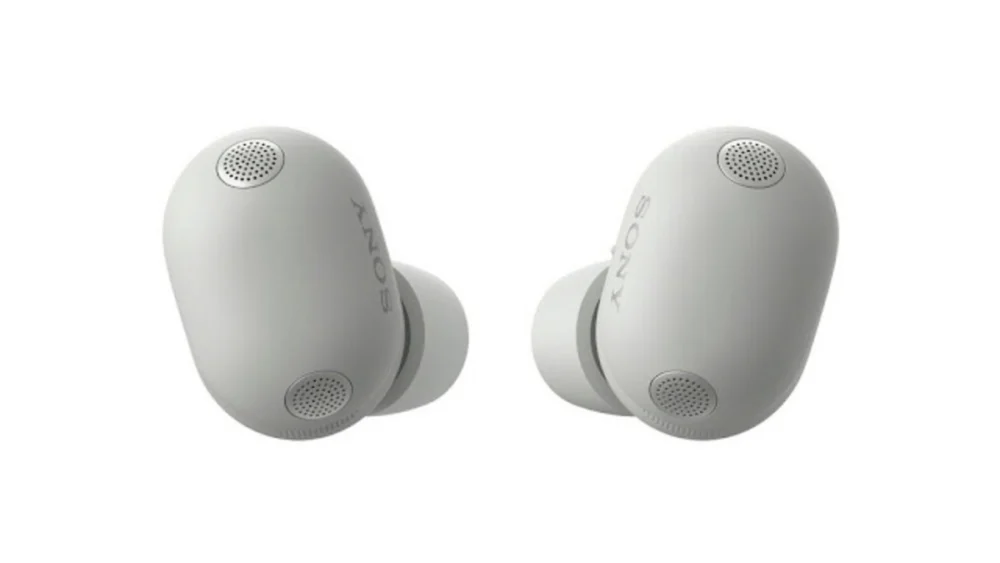
Perhaps the most compelling takeaway gleaned from pre-launch intelligence—specifically leaked renders—is the significant departure in industrial design. For years, the WF-1000XM series has been characterized by a distinct, somewhat bulky, rounded aesthetic. This design, while housing advanced acoustic technology, sometimes presented challenges concerning long-term comfort and in-ear stability for a subset of users. The emerging visual data suggests Sony is actively addressing these ergonomic concerns.
The WF-1000XM6 appears poised to embrace a more streamlined, pill-shaped profile, moving away from the expansive, circular footprint of its predecessors. This shift is not merely cosmetic; it signals a deeper commitment to user comfort and wearability, vital metrics in the fiercely competitive premium earbud market where extended listening sessions are the norm. Furthermore, the charging case itself seems to have undergone refinement, adopting a less aggressively curved silhouette and featuring a flatter base. This redesign promises improved pocketability and stability when placed on flat surfaces, a small but meaningful quality-of-life improvement for daily commuters and travelers.
Background: The Weight of the XM Legacy
To fully appreciate the importance of the XM6 announcement, one must contextualize the lineage. The WF-1000X series established the benchmark for Active Noise Cancellation (ANC) in the true wireless segment, often trading blows with Bose for the top spot in noise suppression metrics. Each generation has incrementally improved upon the core pillars: superior sound quality (often leveraging Sony’s proprietary DSEE Extreme upscaling technology), industry-leading ANC, and robust feature sets integrated through the Headphones Connect application.
The WF-1000XM5, for example, introduced smaller drivers, enhanced noise-canceling processors, and a noticeable reduction in size compared to the XM4, yet it retained the signature bulky look. The expectation for the XM6 is that Sony will not merely match the XM5’s performance—which is already exceptional—but will leverage new silicon and acoustic engineering to surpass it while simultaneously solving the persistent ergonomic hurdles that have historically been the series’ main vulnerability. The design pivot suggests this year’s focus is heavily weighted toward wearability as a core performance characteristic, rather than just sound and silence.
Industry Implications: The ANC Arms Race Continues
Sony’s move confirms that the premium audio segment remains a brutal battleground. Competitors like Apple (with its AirPods Pro line), Bose (with the QuietComfort Ultra Earbuds), and emerging players like Sennheiser are constantly pushing the boundaries of spatial audio, battery longevity, and noise cancellation efficacy.
The launch date confirmation is a strategic maneuver designed to capture market attention early in the 2026 calendar. By announcing a mid-February debut, Sony preempts potential major announcements from rivals slated for the spring CES follow-up events or MWC. It signals to retailers and consumers alike that the incumbent champion is upgrading, demanding patience from those considering purchases of current-generation hardware.
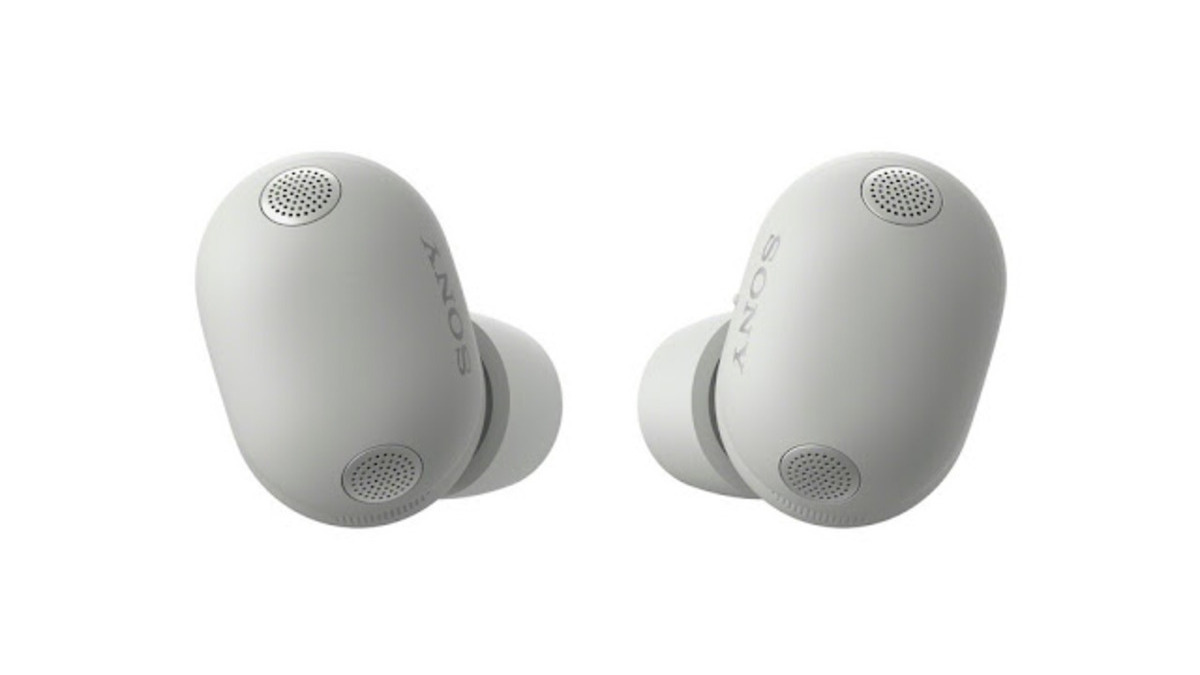
From an industry analysis perspective, the adoption of a pill-shaped design by Sony is telling. It reflects an industry-wide convergence toward designs that maximize in-ear seal and stability while minimizing the external profile—a trend popularized by models that prioritize fit. If the XM6 successfully merges best-in-class ANC with a truly comfortable, low-profile fit, it could effectively neutralize a primary competitive advantage held by other manufacturers.
Expert Analysis: Decoding Potential Specifications
While Sony remains tight-lipped on technical specifications, informed speculation based on industry trends and previous iterative improvements allows for a deeper dive into anticipated enhancements:
1. Advanced Noise Cancellation: The next leap in ANC will likely involve more sophisticated, potentially AI-driven, environmental sound profiling. Instead of simply blocking noise across broad frequency bands, the XM6 is expected to utilize enhanced processing to dynamically adjust cancellation algorithms in real-time based on the user’s movement, head orientation, and the specific acoustic signature of the environment (e.g., distinguishing between a jet engine hum and human conversation frequencies with greater precision). The integration of next-generation proprietary noise-canceling chips will be central to this.
2. Audio Codec and Driver Technology: Expect continued refinement of the drivers. The focus will likely be on achieving higher fidelity across the entire spectrum, possibly through lighter, faster-reacting diaphragm materials. Crucially, for Android users, the sustained push for higher-resolution wireless audio formats, including potential adoption or enhancement of LE Audio standards, will be key. While LDAC remains Sony’s proprietary high-res trump card, ensuring seamless, low-latency integration with evolving Bluetooth standards is paramount.
3. Durability and Build Quality: The rumored IPX4 rating, if confirmed, indicates resistance to sweat and light splashes—standard for flagship sports-capable earbuds, but perhaps slightly underwhelming if Sony aims to dominate the all-day wearable market. Analysts will be looking for confirmation of improved ingress protection, especially given the presumed redesign, which could involve new sealing methods around the redesigned housing.
4. Battery Life Metrics: Battery life remains the Achilles’ heel of high-performance ANC earbuds. Consumers now expect a minimum of 7-8 hours of playback with ANC active, plus significant reserves from the case. The XM6 will need to demonstrate either a substantial leap in native earbud longevity or a much faster top-up time, potentially leveraging advancements in battery chemistry or more efficient power management chips.
Color Palettes and Market Segmentation
The leaked color options—Black, Platinum Silver, and Sand Pink—suggest Sony is targeting a broader demographic spectrum than in previous cycles. Black and Platinum Silver cater to the traditional professional and tech enthusiast markets. However, the inclusion of Sand Pink signals a clear intention to capture users prioritizing aesthetic appeal and personalization, moving the product further into the realm of fashion accessory alongside its technical prowess. This segmentation strategy is critical for maximizing volume in a saturated market.
The Future Impact: Defining the Premium Standard
The February 12th unveiling is more than just a product launch; it is Sony attempting to re-assert its dominance in the premium audio tier. The true wireless earbud market has matured rapidly, shifting from a novelty item to an indispensable daily tool. Success in 2026 will be defined not just by who has the best ANC, but by who delivers the most seamless, integrated, and comfortable user experience across all use cases—from critical listening sessions to constant video conferencing and transit noise mitigation.
If the WF-1000XM6 delivers on the promise of its rumored ergonomic redesign coupled with expected technological advancements in noise control and audio processing, it will set the standard for flagship earbuds for the remainder of the year. The industry waits to see if this iteration will finally resolve the physical compromises that have historically accompanied Sony’s audio supremacy. The countdown to 11 AM ET on February 12th is now officially underway for audiophiles and tech analysts worldwide.