


The escalating global shortage impacting Dynamic Random-Access Memory (DRAM) has transitioned from a peripheral industry concern to a central impediment across the consumer electronics landscape. This constraint is no longer confined to high-end PC builds or niche markets; it is now acutely felt in the smartphone sector, impacting everything from flagship launches to handheld gaming devices. As supply chain constraints tighten, the near-term outlook for 2026 suggests widespread product delays, potential outright cancellations of planned models, and, inevitably, significant upward pressure on retail pricing. While the immediate prognosis is challenging for both manufacturers and consumers, historical precedent indicates that severe supply shocks often serve as powerful catalysts for innovation and strategic realignment within the technology sector. Every disruption inherently creates an aperture for disruption, prompting established paradigms to be questioned.
The prevailing narrative within the mobile industry has long been anchored to the continuous escalation of specifications—the "spec sheet wars." A higher number, particularly concerning RAM and internal storage, has often been the easiest metric for marketing departments to leverage, justifying premium pricing and perceived technological superiority. However, the current DRAM crisis fundamentally challenges this approach. Industry leaders, including some visionary figures in the mobile space, have noted that this scarcity presents a unique inflection point for brands less reliant on brute-force hardware inflation. The challenge lies not just in acknowledging this opportunity but in having the strategic agility to capitalize on it when cost pressures are already squeezing Bill of Materials (BOM) structures across the board. While companies focused on the affordable segment are arguably the most susceptible to these BOM hikes, the entire ecosystem is forced to confront the diminishing returns of simply adding more volatile memory. The critical question facing product development teams now is whether they will utilize this forced constraint to pivot toward genuinely differentiated value propositions or simply pass the increased component cost directly to the end-user, risking consumer backlash.
The Shifting Value Calculus: Beyond the RAM Tally
The fundamental decision point for any Original Equipment Manufacturer (OEM) facing this structural problem is how to allocate resources and manage consumer expectations in 2026. The two most straightforward, yet potentially damaging, responses involve either absorbing the cost increase—thereby accepting lower profit margins—or maintaining existing price points by reducing the installed RAM configuration. Both paths invite scrutiny: consumers are quick to identify price hikes for stagnant or regressed hardware, and they are equally adept at noticing when a device underperforms compared to its predecessor due to memory reduction. A passive, wait-and-see approach against competitors who may have hedged their supply better is a losing proposition in a hyper-competitive market.
If we proceed with the premise that elevated component costs, particularly for memory, are unavoidable in the next fiscal cycle, the strategic inquiry shifts: Can the budgetary headroom previously allocated to procuring larger pools of RAM be more effectively redeployed into other areas of the device that offer superior user-perceived value? This is where genuine product differentiation can be forged.
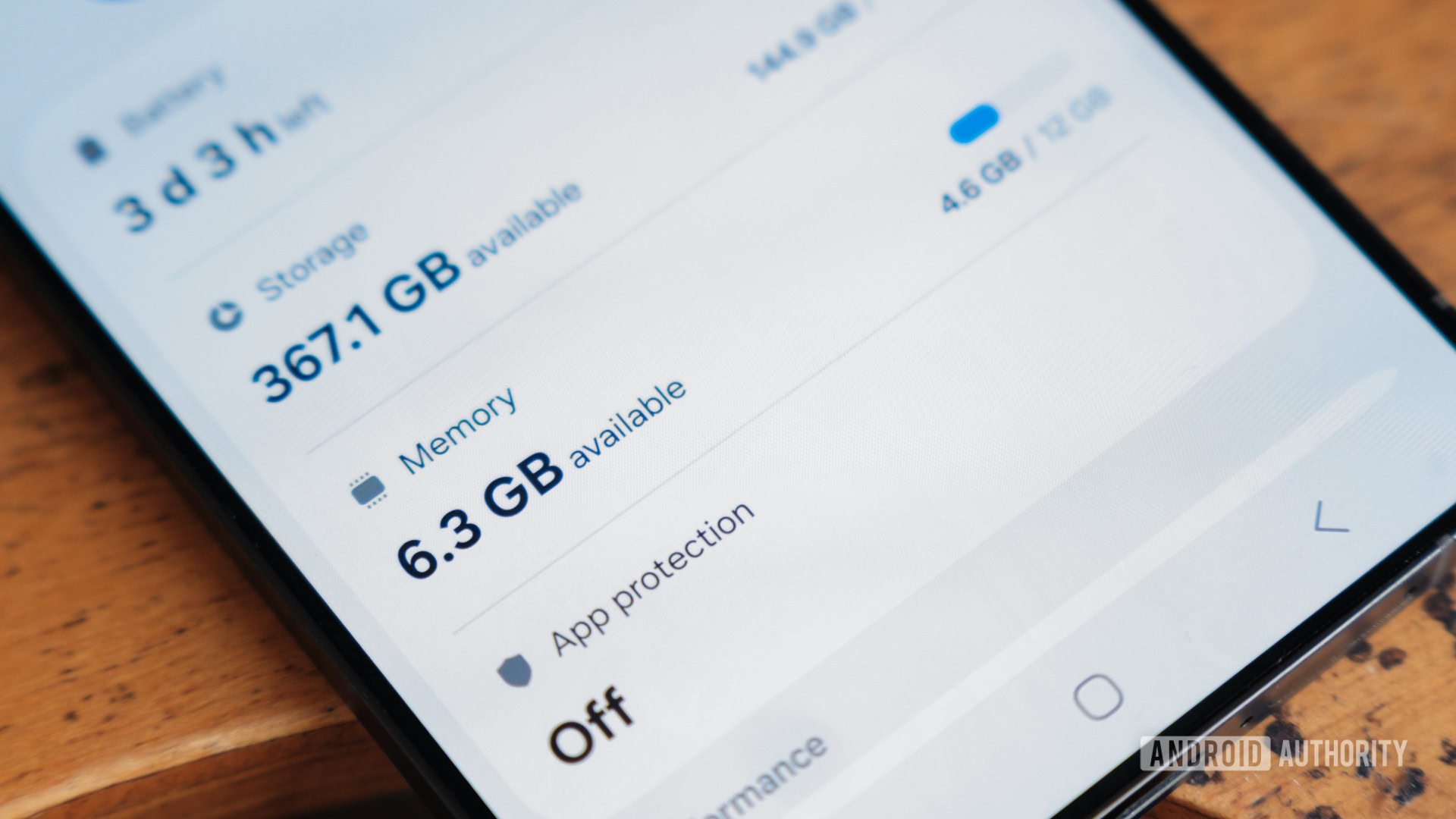
Consider the premium segment, where devices typically ship with 12GB or 16GB of LPDDR5X memory. A pragmatic response might involve scaling back the baseline configuration for the standard flagship model to 8GB—a capacity that, only a few years prior, was considered robust for high-end multitasking. The capital saved, which could be substantial given current DRAM pricing volatility, could be strategically invested elsewhere. For instance, significant investment in computational photography modules—upgrading sensor technology, improving optical stabilization, or integrating advanced periscope lenses—offers an immediately tangible benefit that resonates deeply with the modern consumer base. Photographic superiority remains a potent marketing lever, often overshadowing incremental gains in memory capacity that the average user may not perceive in daily use.
Furthermore, technological advancements in power storage present another compelling alternative. Shifting investment toward next-generation battery chemistry, such as solid-state or advanced silicon-carbon anodes, promises vastly improved energy density and longevity. A flagship phone boasting multi-day endurance or significantly faster, safer charging due to superior battery technology offers a disruptive feature that inherently dwarfs the subjective benefit of having an extra 4GB of RAM available for background processes.
For the highly competitive mid-range and upper-mid-range segments, the calculus is even more acute. These tiers often rely on incremental specification bumps to encourage upgrades. In this space, addressing longstanding functional deficits can yield significant market traction. Allocating saved memory costs toward achieving official Ingress Protection (IP) ratings (water and dust resistance) would immediately elevate the perceived quality and durability of mid-tier offerings. Similarly, investing in premium tactile experiences—utilizing more durable glass formulations, advanced metal alloys for the frame, or superior haptic feedback motors—can transform the perceived quality gradient between a mid-ranger and a true flagship.
Moreover, the opportunity exists to double down on software ecosystem differentiation. While hardware specs are under strain, innovation in proprietary software features, physical interface innovations (like customizable hardware keys), or enhanced magnetic charging standards (a proprietary MagSafe-like ecosystem) can create lock-in and utility that hardware alone cannot achieve. These tangible, daily-use features often provide far greater perceived value for a marginal price adjustment than an extra allocation of memory that remains largely underutilized by the majority of users. These alternative investments create compelling narratives that allow brands to justify pricing adjustments based on enhanced functionality rather than simply absorbing supply chain shocks.
The AI Conundrum: Can Efficiency Replace Capacity?
The entire discussion around RAM capacity is now inextricably linked to the rapid proliferation of on-device Artificial Intelligence (AI) capabilities. Large Language Models (LLMs) and generative AI features require significant working memory to execute inference tasks locally, minimizing latency and dependence on cloud processing. This trend presents a formidable counterargument to any strategy advocating for RAM reduction.
A device equipped with 12GB or 16GB of modern LPDDR5X memory can comfortably host sophisticated, localized AI models for real-time translation, advanced image processing, or complex contextual assistance. However, when constrained to 8GB—a perfectly adequate configuration for standard Android operation and light gaming—the prioritization becomes stark: does the user experience benefit more from keeping numerous apps suspended in memory, or from allocating that finite resource pool to the performance of the new, highly marketed AI features?
For manufacturers positioning their devices as "AI-first," shrinking RAM is likely a non-starter, forcing them instead to pass the higher costs onto the consumer. This entrenches a new dichotomy in the market: devices that can afford the necessary memory overhead for cutting-edge, localized AI, and those that cannot. If AI features become the primary benchmark for flagship performance, then the spec sheet wars have merely shifted their focus from raw clock speeds to memory density. For smaller or challenger brands, relying on high-end AI functionality may become prohibitively expensive, creating a widening gulf in capability between the market leaders—who can absorb the cost or pass it to consumers willing to pay for the latest tech—and the rest.

However, this challenge opens the door for crucial software engineering innovation that has been somewhat neglected during the era of cheap, plentiful memory. The necessity of making 8GB feel like 12GB forces a renewed focus on memory management efficiency. This involves creating substantially smarter application eviction policies, enforcing more stringent background process limitations for non-essential applications, and optimizing the operating system kernel to minimize its own memory footprint.
A more radical, albeit perhaps temporary, solution involves the sophisticated leveraging of virtual memory techniques, including aggressive use of swap space (often utilizing fast UFS storage). While resorting to swap space traditionally introduces noticeable latency and performance degradation, advancements in storage speed—especially with the latest UFS standards—could mitigate this effect for less demanding, background operations. While this cannot fully substitute for physical DRAM, highly optimized memory management could smooth the perceived performance gap, allowing budget-conscious devices to offer a more palatable user experience despite lower physical RAM counts. This software-driven optimization could become a defining characteristic of the next generation of efficiency-focused smartphones.
Long-Term Implications and Strategic Horizons
It is essential to contextualize the current situation within the semiconductor industry’s development cycle. Product planning for major smartphone releases, such as the hypothetical Galaxy S26 series, often locks in component sourcing and design specifications 18 to 24 months in advance. Therefore, the immediate wave of devices currently in the pipeline—those launching in the immediate future—are likely locked into pre-existing component contracts or design decisions that cannot be radically altered to sidestep the immediate spike in DRAM costs. These products will likely default to the path of least resistance: price adjustments or minor configuration downgrades.
However, devices slated for the latter half of 2026 and beyond have a longer runway to incorporate strategic changes. If the supply crunch eases by early 2027, as some optimistic market forecasts predict, waiting for the correction might be the most fiscally sound strategy. But the fragility of global supply chains suggests that such shortages can persist for years, driven by geopolitical factors, manufacturing bottlenecks in advanced nodes, or unforeseen demand spikes in related sectors like data centers or AI hardware.
If this high-cost environment persists, the industry must embrace the creative re-evaluation of value. The era of using baseline RAM as a primary differentiator may be drawing to a close, replaced by a more nuanced competition centered on tangible user benefits. Brands that successfully pivot their R&D budgets away from memory inflation and toward breakthroughs in battery technology, computational imaging, premium industrial design, or truly unique software utilities will likely be the ones that retain customer loyalty and justify their pricing structure effectively.
The potential upside, albeit viewed cynically as a side effect of a market problem, is a necessary diversification of marketing focus. For too long, the narrative has been binary: more RAM equals a better phone. A sustained period of memory cost inflation could force OEMs to articulate clearer, more feature-centric value propositions. Consumers may ultimately benefit from a market where a device with superior optics and battery life, even if it features 8GB of RAM, is perceived as a better overall investment than a competitor with 16GB but unremarkable ancillary features. While the immediate future promises price pain and strategic headaches, the long-term health of the mobile market may depend on whether manufacturers choose to innovate around the constraint or simply capitulate to the rising cost of gigabytes. The next two years will serve as a crucial stress test for corporate agility in the face of systemic component inflation.