

The nascent, yet critical, carbon dioxide removal (CDR) industry is experiencing a rapid phase of consolidation, signaled dramatically by the acquisition of Eion by the California-based startup Terradot. This merger, uniting two prominent players in the Enhanced Rock Weathering (EWR) subsector, is not merely a business transaction; it is a critical bellwether for the future structure of climate infrastructure, driven overwhelmingly by the demands of institutional-grade capital and the imperative for industrial-scale capacity. Terradot, already fortified by major investments from technology giants including Google and Microsoft, absorbs Eion’s operational expertise and geographic reach, creating a formidable entity positioned to handle the massive, long-term contracts sought by sophisticated buyers, particularly sovereign wealth funds and large corporate decarbonization mandates.
The Eion CEO, Anastasia Pavlovic Hans, reportedly indicated that the primary catalyst for the sale was the inherent limitation in scale. Large buyers are increasingly unwilling to transact with smaller, less established operators, favoring consolidated firms capable of delivering thousands, if not millions, of tons of verified carbon removal over multi-year timelines. This dynamic reinforces a fundamental principle governing the capital-intensive climate technology sector: fragmentation is anathema to institutional investment, which prioritizes reliability, standardization, and operational scope. The acquisition, therefore, is a pragmatic response to the market’s pivot toward maturity and industrialization.
Background Context: The Enhanced Rock Weathering Imperative
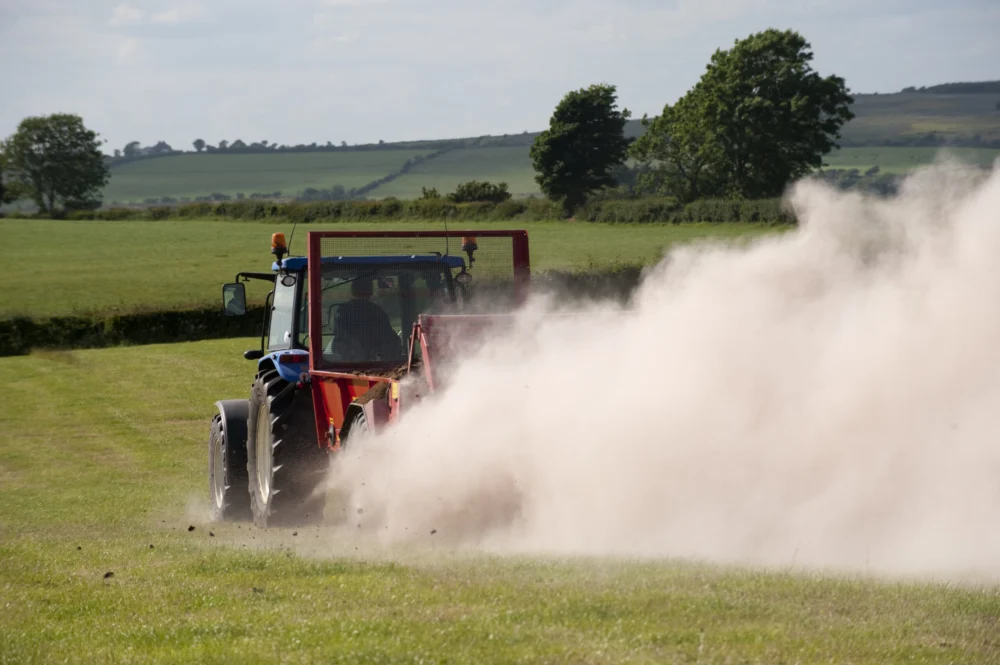
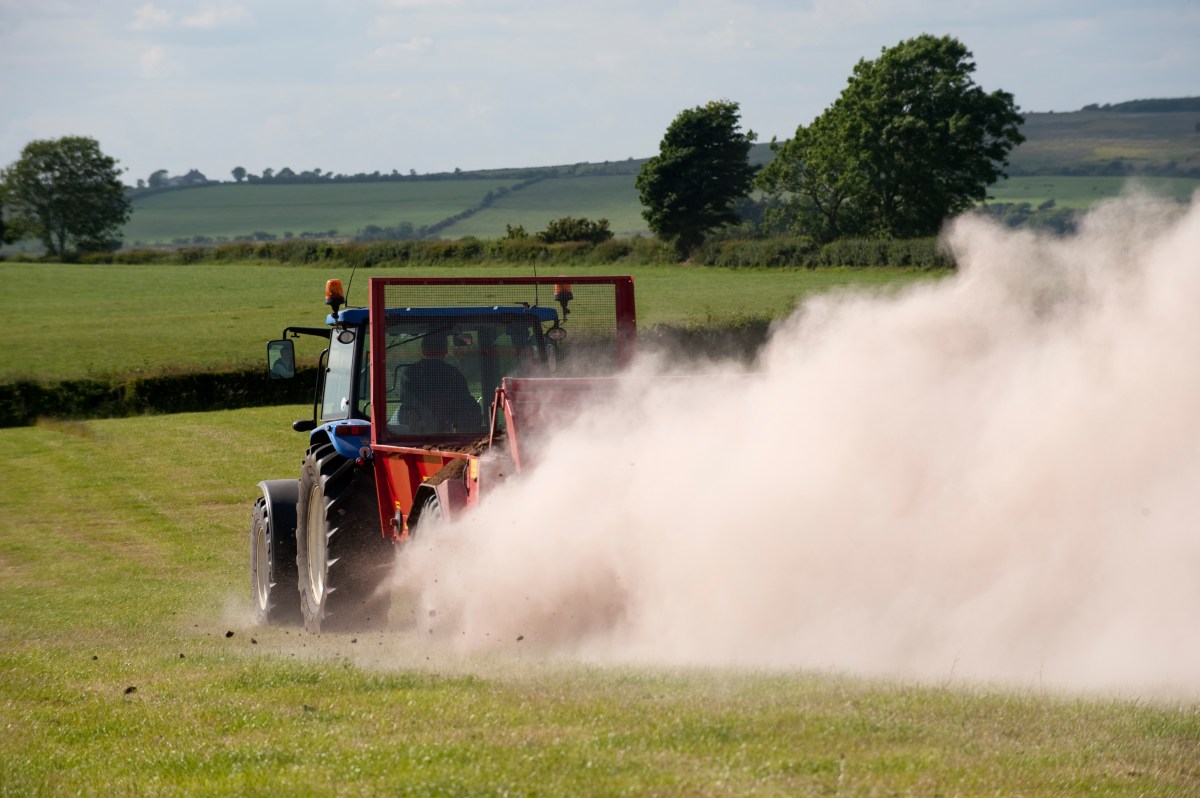
The core technology underpinning both Terradot and Eion is Enhanced Rock Weathering (EWR). This process accelerates the natural geological cycle wherein silicate minerals absorb atmospheric carbon dioxide when exposed to water and air, eventually converting the CO2 into stable bicarbonate ions that are sequestered permanently, often in ocean systems. By mining, crushing, and spreading vast quantities of finely ground rock dust—typically basalt or olivine—onto agricultural lands, EWR companies dramatically increase the surface area available for chemical reaction, speeding up a process that naturally takes millennia.
EWR has emerged as one of the most promising avenues within the portfolio of durable CDR solutions. Unlike nature-based solutions like reforestation, which face risks of reversal (wildfires, disease), or certain direct air capture (DAC) technologies that require massive energy inputs, EWR offers a path toward low-cost, permanent sequestration with potential co-benefits for soil health and crop yields by supplying essential micronutrients. Academic estimates, including research from institutions like Yale, suggest that EWR has the potential to contribute significantly to the necessary gigaton-scale carbon removal required by 2050 to meet Paris Agreement targets, often cited as one of the most economically viable methods for achieving permanent removal at scale.
However, achieving this potential requires operational scale that dwarfs current pilot and early-stage deployments. EWR demands massive logistical infrastructure: secure mineral sourcing, high-volume grinding facilities, extensive distribution networks across agricultural regions, and cooperative agreements with thousands of farmers. The sheer volume of material required—measured in millions of tons of rock annually—necessitates supply chain maturity, which small startups often struggle to finance and execute independently.
Strategic Rationale and Operational Synergy
The merger yields critical strategic advantages for Terradot, primarily through geographical expansion and mineral diversification. Prior to the acquisition, Terradot’s operational focus was predominantly centered in Brazil, utilizing basalt as its mineral feedstock. Basalt is widely favored for its high reactivity and broad availability, particularly in volcanic regions. Terradot leveraged the expansive agricultural lands and favorable climatic conditions of Brazil, where large-scale farming operations simplify the logistics of spreading material across vast areas.
Eion, conversely, had concentrated its efforts within the United States, focusing on the use of olivine. While olivine is chemically distinct from basalt, it possesses similarly favorable weathering properties. Crucially, Eion’s established relationships with U.S. farmers and its understanding of American agricultural logistics and regulatory compliance provide Terradot with an immediate, mature operational foothold in a key market where carbon credits command high prices and policy support is growing.
This synergy mitigates single-point failure risks associated with mineral supply chains. Relying exclusively on basalt or olivine, or concentrating operations in a single regulatory jurisdiction, presents significant vulnerability. By integrating both feedstocks and operating across the U.S. and Brazil—two of the world’s largest agricultural economies—the newly enlarged Terradot gains resilience against localized supply disruptions, political instability, or region-specific policy changes that could impact material sourcing or application permits.
The move also allows for the integration of intellectual property and operational best practices. The technical expertise required for optimized rock grinding (achieving the ideal particle size distribution for maximum reactivity) and precision spreading techniques is proprietary and hard-won. Combining the R&D efforts of two specialized teams accelerates the learning curve, potentially driving down marginal costs faster than either company could achieve alone.
Investor Dynamics and the Demand for De-Risked Assets
The influence of high-profile backers like Google, Microsoft, Gigascale Capital, and Kleiner Perkins on Terradot, and the presence of specialized climate funds like AgFunder and Overture on Eion’s side, highlights a pivotal shift in climate venture capital. These institutional investors are not seeking quick exits typical of traditional software venture capital; they are deploying "patient capital" aimed at building foundational infrastructure that aligns with long-term corporate net-zero commitments and government climate mandates.
For these powerful financial entities, risk mitigation is paramount. They seek to invest in assets that can absorb massive capital injections and demonstrate a clear, verifiable path to scale. Eion’s CEO articulated this pressure precisely: sophisticated buyers, especially sovereign wealth funds managing hundreds of billions in assets, need assurance that their investment in carbon credits translates reliably into verified, permanent removal. This necessitates working with large, financially stable operators who can absorb contract liability and possess the resources for rigorous Measurement, Reporting, and Verification (MRV).
This consolidation addresses the structural challenge facing the CDR market: the enduring "pricing paradox." Surveys, such as those conducted by CDR.fyi, consistently reveal a wide and persistent gap between the price EWR companies must charge to cover their high operational costs and achieve viability (often hundreds of dollars per ton of CO2) and the price that mass-market buyers are currently willing to pay. Consolidation is a mechanism to shrink this gap. By achieving economies of scale—reducing costs through bulk purchasing of mineral resources, optimizing logistics, and streamlining administrative overhead—Terradot aims to lower the long-term marginal cost of removal, making EWR credits more competitive with less durable or less verifiable removal methods.
Furthermore, the involvement of tech giants, which are themselves massive purchasers of carbon removal credits, serves as a crucial demand signal. Microsoft and Google are not just investors; they are anchor customers guaranteeing initial procurement volumes. This guaranteed demand de-risks deployment and provides the financial stability necessary for the combined entity to attract significant debt financing for infrastructure build-out—the necessary next step beyond venture capital funding.
Industry Implications: The Age of Infrastructure Builders
This acquisition marks the definitive end of the early-stage, fragmented startup environment for EWR and heralds the era of climate infrastructure builders. We are likely to see similar consolidation trends across other capital-intensive CDR sectors, such as Direct Air Capture (DAC) and bioenergy with carbon capture and storage (BECCS). The market is transitioning from valuing innovative science to valuing execution capacity and logistical prowess.
The implication for smaller, specialized climate startups is clear: they must either demonstrate rapid scalability or become strategic acquisition targets for the emerging giants. This consolidation is healthy for the overall market, as it funnels capital and talent toward fewer, better-resourced entities, accelerating the deployment schedule required to meet global climate timelines.
However, consolidation also raises questions about market diversity and technological focus. While the combined Terradot-Eion entity boasts mineral and geographical diversity, the inherent complexity of EWR’s MRV remains a critical industry-wide challenge.
Measurement, Reporting, and Verification (MRV) for EWR is notoriously difficult because the sequestration process occurs slowly within complex, biologically active soil systems. Verifying the exact rate of CO2 uptake and ensuring permanence requires sophisticated sensors, rigorous sampling protocols, and complex modeling that must account for variables like soil pH, moisture content, and microbial activity. The enlarged Terradot must now combine the MRV methodologies developed by both predecessor companies and standardize them across two continents, a monumental technical task. Success in this standardization will not only validate their own credits but could set the global benchmark for EWR accounting, a development essential for attracting truly global financial flows, such as those from the regulated compliance markets that are expected to emerge later this decade.
Future Impact and Regulatory Tailwinds
Looking ahead, the Terradot acquisition positions the company to capitalize on significant impending shifts in policy and procurement. The U.S. government, through various tax incentives and procurement mechanisms, is signaling a readiness to back domestic CDR capacity. Eion’s established U.S. base provides immediate access to these programs. Similarly, global policy is moving toward recognizing the value of permanent carbon removal. As Article 6 of the Paris Agreement is fully implemented, creating international transfer mechanisms for mitigation outcomes, highly verifiable EWR credits will be premium assets.
The future of EWR depends heavily on its ability to transition from relying on corporate voluntary markets—where pricing remains depressed—to accessing institutional, regulated, and government procurement contracts. Terradot’s new scale is specifically designed for this transition. Sovereign funds and institutional investors, unlike individual corporate buyers, often require minimum contract sizes in the hundreds of thousands of tons per year, a threshold that Eion struggled to meet alone but which the combined entity can pursue aggressively.
We are entering a phase where the climate technology market is converging with traditional heavy industry infrastructure—mining, logistics, chemical engineering, and large-scale agricultural operations. Terradot, backed by the deep pockets of the world’s leading technology companies and their commitment to durable offsets, is strategically positioned to be one of the first truly global industrial players in this new carbon removal economy. The strategic integration of basalt and olivine, Brazil and the U.S., and two distinct sets of operational expertise marks a significant step toward making EWR a viable, gigaton-scale solution necessary for planetary climate stabilization. The signal is clear: scale is now the most valuable currency in the climate tech market.