

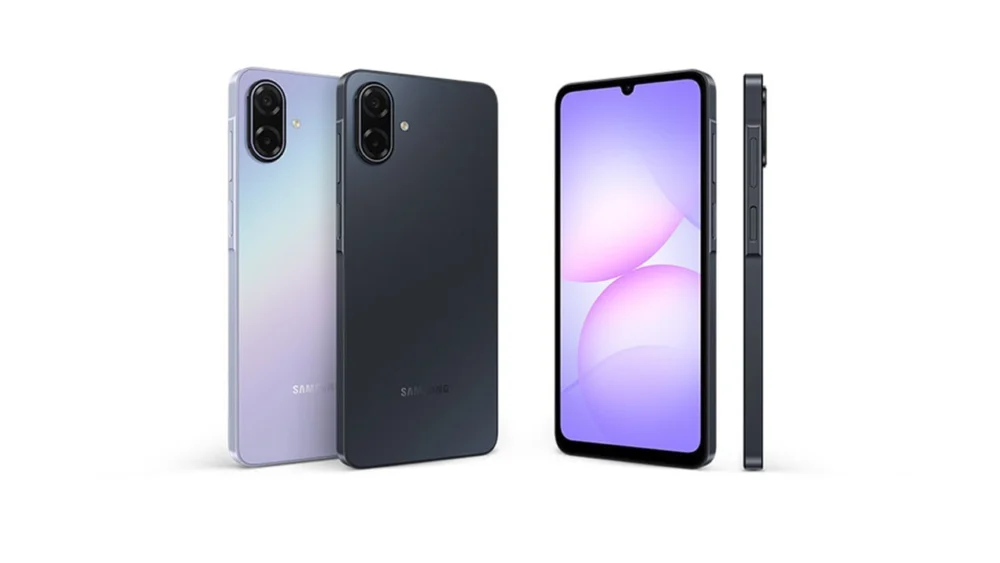
The strategic landscape of the mobile device market is undergoing a profound transformation, one dictated not by raw processing power or cutting-edge camera arrays, but by long-term software support. In a move that significantly redefines expectations for the entry-level segment, Samsung has extended its industry-leading six-year update policy down to its most budget-conscious 5G offering, the newly unveiled Galaxy A07 5G. This decision ripples outward, signaling a major shift in how consumers value longevity over initial feature parity, particularly in markets where budget constraints heavily influence purchasing decisions.
The context for this aggressive support strategy is crucial. While Samsung’s flagship Galaxy S series has garnered attention for matching, and in some instances exceeding, the longevity promises of its top-tier competitors, applying this same commitment to the "A0x" series—the foundation of Samsung’s high-volume, low-margin business—is a genuine escalation. Historically, manufacturers have relegated budget devices to minimal support lifecycles, often providing just one or two major OS updates and perhaps three years of security patches, if that. This created a predictable, rapid obsolescence cycle for cost-sensitive consumers. The A07 5G, launching currently with One UI 8 layered atop Android 16, is now earmarked for continued operation through Android 22. This commitment far outstrips the support schedules offered by many mid-range competitors, and notably surpasses the initial promises for some devices positioned significantly higher in the pecking order from other brands.
This strategic deployment of long-term support appears to be filling a perceived gap in Samsung’s release cadence. Reports suggest that the anticipated launch window for the next Galaxy S flagship—the S26—has been unexpectedly shifted by approximately one month due to internal adjustments. Rather than leaving a noticeable void in their product portfolio, particularly in crucial emerging markets, Samsung is leveraging its high-volume A-series to maintain market presence and consumer engagement. The Galaxy A07 5G, positioned as the brand’s most affordable gateway to 5G connectivity, is now being utilized as a proving ground for this extended support commitment.
Incremental Hardware Upgrades Meet Monumental Software Value
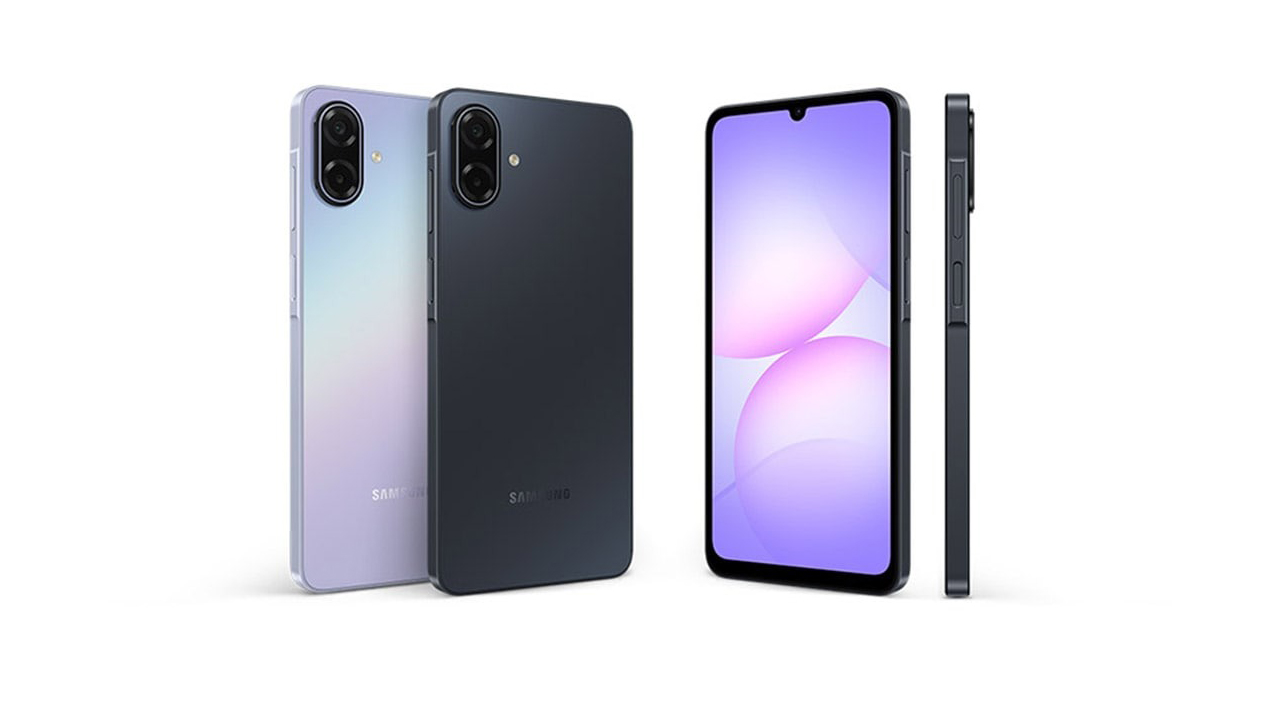
While the software promise is revolutionary for this tier, the hardware specifications represent a series of sensible, iterative upgrades over its predecessor, the Galaxy A06 5G. Visually, the devices are near-identical, maintaining a familiar aesthetic. However, under the hood and on the surface, several key areas have seen refinement.
The most tangible user-facing improvement resides in the display technology. The 6.7-inch IPS LCD panel, which retains the familiar U-shaped notch—a design element that continues to be phased out in premium segments—now boasts a 120Hz refresh rate. This is a notable step up from the 90Hz offered by the A06 5G, promising smoother scrolling and a more responsive general user experience. Furthermore, Samsung claims this panel can achieve 800 nits of peak brightness in high brightness mode, a necessary improvement for legibility in diverse outdoor environments.
Internally, the core processing unit remains the MediaTek Dimensity 6300, a chipset known for balancing adequate 5G performance with cost efficiency. Memory configurations persist with 4GB and 6GB RAM options, though the entry-level 64GB storage tier seems to have been retired, consolidating offerings around a base of 128GB. This storage bump, coupled with continued support for microSD expansion up to 2TB, addresses a common pain point in budget devices: running out of space for essential applications and media. The substantial 6,000 mAh battery capacity remains constant, as does the support for 25W wired charging, ensuring robust endurance that complements the long software lifespan.
A subtle aesthetic revision includes a sleeker side frame profile and the introduction of a more vibrant light purple color option. Even the rear camera module, while housing sensors identical to the previous iteration—including the primary 50MP shooter—features a redesigned surrounding island, offering a fresh visual cue to the A07 generation.
Industry Implications: The Devaluation of Rapid Obsolescence
Samsung’s decision to embed a six-year support window into its cheapest 5G device carries significant implications for the broader smartphone industry, particularly for Android manufacturers competing in the sub-$300 segment.
1. Elevating the Floor for Consumer Expectations: When a market leader anchors its lowest-priced 5G phone to such a high standard of longevity, it effectively raises the "floor" of consumer expectation across the board. Consumers in developing and price-sensitive markets, who might previously have viewed a budget phone as a two-to-three-year proposition, will now demand greater return on investment. Competitors relying on shorter update cycles to incentivize faster trade-ins or upgrades will find their value propositions weakened.
2. Security and Ecosystem Integrity: Longer software support translates directly into enhanced security for users who hold onto their devices longer. For Samsung, maintaining security patches on these high-volume devices keeps a massive installed base protected against vulnerabilities, which benefits the overall health of the Android ecosystem and reduces the burden on customer support channels dealing with compromised, outdated devices.
3. The True Cost of Ownership: By extending the viable operational life of the A07 5G to potentially six years, Samsung is drastically lowering the Total Cost of Ownership (TCO) for consumers. A $175 to $190 device (based on initial Southeast Asian pricing) that remains secure and functional for six years offers superior long-term value compared to a $250 phone supported for only three years. This shift forces rivals to compete on factors beyond just the upfront sticker price.
Expert Analysis: The Economics of Longevity
From an operational standpoint, extending support to the A0x series presents a fascinating economic challenge. Supporting a high-end device like the S-series is relatively straightforward; the development costs for new OS versions are absorbed by premium margins, and the feature sets often transition cleanly. However, applying this complexity to the A0x line, which often utilizes more varied and legacy hardware components across different regions, requires meticulous engineering and rigorous quality assurance across a broader matrix of chipsets and regional variants.
The consistent use of the Dimensity 6300 processor in the A07 5G simplifies this to some degree, as fewer unique hardware drivers need maintenance over the extended period. Yet, the commitment to six years suggests Samsung is confident in its standardized update pipeline for its Exynos and preferred MediaTek partners. This is a calculated risk: the upfront engineering cost is higher, but the payoff is market dominance through customer retention and brand loyalty.
Furthermore, this move preempts potential regulatory pressure, particularly in regions like the European Union, where discussions around mandatory software support minimums are gaining traction. By self-imposing these stringent standards, Samsung positions itself as a proactive industry leader rather than a reactive participant responding to legislative mandates.
Future Trajectory: The Software-First Smartphone Era
The Galaxy A07 5G’s software commitment is not merely an isolated product announcement; it is a strong indicator of the future direction of the entire smartphone industry. As hardware innovation in the mid-range and budget sectors plateaus—with incremental gains in camera sensors, charging speeds, and display refresh rates becoming less impactful year-over-year—software longevity emerges as the key differentiator.
We can anticipate several follow-on effects:
- Second-Hand Market Stability: Devices with guaranteed long-term support maintain higher residual values. This could foster a more robust and trustworthy secondary market for used Samsung devices, further aiding consumer trade-in programs.
- Carrier Strategy Alignment: Carriers that rely on subsidized upgrades will need to recalibrate their upgrade cycles if consumers perceive their budget 5G devices as capable of lasting twice as long. This may push carriers to focus incentives on services or accessories rather than purely on handset replacement frequency.
- The Erosion of the "Budget" Stigma: By offering flagship-level support on entry-level hardware, Samsung begins to dismantle the notion that budget phones are inherently disposable or temporary solutions. They become long-term investments in basic connectivity.
While the initial launch appears concentrated in select Asian markets, with availability confirmed on Samsung’s Thailand portal, the pricing structure—around $175 for the 4GB model and $190 for the 6GB—suggests a highly competitive global pricing strategy once it hits North American and European budget channels, even accounting for regional taxes and carrier negotiations. The fact that this model is already debuting on the market, potentially bridging a gap created by the delayed S26 launch, showcases Samsung’s agility in utilizing its diverse portfolio to maintain momentum. The Galaxy A07 5G, despite its familiar chassis and recycled chipset, is set to be remembered not for its specifications, but for its unprecedented commitment to user longevity at the lowest rung of the connected device ladder.