


The launch event showcasing the Samsung Galaxy S26 series and its accompanying peripherals, including the highly anticipated Galaxy Buds 4 and Buds 4 Pro, signaled more than just incremental hardware updates. While the headline specifications—enhanced acoustic fidelity, superior noise cancellation, and more natural ambient sound pass-through—are standard fare for flagship audio releases, the true significance of the new generation lies in subtle, yet fundamentally critical, design refinements. For long-term users of the preceding Galaxy Buds 3 Pro, these ergonomic and functional adjustments represent a strategic pivot by Samsung, addressing two persistent sources of user frustration that consistently plagued the previous iteration. These are not mere feature additions; they are crucial usability corrections that promise to elevate the daily experience from good to genuinely excellent.
The Context of Iterative Perfection in Wearable Audio
The wireless earbud market has matured considerably since the initial disruptions caused by early pioneers. Today, competition is fierce, driven less by achieving baseline functionality and more by perfecting the user experience (UX) across extended use cases. Samsung, a dominant player in the Android ecosystem, understands that incremental acoustic gains—while necessary for competitive parity—are often overshadowed by sustained physical discomfort or routine functional failures. The Galaxy Buds 3 Pro were critically acclaimed for their sound profile, seamlessly integrating into the expansive Samsung Galaxy ecosystem. However, even the most audiophile-approved earbuds fail if they become physically irritating after a few hours or require daily troubleshooting to charge correctly.
The decision to revise the physical architecture of the Buds 4 series strongly suggests Samsung has been diligently monitoring granular user feedback—the kind that often gets lost in broad market surveys but manifests as persistent, low-grade annoyance in enthusiast communities. This focus on resolving these ‘quality of life’ issues underscores a maturing understanding of premium product design: true innovation often means eliminating friction rather than adding complexity.
Resolving the Pressure Point: Ergonomics and the Ventilation System
One of the two major grievances addressed in the Buds 4 series centers on in-ear comfort, specifically relating to the pressure equalization vent design inherited from the Buds 3 Pro. Wearable audio devices must manage the delicate balance of acoustic isolation (critical for effective Active Noise Cancellation, or ANC) and internal ear pressure management. If pressure builds up—often described as a ‘clogged ear’ sensation—it can lead to fatigue, mild pain, and an overall reduction in the perceived quality of the audio experience, especially during prolonged listening sessions.
The Galaxy Buds 3 Pro utilized a small, external vent designed to regulate this pressure. In practice, however, the physical execution of this component proved problematic. The vent featured a texture that, while perhaps structurally necessary, caused localized irritation against the sensitive skin inside the ear canal entrance or concha when subjected to hours of continuous contact. This is a classic example of a well-intentioned engineering feature being undermined by material choice or placement; the physical reality of continuous skin contact was not fully accounted for in the initial design phase.
The Galaxy Buds 4 Pro appear to have rectified this through intelligent recessing. By integrating the vent deeper into the chassis—effectively creating a small, smooth-walled channel leading to the pressure equalization port—Samsung has removed the abrasive surface texture from direct, sustained contact with the ear. This change transforms a potential source of chronic irritation into a nearly invisible mechanism. For those who rely on their earbuds for full workdays, travel, or extended media consumption, this seemingly minor aesthetic modification carries profound weight. Anecdotal reports from early testers suggest that this change immediately eradicates the specific discomfort profile associated with the Buds 3 Pro, confirming that Samsung prioritized ergonomic continuity over form factor adherence. This attention to the micro-details of fit speaks volumes about the commitment to maintaining user loyalty within the high-end segment.
The Return to Reliability: Overhauling the Charging Interface
The second, and perhaps more functionally disruptive, issue resolved in the Galaxy Buds 4 series concerns the charging case architecture, specifically the methodology used for docking the earbuds. The design philosophy adopted for the Buds 3 series involved an upright seating mechanism where the charging contacts were located at the base of a narrow, cylindrical well. This arrangement was intended to offer a streamlined, compact profile, aligning with contemporary design trends favoring vertical storage.
However, this vertical chamber proved to be an environmental trap. The earbud well acted as a perfect catchment for everyday detritus: microscopic skin flakes, lint from pockets, residual earwax, and general environmental dust. Because the charging pins resided deep within this confined space, users frequently experienced charging inconsistencies. A single piece of lint could interrupt the connection between the pogo pins and the earbud contacts, leading to one bud failing to charge overnight. The solution required users to manually intervene—removing the bud, inspecting the port, often blowing compressed air or using specialized tools to clear the obstruction—a process that becomes a frustrating daily ritual.
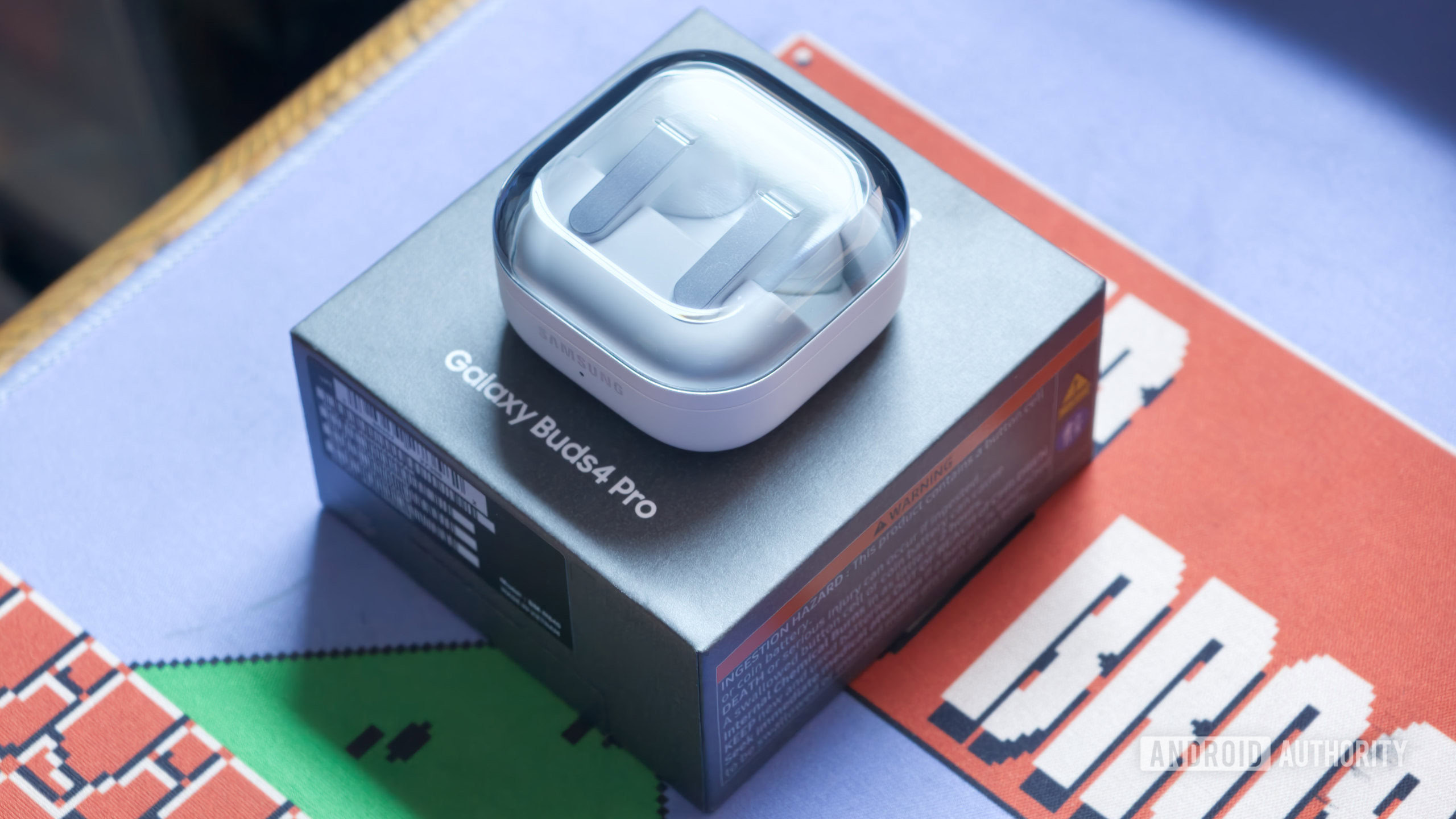
The Galaxy Buds 4 series represents a clear backtrack—a sensible regression—to the established, open-style charging layout favored in many previous generations and by key competitors. By returning to a more traditional, exposed contact pad or a shallower docking system, the new case design inherently mitigates debris accumulation. The contacts are now immediately visible and easily accessible for quick cleaning with a dry cloth or swab. This shift from an elegant but flawed vertical design to a robust, low-maintenance horizontal or semi-exposed layout is a decisive victory for functionality over aesthetic rigidity. It directly targets the inconsistency that forces users to wake up to an unbalanced battery level, a fundamental failure in a device designed for seamless wireless operation.
Industry Implications: The Value of Listening Beyond the Specs Sheet
The changes implemented in the Galaxy Buds 4 series carry broader implications for the premium audio industry. They serve as a potent reminder that the perception of quality is inherently subjective and heavily influenced by persistent minor flaws. While competitors focus heavily on driver size, spatial audio processing, and AI integration, Samsung’s calculated correction of physical design flaws highlights a mature understanding of the product lifecycle.
This move signals that the current battleground for flagship true wireless stereo (TWS) devices is shifting from raw capability metrics (like decibel reduction in ANC) to sustained ergonomic integrity. Consumers are increasingly sophisticated; they are no longer satisfied by simply purchasing the device with the highest benchmark scores. They demand reliability that integrates seamlessly into their routine without requiring special maintenance or causing physical discomfort.
From an engineering perspective, the decision to revert the charging case design suggests a significant internal debate regarding legacy features versus user satisfaction data. Admitting that a previous design choice—the upright charging well—created an unacceptable level of friction demonstrates a valuable degree of institutional self-correction. This behavior builds consumer trust far more effectively than releasing a product that is technically superior but functionally flawed in routine use. It validates the community feedback loop, suggesting that Samsung’s future hardware development will place greater emphasis on long-term physical interaction metrics.
Expert Analysis: Design Language and Ecosystem Cohesion
The overall aesthetic adjustments in the Buds 4, while minor when viewed alongside the S26 launch, reinforce Samsung’s design language. The improved integration of the vent on the Pro model shows an effort to maintain a visually sleek profile while accommodating physiological necessities. This subtle refinement ensures the Buds remain aesthetically aligned with the premium look of the Galaxy flagship line.
Furthermore, these fixes directly bolster the perceived value of the broader Galaxy ecosystem. If the earbuds—a device often used for productivity, communication, and extended media enjoyment—are uncomfortable or unreliable, it reflects poorly on the entire suite of Samsung devices they are designed to complement. A seamless audio experience is a cornerstone of a cohesive ecosystem experience. When the connection drops or the charging fails, the user’s perception of the entire platform suffers. By neutralizing these two key pain points, Samsung has fortified one of the most frequently interacted-with endpoints in their hardware chain.
Future Trajectories: Where Design Meets Intelligence
Looking ahead, the successful integration of these foundational usability improvements sets the stage for the next wave of innovation. With comfort and charging reliability established as baseline expectations, Samsung can now more aggressively market the advanced features of the Buds 4, such as enhanced AI integration and, notably, rumored head gesture support.
Head gesture control—a feature that allows users to answer calls or toggle modes through subtle head movements—requires absolute confidence in the fit and stability of the earbud. If the device is prone to slipping or causing irritation, users are far less likely to engage with complex gesture commands. By solving the foundational comfort issue first, Samsung ensures that these sophisticated, next-generation interaction methods have a stable, comfortable platform upon which to operate.
The industry trend will likely follow this path: manufacturers will exhaust the easy gains in core audio performance and pivot toward solving the "last mile" problems—the small, persistent issues that define daily user satisfaction. We can anticipate future competitors focusing intently on long-term skin compatibility, moisture resistance (beyond IP ratings), and charging case durability against daily wear and tear. Samsung’s proactive correction in the Buds 4 positions them not just as innovators in sound, but as leaders in pragmatic, user-centric hardware design. The message is clear: the era of prioritizing specifications over sustained physical interaction is drawing to a close. For the dedicated user, the Galaxy Buds 4 Pro promise a listening experience finally free from unnecessary friction, allowing the focus to shift entirely back to the audio itself.