

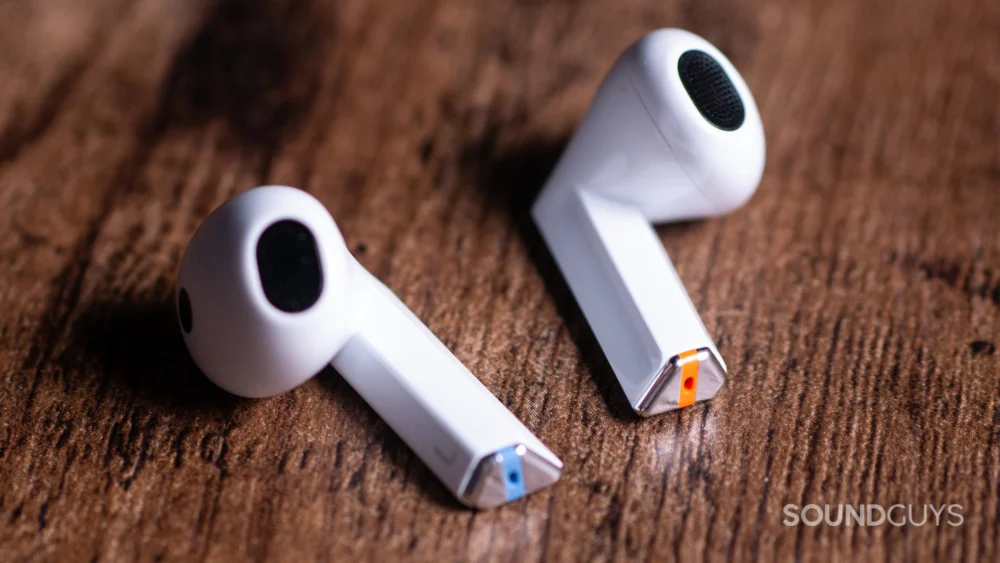
Samsung Electronics is employing a highly aggressive inventory management strategy in the lead-up to its highly anticipated Galaxy Unpacked event, signaling a definitive end-of-life for a specific audio product line in the critical U.S. market. Reports confirm that the standard configuration of the Galaxy Buds 3—the base model of the 2024 true wireless stereo (TWS) earbud offering—has been systematically scrubbed from Samsung’s official U.S. digital storefront. This is not a mere temporary stock depletion; the product pages have been completely excised, a dramatic maneuver far exceeding standard "out of stock" notifications.
This digital vanishing act, first highlighted by industry observers, suggests a deliberate corporate decision to clear the sales channels entirely, paving the way for the imminent unveiling of the Galaxy Buds 4 series alongside the flagship Galaxy S26 smartphone lineup. When attempting to navigate directly to the product URL for the standard Galaxy Buds 3 on the Samsung U.S. portal, users are now seamlessly rerouted to the Galaxy Buds 3 Pro page, effectively rendering the base model invisible to direct purchase pathways. Currently, only the premium Galaxy Buds 3 Pro and the value-oriented Galaxy Buds 3 Fan Edition (FE) remain listed within the Buds 3 ecosystem on the site.
Contextualizing the Ecosystem Reset
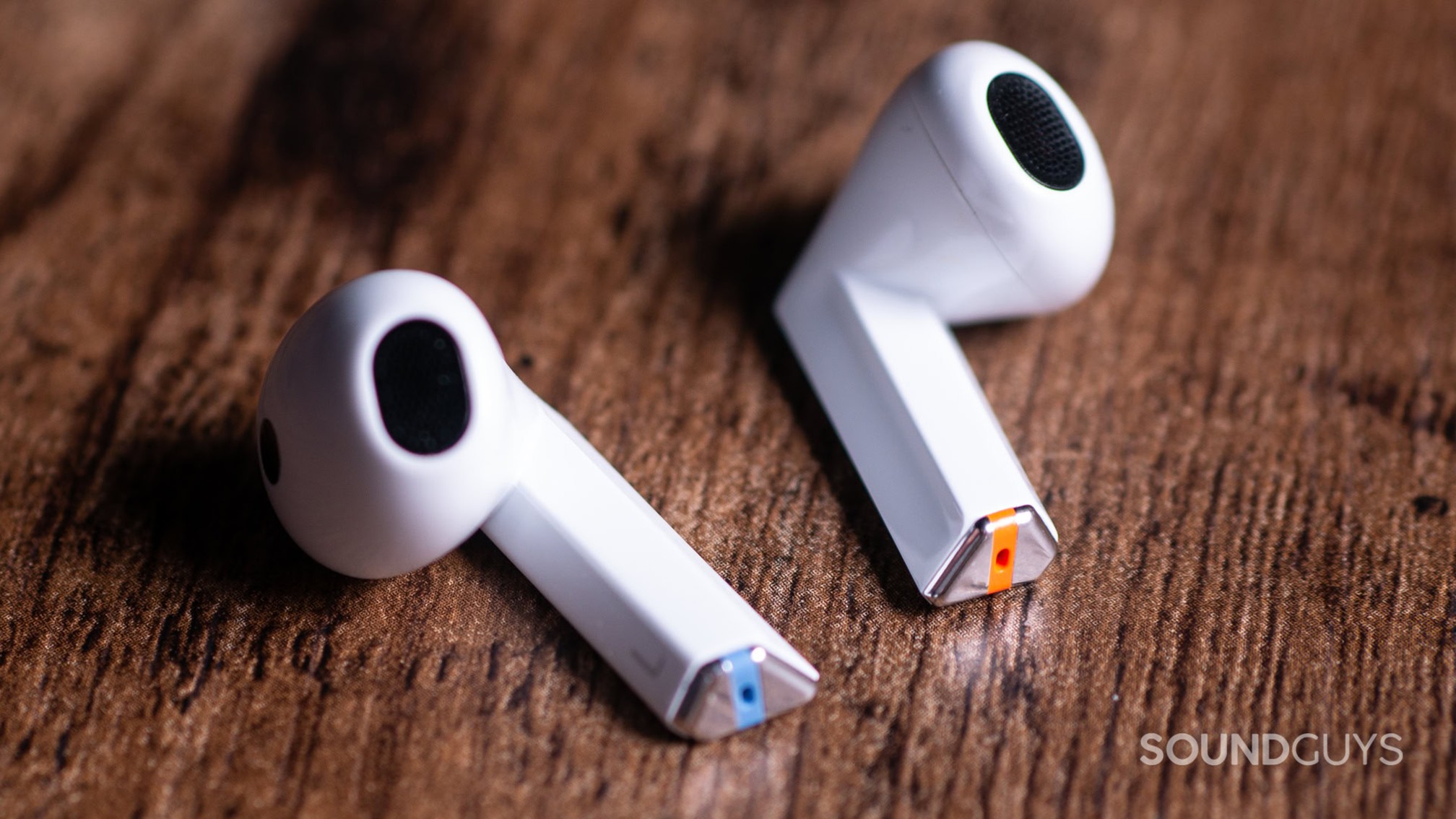
To fully appreciate the weight of this removal, one must examine the preceding lifecycle of the Galaxy Buds 3 generation. The 2024 iteration represented a significant, albeit controversial, aesthetic pivot for Samsung’s wearables. It marked the long-awaited adoption of a stemmed design, moving away from the ubiquitous bean-shaped form factor that defined earlier models like the Buds 2 and Buds Live. This design shift, while perhaps intended to enhance microphone placement and overall stability, was met with a mixed reception from consumers accustomed to Samsung’s previous aesthetic language.
Crucially, the initial rollout of the Galaxy Buds 3 series was reportedly hampered by unforeseen quality control challenges. While specifics remain proprietary, reports suggested that early production batches faced technical hiccups, leading to temporary stoppages in sales shortly after the initial launch window. This difficult start contrasts sharply with the usually smooth, high-volume launches Samsung orchestrates for its core accessories.
In the TWS market, product longevity is often dictated by the cadence of the flagship phone release. Typically, a new generation of earbuds is launched annually alongside the new S-series flagship. However, in the year following the Buds 3 launch, Samsung is preparing to debut the Galaxy Buds 4 and Buds 4 Pro. Leaks and supply chain chatter suggest that these successors will incorporate substantial refinements, focusing heavily on user experience, software stability, and potentially a refined, more mature iteration of the stemmed design, or perhaps a return to a less polarizing form factor altogether, aimed at achieving greater mass-market appeal.
The removal of the base Buds 3 model is therefore less about simple stock depletion and more about strategic portfolio pruning. Maintaining listings for a product facing imminent obsolescence, especially one that had a turbulent launch, clutters the digital shelf space and potentially confuses consumers who might opt for the older model instead of upgrading to the new generation.
Industry Implications: The Rapid Obsolescence Cycle
This decisive action highlights the increasingly rapid product cycle within the premium consumer electronics segment, particularly in the fiercely competitive audio accessory market. Companies like Samsung, Apple, and Sony operate under immense pressure to demonstrate continuous innovation, often leading to truncated lifespans for even relatively new hardware.
For Samsung, the decision to entirely delist the base Buds 3 in the U.S. (a primary revenue market) suggests a commitment to a clean slate for the next generation. In the past, manufacturers might have kept the base model available at a steep discount for several months post-successor launch. By eliminating the standard Buds 3 now, Samsung forces consumers seeking the current generation’s feature set directly toward the Buds 3 Pro or the FE variant, which may still hold residual inventory or serve a distinct price point until the Buds 4 arrives.
This strategy also impacts secondary markets and trade-in programs. A swift, total removal from the primary retail channel immediately devalues the remaining stock held by third-party retailers, potentially leading to aggressive clearance sales. Conversely, it can stabilize the price of the remaining, higher-tier Buds 3 models (Pro and FE) by eliminating the lowest-priced anchor product.
From a competitive standpoint, this move signals confidence in the forthcoming Buds 4 series. Samsung is betting that the anticipated upgrades—rumored to include superior battery management, enhanced spatial audio capabilities, and improved connectivity protocols—will be compelling enough to justify immediate consumer migration away from the existing lineup. Failing to execute a clean transition can lead to inventory overhang, which ties up capital and creates logistical headaches.
Expert Analysis: The Calculus of Portfolio Management
The cessation of sales for the standard Galaxy Buds 3 in a major region points to several key considerations in high-volume electronics portfolio management.
1. Addressing Past Missteps: The quality issues associated with the initial Buds 3 launch necessitate a firm break. Keeping the troubled model on the digital shelf risks associating the upcoming Buds 4 with the negative sentiment carried over from the previous year. A clean sweep allows the new products to be judged on their own merits.
2. SKU Simplification: Managing multiple tiers of earbuds (standard, Pro, FE) simultaneously can strain marketing resources and supply chain logistics. By eliminating the base SKU ahead of the next launch, Samsung simplifies the messaging for the Unpacked event. The narrative shifts from "Which Buds 3 should I buy?" to "Should I choose the new Buds 4 or the established Buds 3 Pro?"—a much clearer choice for the consumer.
3. Channel Inventory Prioritization: Retail channels (both online and physical stores) have finite space. Removing an aging, low-performing SKU frees up warehouse allocation and prime display real estate for the incoming S26 and Buds 4 inventory. This ensures that promotional focus and initial sales momentum are directed entirely toward the new flagships.
The fact that the Buds 3 Pro and Buds 3 FE remain suggests a nuanced approach rather than a complete discontinuation of the entire generation. The Pro model often retains relevance due to its superior feature set (like advanced Active Noise Cancellation or better codecs), commanding a loyal, high-end user base that may not upgrade annually. The FE model serves as the permanent budget offering, insulating Samsung from having to price the new base Buds 4 too aggressively.
Future Impact and Emerging Trends in Wearable Lifecycles
This episode provides a microcosm of broader trends shaping the future of mobile accessories.
Firstly, Design Iteration Speed: The relatively short lifespan of the Buds 3, particularly the standard model, indicates that consumers and manufacturers alike are demanding faster design evolution. The stemmed design, while controversial, was a bold step. Its swift retraction or sidelining suggests that the market is unforgiving toward large aesthetic departures that do not deliver demonstrable functional superiority. Samsung is clearly adjusting course rapidly for the Buds 4.
Secondly, Software Over Hardware Dominance: As hardware specifications in TWS earbuds begin to plateau (better drivers, improved ANC), the competitive edge increasingly shifts to software integration—low latency, seamless ecosystem switching, advanced personalization via AI, and robust firmware updates. If the Buds 3 suffered from early stability issues, the forthcoming Buds 4 will likely emphasize perfected software maturity above all else, making the older, flawed units liabilities rather than assets.
Thirdly, The Segmentation Strategy Maturing: The persistence of the Pro and FE models confirms that a three-tiered TWS strategy is now standard practice for major players. The removal of the middle-ground ‘standard’ model suggests that the gap between the budget offering and the flagship is widening, encouraging consumers to either choose the value option or step up to the premium features. This tiered approach maximizes revenue capture across different consumer willingness-to-pay segments.
The digital erasure of the standard Galaxy Buds 3 is a potent piece of preemptive marketing theater. It forcefully directs the consumer gaze toward the imminent launch, suggesting that whatever is coming next—the Galaxy S26 and the Galaxy Buds 4—is so significant that the current iteration must be cleared from the digital inventory entirely. The market is now watching closely to see if the promised stability and redesign of the Buds 4 can successfully repair the slight dent left by the sometimes rocky journey of the Buds 3 generation. The focus is unequivocally on the next generation, and Samsung is ensuring there are no distractions left on the launchpad. This calculated maneuver underscores the high-stakes, zero-tolerance environment of the premium accessory market, where yesterday’s innovation can quickly become today’s unwanted overhead.