

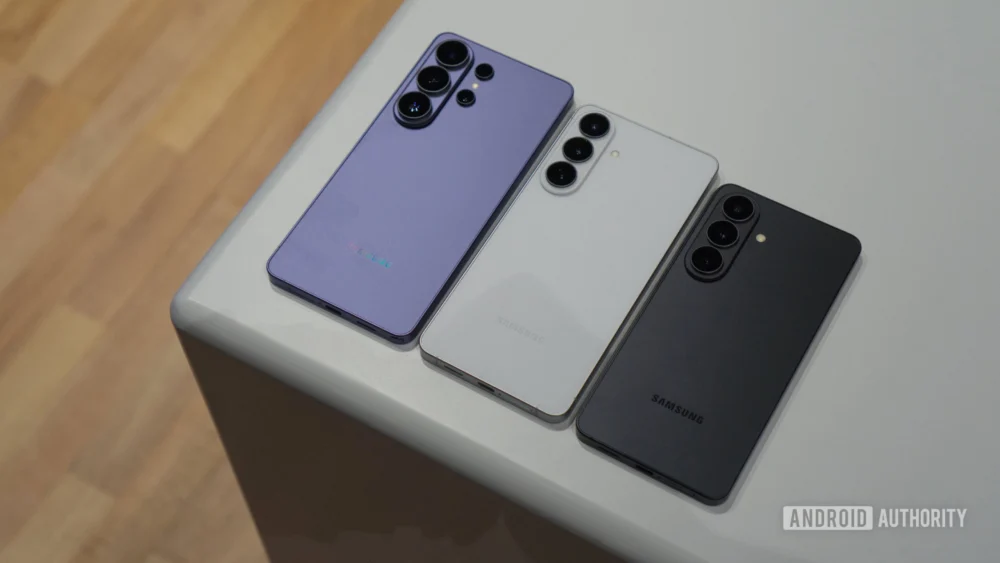
The landscape of premium smartphone ownership is undergoing a subtle yet significant transformation, driven by evolving consumer expectations regarding device longevity and rapid service recovery. Samsung, the global leader in Android smartphone market share, is making a tangible commitment to its top-tier customers by fundamentally reshaping its Samsung Care Plus extended warranty and insurance offering. Specifically, the rollout accompanying the forthcoming Galaxy S26 series in the United Kingdom marks a decisive pivot away from a historically rigid, repair-centric model toward a more agile, replacement-focused service structure. This strategic enhancement addresses one of the most persistent pain points for high-end device users: protracted downtime following accidental damage.
For years, consumer protection plans offered by major OEMs like Samsung have operated under a default philosophy best described as "repair until failure." While these plans successfully mitigate the financial risk associated with costly screen replacements or component failures, they often fail to adequately address the opportunity cost incurred by the user during the repair cycle. The anecdotal experience of device failure—such as a total motherboard meltdown requiring the complete internal reconstruction of a flagship device—highlights this issue perfectly. In such extreme cases, even when successfully repaired, the process can consume weeks, leaving the user reliant on a temporary device or forcing them to absorb a significant productivity gap. The previous iteration of Samsung Care Plus typically mandated that every viable component be swapped out before a full unit replacement was considered, provided the chassis remained intact.
The new protocol, debuting with the S26 launch in the UK market, introduces a critical service level agreement (SLA): a guaranteed replacement device delivered within a rapid 48-hour window following the initial service contact for eligible claims. This is not merely an incremental improvement; it represents a paradigm shift in customer experience management for hardware support. Furthermore, this enhanced protection extends globally, offering reassurance to travelers whose devices might sustain damage far from their home jurisdiction. This worldwide coverage provision underscores Samsung’s recognition of the increasingly international lifestyle of its premium clientele.
This change, confirmed by Samsung UK representatives, is slated to cascade to existing Samsung Care Plus subscribers in the coming months, suggesting a phased, systematic upgrade to the service tier rather than a feature exclusively reserved for new hardware purchases. This forward compatibility is crucial for maintaining customer loyalty among the current base, transforming an already valuable insurance product into a far more compelling proposition by adding speed and certainty to the resolution process.
Contextualizing the Shift: The Battle for Premium Loyalty
To fully appreciate the significance of this move, one must understand the fiercely competitive nature of the premium smartphone segment. Apple has long set the benchmark for ecosystem integration and customer service efficiency, with its Genius Bar network offering near-instantaneous hardware diagnosis and often, immediate unit replacement for covered issues. Samsung’s previous service structure, while functionally sound from a cost-control perspective (as component replacement is often cheaper than issuing a brand-new retail unit), frequently left it lagging behind Apple in terms of perceived customer satisfaction during service events.
The high cost of flagship devices—often exceeding $1,000—has amplified consumer expectations. When a user invests in top-tier technology, they implicitly expect top-tier support that reflects that investment. A six-week turnaround for a catastrophic failure, even if the phone is technically "repaired," violates the implicit contract of premium ownership. The 48-hour replacement guarantee directly targets this friction point.
From an operational standpoint, moving to replacements requires sophisticated logistical coordination. It necessitates maintaining regional stock of equivalent or newer models specifically earmarked for rapid deployment, bypassing the often slower, multi-step process of sending devices to centralized repair depots, diagnosing the fault, sourcing parts, performing the repair, and shipping the unit back. This suggests Samsung has invested heavily in its service supply chain infrastructure in the UK, possibly leveraging third-party logistics partners capable of handling secure, high-value device transfer within tight deadlines.
Industry Implications: Raising the Bar for Competitors
Samsung’s proactive enhancement of Care Plus sets a challenging new benchmark for other major Android manufacturers, particularly those competing in the premium space, such as Google (with Pixel Pass/Preferred Care) and various Chinese OEMs attempting global expansion.
For years, the narrative around Android device support has often centered on hardware innovation, while service quality remained a secondary consideration. By prioritizing rapid resolution—measured in hours rather than weeks—Samsung is shifting the competitive axis. Competitors will inevitably face pressure to match or exceed this 48-hour SLA, particularly in core European markets. Failure to adapt could result in Samsung Care Plus becoming a significant differentiator, potentially swaying upgrade decisions for risk-averse consumers who value uptime over marginal feature differences between flagship models.
Furthermore, the inclusion of unlimited claims, often paired with these high-tier service packages, removes the anxiety associated with frequent accidental damage. While insurance companies generally balance premiums against projected claim frequencies, offering "unlimited" coverage suggests Samsung’s actuarial models for the S26 series—and the corresponding Care Plus uptake—predict that the enhanced customer retention and brand affinity outweigh the increased raw cost of unit replacement over time.
Expert Analysis: The Economics of Customer Lifetime Value
This move is fundamentally an investment in Customer Lifetime Value (CLV). A satisfied customer who experiences a catastrophic failure but receives immediate resolution is far more likely to remain within the Samsung ecosystem for future purchases than one who endures a frustrating, drawn-out repair process. The cost of acquiring a new customer significantly outweighs the cost of servicing an existing one, especially when that service interaction can be leveraged as a positive brand touchpoint.
The key analytical question revolves around the definition of "replacement." Is it a brand-new, sealed-in-box unit, or a certified refurbished (like-new) device? While the initial communication implies a direct swap, the logistics of a 48-hour global turnaround might necessitate the deployment of high-quality refurbished stock for certain remote locations. For the consumer, as long as the replacement device functions identically to the original and carries the remaining warranty, the distinction is often academic, but the messaging must remain transparent to avoid future disputes.
The expansion to existing customers is particularly insightful. It signals that the underlying logistical improvements are scalable, not just a bespoke feature tied only to the S26’s new internal architecture. This suggests a commitment to service parity across recent high-value products, which is essential for a mature technology brand managing a vast installed base.
Future Impact and Trends: Toward Proactive Device Management
The transition from repair to replacement is a leading indicator of broader trends in consumer electronics support:
- Shift to Subscription Service Models: This enhanced Care Plus solidifies the move towards services being an integral, high-margin component of the overall hardware purchase. Future flagship sales may increasingly be bundled with service tiers that guarantee uptime, blurring the lines between insurance, warranty, and subscription access.
- Regional Logistical Hubs: To meet a 48-hour SLA globally, manufacturers must decentralize their inventory and service fulfillment. We may see an increase in regional distribution centers capable of shipping high-value assets directly to consumers, bypassing traditional retail channels for warranty fulfillment.
- Right to Repair vs. Right to Replacement: While the "Right to Repair" movement advocates for easier access to parts and schematics for consumers and independent shops, Samsung is responding to the "Right to Convenience" for premium users. For the highest-paying segment, the speed of service trumps the desire for self-repair. This move prioritizes seamless functionality restoration over empowering end-user maintenance for the most severe failures.
The exclusivity of this initial rollout to the UK market is notable. The UK often serves as a robust testing ground for service innovations due to its mature telecom infrastructure and high consumer expectations for service quality. If the model proves cost-effective and highly popular in the UK, the pressure to deploy it across larger markets, such as the United States, where insurance uptake and competitor service quality are also high, will become intense. Until official announcements confirm global expansion, UK consumers purchasing the Galaxy S26 series are set to benefit from a significantly de-risked ownership experience, making their premium investment substantially more secure against accidental mishaps. This calculated move by Samsung aims to convert latent customer frustration into tangible brand advocacy.