

The trajectory of Destiny 2 has always been defined by a delicate dance between power fantasy and punishing challenge. Following the monumental release of The Final Shape and the subsequent launch of the Renegades content cycle, Bungie’s looter-shooter has entered what many are calling the "Portal era"—a period marked by experimental activity structures and a renewed focus on high-stakes endgame loops. While much of this new direction has been met with critical acclaim, a specific, aging mechanic is beginning to grate against the modern player experience: the shared, limited revive pool. As the game evolves toward more inclusive matchmaking and more complex combat encounters, the continued use of pooled revives as a primary difficulty modifier is no longer just a challenge; it has become a fundamental design flaw that stifles engagement and breeds toxicity within the community.
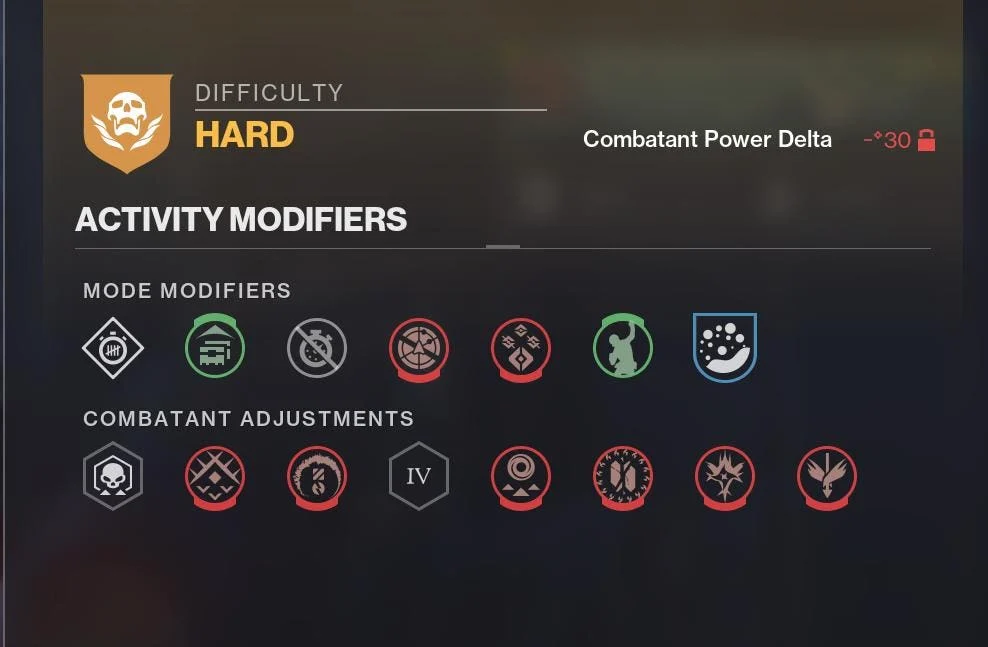
To understand why the shared revive pool is increasingly problematic, one must look at the current state of the game’s activity architecture. In the newly introduced Arena Ops and Pinnacle Ops playlists, Bungie has leaned heavily into "difficulty by attrition." These activities are frequently packed with aggressive modifiers, including significant enemy damage increases and health buffs, but the most suffocating element remains the limited number of tokens available for player resurrection. In a six-person team environment, such as the one found in the latest Arena Ops, a pool of five or six revives can vanish in seconds. A single misstep by a portion of the team, or a poorly timed enemy "stomp" mechanic, can result in a total run failure before the first encounter is even halfway through. This creates a scenario where the Vanguard Alert version of an activity—which lacks the revive pool—becomes the only viable way to play for the vast majority of the player base, not because it is "easier," but because it respects the player’s time.
The core issue with shared revives is the "social tax" they impose on the fireteam. Destiny 2 has spent the last several years building robust social systems, including the Fireteam Finder and enhanced in-game matchmaking, to ensure that solo players can access higher-tier content. However, the shared revive pool directly undermines these efforts. In a matchmade environment, you are frequently paired with strangers of varying skill levels. When revives are shared, a single struggling teammate can effectively "spend" the entire team’s safety net. This creates an immediate and intense friction point. The high-performing players feel resentment toward the teammate who is "wasting" lives, while the player who is struggling feels an overwhelming sense of guilt and pressure. In a game that thrives on its "space magic" power fantasy, few things feel worse than being the reason five other people were kicked back to orbit. As more veteran players move on and the game relies on a rotating door of new and returning Guardians, this friction is amplified, turning what should be a cooperative triumph into a blame game.

Furthermore, the interaction between the revive pool and the activity timers represents a particularly egregious form of artificial difficulty. In many Pinnacle Ops and the current Master-level Conquests—specifically seen in the "Master Derealize" encounter—players are tasked with balancing speed and survival. If a team plays cautiously and tactically, they may find themselves amassing a healthy surplus of revives. However, the game’s current logic often dictates that if the mission timer expires, the entire revive pool is instantly deleted. This "Zero Hour" approach transforms a difficult-but-fair encounter into a frantic sprint where the most methodical strategies are punished. It effectively tells the player that their skill in staying alive is irrelevant if they cannot also meet an arbitrary speed requirement. This design choice forces a very narrow "meta" of high-DPS, glass-cannon builds, further limiting the creative freedom that the game’s subclass and armor systems are supposed to encourage.
When examining the broader gaming industry, the trend is moving away from these types of punitive, run-ending modifiers. Modern live-service titles like Helldivers 2 utilize a shared reinforcement pool, but they treat death as a core part of the gameplay loop rather than a failure state. In that context, dying is often funny or spectacular, and reinforcements are frequent enough that the mission rarely feels "unfair." Conversely, games like The Division 2 or Warframe often use individual revive limits or mechanical "bleed-out" timers that allow teammates to intervene without sacrificing a finite global resource. By shifting the focus to individual responsibility or environmental interaction, these games maintain challenge without making one player’s mistake a catastrophe for the entire group.
Bungie’s reliance on the shared revive pool feels like a relic of the 2014-era "Hard Mode" Raid design, where the lack of revives was meant to signify the ultimate test of coordination. In a three-player or six-player Raid with a pre-made group on Discord, the system makes sense; it is a test of the unit. But when applied to matchmade "Ops" or seasonal activities, it fails to account for the reality of modern play. The penalty for failure in Destiny 2 is already significant: wiping an encounter usually means restarting a 10-to-15-minute fight from the beginning. Adding a "kick to orbit" or "game over" screen because a pool of tokens ran dry is a redundant layer of frustration. It doesn’t teach the player how to play better; it simply teaches them to avoid the activity altogether.
If Bungie is to move away from this system, what should take its place? The answer lies in "mechanical difficulty" rather than "attrition difficulty." We have seen glimpses of this in the "Legendary" campaign modes for The Witch Queen and Lightfall. In those missions, difficulty was scaled by enemy density, smarter AI behavior, and limited individual revives per encounter. If a player died, a teammate had a window to save them, but if they failed, the encounter became harder for the survivors. This created a "clutch" moment—a chance for a high-skill player to save the run—which is far more rewarding than watching a "0 Revives Remaining" counter tick down while a teammate accidentally falls off a ledge.

The industry implications of this shift are profound. As live-service games age, they must find ways to retain "hardcore" players while remaining accessible to the "silent majority" of casual participants. Retaining the shared revive pool is a signal that the game is prioritizing a very specific, dwindling demographic of elite players who only play in closed circles. By removing or reworking this modifier, Bungie could open up the "Master" and "Grandmaster" tiers of content to a wider audience, fostering a healthier ecosystem where players are encouraged to take risks and learn through trial and error, rather than being terrified of making a single mistake.
Looking toward the future of the Destiny franchise, particularly as we move beyond the ten-year mark, the philosophy of challenge needs a total overhaul. We are currently seeing a push toward "Locked Loadouts" and "Surge" modifiers that force specific weapon types, which, combined with the revive pool, creates a very rigid and often boring gameplay experience. The most memorable moments in Destiny’s history aren’t the times a team ran out of revives; they are the times a team was on the brink of disaster and someone made a hero play to pull them back. The current revive system actively prevents those hero plays from happening.
In conclusion, the pooled limited revive modifier has outlived its usefulness. It is a blunt instrument in a game that has become increasingly surgical in its design. As the Portal era continues to unfold, Bungie has the opportunity to refine what it means to be a "Legendary" Guardian. Difficulty should be a wall that players learn to climb through skill, build-crafting, and cooperation—not a trapdoor that drops an entire team into the abyss because of a single point of failure. By retiring the shared revive pool and replacing it with more dynamic, individual-focused survival mechanics, Destiny 2 can ensure that its most challenging content remains a source of excitement rather than a source of exhaustion. The game has survived a decade by knowing when to let the past die; it is time to let this particular modifier join the archives of gaming history.