

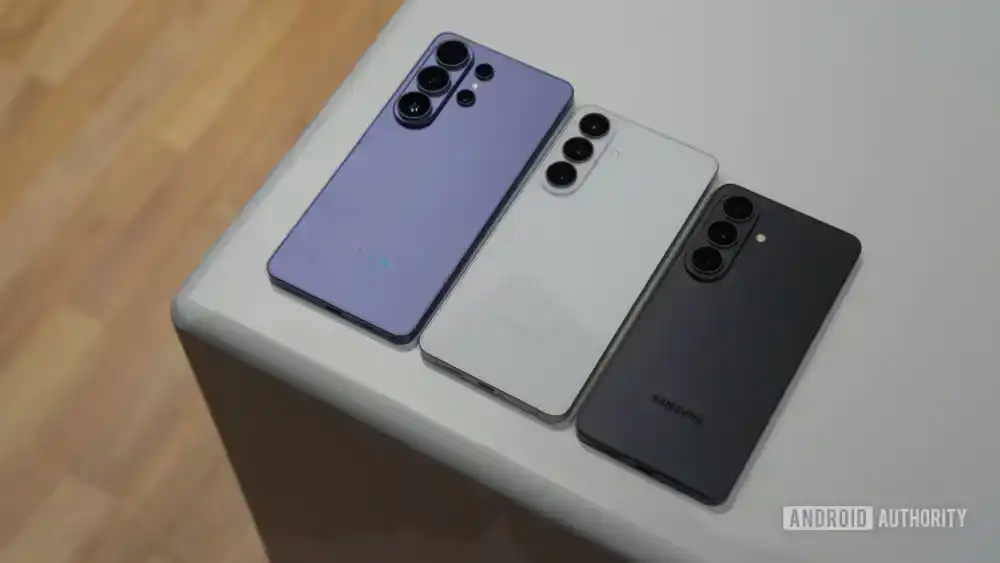
The annual Galaxy Unpacked event, once a highly anticipated cornerstone of the mobile technology calendar, has increasingly become an exercise in managing waning expectations. For years, the anticipation surrounding Samsung’s flagship launches—the moment we expected to see the next leap in mobile engineering—has slowly eroded, replaced by a sense of predictability bordering on skepticism. This cooling of fervor is particularly palpable with the recent unveiling of the Galaxy S26 series. It suggests that incremental updates are no longer sufficient; the South Korean giant requires fundamental shifts in both hardware prioritization and market positioning to recapture the attention and investment of discerning consumers. To reclaim its status as a genuine hardware innovator, Samsung must address several critical areas where stagnation is costing it mindshare against increasingly aggressive competition.
The Endurance Deficit: Prioritizing Substantial Battery Capacity Upgrades
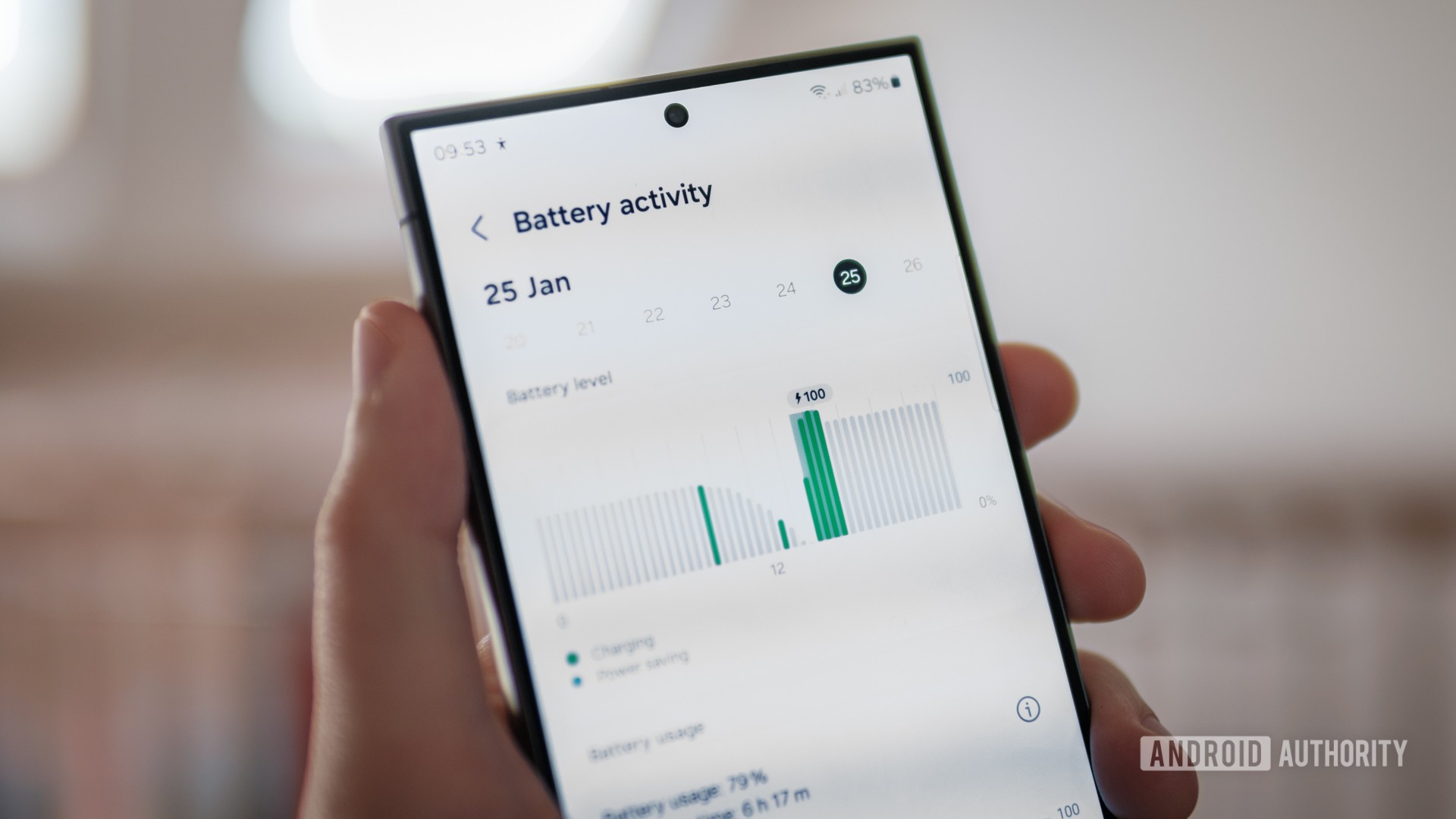
The most glaring and persistent weakness in Samsung’s flagship equation remains battery life, specifically capacity stagnation, especially in the Ultra tier. The Galaxy S26 Ultra, like its predecessors, retains the 5,000mAh cell—a figure unchanged since the debut of the Ultra line with the S20 generation. In an era where flagship processors demand more power and users rely on their devices for increasingly intensive tasks, this lack of capacity evolution is an unacceptable oversight.
The industry implication here is significant. While Samsung heavily invests in software optimization and display efficiency, these efforts are ultimately constrained by physical chemistry. The hesitancy to fully commit to next-generation battery technology, such as silicon-carbon (Si-C) cells, which offer superior energy density, is clearly limiting the potential of their premium hardware. While rumors suggest Samsung is actively researching larger Si-C cells for future iterations, consumers are left paying top-tier prices for yesterday’s endurance standards.
This issue is starkly contrasted by competitors in the mid-range sector. For instance, a device positioned hundreds of dollars below the S26 standard model can feature a substantially larger battery, sometimes exceeding 5,100mAh, as seen in certain budget-conscious offerings. If Samsung needs to accept a marginal increase in device thickness—a trade-off many power users would readily embrace—to incorporate 5,500mAh or greater capacities across the entire S26 lineup, it must make that strategic decision. The industry trend shows that endurance, not just peak performance, dictates daily user satisfaction. Samsung’s current strategy risks positioning its flagships as devices that require midday refueling, regardless of their processing prowess. Moving forward, substantial, verifiable jumps in battery longevity must be a non-negotiable hardware mandate for the entire series.
Harmonizing the Lineup: Erasing the Feature Chasm Between Standard and Ultra Models
A secondary, yet deeply problematic, trend has been the widening gulf in feature parity across the standard S26, S26 Plus, and S26 Ultra variants. The narrative of the flagship launch has overwhelmingly centered on the Ultra, treating the base and Plus models as mere placeholders or vehicles for the latest chipset. This imbalance has fundamentally fractured the value proposition of the lower-tier devices.
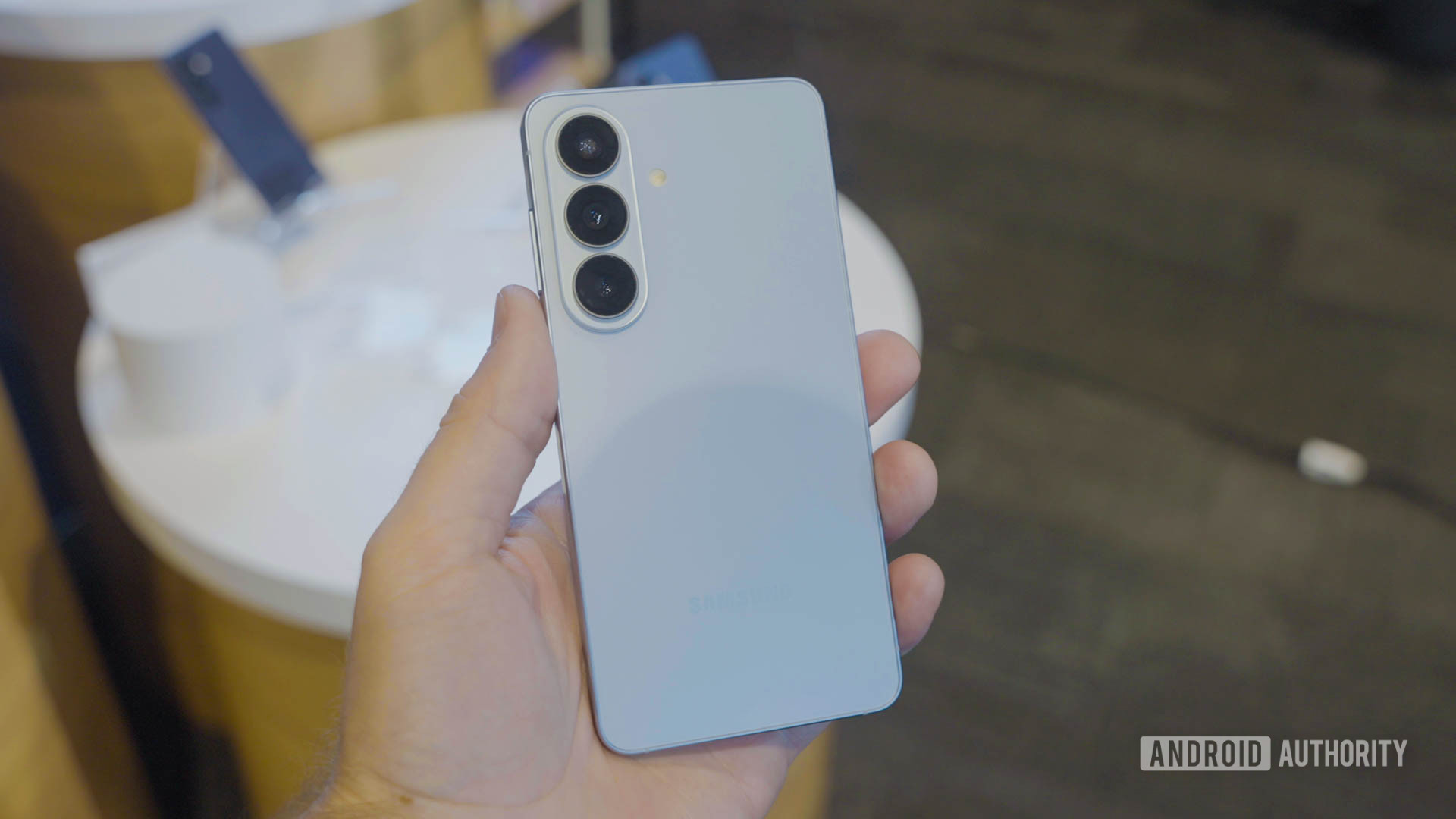
A historical analysis of the S-series reveals a time when the standard model was a compact powerhouse, and the Plus offered a sensible middle ground. Now, the S26 and S26 Plus feel increasingly like slightly upgraded versions of previous generations, particularly when comparing them across three release cycles (S23 to S26). Charging speeds have remained stubbornly fixed—the S26 and S26 Plus clinging to baseline speeds established years ago—while camera hardware upgrades are almost exclusively reserved for the Ultra’s specialized zoom arrays.
The industry consequence of this stratification is the empowerment of value-focused brands. Competitors are now routinely delivering specifications in the upper-midrange category that easily eclipse the standard S26 offerings. Consider the performance metrics of certain lower-priced rivals: they frequently boast 5,000mAh batteries, 50W or greater wired charging, and advanced camera modules (including dedicated periscope lenses with optical zoom) at a fraction of the flagship cost. The standard S26, burdened by slower charging and less impressive core hardware specifications, struggles to justify its premium placement.
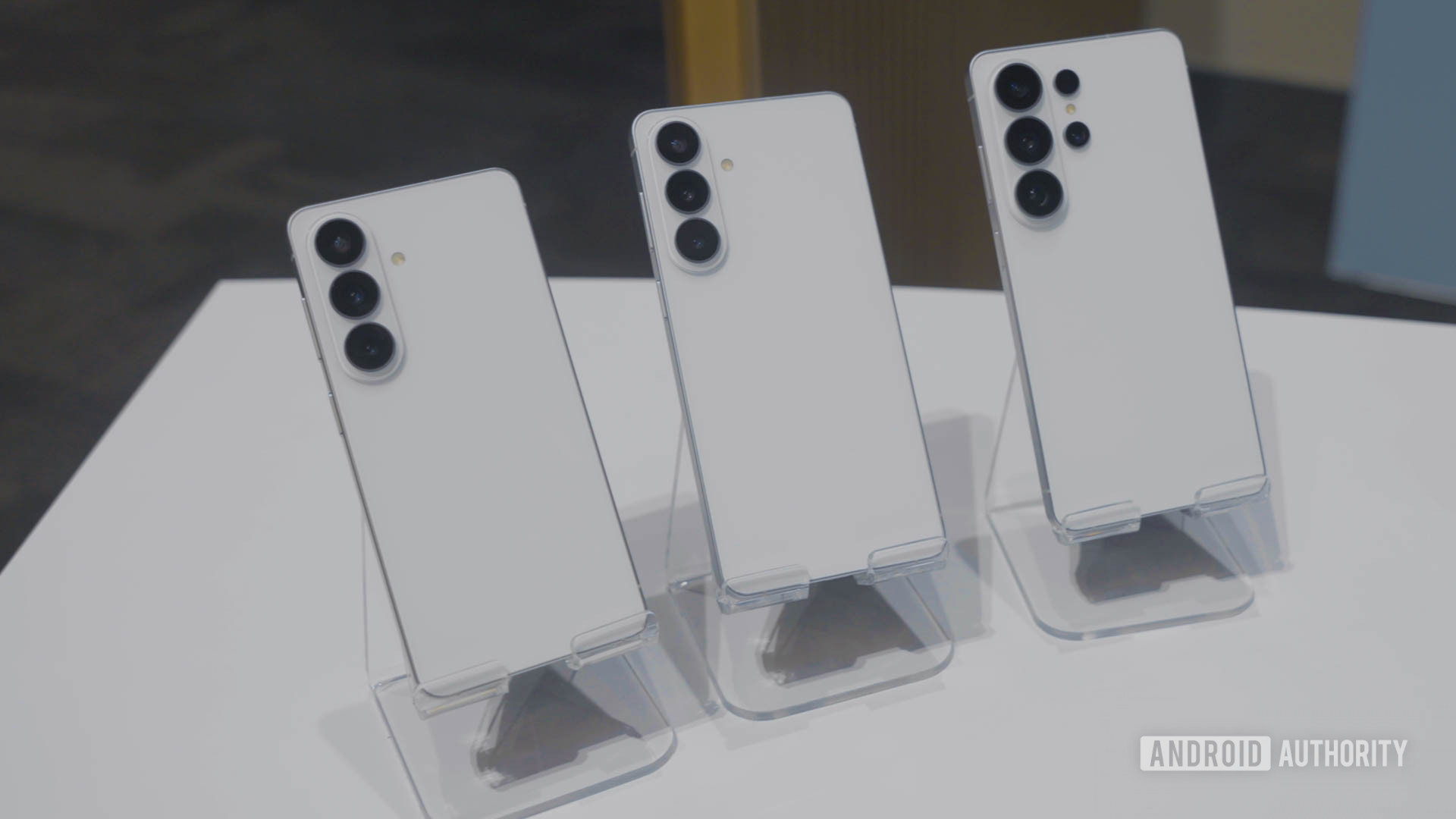
Furthermore, this internal dilution affects Samsung’s own ecosystem strategy. The impending arrival of the S26 Fan Edition (FE) model, which historically inherits slightly older flagship silicon and refined features at a lower price point, further cannibalizes the appeal of the standard S26. If a consumer purchases the standard S26 today, they are essentially buying a device with specifications that will be rivaled, if not surpassed, by a cheaper FE model in a few months, likely inheriting the same processor generation. Samsung must redefine the baseline S26 experience. It should offer features—such as competitive charging rates and substantive camera upgrades—that make it a compelling, well-rounded flagship in its own right, not just a cheaper entry point to the Ultra experience. Reintroducing genuine value to the compact and Plus segments is crucial for market breadth.
Redefining Optical Excellence: Reinstating True Optical Zoom Capabilities
While the focus on sensor size and aperture improvements for the S26 Ultra’s main camera—enhancing low-light capture—is commendable, Samsung’s strategy concerning telephoto capabilities reveals a regression in optical innovation. The decision to remove the dedicated 10x optical zoom lens from the Ultra line remains a significant point of contention for enthusiasts and professional users. Digital cropping, marketed as "optical quality zoom," is an algorithmic patch, not a true optical solution, and image fidelity suffers significantly at extreme focal lengths compared to dedicated folded optics.
This issue extends beyond the Ultra. The marketing across the entire S26 series now leverages these cropped results, claiming "2x optical quality zoom" on the main sensors of the standard and Plus models. This reliance on digital magnification as a substitute for genuine optical reach undermines Samsung’s position at the apex of mobile photography.
The industry trajectory, exemplified by leaders like Xiaomi, leans towards complex, versatile optical systems, including variable-aperture lenses and multi-focal-length periscopes. This hardware-centric approach offers superior versatility and consistency across the entire zoom range, avoiding the quality drop-off inherent in heavy cropping.
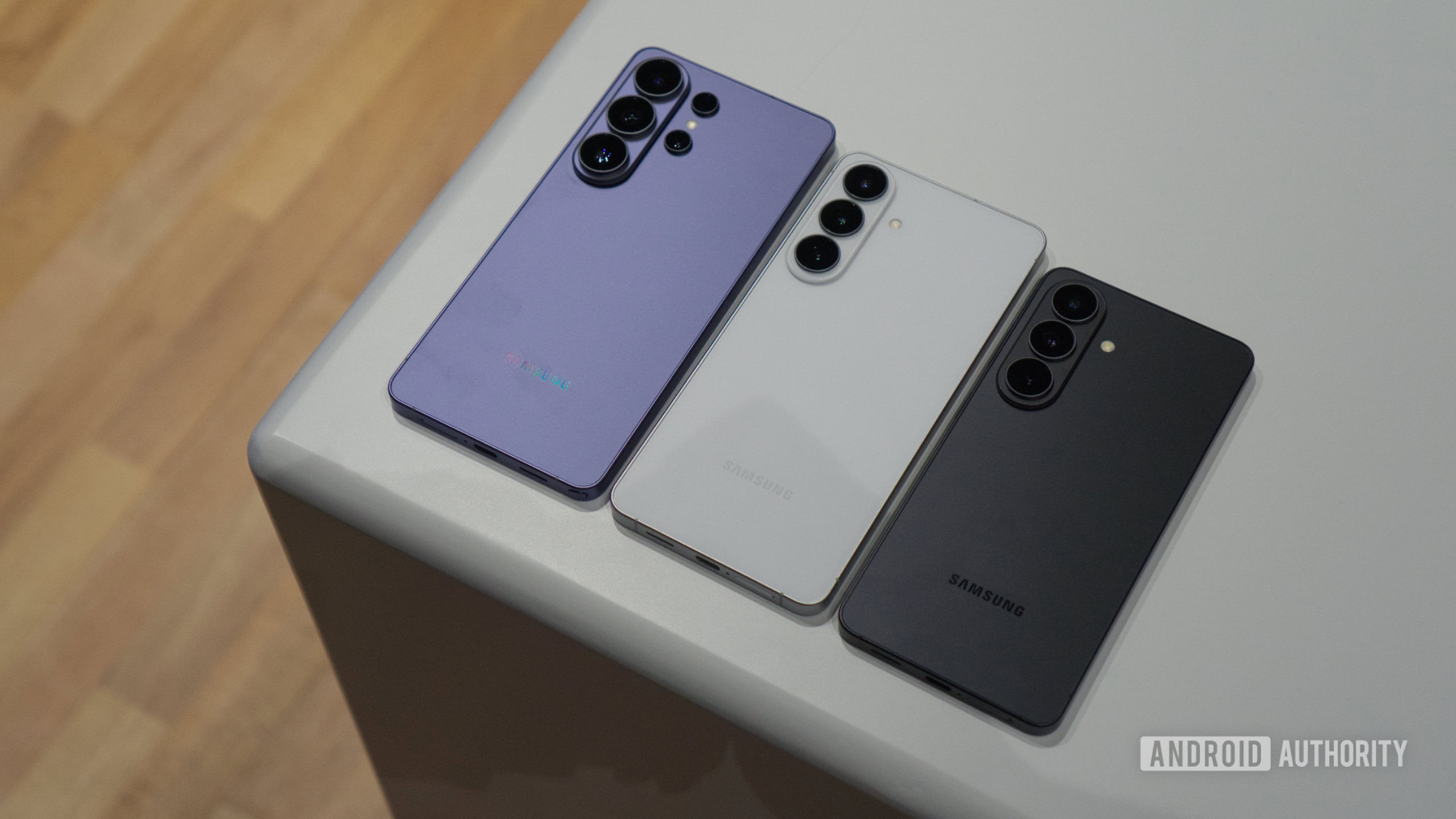
For the next iteration, Samsung must commit to hardware solutions. The S26 Plus successor should integrate at least a 3x or 5x optical zoom module to offer competitive versatility against rivals. Critically, the flagship Ultra must see the return of a true 10x optical zoom, ideally paired with advanced folded optics that maintain high resolution without excessive physical bulk. Paying a premium price demands leadership in imaging hardware, not just iterative improvements on established sensor counts. True optical zoom capability is a differentiator that software trickery cannot permanently mask.
Addressing the Charging Lag: Accelerating Power Delivery Metrics
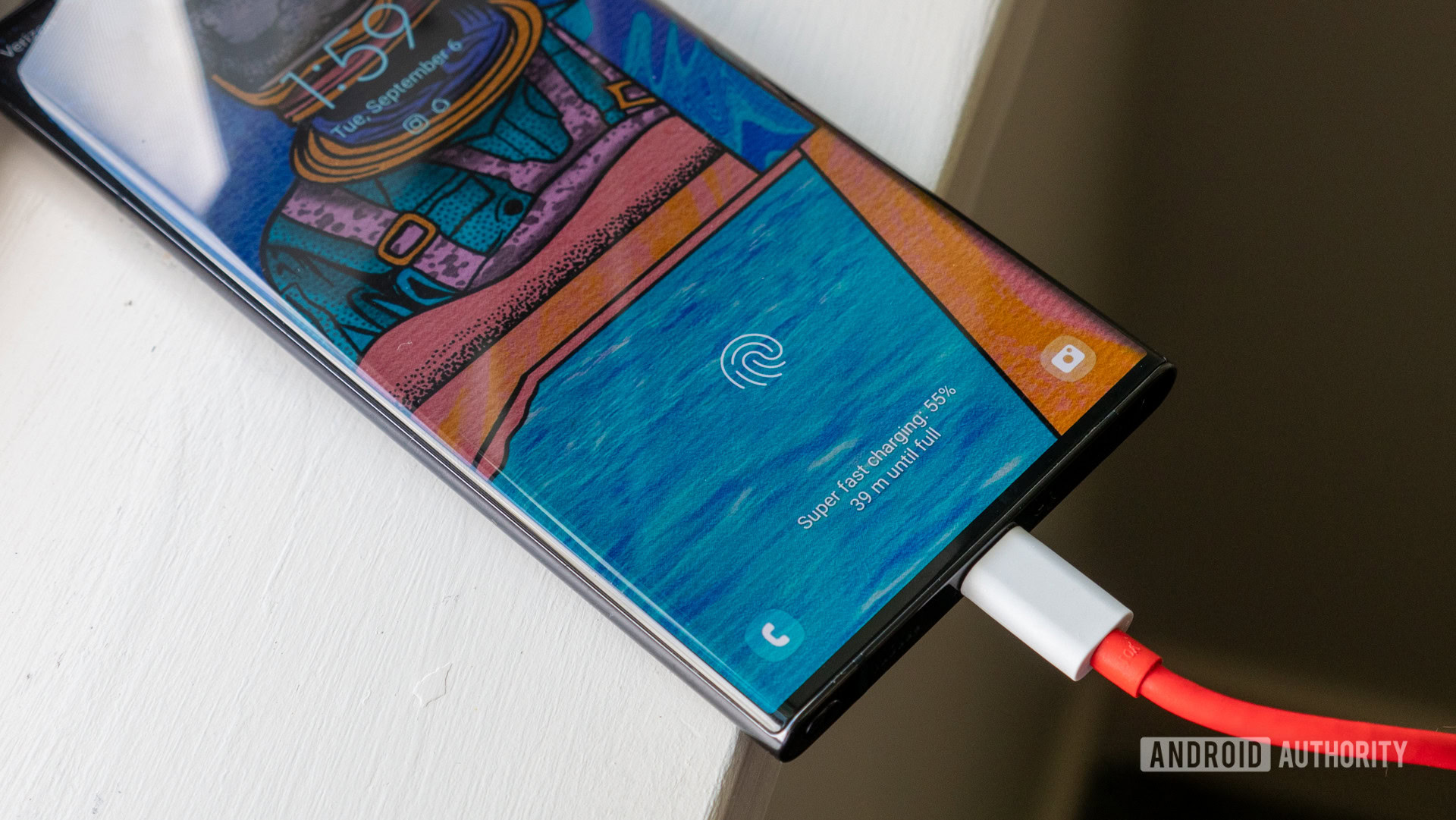
The sluggish pace of charging speed iteration across the Galaxy S series is another area where Samsung appears willfully disconnected from current market benchmarks. While the S26 Ultra saw a modest bump to 60W wired charging, this advancement is severely overdue and still trails key competitors utilizing the established USB Power Delivery (PD) PPS protocol.
The standard S26 remains tethered to a frustratingly slow 25W charging standard. For a device positioned as a premium handset in the mid-2020s, 25W necessitates an excessively long downtime for a full charge, impacting user productivity and convenience. This is a fundamental usability feature that budget and upper-midrange Android phones have surpassed by significant margins.
The industry standard, as demonstrated by numerous Chinese OEMs, has pushed charging capabilities well into the 90W to 120W range, often achieving a full charge in under 30 minutes. While Samsung emphasizes battery health longevity, this argument loses traction when rivals manage rapid charging with minimal long-term degradation through advanced dual-cell architecture and superior thermal management.
Samsung needs to implement a tiered, yet aggressive, charging roadmap. The Ultra should push beyond 80W, leveraging its larger thermal envelope. More importantly, the standard S26 and S26 Plus must graduate immediately to a minimum of 45W or 65W charging. This change is not merely about shaving minutes off a charging session; it is about aligning the device with modern expectations for high-performance mobile computing. In the context of enterprise adoption and power users, rapid replenishment is a core feature, not a niche luxury.
Rebalancing the Narrative: Shifting Focus from Superficial AI to Foundational Innovation
Since the Galaxy S24 generation, Samsung has pivoted its marketing heavily toward on-device and cloud-based Artificial Intelligence features. While generative AI is the prevailing technological trend, the execution and emphasis on these features risk overshadowing necessary hardware innovation. Initially, exploring novel AI capabilities was engaging; however, the utility of many advertised features has proven inconsistent or negligible in real-world scenarios.
A primary concern is the dilution of exclusivity. Many headline features, often developed in partnership with Google, rapidly propagate across the broader Android ecosystem, frequently appearing on Pixel devices concurrently or shortly thereafter. Features like advanced Circle to Search functionalities, initially presented as Galaxy exclusives, quickly become platform-wide offerings. This lack of sustainable software differentiation means Samsung must rely on superior hardware to justify its premium price tag.
Furthermore, the dependency on Samsung’s proprietary ecosystem for exclusive AI tools—such as specific note-taking or summarization utilities—forces users to abandon established, preferred third-party applications, often for minimal functional gain. Evidence suggests the current suite of AI tools suffers from practical limitations; for example, real-time transcription accuracy for non-standard accents remains underdeveloped, and features like Now Brief appear significantly underutilized in practical workflows.
The emerging focus on agentic AI—AI capable of complex, multi-step tasks—introduces significant user apprehension regarding data privacy and security. As a manufacturer processing vast amounts of personal data, Samsung has yet to provide the robust, transparent assurances necessary to fully convince the market that sensitive information remains safeguarded during these operations.
The industry implication is that Samsung is currently winning the marketing war around AI, but potentially losing the foundational hardware race. While the S26 Ultra’s unique features, such as the Privacy Display, offer niche utility, they do not represent the kind of paradigm-shifting hardware innovation that commanded excitement in previous eras. To truly lead, Samsung must demonstrate hardware leadership—in battery density, optical engineering, and charging infrastructure—rather than solely relying on software features that are destined for commoditization. The expectation for a $1,300 device is not parity; it is pioneering advancement. Without significant, tangible hardware leaps in these five critical areas, the Galaxy line risks cementing its position as a market follower rather than the definitive leader of the Android premium segment. Future success hinges on re-prioritizing the physical components that dictate a device’s long-term utility and performance ceiling.