

The digital music landscape, once heralded as a revolutionary force democratizing access to an infinite sonic library, is undergoing a profound, and arguably detrimental, transformation. For many who recall the pre-streaming era, the initial promise of platforms like Spotify was breathtaking: instant access to nearly every recorded song, facilitating unparalleled musical exploration beyond the constraints of physical media or terrestrial radio. This convenience irrevocably shaped the auditory preferences of a generation, expanding horizons with unprecedented ease. However, the very ecosystem that fostered this discovery is now showing severe signs of systemic decay, driven by the escalating integration of generative artificial intelligence.
The current trajectory of major streaming services suggests a pivot away from curated human taste toward algorithmic efficiency optimized for profit. Recent disclosures, such as reports detailing the proliferation of AI-generated filler tracks on services like YouTube Music—even within premium subscription tiers—are not isolated incidents but symptoms of a wider industry malaise. This echoes earlier controversies surrounding platforms allegedly commissioning "fake artists" or generic, low-cost background tracks to dilute paid playlists, thereby minimizing royalty payouts to legitimate human creators. The economic calculus driving this shift is transparently cynical: synthetic content often carries significantly lower—or zero—licensing costs compared to established artists.
The rise of AI-generated music introduces a potent new mechanism for margin expansion. Because these compositions are often engineered for maximum sonic blandness—a statistical "regression to the mean"—they blend seamlessly into algorithmic recommendations, making them difficult for the average listener to detect. While some platforms, such as Deezer, have begun implementing rudimentary labeling for synthetic tracks, and others like Spotify are attempting to address impersonation, the fundamental exposure risk remains high. Producers, eager for quick returns, are flooding the market with these digital echoes, some even managing to chart, further muddying the waters of authentic musical production. This trend is accelerating, threatening to saturate the digital commons with derivative, non-human content.
The core philosophical conflict here is the erosion of discovery. The primary value proposition of streaming was introducing listeners to compelling, new human artistry. When algorithms begin recommending music based on engagement with synthetic tracks, the feedback loop becomes a self-perpetuating cycle of algorithmic mediocrity. One listens to an AI mimicry, the system registers that engagement, and the user is subsequently funneled toward more—a digital echo chamber where genuine artistic innovation struggles to surface. You cannot attend a concert by an algorithm, nor can you explore a deep, evolving back catalog from a generative model. This algorithmic cul-de-sac undermines the very purpose of music consumption beyond mere background noise.
For consumers who value artistic integrity and wish to maintain a direct connection to the creators shaping contemporary culture, this environment necessitates a strategic re-evaluation of consumption habits. The solution lies not in abandoning digital access entirely, but in strategically reinvesting in genuine ownership, shifting the paradigm from renting access to possessing artifacts of creation.
The Renaissance of Ownership: From Rental to Repository
In stark contrast to the highly regulated and often fragmented digital media markets of film and television, the music sector retains robust avenues for direct ownership, both physical and digital. The resurgence of vinyl and compact discs demonstrates a persistent consumer desire for tangibility, superior audio fidelity (often surpassing heavily compressed streaming bitrates), and, crucially, a direct financial benefit to the artist. Purchasing a physical format ensures a significantly higher percentage of revenue reaches the creator compared to the fractional royalties generated by a stream.
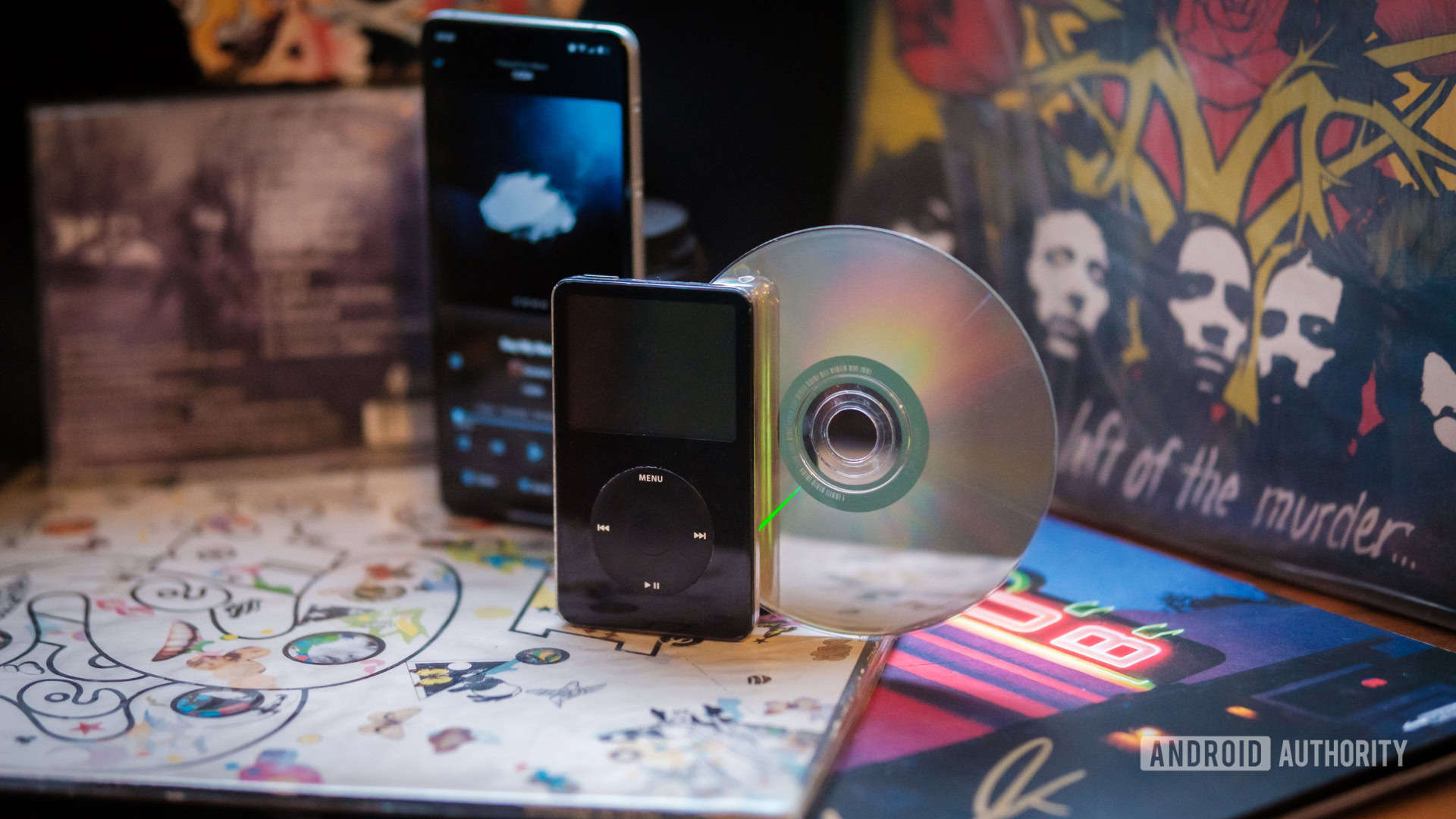
However, the modern listener need not accumulate stacks of physical media to achieve sonic sovereignty. The digital realm now offers sophisticated, DRM-free purchasing options that integrate seamlessly into contemporary lifestyles. Independent platforms like Bandcamp have become vital hubs, often allowing consumers to acquire high-resolution digital files directly from emerging or established artists, frequently at prices comparable to, or less than, the cost of a pre-digital era CD. High-fidelity digital storefronts like Qobuz cater specifically to audiophiles seeking lossless, master-quality recordings, offering vast, curated catalogs ripe for personal archival.
The primary historical friction point for digital ownership—storage capacity, organization, and portability—has been systematically dismantled by advancements in storage technology and accessible software infrastructure. The perceived hassle of managing a personal library is now largely a matter of initial setup, not ongoing maintenance.
Sophisticated metadata management tools—such as MusicBrainz Picard, Mp3tag, and robust media managers like MusicBee—can automate the daunting task of cataloging, tagging, and normalizing vast collections sourced from physical rips or digital purchases. For those utilizing CDs, applications like Exact Audio Copy provide bit-perfect ripping capabilities, ensuring the highest possible fidelity transfer to the digital domain, alongside automated tagging based on comprehensive community databases. Furthermore, modern file formats (FLAC, high-bitrate AAC, OGG Vorbis) offer excellent quality at file sizes manageable even for high-capacity mobile devices.
The infrastructure for mobile consumption has also matured dramatically. The concept of a personal, self-hosted media server—often running on a Network Attached Storage (NAS) device—has become both practical and powerful. Leading solutions like Plex and Jellyfin offer comprehensive server software capable of indexing large music libraries, managing complex metadata, and providing seamless transcoding. Crucially, these systems are complemented by excellent third-party mobile clients (such as Finamp for Jellyfin or Plexamp for Plex) that mimic the convenience of commercial streaming apps. These clients allow users to stream their owned content anywhere in the world, complete with playlist functionality, gapless playback, and offline synchronization, all without exposure to advertisements or the risk of algorithmic contamination. Specialized music-centric solutions like Navidrome and Subsonic further refine this self-hosted experience.
This convergence of accessible software and affordable storage means that the convenience barrier that once firmly anchored consumers to subscription models has largely evaporated. Consumers can now curate an impeccably organized, high-fidelity library that they truly control, a repository immune to the shifting curation policies or AI intrusion of third-party platforms.
Industry Implications and the Future of Curation
The increasing viability of personal libraries poses a subtle but significant long-term challenge to the dominant streaming oligopoly. If a critical mass of dedicated listeners opts to use streaming services primarily as discovery tools—a temporary audition space—rather than as their primary listening repository, the economic leverage of these platforms diminishes.
From an industry perspective, the AI saturation issue forces a necessary reckoning regarding content valuation. If platforms rely heavily on cheap, AI-generated filler to pad revenue metrics, they risk devaluing the entire catalog. This devaluation cycle directly impacts the royalty pool available to human artists, potentially destabilizing the very supply chain that feeds the platforms. Music industry analysts are closely monitoring whether the documented disparity in per-stream payouts becomes structurally untenable when the marginal cost of adding a track approaches zero due to generative AI.
The response from the established music industry has been bifurcated. On one hand, major labels are exploring their own AI integration for mastering and catalog management; on the other, they are simultaneously lobbying for stricter intellectual property protections around generative models trained on copyrighted material. This tension highlights a core dilemma: the technology that promises infinite creation also threatens to extinguish the economic viability of human creation.
For the consumer focused on authentic art, the migration toward personal archives serves as a powerful market signal. It asserts that the provenance of the music—the knowledge that a human being conceived, performed, and recorded the work—holds intrinsic value that synthetic alternatives cannot replicate. This shift subtly reintroduces scarcity and intentionality into music consumption, qualities largely stripped away by the infinite scroll of streaming.
Beyond Convenience: The Value of Intentional Listening
While the self-hosted server setup requires an initial investment of time, this effort is recouped through the quality of the resulting listening experience. Intentional listening, facilitated by a meticulously organized personal collection, encourages deeper engagement. When a user selects an album from their owned digital shelf or physical stack, the action is deliberate, contrasting sharply with the passive, algorithmically dictated flow of a continuous stream.
This intentionality extends to discovery. Instead of relying on the platform’s statistical modeling, the user actively seeks out new material via trusted music journalism, independent reviews, word-of-mouth, or by exploring the catalog of an artist they already admire. This manual discovery path is often more rewarding and leads to sustained fandom rather than ephemeral clicks on algorithmically optimized background tracks.
It is important to maintain a balanced view: streaming services retain an undeniable utility. They remain unparalleled tools for instantaneous breadth—sampling an obscure genre before committing to a purchase, or finding a niche track while traveling where a self-hosted connection might be impractical. The goal is not total abandonment, but strategic segmentation of use. Streaming becomes the research phase; ownership becomes the commitment phase.
In conclusion, the current technological environment presents a clear choice for dedicated music enthusiasts. The convenience of subscription streaming is increasingly tempered by the threat of synthetic saturation, royalty dilution, and the degradation of personalized curation. By embracing the modern, accessible tools for digital ownership and self-hosting, listeners can construct an insulated listening environment. This act of digital stewardship is not merely nostalgic; it is a pragmatic, future-proof defense mechanism, ensuring that one’s musical landscape remains populated by verified human artistry, supported by intentional choice rather than dictated by opaque, profit-driven algorithms. The ultimate sanctuary from the coming tide of AI sludge is the library you personally curate and control.