

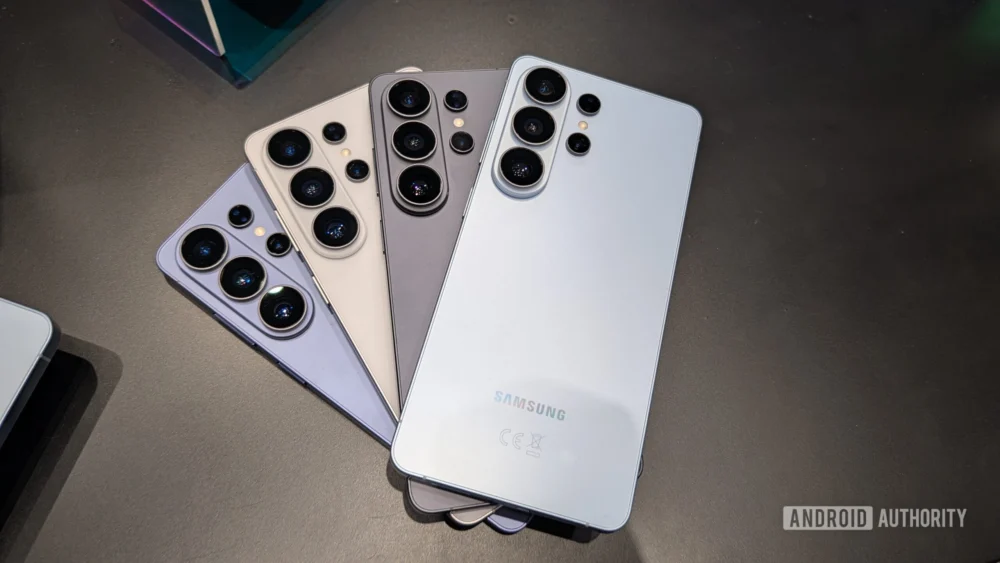
The unveiling of the Samsung Galaxy S26 series this week, immediately followed by the opening of pre-order channels, initiated the predictable rush for the latest flagship iteration from the South Korean technology giant. Consumers worldwide, eager to secure the most advanced iteration of the Galaxy ecosystem—particularly the S26 Ultra—flooded digital storefronts. However, the reality of high-demand product rollouts dictates that even the earliest reservations rarely translate to immediate device acquisition. Shipping timelines are typically staggered over several days, and often weeks, dependent on regional allocation, carrier fulfillment speed, and logistical bottlenecks. Against this backdrop of anticipated delays, an unusual event has surfaced: at least one fortunate customer has seemingly bypassed the queue entirely, receiving their Galaxy S26 Ultra mere hours after the official announcement concluded.
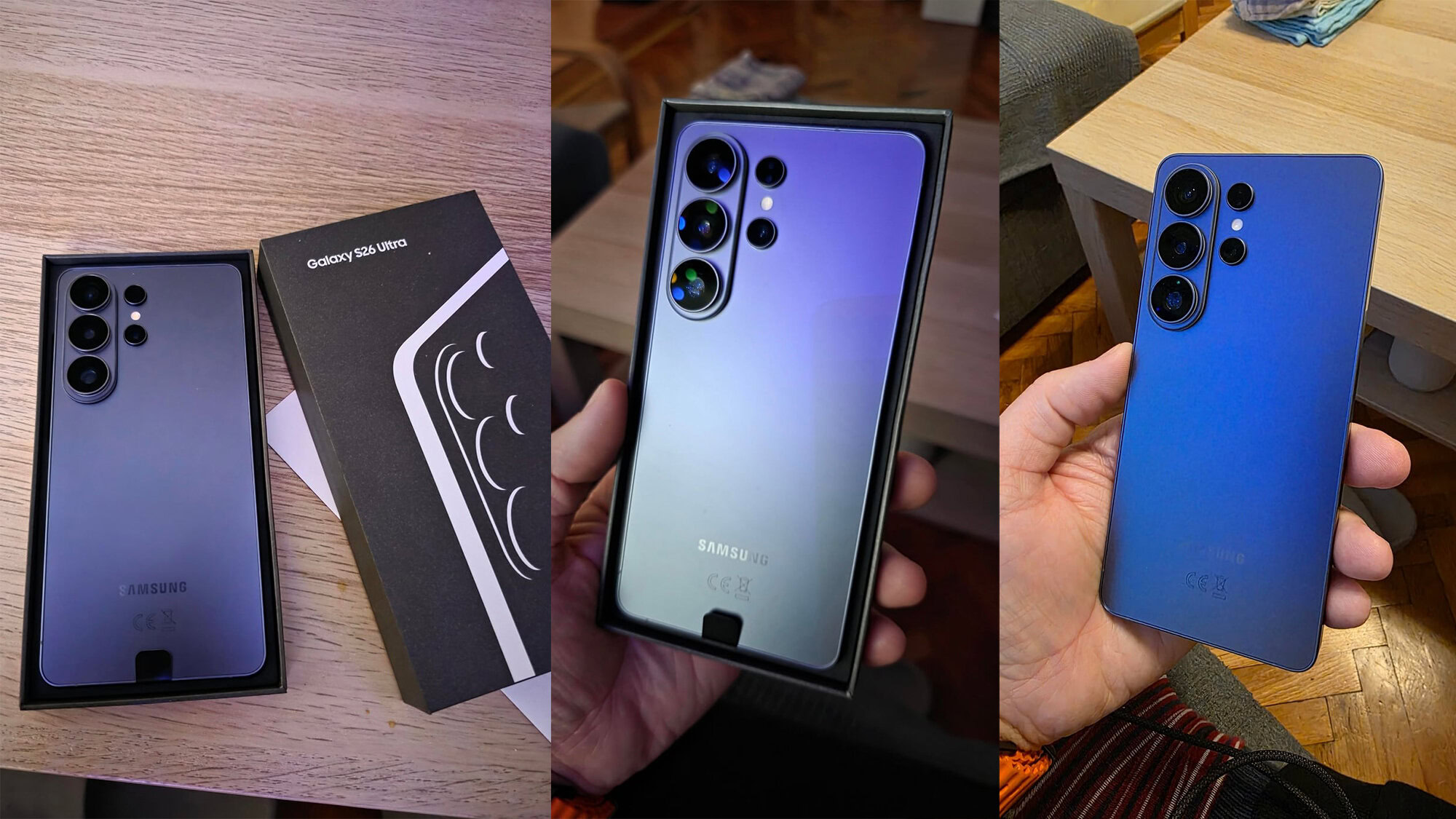
This early arrival, first documented on community forums by a Reddit user identified as "Boris499," offers a fascinating, albeit anecdotal, glimpse into potential supply chain anomalies or preferential distribution practices. The initial post detailing the acquisition was rapidly retracted, not due to fabrication, but due to an inadvertent exposure of the device’s unique International Mobile Equipment Identity (IMEI) number—a significant security oversight in the age of digital sharing. Recognizing the risk, the user subsequently re-engaged the community with revised photographic evidence confirming the physical possession of the premium device, showcasing the rear panel of what appears to be the genuine Galaxy S26 Ultra.
While the identity of the lucky recipient and their precise geographic coordinates remain undisclosed, subsequent conversational threads provided contextual clues pointing toward an origin within the European Union. The user indicated the purchase was facilitated directly through Deutsche Telekom, a major telecommunications provider whose global network is intrinsically linked to T-Mobile in North America. This direct-to-carrier acquisition channel, particularly in a high-priority market like the EU, might explain the swift fulfillment, suggesting a streamlined prioritization protocol for specific carrier partners immediately following the Unpacked event.
This incident stands in contrast to other reported early acquisitions, such as an instance involving a YouTuber in the United Arab Emirates (UAE) who managed to obtain an S26 Ultra ahead of the general release window. However, that specific acquisition carried a significant premium, reportedly costing nearly three times the official retail price through an unauthorized third-party reseller. The Reddit user’s experience, conversely, appears to be rooted in a standard, though expedited, pre-order fulfillment process directly tied to an established distribution partner, offering a potentially cleaner data point on Samsung’s initial dispatch strategy.
Samsung’s official guidance projected the commencement of general pre-order deliveries for the entire S26 lineup—including the base S26, the S26 Plus, and the S26 Ultra—to commence around March 6th, with retail shelf availability slated for March 11th. The appearance of a device nearly a full week ahead of the projected mass distribution date underscores the inherent variability in global product launches. These discrepancies are seldom indicative of widespread issues but rather expose the complexity of synchronizing logistics across continents, regulatory environments, and disparate retail channels.
Industry Implications: The Pre-Launch Velocity Metric
The swift delivery to this single customer raises critical questions regarding inventory staging and market prioritization. In the fiercely competitive flagship smartphone sector, the perception of immediate availability is almost as valuable as the product itself. Companies invest heavily in creating a perception of scarcity followed by rapid fulfillment to capitalize on peak launch excitement. When one customer receives a device significantly early, it can trigger minor internal crises for retailers facing imminent fulfillment deadlines and raise external speculation about the true scale of pre-launch stock readiness.
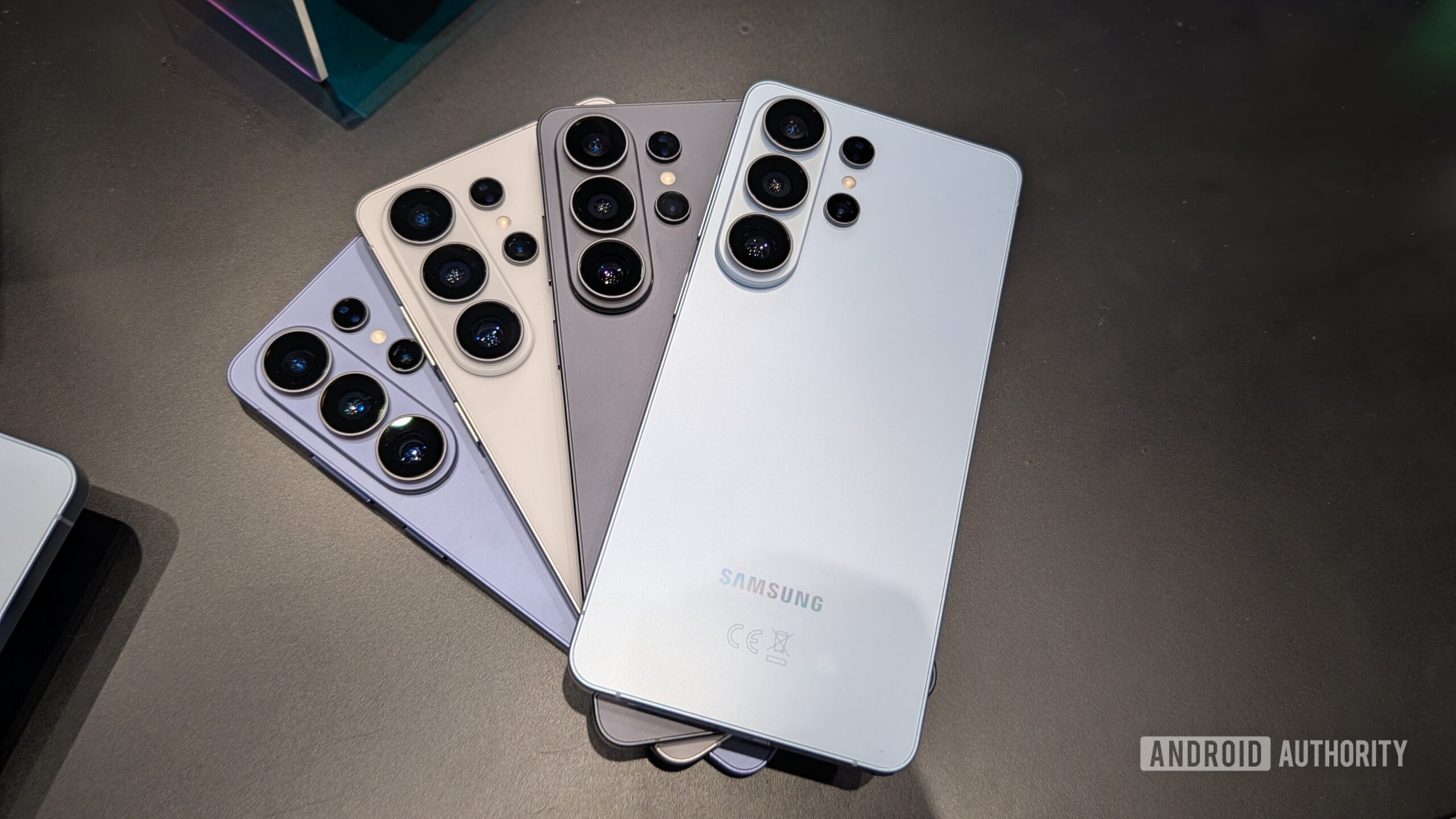
For carriers like Deutsche Telekom, early delivery of flagship devices to select customers serves as a powerful marketing tool. It demonstrates preferential treatment and operational efficiency, reinforcing the value proposition of purchasing directly from the network operator rather than unlocked channels. This "first-to-market" advantage, even if isolated, is leveraged in marketing materials to encourage immediate commitment from future buyers.
From an analytical standpoint, this early delivery suggests a high degree of confidence, or perhaps an over-allocation, in the supply chain supporting a specific geographic region or carrier partner. Manufacturers often pilot initial shipments to key distribution hubs or strategic retail outlets for final system checks—a process sometimes referred to as "soft-launching" units into the wild. While these are usually controlled environments, an accidental or strategic early shipment to a consumer can accelerate public discourse and provide early, unvarnished feedback on the device’s initial performance and software stability before the official embargo lifts for mainstream reviewers.
Expert Analysis: Logistics and Allocation Strategy
The phenomenon of early device delivery is not new; it is a recurring feature of major tech launches, often tracing back to sophisticated logistics planning. Manufacturing centers, typically in Asia, coordinate intricate global freight movements. The S26 series, featuring the bespoke Snapdragon 8 Elite Gen 5 for Galaxy chipset and advanced camera modules, involves numerous complex components whose arrival times must be perfectly synchronized.
In this context, the EU recipient’s experience via Deutsche Telekom might point to a "Tier 1" allocation status. Major carriers often secure contractual agreements that guarantee early access to inventory, sometimes receiving units days before the official press review samples are dispatched widely. This can be due to volume commitments or the strategic importance of the European market in Samsung’s global revenue breakdown. Furthermore, regional warehousing strategies might have positioned stock closer to the EU distribution centers, allowing for faster last-mile delivery compared to regions relying on trans-oceanic transfers immediately post-Unpacked.
The contrast with the UAE instance—where a consumer paid an exorbitant markup—highlights the economic pressure surrounding high-demand electronics. Arbitrageurs and enthusiastic early adopters are willing to absorb significant financial penalties to be among the first to possess the hardware. This secondary market activity, while marginal, validates the high desirability of the S26 Ultra and informs Samsung’s future pricing and allocation models.
Future Impact and Technological Context
The Galaxy S26 Ultra is positioned as a significant leap, particularly concerning its integration of "Galaxy AI" features, running atop the new specialized SoC. Consumers securing the device early gain a crucial advantage: time. They can explore the device’s purported capabilities—including the enhanced 200MP main camera, refined optical zoom, advanced 8K video processing, and the proprietary AI toolset—long before the broader user base and before detailed comparative reviews dominate the media landscape. This "head start" allows for the development of independent tutorials, user-generated benchmarking, and the identification of any Day One software quirks.
The US pricing structure, starting at $899.99 for the base S26, $1,099.99 for the Plus, and $1,299.99 for the Ultra, establishes the flagship firmly in the premium segment. The availability of aggressive trade-in incentives, particularly for existing Samsung device owners, is a key strategy to drive rapid adoption and maintain market share against fierce competition. The expectation is that the S26 Ultra, with its focus on enhanced privacy displays and optimized cooling for sustained performance, will appeal strongly to power users who require uncompromising capability.
The logistics challenge for Samsung in the coming weeks will be managing the sheer volume of pre-orders effectively. The delivery schedule suggests a concentrated push in the first two weeks of March. Any systemic failure to meet the March 6th commitment could erode consumer confidence, leading to order cancellations or shifts to competitor platforms. The early arrival of the single S26 Ultra, while exciting for the recipient, places subtle pressure on the entire fulfillment ecosystem to maintain that velocity across millions of subsequent orders.
The device itself, described as Samsung’s slimmest and lightest Ultra iteration yet, integrates a 6.9-inch 10-bit display alongside the specialized Snapdragon silicon. These hardware advancements require meticulous quality control, which typically necessitates staggered rollouts. An individual receiving the device this quickly implies that their unit successfully navigated all internal quality gates well ahead of the formal dispatch schedule. This could suggest that the initial production batch intended for this specific European carrier was completed and cleared inspection earlier than the batches designated for other primary markets, perhaps due to differing regional compliance testing requirements or simply the sequencing of assembly line output.
Navigating Consumer Expectations in the Age of Instant Gratification
This isolated early delivery serves as a potent reminder of the evolving consumer expectation in the digital era. Where once a product launch involved waiting for official review units, consumers now expect immediate access, fueled by social media amplification. A single positive anecdote of near-instant gratification—receiving a highly coveted flagship the day after its announcement—creates a powerful aspirational narrative that often overshadows the reality of delayed shipments for the vast majority.
For industry watchers, the key takeaway is not the singular lucky recipient, but what this incident reveals about the supply chain architecture of a major OEM. It demonstrates the capability, under optimal conditions, to move high-value, high-demand hardware from the point of manufacture to the end-user in under 24 hours within specific, pre-negotiated distribution corridors. This level of agility is the ultimate goal for all consumer electronics companies, aiming to eliminate the lag time between hype generation and product experience. The ultimate success of the Galaxy S26 launch will hinge on how quickly Samsung and its global partners can convert that single, fortunate delivery into a scalable, global reality over the next fortnight.