

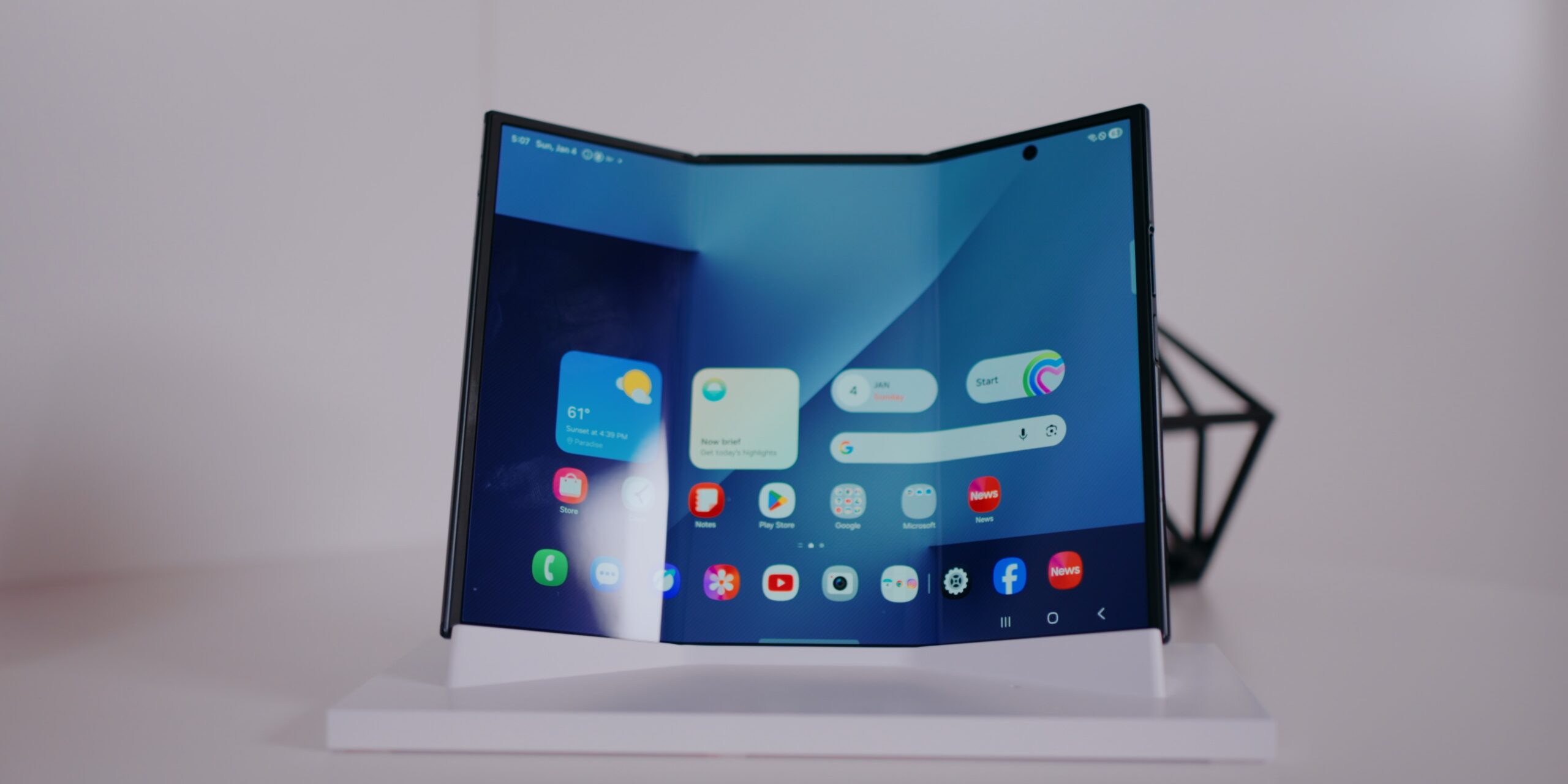
The arrival of the Samsung Galaxy Z TriFold in the United States marks a significant moment for mobile hardware engineering. This device, showcasing a complex, multi-hinge mechanism that unfolds into a near-tablet-sized 10-inch canvas, represents the zenith of current foldable innovation. It pushes the very definition of a smartphone, attempting to seamlessly merge handheld utility with multi-tasking prowess reminiscent of a small laptop. However, this technological leap is tethered to an astronomical price point, demanding a staggering $2,900 investment. This positions the TriFold not merely as a premium offering, but as the most expensive mainstream Android device currently available. While the engineering feat is undeniable, the fiscal hurdle necessitates a critical examination: is this level of bleeding-edge iteration truly justifiable for the average high-end consumer when several other exceptional devices offer superior balance in cost, usability, and performance?
The market for folding phones is rapidly bifurcating. On one side, there are devices like the TriFold, dedicated to maximizing screen real estate, often sacrificing portability and introducing significant bulk. On the other, there are more refined, established form factors—both traditional "slab" phones and more compact clamshell foldables—that deliver flagship performance without the novelty premium or the associated physical compromises. For the vast majority of discerning buyers, especially those conscious of value proposition, the TriFold’s expense cannot be ignored. This analysis explores five compelling Android handsets that offer more practical utility, superior ergonomics, or better overall feature sets for hundreds, if not thousands, of dollars less.
The Context of Cost: Innovation vs. Practicality in Foldables
The introduction of tri-fold technology represents an inflection point in smartphone development, similar to the early days of dual-screen devices. Manufacturers are exploring form factors to differentiate their offerings in a saturated premium market. Samsung, by adopting this aggressive triple-hinge design, signals a commitment to maximalist screen expansion. Yet, this commitment has tangible trade-offs. The TriFold’s closed dimensions—a thickness of 12.9mm and a weight hovering near 309 grams—transform the device into a substantial pocket burden. In the landscape of mobile technology, where sleeker, lighter designs are continually sought, the TriFold represents a momentary detour toward sheer scale. This invites industry analysis regarding whether consumers are ready to accept such significant ergonomic penalties for an extra few inches of screen space, especially when existing foldables already provide substantial tablet-like functionality.
1. The Sensible Successor: Samsung Galaxy Z Fold 7
For consumers captivated by the book-style foldable format pioneered by Samsung, the most logical and fiscally responsible alternative to the TriFold is its immediate predecessor in the mainline series, the Galaxy Z Fold 7. This device encapsulates the refined experience of a mature foldable platform.
The comparison here is stark. The TriFold’s appeal rests entirely on its 10-inch unfolded display, but the Fold 7 counters with an excellent, yet far more manageable, 8-inch inner screen. More critically, the ergonomic disparity is profound. The Fold 7 weighs in at a comparatively svelte 215 grams and closes to a manageable 8.9mm thickness. In day-to-day use, this difference translates from carrying a heavy, almost two-phone-thick object (the TriFold) to handling a device that closely mimics the feel of a traditional premium slab phone when closed.
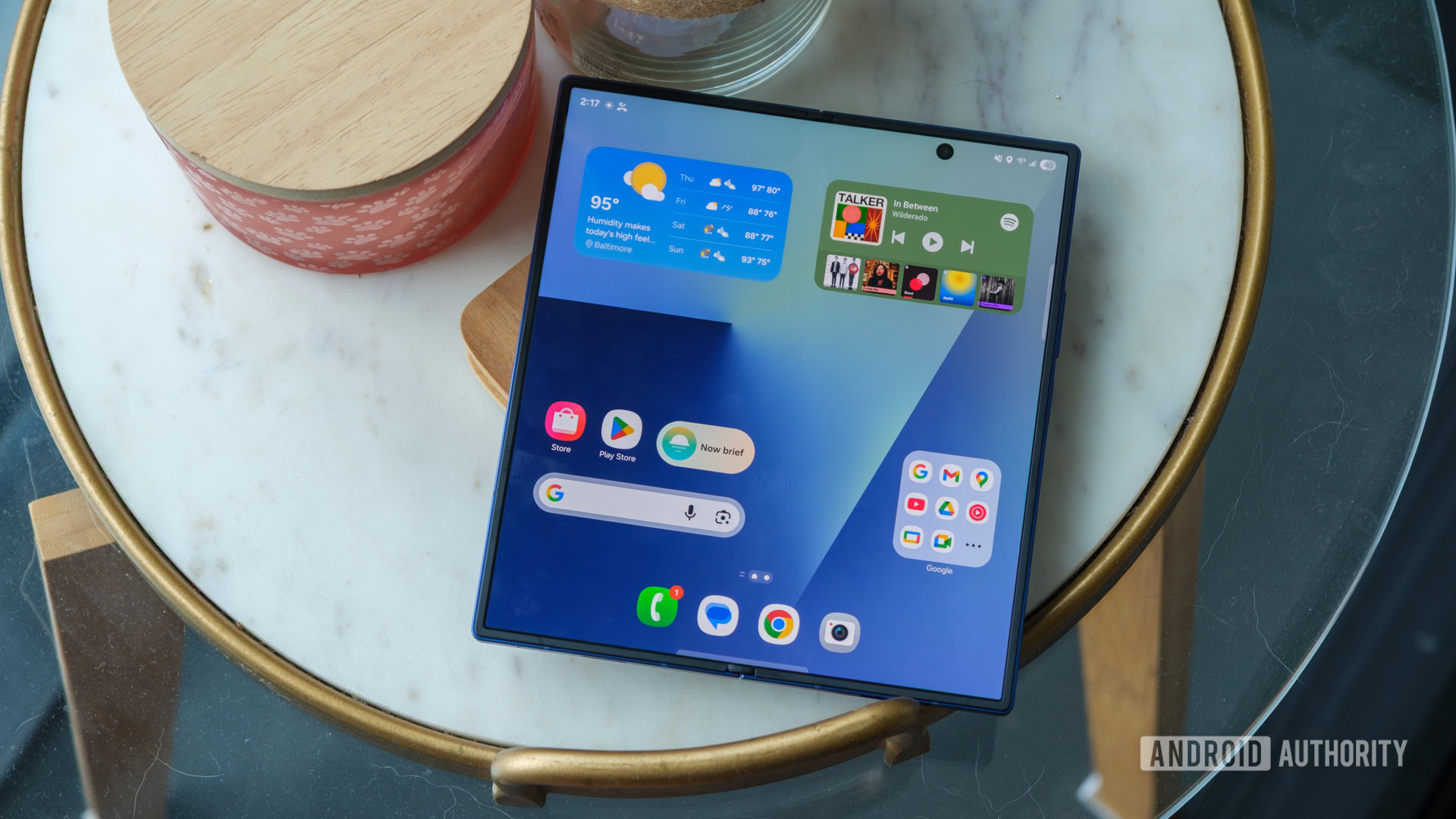
From a technical standpoint, the Fold 7 is not merely a budget option; it is nearly a feature parity device. It shares the identical cutting-edge chipset, the core camera array architecture, and the identical software experience and long-term update commitment as the much pricier TriFold. The only significant deficit is the screen size differential. Given that the Fold 7 saves the purchaser $900—a sum that could easily cover another high-end smartphone or a year of premium services—the decision becomes straightforward. For those prioritizing the foldable experience without entering the ultra-niche, hyper-expensive tier, the Z Fold 7 offers the most balanced equation of innovation, power, and daily usability.
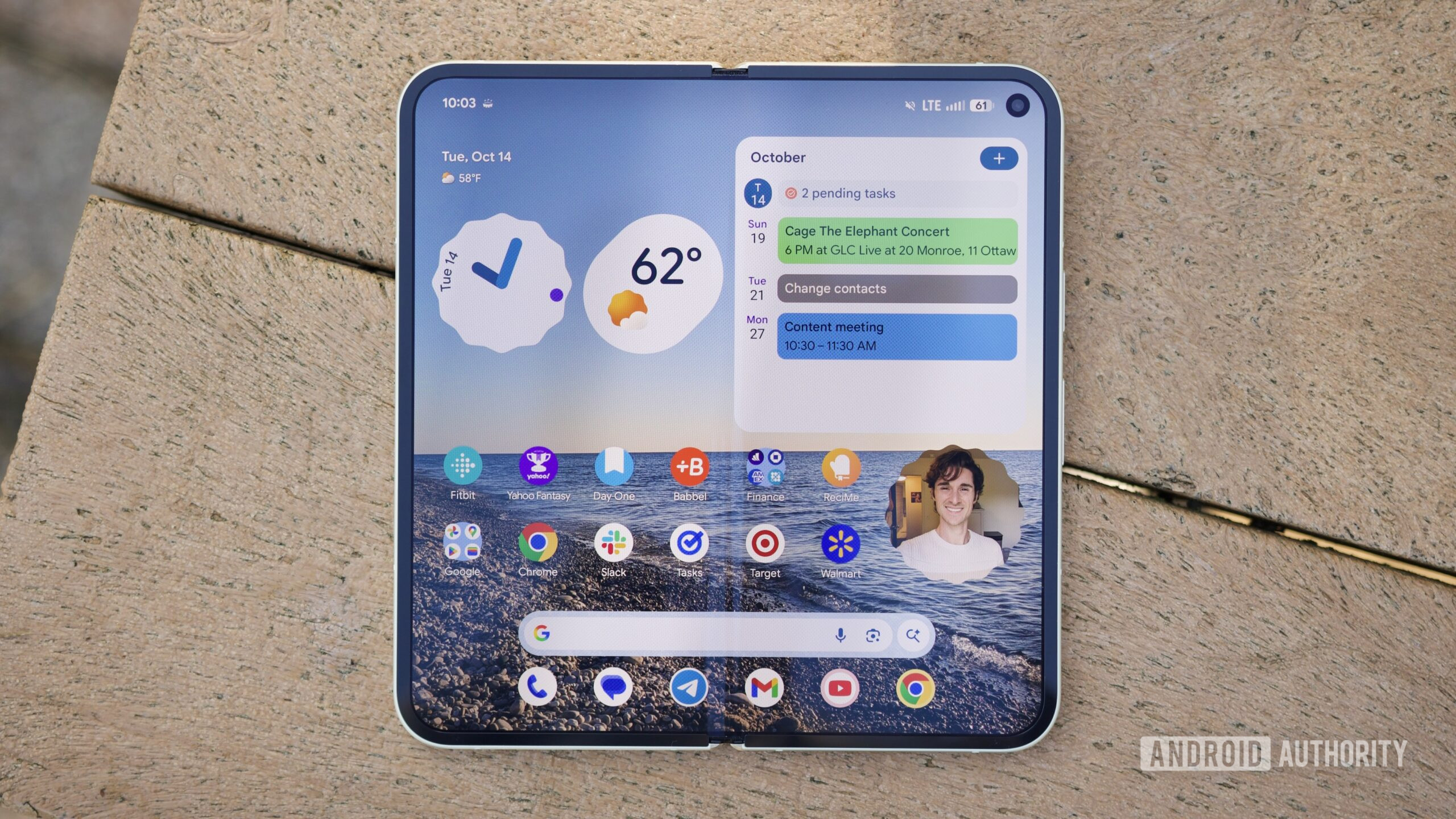
2. The Durability and Software Darling: Google Pixel 10 Pro Fold
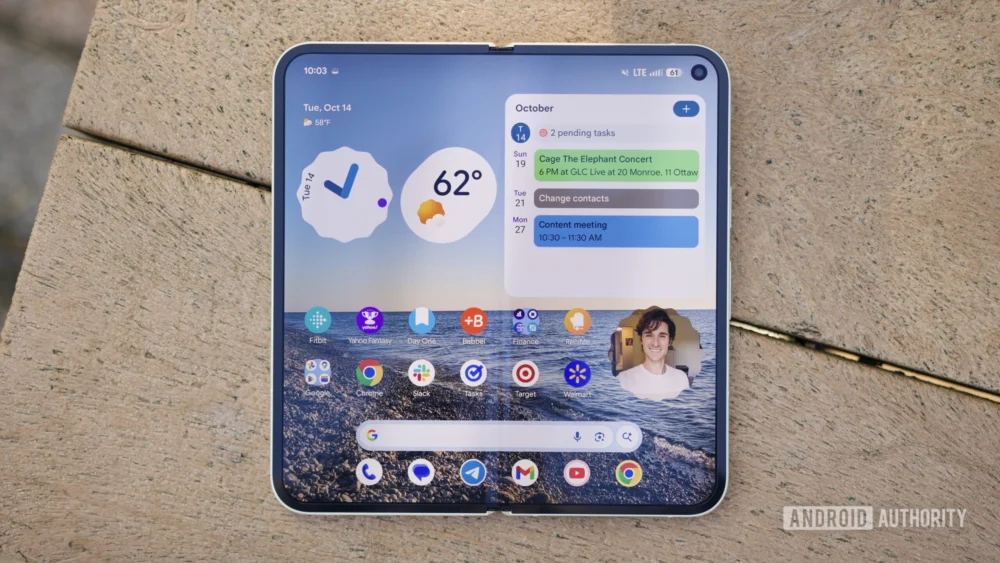
The book-style foldable market in the US remains relatively sparse, making any competitor to Samsung’s established line noteworthy. The Google Pixel 10 Pro Fold presents a compelling counter-narrative to the TriFold’s sheer size, focusing instead on refinement and native software integration.
While the Pixel 10 Pro Fold does not incorporate Samsung’s tri-folding architecture, it offers a robust, conventional folding design that is significantly more pocket-friendly than the TriFold, albeit slightly heavier than the Fold 7. Its 8-inch inner display is visually stunning, benefiting from Google’s calibration expertise. However, the Pixel’s primary advantages lie in two key areas: ingress protection and operating system experience.
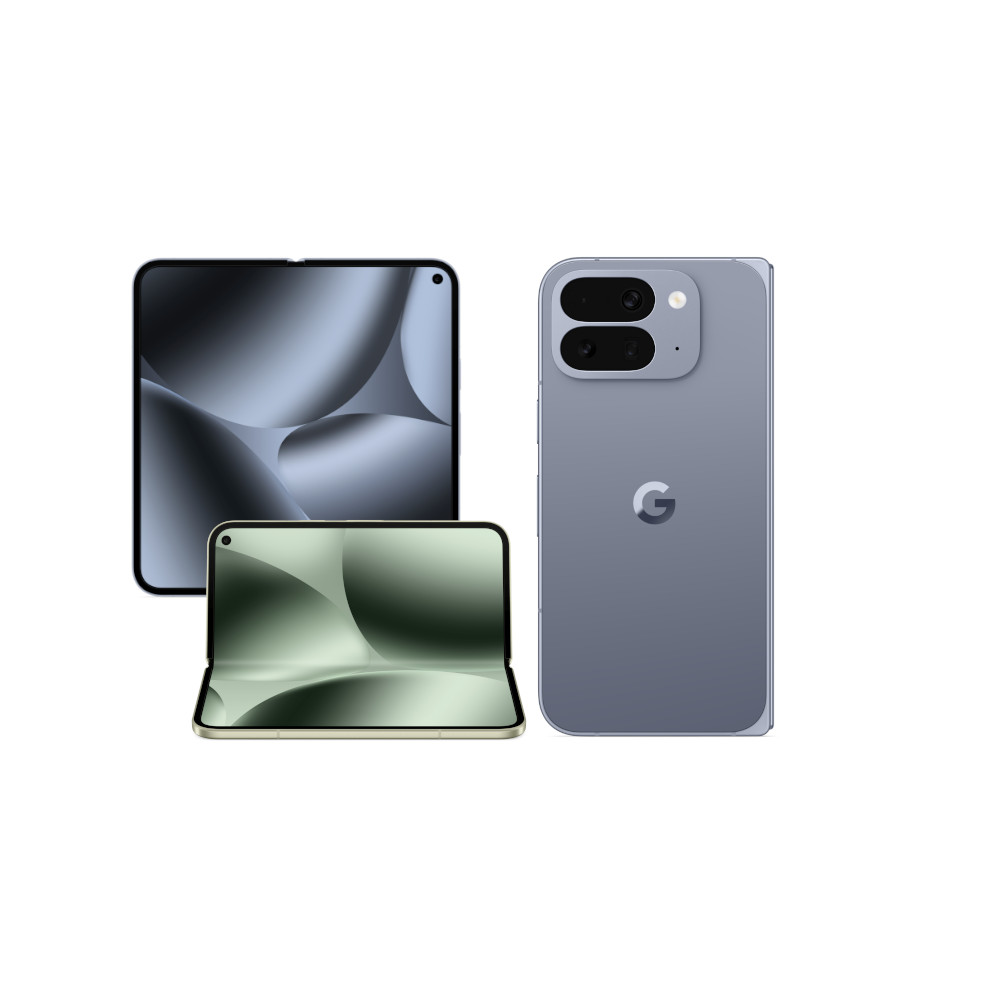
In terms of physical resilience, the Pixel 10 Pro Fold boasts an IP68 rating, signifying complete dust resistance and high-level water resistance. This stands in contrast to the IP48 rating on both the Z Fold 7 and the TriFold, which provides only limited protection against dust and splashing water. For a device whose hinge mechanism is already inherently more complex and vulnerable, superior environmental sealing is a significant long-term advantage.
Furthermore, the software ecosystem provides a distinct draw. While Samsung’s One UI excels at optimizing for large, multi-paneled displays, many users prefer the clean, timely, and feature-rich environment of stock Android as delivered by Google. Features like the Material You design language, the proactive At a Glance widget, and integrated, cutting-edge AI tools exclusive to the Pixel line offer a distinct user experience that the TriFold, bound by Samsung’s proprietary layer, cannot replicate. When factoring in a $1,100 price saving compared to the TriFold, the Pixel 10 Pro Fold secures its position as a value-oriented powerhouse for those who prioritize Google’s ecosystem and enhanced durability.
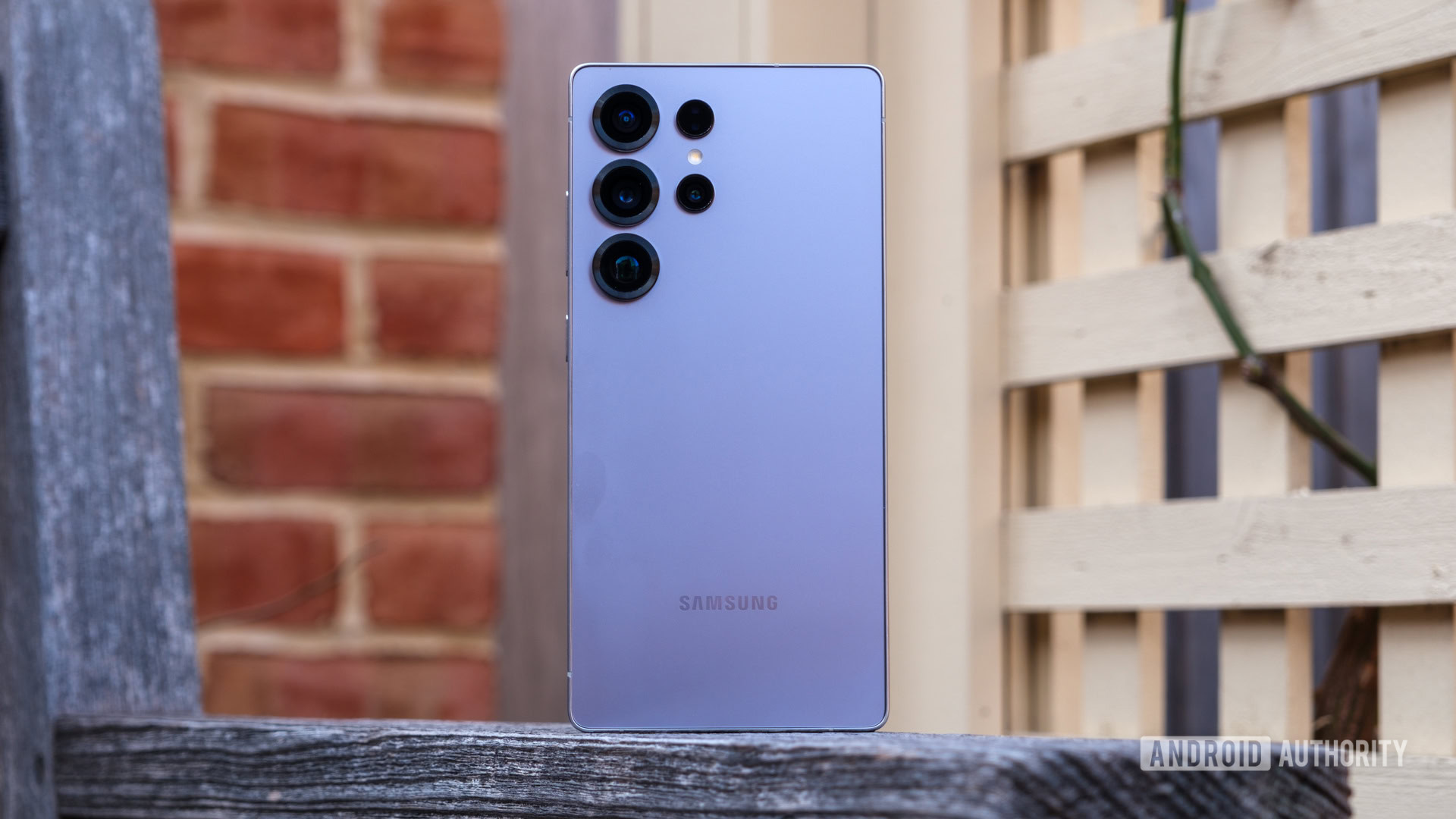
3. The Uncompromised Standard: Samsung Galaxy S25 Ultra
The inclusion of a traditional slate phone, the Samsung Galaxy S25 Ultra, in a list of TriFold alternatives might seem counterintuitive, given the focus on foldables. However, this comparison highlights a crucial element of purchasing decisions: the diminishing returns of extreme novelty versus the tangible benefits of proven, refined technology.
The Galaxy S25 Ultra is Samsung’s flagship non-folding device, representing the pinnacle of their conventional hardware expertise. While it lacks the "wow factor" of unfolding a 10-inch screen, its 6.9-inch display is technically superior in several ways, featuring a sharper resolution and an advanced anti-reflective coating that significantly enhances outdoor usability—a common pain point for highly reflective foldable surfaces.
Durability is another critical differentiator. Protected by Gorilla Armor 2 and carrying an IP68 rating, the S25 Ultra is designed to withstand real-world rigors far better than the TriFold. Performance-wise, it shares the same top-tier processing silicon as the TriFold and often surpasses its camera capabilities, particularly in telephoto versatility and ultrawide clarity. Perhaps most importantly for the productivity-focused user, the S25 Ultra fully supports the integrated S Pen experience, a feature often marginalized or adapted awkwardly on foldable devices.
The financial argument seals the case: the S25 Ultra costs $1,600 less than the TriFold. For a consumer who demands absolute peak performance, superior camera hardware, integrated stylus support, and robust build quality, sacrificing the triple-fold mechanism for a standard form factor yields a net gain in utility for a fraction of the cost. The S25 Ultra is the pragmatic apex predator of the traditional smartphone segment.
4. The Value Champion and Performance Leader: OnePlus 13
Shifting focus away from Samsung’s ecosystem, the OnePlus 13 emerges as a formidable contender for the title of "Best Overall Android Phone of 2025," irrespective of the TriFold’s existence. This device embodies the philosophy of maximizing flagship specifications without inflating the price tag through experimental form factors.
The OnePlus 13 offers a magnificent 6.9-inch AMOLED display that competes fiercely with the S25 Ultra, providing vibrant visuals and high refresh rates. Its hardware specifications are decidedly elite, featuring a substantial 6,000mAh battery—one of the largest capacities in the premium segment—paired with exceptionally rapid 80W charging capabilities, vastly outperforming the charging speeds typically associated with bulkier foldables. Performance is top-tier, supported by optimized cooling and memory configurations.
For a user willing to transition from the One UI environment, the OnePlus 13 offers near-perfect execution in the standard phone format. The primary barrier for some would be the shift in software skin, but for those seeking raw performance, endurance, and photographic excellence combined, it delivers.
The cost comparison here is perhaps the most staggering. At accessible market prices, the OnePlus 13 can often be acquired for $800 or less for higher storage configurations. This represents a monumental $2,100 saving over the Galaxy Z TriFold. To underscore the value disparity: one could purchase the OnePlus 13 and the more sensible Galaxy Z Fold 7, and still have money left over compared to acquiring a single TriFold. This highlights the immense cost inflation associated with the TriFold’s complex engineering.
5. The Compact Revolution: Motorola Razr Ultra
The final recommendation pivots the discussion entirely, offering an alternative perspective on folding technology: portability over pure expansion. The Motorola Razr Ultra represents the clamshell foldable category, which serves an entirely different consumer need than the TriFold’s tablet aspiration.
The TriFold attempts to replace both a phone and a small tablet; the Razr Ultra aims to perfect the phone experience by making it exceptionally compact. When unfolded, the Razr Ultra functions as a highly capable flagship device, sporting a large 7-inch AMOLED display, powered by the same high-end Snapdragon 8 Elite processor found in the S25 Ultra and OnePlus 13. It boasts competitive memory, strong camera performance for its class, and efficient 67W fast charging.

The transformative feature is its ability to fold horizontally into a small, dense square. This form factor is invaluable for users prioritizing deep pockets, minimal bag space, or effortless one-handed operation. It addresses the fundamental portability challenge that the TriFold exacerbates. While the TriFold adds complexity and weight to gain screen size, the Razr Ultra reduces physical footprint while maintaining near-flagship specifications. The ability to achieve a cutting-edge, yet highly portable, mobile experience for $1,600 less than the TriFold makes the Razr Ultra a compelling choice for those who value design elegance and pocketability above maximizing multi-tasking windows.
Future Implications: The Maturation of Mobile Form Factors
The introduction of the TriFold serves as a powerful data point for the mobile industry. It validates Samsung’s R&D capabilities but also underscores the current physical limits of screen-folding mechanisms when aiming for tri-segment expansion. While the technology is undoubtedly impressive, its $2,900 price tag suggests it will remain a niche, enthusiast product for the foreseeable future, primarily serving as a halo device to showcase engineering prowess rather than a mass-market contender.
The alternatives presented—the refined Fold 7, the rugged Pixel Fold, the robust S25 Ultra, the value-driven OnePlus 13, and the pocketable Razr Ultra—collectively demonstrate the healthy diversification of the premium Android landscape. Future trends suggest that manufacturers will focus on incrementally improving hinge durability (addressing the inherent weakness of all foldables), achieving true dust resistance (an area where Samsung lags), and, crucially, driving down the cost premium associated with flexible OLED panels. Until the engineering costs of tri-folding mechanisms drop significantly, or until consumers become demonstrably willing to carry a device the size of a small paperback book, these five established platforms offer demonstrably better value and a more optimized user experience across the spectrum of mobile needs. The TriFold is a technological marvel, but for practical spending in the current market, it remains an academic exercise rather than a recommended purchase.