

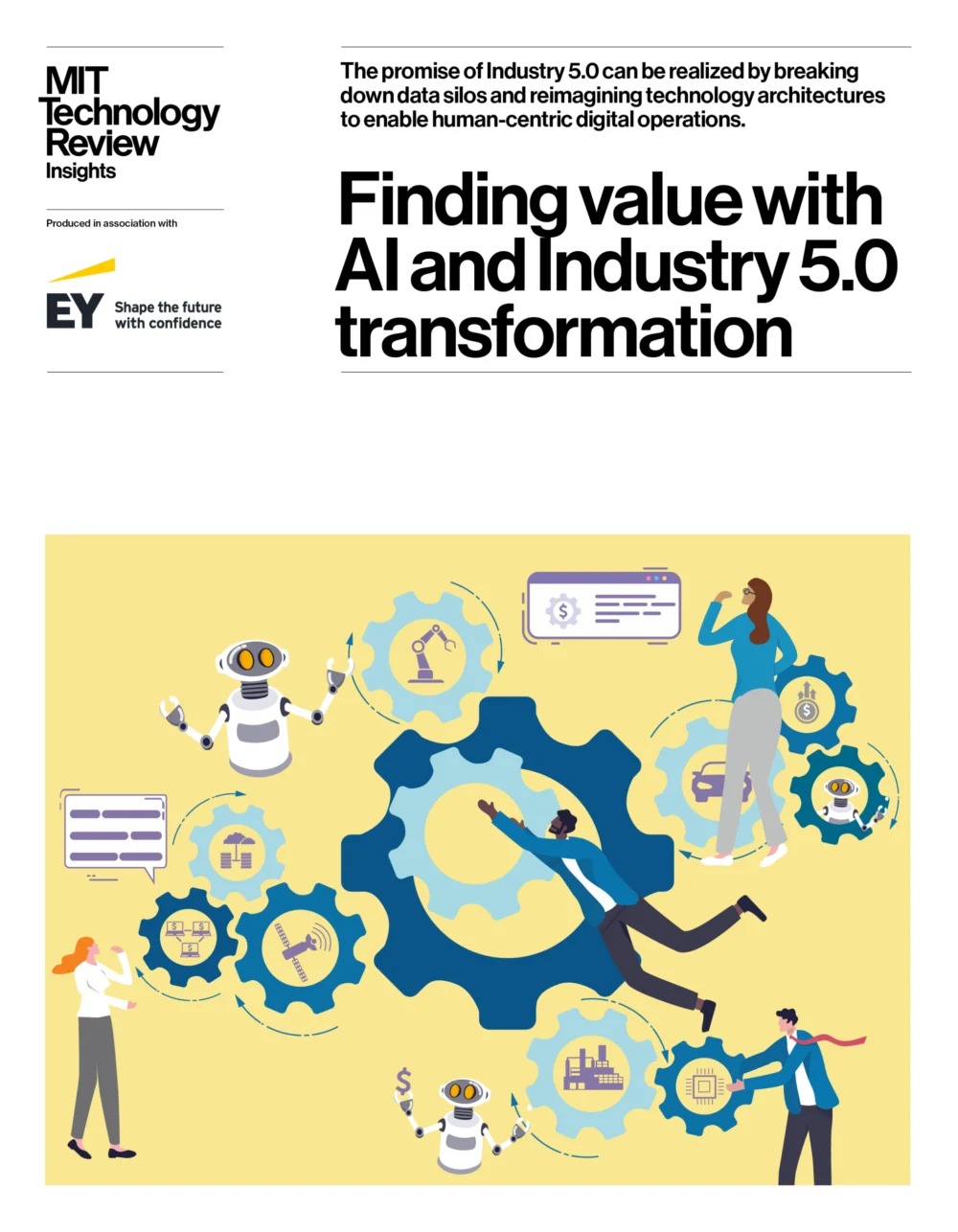
The industrial world is currently navigating a profound metamorphosis, moving beyond the foundational connectivity of Industry 4.0 into the more nuanced, purpose-driven era of Industry 5.0. For the better part of the last decade, the global manufacturing and energy sectors have been consumed by the promise of Industry 4.0—a period defined by the aggressive integration of the Internet of Things (IoT), cloud computing, and early-stage artificial intelligence. The primary objective of that era was clear: connectivity. By linking machines to the cloud and generating vast streams of data, enterprises sought to achieve unprecedented levels of visibility and automation. However, as the limitations of pure automation become apparent, a new paradigm is emerging. Industry 5.0 represents a pivot from the mere integration of emerging technologies to the sophisticated orchestration of these tools at scale, with a renewed focus on human potential and environmental stewardship.
While Industry 4.0 was largely a story of machines talking to machines, Industry 5.0 is a story of machines and humans working in a symbiotic loop. This shift is not merely academic; it is a necessary evolution born from the realization that technology alone cannot solve the complex, volatile challenges of the modern global economy. To thrive in this new landscape, organizations must look beyond the immediate gratification of incremental efficiency gains and instead focus on how technology can augment human creativity, bolster institutional resilience, and drive sustainable growth.
The Efficiency Trap and the Value Gap
Despite the lofty goals of the fifth industrial revolution, recent global research involving hundreds of industry leaders suggests a significant disconnect between ambition and execution. Currently, a vast majority of industrial investments remain tethered to the Industry 4.0 mindset, targeting narrow efficiency metrics such as cost reduction, throughput speed, and waste minimization. While these are essential components of any healthy business, they are increasingly viewed as "table stakes"—necessary for survival but insufficient for long-term market leadership.
The data reveals a striking paradox: while human-centric and sustainability-focused initiatives consistently demonstrate higher long-term value, they remain chronically underfunded compared to traditional automation projects. This "value gap" occurs because many organizations lack the disciplinary frameworks required to track and measure non-linear forms of value creation. When an investment is measured solely by how many dollars it saves in a single fiscal quarter, the broader strategic benefits—such as increased workforce agility, improved employee retention, or a reduced carbon footprint—are often sidelined.
This tactical bias creates a cycle of diminishing returns. Companies that focus exclusively on efficiency often find themselves with highly optimized processes that are brittle and incapable of adapting to sudden market shifts or supply chain disruptions. Industry 5.0 argues that true value is found in resilience—the ability of an organization to not only withstand shocks but to use them as catalysts for growth.
Beyond Automation: The Power of Human-Machine Collaboration
One of the defining characteristics of Industry 5.0 is the intentional removal of data silos to facilitate a radically new level of collaboration between human workers and intelligent systems. In the previous era, the goal was often to remove the human from the loop to eliminate "human error." Industry 5.0 flips this logic, suggesting that the most powerful industrial outcomes occur when AI and robotics are used to enhance, rather than replace, human judgment.

In this model, AI acts as a "copilot" for the industrial worker. On the factory floor, this might look like a collaborative robot (cobot) handling repetitive, ergonomically taxing tasks while a human operator focuses on quality control and process innovation. In the executive suite, it involves using digital twins and predictive analytics to run "what-if" scenarios that allow leaders to make more informed, ethically grounded decisions.
However, achieving this level of orchestration requires more than just a software update. It demands a fundamental rethinking of the "human-centric" element of production. Experts in the field, including leaders from global consultancies and academic institutions, point out that the barriers to Industry 5.0 are rarely technological. Instead, they are rooted in culture, skills, and leadership. Organizations that fail to invest in upskilling their workforce or fostering a culture of continuous learning will find that their expensive AI tools are underutilized or, worse, viewed with suspicion by the very people meant to use them.
Avoiding the "Digital Fairy" Phenomenon
A common pitfall in digital transformation is what some industry veterans call "chasing the digital fairies"—the tendency to invest in shiny new technologies because of their perceived novelty rather than their strategic utility. This approach often leads to a fragmented landscape of "pilot purgatory," where various departments run isolated experiments that never scale or deliver meaningful enterprise value.
Industry 5.0 requires a disciplined, domain-specific roadmap. Every sector, whether it be iron ore mining, pharmaceutical manufacturing, or energy distribution, has a unique set of levers that drive value. Successful transformation requires leaders to be exceptionally clear about which problems they are trying to solve and why. This clarity allows for the alignment of technology investments with broader business goals, such as entering new markets, achieving net-zero emissions, or improving the safety and well-being of the workforce.
When technology is deployed with this level of intentionality, it ceases to be a cost center and becomes a driver of "new forms of enterprise value." This value is measured not just in dollars saved, but in the creation of new opportunities—such as the ability to offer "product-as-a-service" models or the capability to rapidly pivot production lines in response to changing consumer demands.
The Role of Strategy, Culture, and Leadership
The transition to Industry 5.0 is as much a psychological shift as it is a technical one. Research conducted in partnership with leading business schools suggests that the most successful companies are those that bolster their human-centric elements alongside their digital ones. Strategy must evolve from a top-down mandate to a dynamic, iterative process. Culture must shift from one of "command and control" to one of "empower and collaborate."
Leadership in the 5.0 era requires a different set of competencies. Leaders must be able to navigate the intersection of data science and human psychology. They must be able to communicate a vision that goes beyond the bottom line, articulating how the company’s digital transformation contributes to the well-being of its employees and the health of the planet.

This focus on well-being is not merely a "soft" benefit. There is a direct correlation between employee engagement and operational excellence. In an era where the industrial sector faces a chronic talent shortage, the ability to provide a technologically advanced, human-centric workplace is a significant competitive advantage. Workers in an Industry 5.0 environment are not just cogs in a machine; they are empowered problem-solvers who use technology to amplify their impact.
Environmental Sustainability as a Core Metric
Perhaps the most significant departure from Industry 4.0 is the elevation of environmental sustainability from a secondary concern to a primary driver of industrial strategy. In the past, sustainability was often treated as a compliance issue—something to be managed through reporting and offset credits. Industry 5.0 integrates sustainability into the very fabric of operations.
By utilizing AI-driven resource optimization and digital twins, companies can minimize their energy consumption and material waste in real-time. This is not just good for the planet; it is good for the balance sheet. As resource scarcity increases and carbon pricing becomes more prevalent, the most efficient companies will be those that can produce more with less. Industry 5.0 provides the technological framework to move toward a "circular economy," where waste is designed out of the system and products are built for longevity and recyclability.
The Future Outlook: Orchestration at Scale
Looking ahead, the successful industrial enterprises of the 2030s will be those that have mastered the art of orchestration. They will have moved past the "tactical" phase of digital transformation and into a state of "strategic maturity." In this future state, AI and human intelligence are not competing forces but are intertwined in a way that drives continuous innovation.
The path to this future is not without its challenges. It requires a willingness to move away from legacy mindsets and a commitment to investing in the "human" side of the equation. It requires leaders who are brave enough to prioritize long-term resilience over short-term efficiency gains.
As the lines between the physical and digital worlds continue to blur, the true value of Industry 5.0 will be found in its ability to create a more balanced, sustainable, and human-centric industrial landscape. The transformation is no longer just about the technology we use; it is about the purpose for which we use it. By focusing on growth, resilience, and human outcomes, the industrial sector can finally realize the full potential of the digital age, turning the promise of AI into a tangible reality that benefits both shareholders and society at large.