

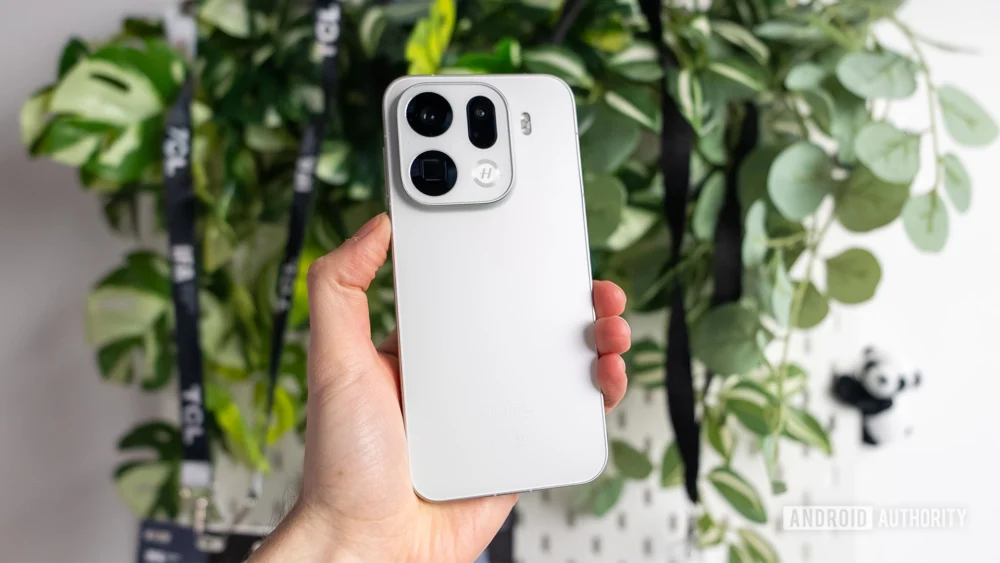
The landscape of mobile device accessories and charging standards has long been characterized by a distinct divergence between the Apple ecosystem and the broader Android market. Central to this divide is the seamless, magnetic attachment system pioneered by Apple’s MagSafe technology. While Qi wireless charging has been a standard feature on premium Android devices for years, the crucial element of integrated magnetic alignment—which ensures optimal charging efficiency and facilitates a robust ecosystem of snap-on accessories—remains largely absent. This deficiency often leaves Android users reliant on third-party cases retrofitting magnets or accepting less reliable, slightly misaligned charging experiences. The recent, albeit nascent, speculation suggesting that OPPO might integrate this magnetic functionality into its forthcoming Find X10 series represents a potentially pivotal moment for the entire Android hardware sector.
The Magnetic Charging Divide: A User Experience Gap
For many consumers, the allure of MagSafe transcends mere charging speed; it represents an enhanced level of tactile interaction and utility. The magnetic ring not only guarantees perfect coil alignment for the most efficient power transfer, minimizing heat generation and maximizing wattage delivery, but it also underpins a diverse array of peripherals, from wallets and car mounts to dedicated battery packs. This ecosystem effect creates a high barrier to entry for competitors attempting to replicate the experience through passive standards alone.
Android manufacturers have generally hesitated to incorporate internal magnet arrays. Historically, this reluctance has been attributed to several factors: design complexity, potential interference with internal components (like advanced camera stabilization systems or near-field communication antennas), and the perceived overhead of implementing a proprietary or non-standardized solution. Furthermore, the existing Qi standard, evolving into Qi2 which incorporates magnetic elements derived from MagSafe specifications, is still in the process of mass adoption across the component supply chain. Many manufacturers have opted to wait for full, uninhibited integration of Qi2 rather than developing bespoke magnetic systems.
Google’s foray with the Pixel series, notably incorporating magnetic features for its PixelSnap accessories, demonstrates an internal recognition of the user benefit. However, these implementations have remained largely siloed within the Pixel ecosystem, failing to spur widespread adoption across the Android OEM landscape. Conversely, reports surrounding flagship devices from other titans, such as Samsung, have frequently indicated a continued aversion to integrating these permanent magnetic structures, suggesting that major players are prioritizing slim profiles or other design imperatives over universal magnetic attachment capabilities.
The Whisper of OPPO’s Intent: Decoding the Rumor
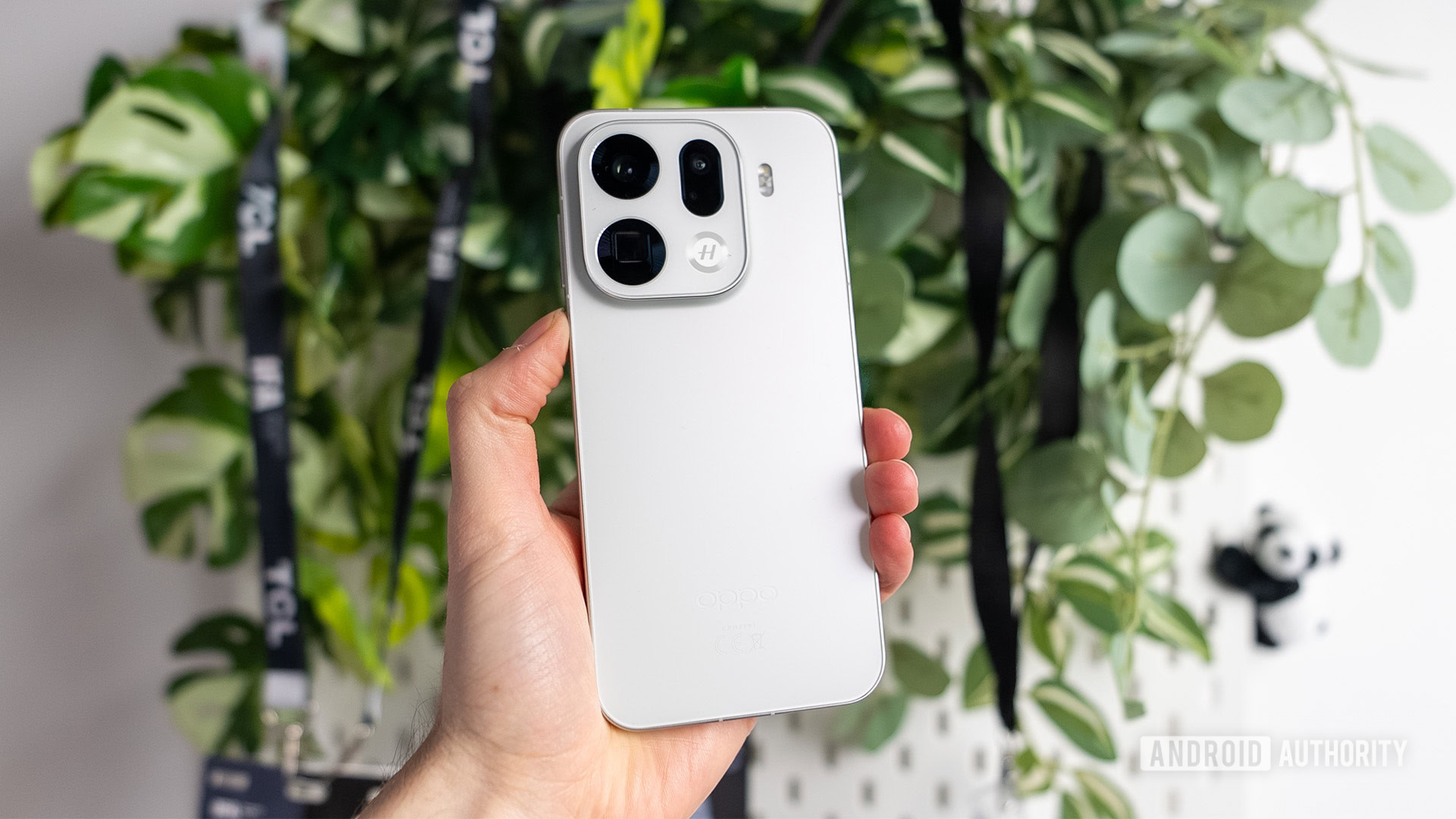
The current focus has shifted to OPPO, a company renowned for its rapid technological iteration and aggressive feature implementation in its flagship Find X line. A recent communication originating from Chinese sources, specifically leaker Smart Pikachu, hints at a significant hardware evolution for the expected OPPO Find X10. The translated reference points toward an "updated magnetic closure," a phrase that, while linguistically ambiguous in the context of a standard slab phone, strongly suggests a feature analogous to MagSafe integration.
The ambiguity of the term "closure" is the immediate hurdle for analysts. In the realm of foldable devices (like OPPO’s N-series), a magnetic closure refers to the hinge mechanism keeping the device shut. Since this rumor is tied to the non-foldable, premium X-series, the interpretation must pivot toward "magnetic attachment" or "magnetic coupling." If this speculation holds water, it implies OPPO is embedding the necessary internal magnetic ring structure directly into the chassis of the Find X10, enabling seamless, secure adherence to charging pads and future magnetic accessories compatible with the Qi2 protocol or a proprietary iteration thereof.
This move by OPPO would be highly strategic. As a key member of the BBK Electronics group, OPPO often pioneers or significantly pushes forward features that later become mainstream across its affiliated brands (like OnePlus and Vivo). If the Find X10 adopts this technology successfully, it could establish a de facto standard within the Chinese smartphone manufacturing sphere, pressuring rivals like Samsung and Xiaomi to accelerate their own timelines for native magnetic integration.
Industry Implications: The Qi2 Acceleration
The true significance of an OPPO adoption lies in its relationship with the emerging Qi2 standard. Qi2, championed by the Wireless Power Consortium (WPC), is essentially an open-source adoption of the core magnetic alignment technology underpinning MagSafe. For Android OEMs, adopting Qi2 means achieving the alignment precision and accessory compatibility that Apple users enjoy, but without licensing Apple’s proprietary branding or infringing on specific patents (though the underlying principles are clearly shared).
If OPPO integrates robust magnetic alignment, it signals a commitment not just to the Qi2 specification but to creating an accessory ecosystem around it. This commitment is vital. A phone with magnets but no compelling magnetic accessories is merely a niche feature. OPPO would need to launch a suite of proprietary or co-branded magnetic add-ons—chargers, power banks, and mounts—to demonstrate the value proposition.
For the broader semiconductor and component manufacturing industry, this would be a substantial demand signal. Manufacturers specializing in thin-film magnets, thermal management solutions tailored for precise magnetic charging, and related power management ICs would see increased orders specifically tailored for the Android flagship segment. This increased volume invariably drives down costs, making the integration of magnetic charging arrays more palatable for mid-range and even upper-mid-range Android devices in subsequent years.
Expert Analysis: Engineering and Design Hurdles
Integrating an array of permanent magnets into a smartphone chassis presents non-trivial engineering challenges, especially for premium devices striving for minimal thickness and sophisticated wireless performance.
1. Thermal Management: Magnetic charging, particularly at higher wattages (e.g., 15W or more), generates concentrated heat at the coil interface. With the magnet array positioned directly behind the charging coil, thermal dissipation pathways must be meticulously engineered. OEMs must balance the necessary magnetic field strength with the need to safely route heat away from sensitive components like the battery and the main SoC. OPPO’s expertise in high-speed wired charging (like SuperVOOC) suggests they possess advanced thermal engineering capabilities, which would be crucial here.
2. Electromagnetic Interference (EMI): The presence of strong, fixed magnets near sensitive internal hardware requires careful shielding. Particular attention must be paid to the camera module, especially optical image stabilization (OIS) systems, which rely on precise magnetic levitation for shake correction. If the magnetic charging array’s field bleeds into the OIS components, it could cause blurring or outright failure of the stabilization hardware. Engineering a design that effectively shields the OIS while maintaining a strong, external magnetic field for charging is a complex balancing act.
3. Antenna Integrity: Wireless charging proximity can sometimes interfere with cellular, Wi-Fi, or GPS antennas. The placement and shielding of the magnetic array must be optimized to prevent degradation of these critical communication links, ensuring that the pursuit of charging convenience does not compromise core smartphone functionality.
If OPPO manages to overcome these hurdles discreetly—meaning the consumer sees no obvious design compromises—it sets a very high bar for competitors entering the magnetic charging space in the next generation.
Future Impact: Redefining Android Flagship Expectations
The long-term impact of a leading OEM like OPPO fully embracing integrated magnetic charging cannot be overstated. It shifts the feature from a unique selling proposition (as it is for Apple) to an expected component of the premium Android experience.
A Unified Accessory Future: Widespread adoption across multiple major Android OEMs, catalyzed by OPPO’s success, would finally create a substantial, cross-brand accessory market. Consumers would no longer be locked into a single manufacturer’s accessory line; a magnetic battery pack designed for a Find X10 might work just as well on a future flagship from Xiaomi or Vivo, provided they adhere to the same standardized magnetic layout (likely based on Qi2). This standardization benefits consumers through wider choice and competitive pricing.
Evolution Beyond Charging: The magnetic attachment paradigm is inherently extensible. Future applications could include:
- Modular Camera Lenses: Allowing high-quality, specialized lenses to snap directly onto the phone body with perfect alignment, potentially bypassing the need for bulky external camera modules.
- Integrated Cooling Solutions: MagSafe-style attachment points for dedicated, thin active cooling fans that snap onto the back during intense gaming sessions.
- Advanced Haptics: External haptic feedback modules that attach magnetically to provide enhanced tactile immersion for specific applications.
If the Find X10 iteration proves successful, the industry trend line points toward this magnetic standardization becoming a baseline expectation for all flagship Android devices launching in 2027 and beyond. Manufacturers who continue to rely solely on adhesive mounts or external magnetic rings attached to bulky cases will increasingly be perceived as lagging in user-centric design innovation.
Navigating the Speculative Terrain
It is crucial to temper excitement with caution. The current information is fragmented, sourced from a platform prone to early, sometimes imprecise, leaks. The use of the term "magnetic closure" remains the primary source of confusion. It is possible the rumor pertains to a new type of clasp for a rumored foldable iteration, or perhaps an enhanced hinge mechanism for an existing form factor, rather than the MagSafe-style array for wireless charging.
However, given the intense competitive pressure in the premium segment, where incremental year-over-year improvements often rely on refining existing interaction paradigms, the magnetic charging upgrade remains the most transformative, logical, and desired enhancement for a mainstream Android flagship series like the Find X. OPPO has historically been an innovator, often deploying cutting-edge charging technology ahead of the curve. Transitioning from market leader in wired charging speed to a potential frontrunner in magnetic attachment standards would solidify its position as a technology driver rather than a follower in the global smartphone race. Tech analysts and consumers alike will now be closely monitoring subsequent reports concerning the Find X10, hoping this whispered technological leap proves to be concrete reality.