

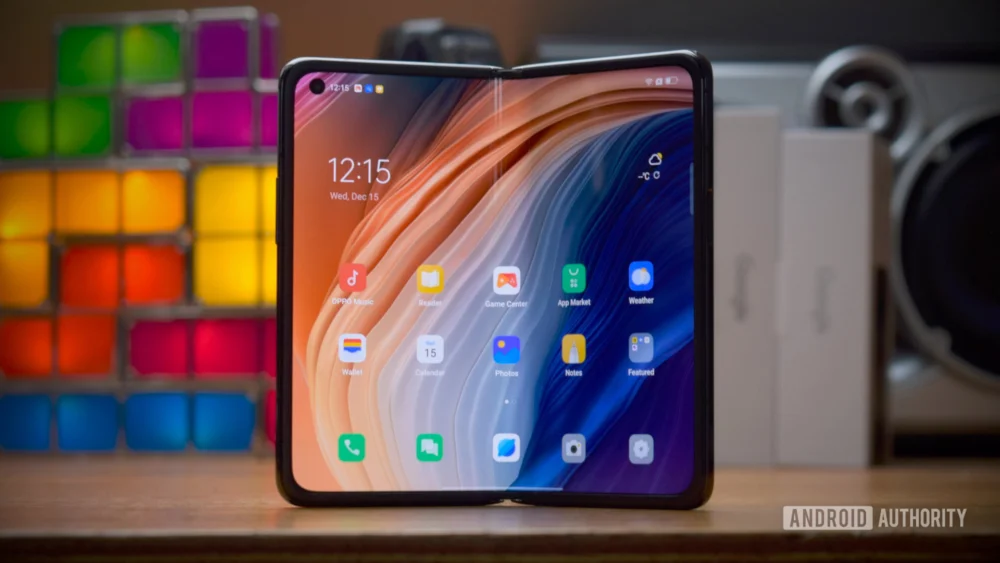
The foldable smartphone market, long dominated by iterative refinements from pioneers like Samsung, is entering a period of intense disruption. This year, anticipation is reaching a fever pitch, largely predicated on the widely rumored arrival of Apple’s first folding device, tentatively dubbed the iPhone Fold. Crucially, industry analysts suggest Apple is leaning toward a broader, more "square" or "passport-style" aspect ratio for its main display, deviating from the current trend of taller, more conventional smartphone displays when unfolded. This anticipated shift is not occurring in a vacuum; major Android players are already positioning themselves to meet, and perhaps preempt, this design direction. Samsung is widely expected to introduce a variant of its flagship foldable utilizing this wider form factor alongside its traditional Galaxy Z Fold line, signaling a bifurcation in premium foldable design philosophy. Now, evidence suggests that OPPO, a manufacturer known for its aggressive innovation in display technology and hinge design, is preparing an equally ambitious, potentially dual-device response, aiming to seize the narrative momentum surrounding wide-format foldables before Apple fully establishes its footing.
This development, based on recent supply chain intelligence, suggests OPPO is not just preparing a single flagship foldable successor but is plotting a nuanced, two-device launch cadence. The first device, likely positioned as the direct evolution of their critically acclaimed earlier models, is rumored to be the OPPO Find N6. Intelligence points toward a launch timeline suggesting an unveiling in China as early as February, followed by a more extensive global rollout in March. The Find N6 is expected to adhere closely to the successful formula established by its predecessors—a device celebrated for its nearly invisible crease and compact, comfortable in-hand feel, often characterized by a form factor that minimizes the awkwardness associated with early generations of folding phones.
The specifications anticipated for the Find N6 position it firmly within the ultra-premium segment. It is reportedly leveraging the forthcoming Snapdragon 8 Elite Gen 5 System-on-a-Chip (SoC), paired with a substantial 16GB of high-speed RAM, ensuring top-tier performance capable of handling intensive multitasking and next-generation mobile gaming. Display architecture remains a key focus: the device is projected to feature a 6.62-inch AMOLED cover display—a size that balances usability with portability—while the main, internal screen is slated to be an expansive 8.12-inch 2K LTPO OLED panel boasting a dynamic 120Hz refresh rate. This combination of high resolution and adaptive refresh technology is essential for delivering a fluid user experience, whether consuming media or utilizing productivity applications across the larger canvas.
Furthermore, OPPO appears committed to pushing the envelope in computational photography, a segment where they have historically excelled. The rumored camera array for the Find N6 is formidable: a massive 200-megapixel primary sensor, augmented by dual 50MP auxiliary lenses covering telephoto and ultrawide perspectives. Power management is also addressed with significant capacity—a 6,000mAh battery—supported by exceptionally fast charging protocols, including 80W wired and 50W wireless charging capabilities. Remarkably, achieving this specification density while maintaining a physical weight around 225 grams underscores OPPO’s ongoing mastery of internal component miniaturization and efficient thermal management, a critical differentiator in the crowded premium market.
However, the true strategic maneuver lies in the potential second device, the rumored OPPO Find N7. According to reports, the Find N7 is slated for a September release, strategically timed to coincide with the expected unveiling window for the iPhone Fold. This device is not merely an iterative upgrade; it represents a deliberate pivot in form factor philosophy. The Find N7 is anticipated to retain the high-end internal hardware specifications—the cutting-edge processor, substantial memory, and advanced display technology—but crucially, it will adopt a wider, book-style aspect ratio. This design choice directly mirrors the expected dimensions of the forthcoming Apple device and Samsung’s anticipated wide competitor. This suggests a calculated effort by OPPO to offer consumers an immediate, high-fidelity alternative in the emerging wide-fold segment, a category that prioritizes screen real estate closer to a traditional tablet when unfolded, rather than the narrow, letter-sized canvas often seen in previous generations.
Industry Implications: The Great Foldable Bifurcation
The strategic maneuvering by OPPO—launching two distinct foldable form factors in a single year—speaks volumes about the maturation and impending fragmentation of the foldable category. For years, the market has operated under a quasi-standard set by Samsung’s Galaxy Z Fold line: a relatively narrow cover screen that forces users to open the device for comfortable typing or reading, unfolding into a taller, more portrait-oriented main screen. This design choice was driven, in part, by the constraints of early hinge technology and the desire to maintain a familiar footprint when closed.
Apple’s entry, even if delayed, will serve as a powerful legitimizer for the entire segment. If Apple adopts a wider, squarer aspect ratio—akin to the dimensions of the original, highly praised OPPO Find N—it suggests a consensus emerging among hardware designers that this geometry offers superior utility for productivity, media consumption, and general app compatibility. The wider screen better accommodates multi-pane windowing and reduces the need for excessive letterboxing or awkward scaling when running standard mobile applications.
OPPO’s plan to release both a "narrow/classic" successor (Find N6) and a "wide/Apple-competing" model (Find N7) in the same year is a rare aggressive move for a single brand. It implies two distinct market hypotheses:
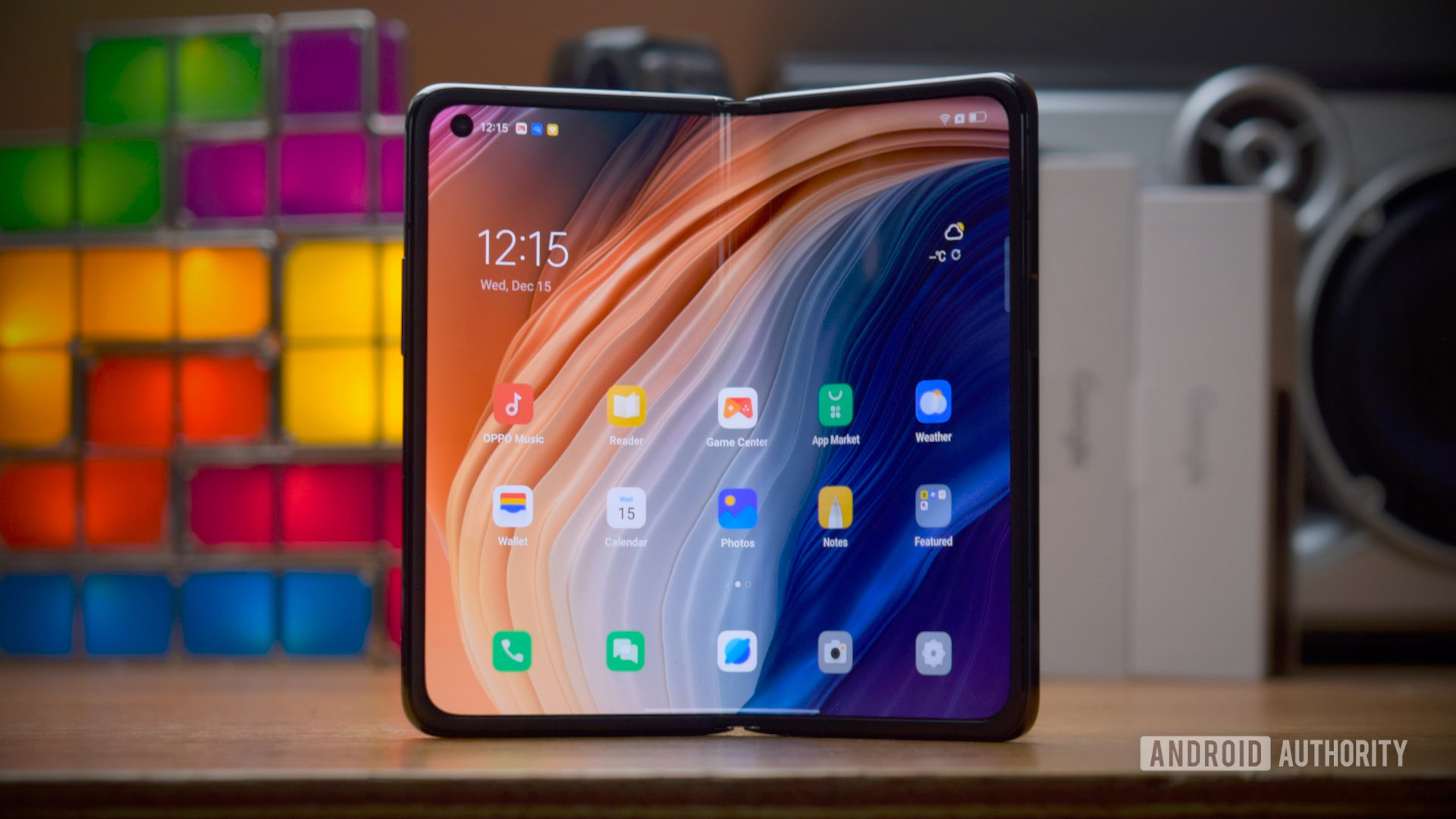
- The Established User Base: The Find N6 caters to existing foldable enthusiasts who appreciate OPPO’s specific design language, particularly the hinge mechanism and crease management, preferring the more compact, familiar closed dimensions.
- The New Mainstream: The Find N7 targets users transitioning from traditional tablets or those influenced by the expected Apple design—users prioritizing a larger, more instantly usable tablet-like experience upon unfolding.
This dual strategy mitigates risk. If the market decisively shifts toward the wider aspect ratio following Apple’s launch, OPPO will have a flagship ready to capture that demand immediately. Conversely, if established Android foldable users remain loyal to the more pocketable, slightly taller designs, the Find N6 ensures retention of that critical early-adopter demographic.
Expert Analysis: Hardware Refinement as the New Battleground
The specifications rumored for the Find N6 highlight where the battle for foldable supremacy is truly being waged: hinge technology, display durability, and weight reduction. The original Find N was lauded for its "waterdrop" hinge design, which allowed the screen to fold flatter than competitors, minimizing the visible crease. For the Find N6 and N7 to succeed, OPPO must not only maintain this lead but potentially surpass it.
The adoption of the Snapdragon 8 Elite Gen 5 is expected, but the true engineering feat will be integrating a 6,000mAh battery—a substantial capacity—into a device weighing only 225g. This metric challenges the density limits of current lithium-ion technology packaged within the complex mechanical structure of a foldable. A 225g weight is incredibly competitive, even against non-folding flagships. This obsessive focus on weight management indicates OPPO understands that for foldables to move beyond niche status, they must overcome the "bulk tax" that plagues many current iterations.
The camera system further underscores OPPO’s commitment to parity with, or superiority over, conventional flagships. A 200MP primary sensor is a clear statement of intent, suggesting advanced pixel-binning techniques to maximize light capture and detail. In the foldable space, manufacturers often compromise on the camera module to save space and weight. If OPPO can integrate a top-tier, multi-lens array without significantly compromising the sleek profile that defined the original Find N, it establishes a significant competitive advantage over rivals who might reserve their best sensors exclusively for their standard slab phones.
Future Impact and Emerging Trends
The introduction of a wide-format foldable by a major player like OPPO accelerates the timeline for standardizing foldable design language. If both Samsung and OPPO pivot to offering wide-format options, the taller, narrow format risks being relegated to a secondary, perhaps budget-conscious tier, or becoming entirely phased out within a few product cycles.
This bifurcation suggests a long-term trend where the foldable market begins to mirror the traditional smartphone market, offering distinct form factors for distinct user profiles. We might see:
- The Productivity Fold (Wide): Optimized for multitasking, media consumption, and tablet-like substitution, echoing the expected Apple/Samsung wide models and the rumored Find N7.
- The Pocketable Fold (Narrow/Square): Optimized for one-handed use and portability, maintaining a closer resemblance to a standard smartphone when closed, potentially represented by the Find N6.
Furthermore, the expected hardware density suggests that the "foldable gap"—the performance deficit foldables sometimes exhibit compared to their slab counterparts due to thermal or battery constraints—is rapidly closing. If a foldable can reliably house a top-tier SoC, a 200MP camera, and a 6,000mAh battery while remaining under 230 grams, the rationale for purchasing a conventional flagship diminishes substantially for many consumers.
The success of these upcoming OPPO devices will hinge not just on hardware specifications, but on software optimization. The transition between the cover screen and the main display, and the ability of Android to intelligently manage apps across the differing aspect ratios of the N6 and N7, will be crucial. OPPO’s internal software expertise, honed through years of ColorOS development, must be leveraged to ensure that the unique screen geometries translate into a seamless, intuitive user experience, especially as they prepare to compete directly against the rumored form factor preferences of Apple’s incoming hardware. The next 12 to 18 months are poised to define the enduring shape of the foldable phone.