

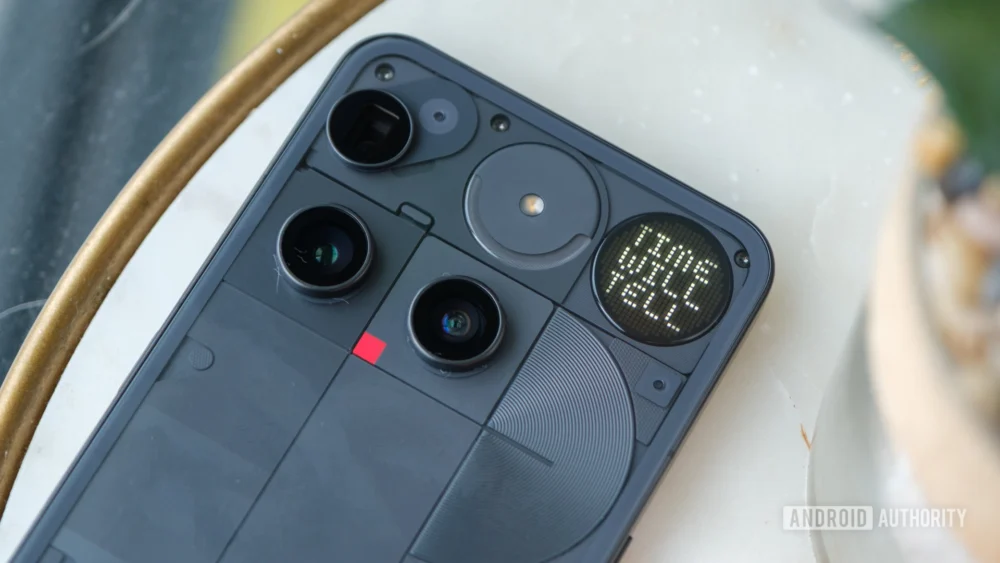
The trajectory of consumer electronics brands, particularly those seeking to disrupt established markets, often follows a predictable pattern: online debut, limited distribution partnerships, and finally, the establishment of proprietary physical touchpoints. Nothing, the design-forward technology firm championed by Carl Pei, is visibly accelerating through this third phase, with recent indicators pointing toward an aggressive expansion of its retail presence, notably targeting New York City. This move, confirmed alongside the immediate opening of a flagship in Bengaluru, India, and the existing London outpost, suggests a strategic pivot from pure e-commerce novelty to tangible brand immersion in high-density, trend-setting global cities.
The company recently signaled its intentions for a dedicated New York City storefront via internal communications shared within the Nothing Community forum. This announcement arrives concurrently with the imminent launch of its second official retail space in Bengaluru, scheduled for St. Valentine’s Day. While details surrounding the New York and Tokyo locations remain intentionally sparse—described only as opening in the "near future"—the dual targeting of the US tech and fashion capital (NYC) and a major Asian technology epicenter (Tokyo) reveals a sophisticated understanding of where brand narrative and consumer engagement are most potent.
The Genesis of Physical Presence: Beyond E-commerce
Nothing’s initial success was predicated on scarcity, online hype cycles, and a distinct visual identity that differentiated its Glyph Interface and transparent aesthetic from the monolithic slabs dominating the smartphone market. For the first iteration of its retail strategy, Nothing chose London’s Soho district in 2022. This initial store was never intended primarily as a high-volume sales channel; rather, it served as a physical manifestation of the brand ethos—a curated gallery space designed to allow consumers to interact physically with the tactile qualities of their products, from the Ear series earbuds to the Phone handsets.
This experiential model echoes strategies successfully deployed by brands like Apple and, more recently, Google and Samsung, though on a significantly smaller scale initially. For a challenger brand like Nothing, the primary goal of a flagship store transcends simple transaction processing. It is about narrative control. In the digital realm, where competitors can easily mimic specifications or design language, a physical space offers an inimitable opportunity to control the sensory experience. Nothing explicitly frames its Soho location as “a unique way to experience our entire product range,” underscoring the educational and immersion aspect over mere commerce.
The decision to place a flagship in New York City is highly strategic. New York is not just a major North American market; it is a confluence of design influence, early technology adoption, and significant foot traffic from international tourists. Furthermore, the existing relationship with high-end streetwear retailers like Kith, which currently stocks Nothing’s audio accessories (such as the Nothing Ear 2), demonstrates a pre-existing alignment with the lifestyle segment of the tech market. A dedicated Nothing store in NYC would solidify this alignment, moving beyond third-party endorsement to direct, branded engagement.
The Indian Market and the Global Expansion Thesis
The simultaneous confirmation of the Bengaluru store is equally insightful. India represents one of the fastest-growing and most competitive smartphone markets globally, highly sensitive to both price and brand prestige. Establishing a flagship here signals Nothing’s commitment to scaling beyond early adopters and niche enthusiasts. It suggests confidence in their mid-range offerings, such as the ‘a’ series phones, which are crucial for market penetration in price-conscious but feature-demanding regions like India.
This global expansion—London (established Western hub), Bengaluru (high-growth emerging market), NYC (North American cultural and commercial center), and Tokyo (East Asian technology benchmark)—paints a picture of a brand moving methodically to establish physical anchor points in areas that maximize brand visibility and cultural resonance. It is a calculated deployment designed to build trust and familiarity across disparate consumer bases.
Navigating US Distribution: The Beta Program Context
The current distribution mechanism for Nothing’s smartphones in the United States adds a layer of complexity that physical retail could potentially alleviate. As the article notes, several key models, including the Nothing Phone 3a and its Pro variant, are presently accessible in the US primarily through the company’s Beta Program or direct import channels. This indirect route creates friction for the average consumer accustomed to immediate, reliable availability through major carriers or established big-box electronics retailers.
A dedicated New York City storefront offers an immediate solution to this accessibility hurdle. It provides a tangible point of sale where consumers can handle the devices, receive direct product support, and potentially bypass the complexities of the beta program structure for immediate purchase. For a brand that relies heavily on design aesthetics, allowing consumers to feel the weight, appreciate the Glyph lights, and test the software firsthand is invaluable in converting interest into sales, especially for premium-priced hardware.
Industry Implications: The Return to Experiential Retail
Nothing’s expansion fits within a broader, compelling industry trend: the strategic resurgence of physical retail for digitally native brands. After years of prioritizing lean, direct-to-consumer (D2C) online models, many tech companies have recognized the inherent limitations of purely digital interaction, particularly for complex or aesthetically driven products.
Expert Analysis: From a retail strategy perspective, this is a move towards "phygital" integration. Nothing is leveraging its digital success to justify high-rent physical locations that function less like traditional stores and more like branded cultural centers. This approach mitigates the high fixed costs associated with operating a full retail network by focusing investment on fewer, highly impactful locations.
For competitors, Nothing’s success in establishing these experiential hubs poses a challenge. While major players like Samsung and Google have extensive retail footprints, they often struggle to convey the same sense of edgy, disruptive design ethos that Nothing cultivates naturally. Nothing’s stores are inherently less corporate and more boutique, which resonates strongly with younger, design-conscious demographics skeptical of legacy tech giants.
The investment required for these flagship stores suggests that Nothing is securing its long-term viability. It indicates confidence not only in future product pipelines but also in its ability to sustain the operational complexity that comes with managing a global, multi-site physical presence. This is a commitment signaling intent to compete at the top tier of the hardware ecosystem, demanding visibility alongside incumbents.
Future Impact and Trend Forecasting
The success of the New York and Tokyo locations will be critical indicators for Nothing’s future global strategy. If these stores generate significant brand equity and observable uplifts in regional sales (even if indirect), it could pave the way for a more conventional retail partnership strategy in North America, perhaps moving beyond limited beta programs to securing shelf space in mainstream electronics stores or carrier partnerships.
One key area to monitor is how Nothing integrates its software and hardware ecosystem within these physical spaces. Will the stores feature interactive displays showcasing the Glyph Composer functionality? Will they offer exclusive software experiences or early access demos for forthcoming releases, akin to what Apple does with new operating system rollouts? The physical location becomes a living laboratory for user interaction, providing invaluable, real-time feedback on design choices that are often difficult to gauge solely through online metrics.
Furthermore, the New York location will likely become a nexus for community engagement. Nothing has always prioritized building a loyal, engaged user base. Physical gatherings, product launch events, and direct Q&A sessions with design teams can be hosted locally, fostering a deeper, almost tribal connection with the brand. This community focus is a significant differentiator in a saturated market where brand loyalty is often transactional.
In conclusion, Nothing’s strategic deployment of physical retail—anchored by the confirmed New York City target—represents a maturation phase for the company. It signals a deliberate transition from a disruptive newcomer reliant on digital buzz to an established contender investing in the tangible infrastructure necessary for sustained global relevance. By placing design, experience, and community engagement at the forefront of these physical touchpoints, Nothing is preparing to challenge the established order not just on specifications, but on the very experience of brand interaction in the world’s most influential cities. The "near future" for these openings will be closely watched as a barometer for the next era of challenger brand growth.