

The budget smartphone segment is a relentless proving ground where manufacturers vie for consumer loyalty through razor-thin margins and feature parity compromises. Within this intensely competitive ecosystem, Motorola’s Moto G Power series has historically served as the stalwart—the reliable choice promising longevity, if not raw performance. The arrival of the Moto G Power (2026) presents a familiar quandary: has Motorola done enough to justify its position as the premium baseline within its own budget lineup, or is it merely recycling past successes in an increasingly demanding market?
Initial impressions upon unboxing the 2026 Power model were steeped in déjà vu. The device bears an uncanny resemblance to its cheaper siblings, the Moto G Play (2026) and the Moto G 5G (2026). In a market where differentiation is crucial, this aesthetic homogeneity raises immediate questions about perceived value. When a device carries a price premium over its brethren, consumers expect tangible visual or tactile evidence of that distinction beyond minor weight variations or fractional screen size differences. For Motorola, this strategy risks blurring the lines of its own product hierarchy, potentially cannibalizing sales of its own lower-tier offerings if the upgrades are not clearly articulated.
However, deeper examination reveals deliberate engineering choices intended to elevate the Power series above the standard G fare. This is where the narrative shifts from mere replication to targeted refinement. The chassis might remain plastic, a necessary cost-saving measure, but the integration of Corning’s Gorilla Glass 7i on the display is a significant defensive upgrade. In the budget sector, where screen fragility is a leading cause of device retirement, this choice provides a substantial psychological and practical advantage over the older Gorilla Glass 3 found on lesser models. This attention to display resilience suggests Motorola understands that durability, particularly for a phone named "Power," is paramount to user satisfaction.
Furthermore, the commitment to robust ingress protection sets the G Power (2026) apart immediately. Boasting both IP68 and the more stringent IP69 certification, the device offers unparalleled resistance against water immersion and high-pressure, high-temperature water jets (up to 80°C). While this level of protection might seem excessive for a typical daily driver, it represents a crucial differentiator against competitors like Samsung’s Galaxy A-series variants, which often settle for less comprehensive IP ratings (like IP54 or IP67) in this price bracket. This dual IP certification underscores Motorola’s focus on ruggedness, aligning with the "Power" moniker in a way that sheer battery size alone cannot convey.
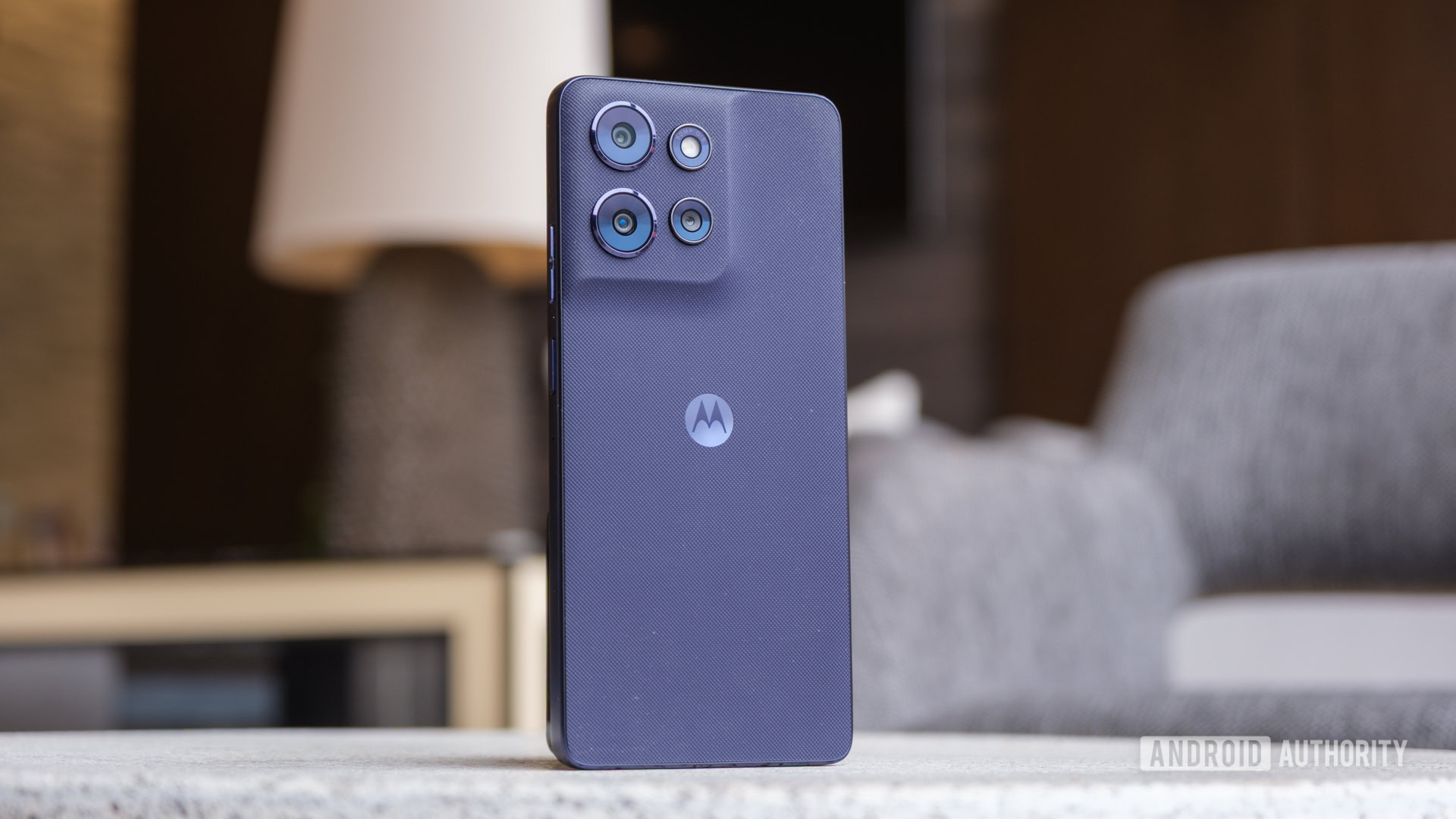
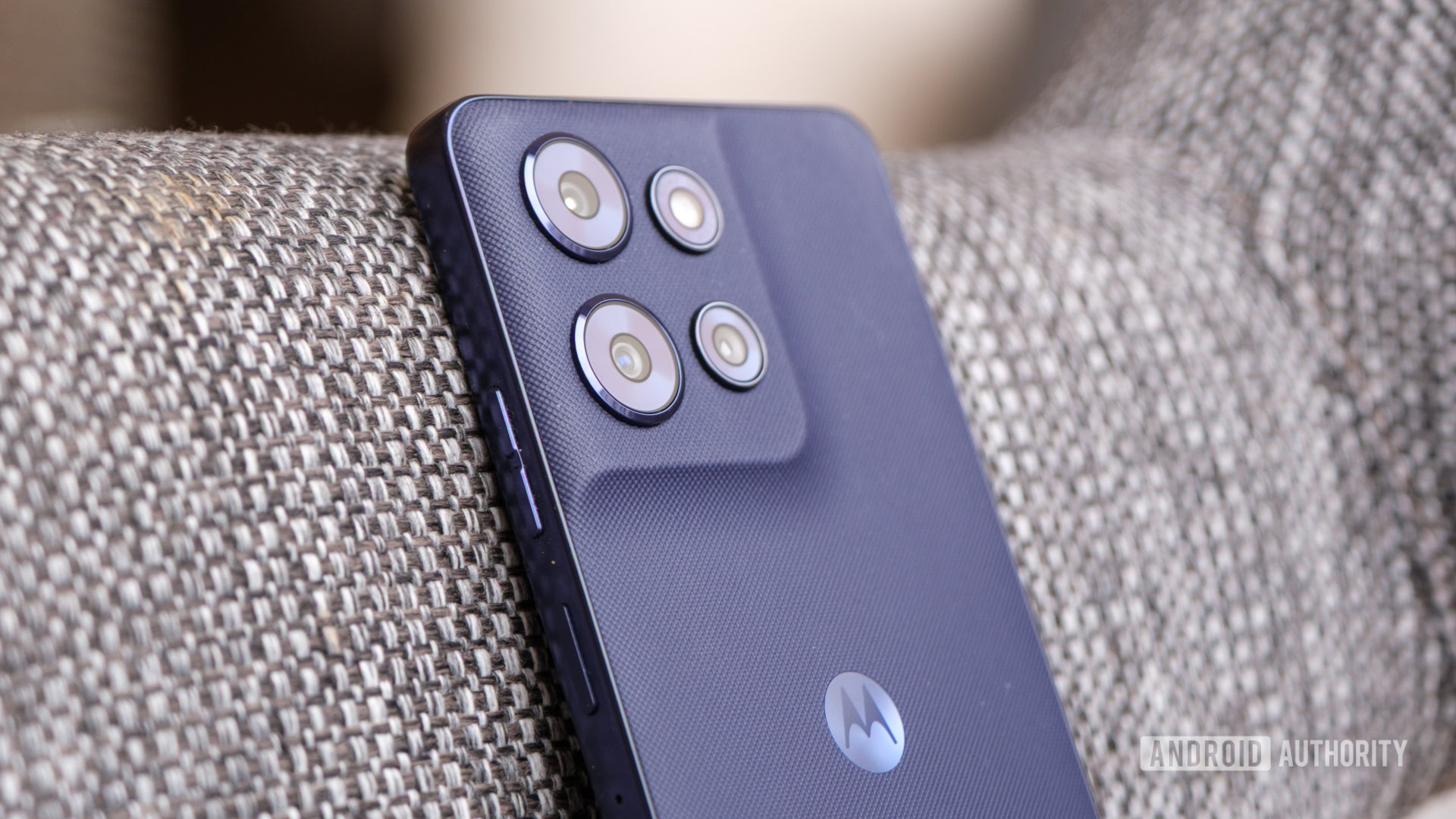
A notable, and frankly baffling, design misstep persists across the entire 2026 G lineup: the cosmetic deception surrounding the rear camera array. The housing features three distinct circular cutouts, strongly implying a triple-lens system. In reality, only two functional lenses are present. This design choice, an echo of premium aesthetics applied without functional justification, feels disingenuous. In the budget space, where every component choice is scrutinized, such superficial embellishments detract from the device’s overall honesty, suggesting a reluctance to streamline the design for efficiency.
On the positive side of aesthetics, Motorola’s continued collaboration with Pantone injects a welcome dose of sophistication. The available colorways, such as the deep, near-black Evening Blue and the refined Pure Cashmere, elevate the device beyond the standard utilitarian plastic finish. Crucially, the textured rubberized back panel, while seemingly minor, contributes significantly to the in-hand experience. It manages to be both fingerprint-resistant and possess sufficient tactile grip, often negating the immediate need for a protective case—a significant value proposition for cost-conscious buyers.
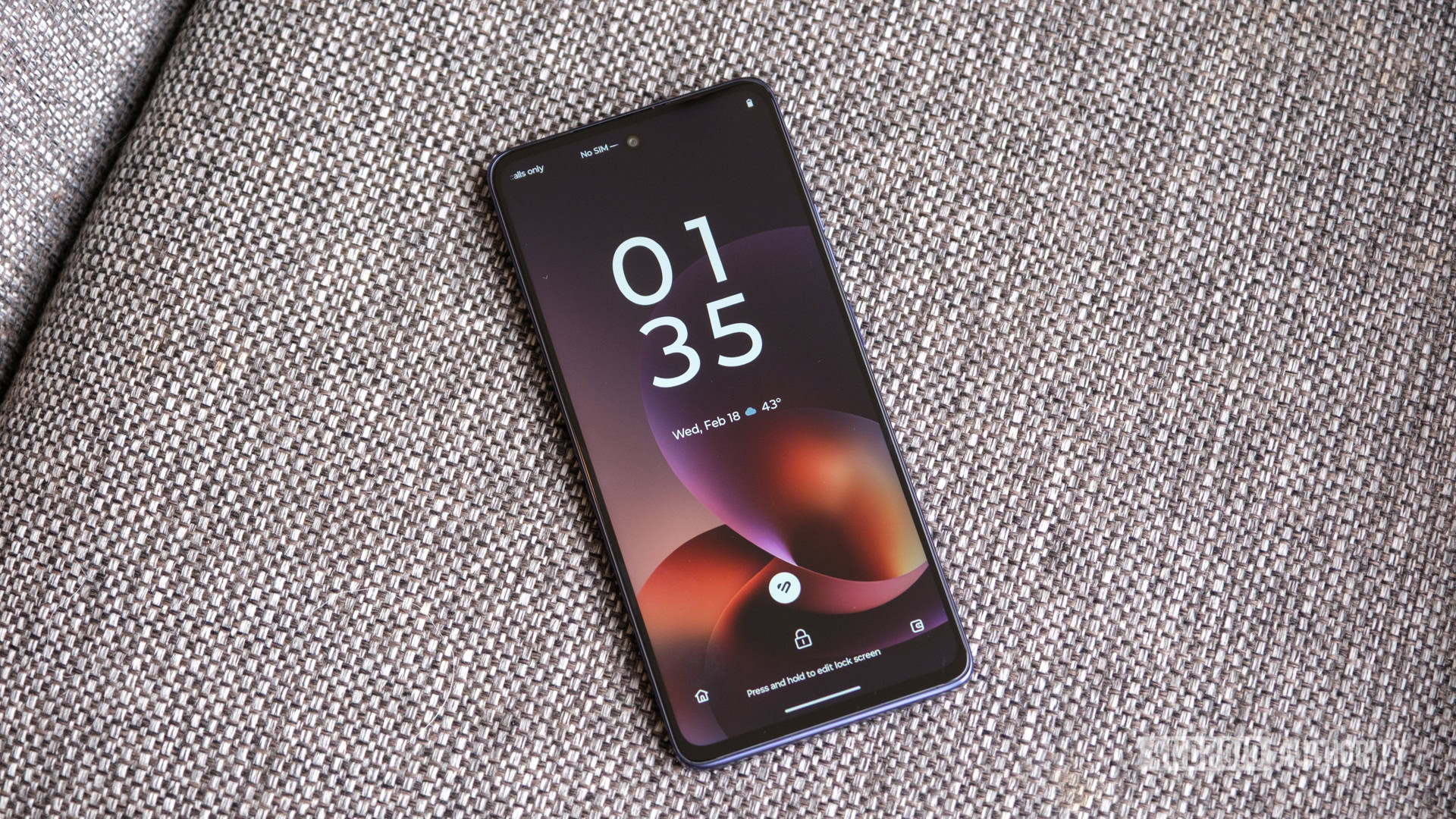
The most compelling hardware distinction, however, rests squarely with the visual interface. The Moto G Power (2026) secures its position as the most affordable device in Motorola’s current portfolio to feature a Full HD (1080p) resolution display. While the 6.7-inch LCD panel shares the 120Hz refresh rate and 1,000-nit peak brightness figures with its cheaper siblings, the leap from 720p to 1080p is not merely incremental; it fundamentally changes media consumption. Viewing high-resolution content, such as streaming high-definition sports or detailed photographic galleries, benefits immensely from the increased pixel density, lending a perceived quality that belies the device’s budget classification. This upgrade alone might be the strongest argument for choosing the Power model over the Play or the 5G variants.
Yet, the narrative of superior build quality is tempered by comparisons to key rivals. The persistent shadow of Samsung’s offerings looms large. For instance, the Samsung Galaxy A17 5G, positioned at a notably lower price point, manages to integrate superior display technology (AMOLED) and utilize tougher Gorilla Glass Victus, albeit trading off some durability with a lower IP rating (IP54) and a less fluid 90Hz refresh rate. This competitive tension forces an analyst to weigh tactile satisfaction (Motorola’s better feel) against raw component superiority and longer-term software commitment (Samsung’s edge).
The Performance Bottleneck: Repetition in Silicon
The greatest source of critique for the Moto G Power (2026) is its stagnation in core processing power. Motorola has opted to equip every tier of its 2026 budget series—Play, 5G, and Power—with the same MediaTek Dimensity 6300 chipset, fabricated on a 6nm process, identical to the previous generation. The expectation associated with the "Power" moniker historically implied enhanced processing capabilities or at least a step up from the entry-level chipsets. This decision suggests a strategic consolidation of components to manage inventory and cost, prioritizing external durability over internal speed enhancement.
While the G Power compensates slightly by doubling the RAM to 8GB (compared to the 4GB in the G 5G) and retaining 128GB of expandable UFS 2.2 storage, benchmarks reveal the limitations of this strategy. Synthetic testing—Geekbench 6 CPU scores and PCMark comprehensive tests—show negligible performance separation between the G Power (2026), the G Power (2025), and even the cheaper G 5G. The extra RAM appears insufficient to overcome the fundamental constraints of the older-generation silicon when subjected to heavy, multi-threaded workloads.
When benchmarked against the more ambitious offerings from competitors like Nothing (with its Snapdragon 7s Gen 3, a 4nm chip) or Samsung, the disparity becomes stark. The G Power lags significantly in raw CPU performance metrics, particularly against the Nothing Phone 3a. While the G Power manages to hold its own surprisingly well in the PCMark composite test—suggesting adequate optimization for general productivity—the GPU stress tests reveal the common weakness: graphical throughput is virtually identical across the Power line, confirming that gaming performance will be uniformly constrained. This uniformity in silicon choice signals a pragmatic, yet potentially disappointing, approach to performance scaling within the new budget portfolio.
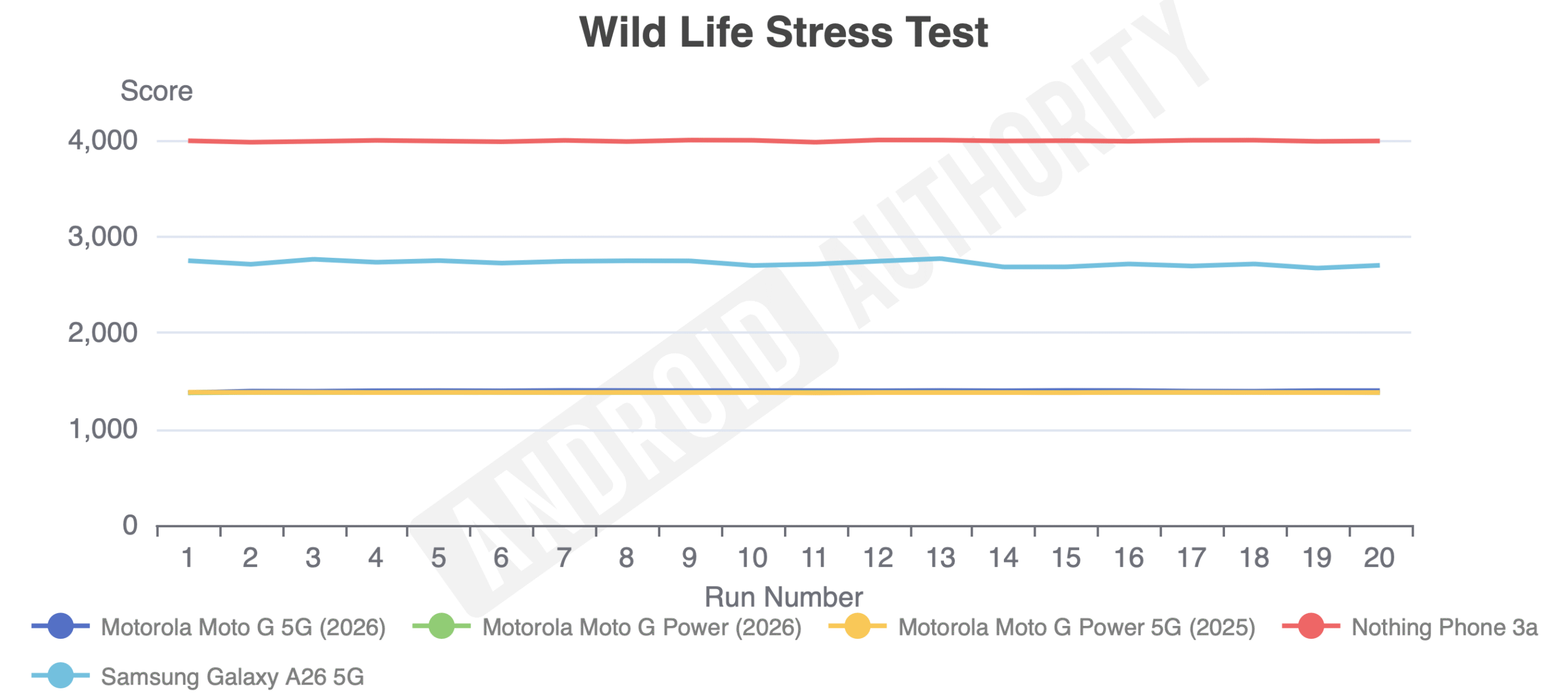
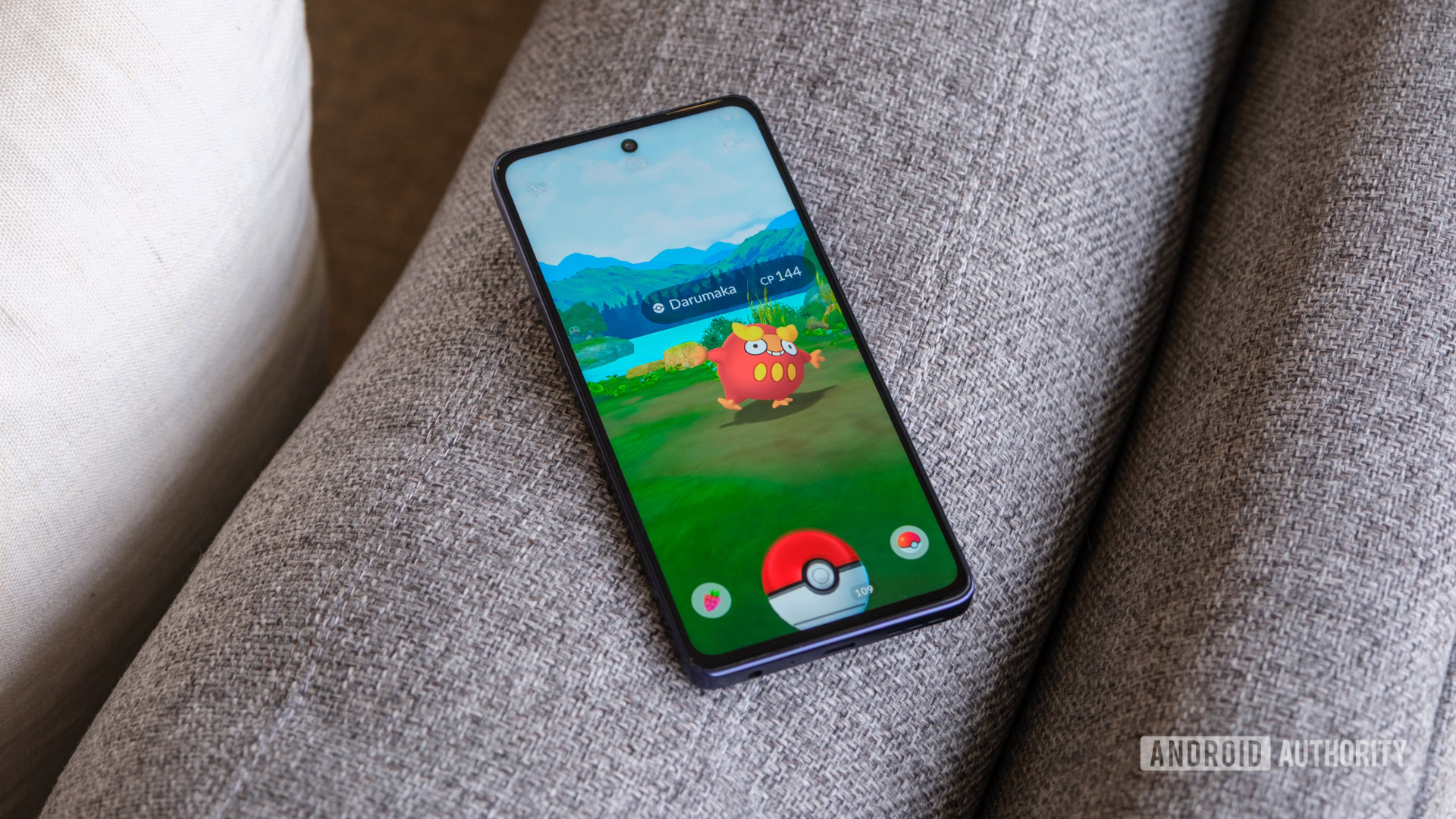
In real-world usage, the additional RAM offers a marginal benefit; tasks load slightly faster, and app retention in memory appears marginally improved. However, this advantage dissipates quickly under strain. Rapid context switching, such as jumping immediately from a high-demand application back to the camera interface, reveals the processing latency inherent in the Dimensity 6300. For casual browsing, streaming (like the observed Olympic coverage), and general communication, the experience is smooth enough, but the device is clearly not engineered for sustained high-demand application use or graphically intensive mobile gaming beyond casual titles like Pokémon Go, which reportedly still struggles to launch fluidly.
Software Experience and Support: A Long-Term Liability
The software experience on the Moto G Power (2026) reflects Motorola’s standard, relatively clean iteration of Android, often praised for its minimal overlay. However, this cleanliness is periodically interrupted by frustrating intrusions, exemplified by the aggressive monetization tactics creeping into third-party partnerships. The integration of 1Weather, now employing full-screen, ad-supported premium subscription prompts, represents a severe degradation of the user experience, especially on a device intended for reliable, distraction-free use. This level of intrusive advertising in a mid-range hardware offering is becoming increasingly common but remains deeply unpopular with end-users.
The most significant long-term concern remains the update commitment. Motorola provides a meager two years of full Android OS updates paired with three years of security patches. In an industry where Samsung is now setting the standard at four or five years of support for even its mid-range devices, Motorola’s offering feels increasingly antiquated. For a phone designed around longevity—a feature implied by the "Power" name—a two-year software window severely undermines its intended lifespan. By 2028, when the security patches expire, the operating system will be running on potentially obsolete security frameworks, forcing users into an early upgrade cycle that contradicts the device’s value proposition. This policy is a major headwind against the Moto G series in the contemporary budget landscape.
Imaging Capabilities: Where the Power Justifies Its Name
The camera system is where the G Power (2026) finally establishes a clear hierarchy within the 2026 family. While the primary 50MP sensor remains unchanged from the previous iteration—offering a solid ƒ/1.8 aperture for respectable low-light capture and default 12.5MP binned output—the crucial upgrade is in the auxiliary lens.
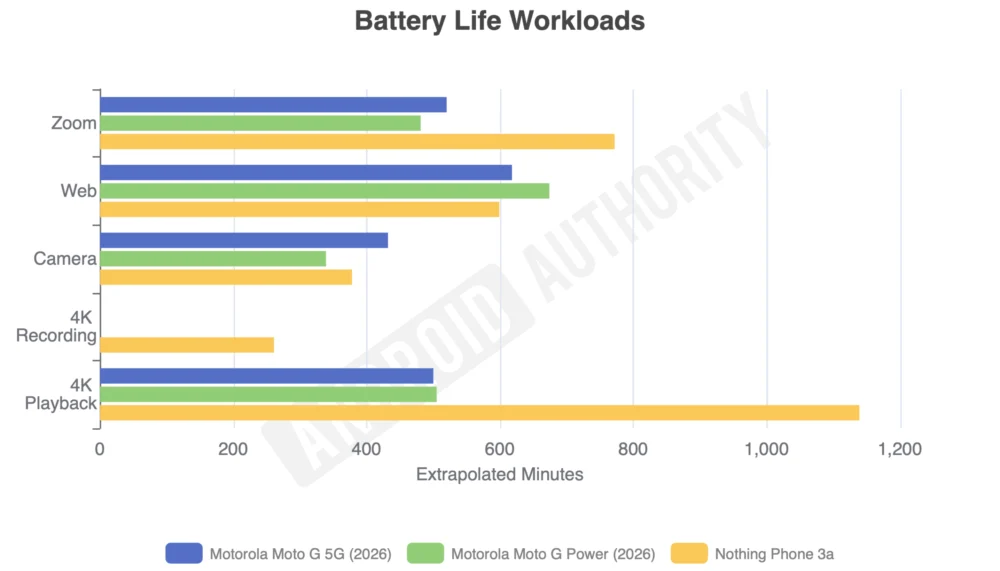
The inclusion of an 8MP ultrawide lens with a wide 119-degree field of view is a substantial step up from the low-resolution macro sensors found on the G 5G and the functionally absent cameras on the G Play. This single inclusion transforms the utility of the rear module. While Motorola bafflingly retains the three-ring aesthetic deception, the actual usable dual-camera setup provides genuine versatility. Furthermore, the main sensor now supports 1080p video capture at a smooth 60 frames per second, addressing a notable weakness in previous budget iterations where 30fps was the standard ceiling for standard resolution. The absence of 4K recording, while expected at this price point, is less egregious given the improved smoothness of the available HD capture.
Analysis of sample images confirms the primary sensor’s competence under good lighting conditions. Color science remains reasonably accurate, although it lacks the vibrant "pop" often seen in more aggressively processed competitor images. Edge detection in portrait mode is adequate but struggles with fine details like wispy hair or complex outlines. Low-light performance shows the expected noise reduction, yet the wide aperture keeps detail retention better than many budget rivals.
The 8MP ultrawide sensor proves surprisingly capable. Its images maintain decent color consistency with the main lens, and the expansive field of view effectively captures architecture and scenery without the severe distortion sometimes associated with ultra-wide budget optics. Moreover, Motorola cleverly leverages this sensor for a software-enabled macro mode. This implementation yields sharpness and detail superior to the dedicated, often disappointing, 2MP macro lenses found elsewhere in the segment, effectively providing 1.5 functional lenses for the price of one—a genuine engineering win.
The 32MP punch-hole selfie camera is serviceable, providing sharp detail even when backlit, and commendably handles complex textures like beards without merging them into an undifferentiated mass. Overall, the imaging suite, while iterative, provides the most compelling reason to choose the Power model over the lesser G variants, delivering usable photography across standard and wide-angle perspectives.
Power Management and Charging: A Mixed Bag of Endurance and Omission
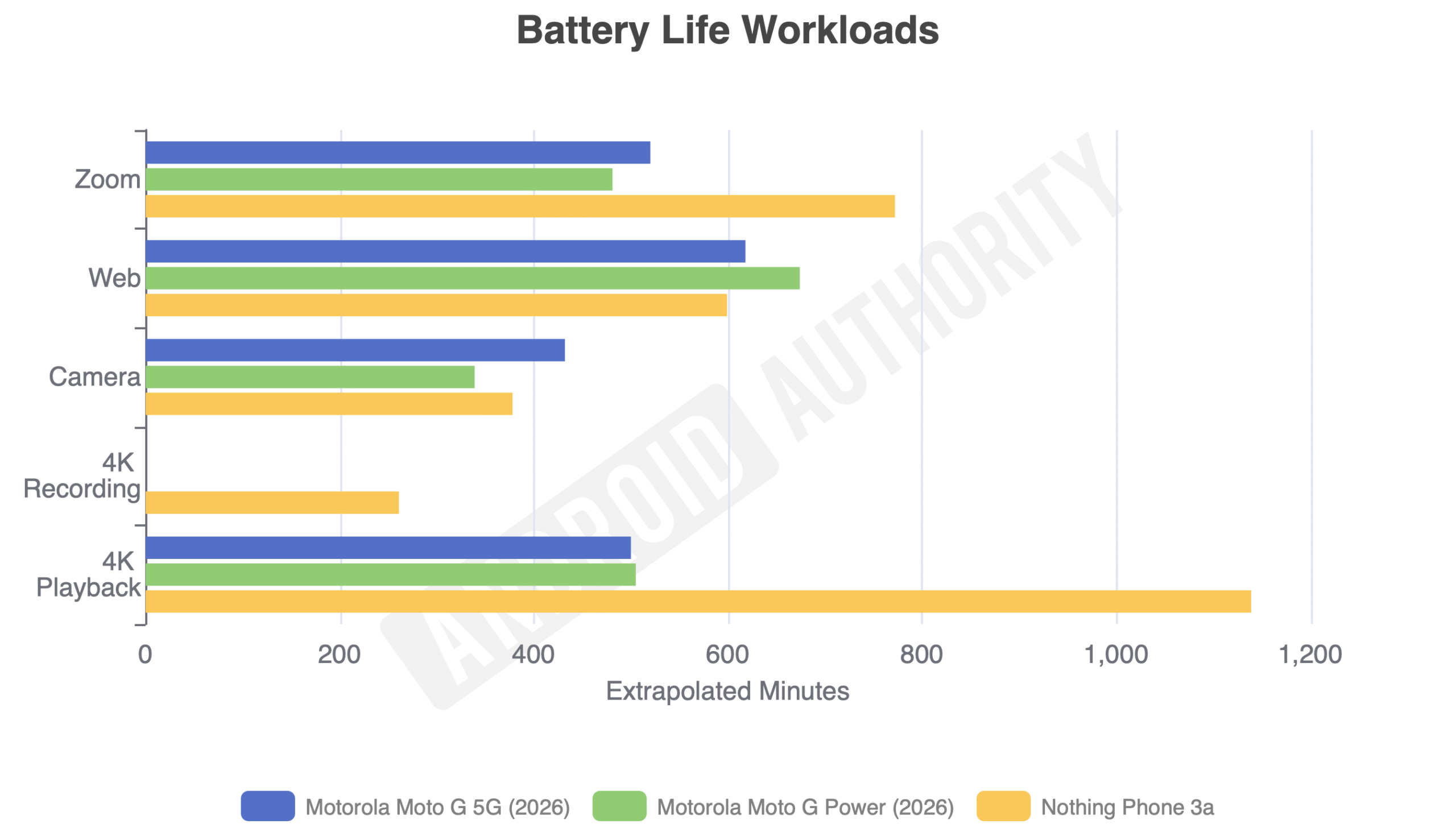
The battery performance continues the tradition of excellence associated with the G Power line. The large 5,000mAh cell, combined with the moderately efficient Dimensity 6300, ensures multi-day endurance under typical usage patterns. Battery drain tests confirm this resilience, matching or slightly exceeding the performance of the G 5G sibling, easily pushing well into a second day of moderate use.
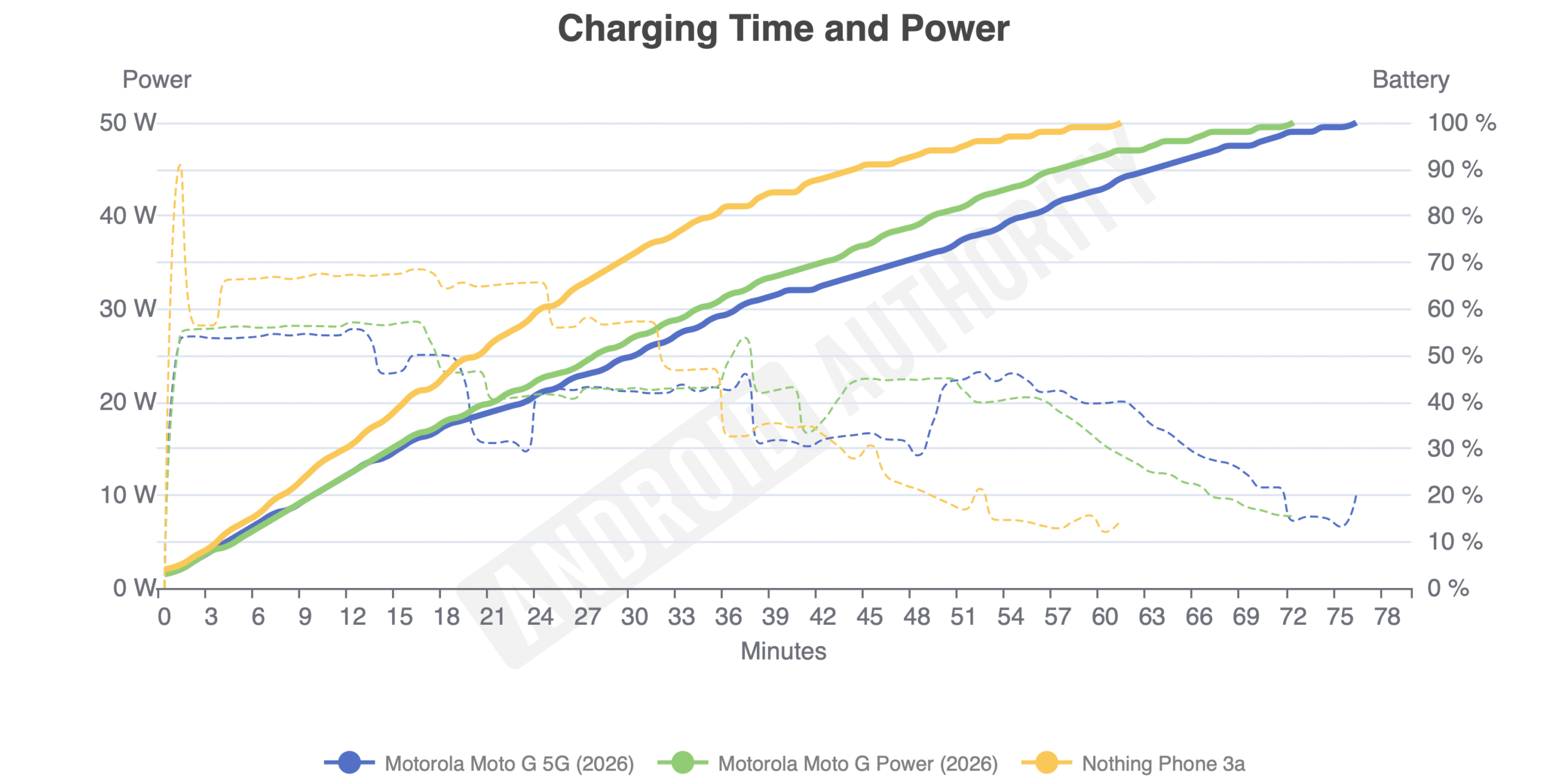
Wired charging is pegged at 30W, which is competitive in this segment, comfortably outperforming the charging speeds offered by current Samsung and Google budget entries. A full recharge takes approximately 70 minutes—a reasonable duration given the battery capacity. However, the decision to completely excise 15W wireless charging, a feature present in the previous generation, feels like a significant step backward. In a year where external durability and display quality were upgraded, removing a convenience feature that adds perceived modernity is a strategic oversight that might alienate users accustomed to generational improvements.
Competitive Positioning and Future Trajectory
The Moto G Power (2026) ultimately settles into a complicated niche. It is, undeniably, the most well-rounded and thoughtfully constructed Motorola budget device available today. Its superior IP rating, durable display glass, 1080p screen, and functional ultrawide camera justify its price tier within the Moto G family.
However, the budget sector is not defined in a vacuum. The competitive landscape is fierce, featuring aggressive contenders priced closely: the Samsung Galaxy A26 5G, the Nothing Phone 3a, and the CMF Phone 2 Pro. Samsung’s A26 5G offers a compelling trade-off: a slightly less robust IP rating but superior software support and a higher-grade AMOLED screen for less money. The CMF Phone 2 Pro, while requiring carrier compatibility checks, offers design novelty and a true third camera. The Nothing Phone 3a pushes performance boundaries with superior silicon and faster charging, albeit with a lower IP rating.
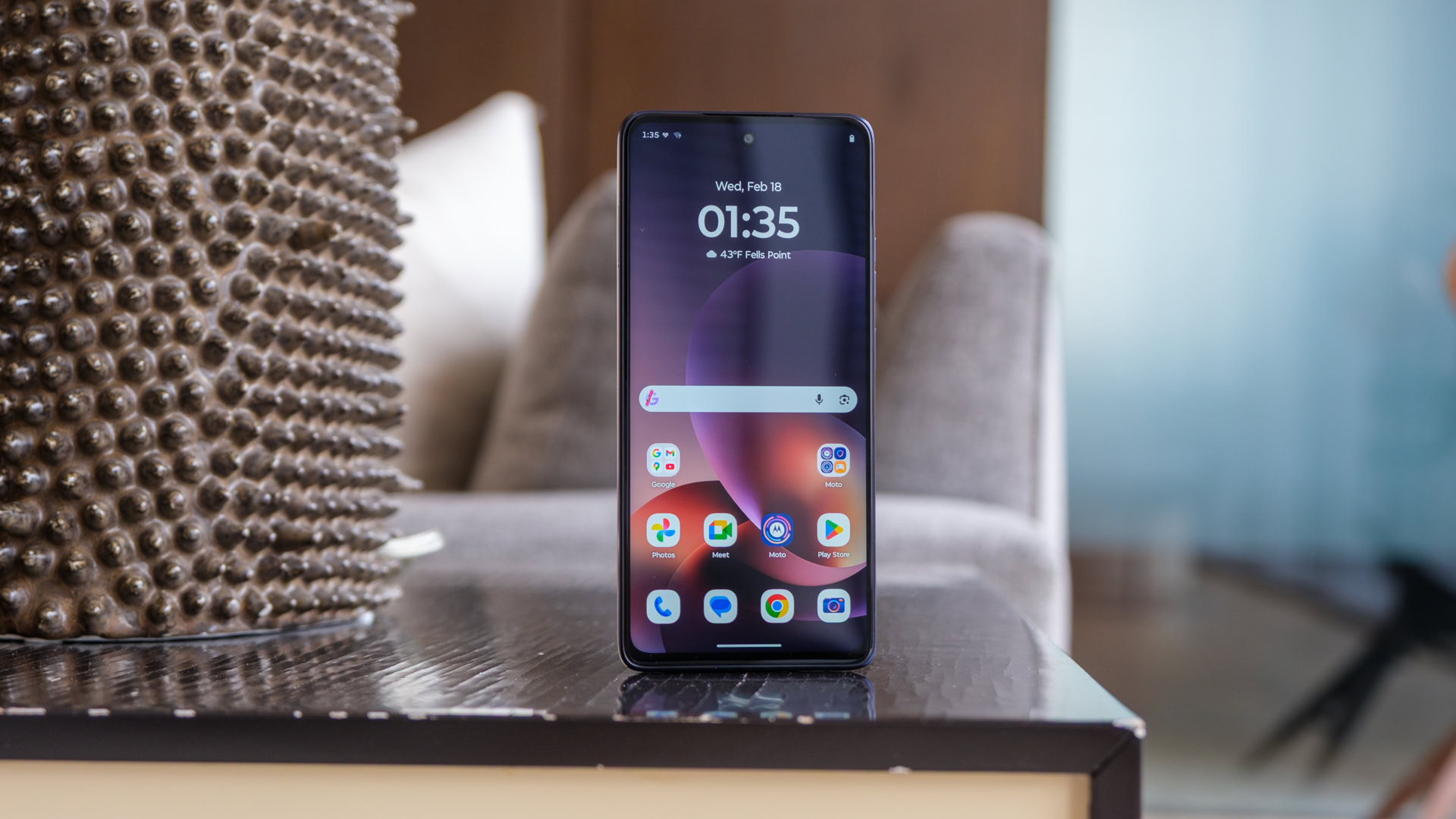
Motorola’s challenge is balancing consumer expectations for the "Power" designation against the need for component cost control. The G Power (2026) succeeds as a bridge device—retaining legacy features like the 3.5mm headphone jack and expandable storage while incorporating modern necessities like a high refresh rate display and robust waterproofing. Yet, the reliance on stagnant core processing power and the paltry software support schedule severely limit its long-term viability narrative.
For the 2026 cycle, the Moto G Power is best viewed not as a performance leader, but as a durability and usability benchmark for Motorola’s budget efforts. If a consumer prioritizes ruggedness, a clean Android experience, and excellent battery life above cutting-edge processing speed or guaranteed multi-year software longevity, this device lands in a sweet spot. However, the industry trend favors software commitment and chipset innovation, areas where Motorola continues to tread cautiously. The G Power (2026) might be the cheapest Motorola phone you like, but whether it’s the one that will remain competitive for the longest period remains an open question dictated by Google and Samsung’s more aggressive update policies. Moving forward, Motorola must find a way to integrate meaningful performance gains into the Power series without sacrificing the build quality and essential features that make this particular iteration feel genuinely worthwhile.