

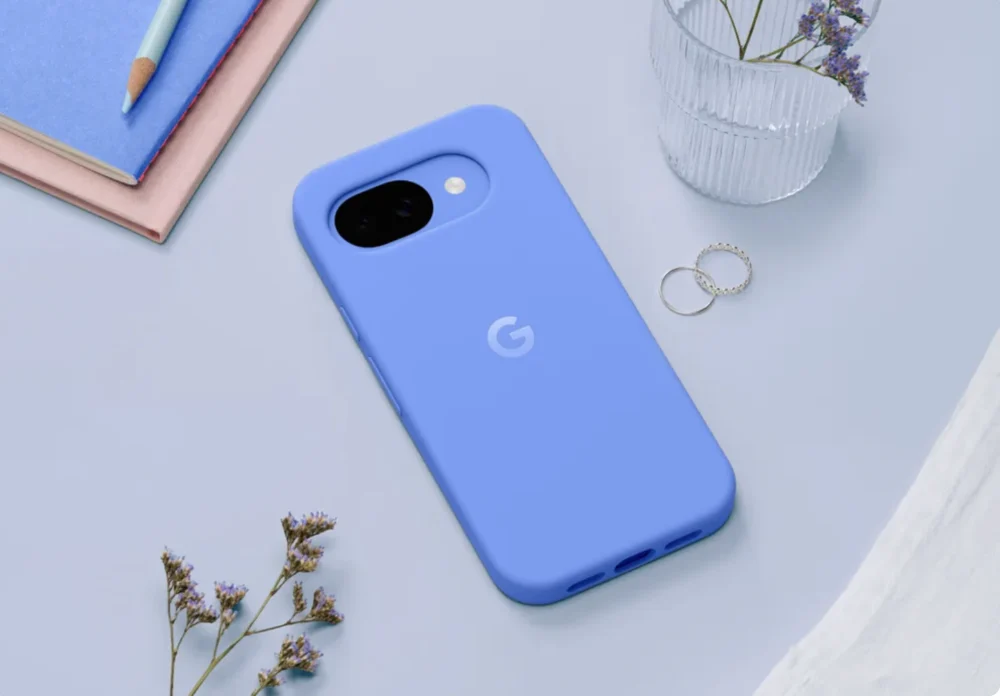
The landscape of the mid-range smartphone market underwent a significant shift this Wednesday as Google officially pulled the curtain back on the Pixel 10a, the latest iteration of its highly successful "A-series" hardware. Priced at a competitive $499, the device represents more than just a seasonal refresh; it is a calculated effort to democratize high-end artificial intelligence and sophisticated computational photography. While the smartphone industry has recently trended toward ever-increasing flagship prices, Google’s latest move reinforces its commitment to the sub-$500 segment, a territory where value and performance must strike a delicate, often difficult, balance. Available for preorder immediately and slated to begin shipping on March 5, the Pixel 10a arrives in a quartet of distinct finishes: Lavender, Berry, Fog, and Obsidian.
A Departure in Design Philosophy
For years, the Pixel lineup was defined by its "camera bar"—a prominent, horizontal protrusion that housed the lens array and gave the devices a distinct, visor-like silhouette. With the Pixel 10a, Google has opted for a radical simplification of this aesthetic. The device features a completely flat back, where the camera housing is integrated seamlessly into the chassis. This design choice is not merely cosmetic; it addresses a long-standing ergonomic critique regarding "table wobble" when a phone is placed on a flat surface. By blending the camera bar into the rear panel, Google has achieved a minimalist, monolithic look that feels more aligned with modern industrial design trends.
The build quality continues to reflect Google’s "a-series" ethos: a blend of premium feel and cost-conscious materials. The transition to a flush rear design suggests a maturing of the Pixel brand, moving away from loud, experimental design cues toward a more refined, understated elegance. This aesthetic shift, paired with the new color palette, signals a desire to appeal to a broader demographic—ranging from the professional who prefers the "Obsidian" or "Fog" tones to the more expressive consumer drawn to "Lavender" or "Berry."
Display Evolution: The Actua Standard
One of the most significant hardware upgrades in the Pixel 10a is the inclusion of the 6.3-inch Actua display. Google’s "Actua" branding is reserved for panels that meet specific thresholds for brightness, color accuracy, and outdoor legibility. The Pixel 10a’s screen is reportedly 11% brighter than that of its predecessor, the Pixel 9a. In the context of mobile usability, this 11% increase is critical. It represents the difference between struggling to read a map in direct midday sunlight and having a clear, vibrant view of the interface.
As high-refresh-rate displays become the standard even in budget tiers, the Pixel 10a’s panel serves as a centerpiece of the user experience. By prioritizing peak brightness, Google is addressing one of the primary "pain points" of mid-range devices, which often sacrifice panel quality to keep costs down. The 6.3-inch form factor also remains a "sweet spot" for many users, offering enough real estate for media consumption and multitasking without venturing into the unwieldy dimensions of "Ultra" or "Max" sized competitors.
The Silicon Engine: Tensor G4 and the AI Mandate
At the heart of the Pixel 10a lies the Tensor G4 chip. While some enthusiasts might have hoped for a brand-new architecture exclusive to this release, the utilization of the G4—the same silicon found in the flagship Pixel 9 series—is a strategic masterstroke for the mid-range. The Tensor project has never been about winning "benchmarking wars" against Qualcomm or Apple in terms of raw CPU speed. Instead, it is a custom-built environment designed to accelerate Google’s machine learning models.
By bringing the G4 to the $499 price point, Google is ensuring that the Pixel 10a can handle the same on-device AI tasks as its more expensive siblings. This includes real-time translation, sophisticated voice-to-text processing, and, most importantly, the complex algorithms required for Google’s suite of photographic tools. The G4 is the bridge that allows a mid-range phone to act like a supercomputer in the palm of a user’s hand, specifically when it comes to "Gemini," Google’s integrated AI assistant.
Photography: Computational Excellence Over Raw Specs
Google has long maintained that the best camera is not the one with the most megapixels, but the one with the best software. The Pixel 10a features a 48MP main sensor complemented by a 13MP ultrawide lens. While these specs are impressive for the price, the real magic happens in the post-processing pipeline. Google has boldly claimed that the Pixel 10a offers the "best camera on a phone under $500," a claim backed by the introduction of features previously reserved for the flagship Pixel 10 series.
Among these is "Auto Best Take." This feature utilizes AI to analyze a burst of photos taken during a group shot, identifying the frames where each individual looks their best—eyes open, smiling, looking at the lens—and seamlessly blending them into a single, perfect image. Furthermore, the "Camera Coach" feature provides real-time, step-by-step guidance. If the lighting is harsh or the composition is off-center, the device offers haptic and visual cues to help the user adjust their shot. This effectively lowers the barrier to entry for high-quality photography, turning every user into a competent shutterbug.
Battery Life and the Efficiency Paradox
In the mobile world, battery anxiety remains the primary concern for the average consumer. Google has addressed this by promising more than 30 hours of battery life under normal usage conditions. However, the more impressive figure is the 120 hours of longevity achievable through the "Extreme Battery Saver" mode. This mode essentially "freezes" non-essential applications and background processes, focusing power only on the most critical functions.

The Pixel 10a also introduces faster charging speeds compared to the 9a, though Google has remained conservative with these figures to ensure long-term battery health. In a market where some manufacturers chase triple-digit wattage that can degrade lithium-ion cells over time, Google’s approach favors sustained reliability—a theme that carries over into their software support.
Safety and Longevity: The 7-Year Promise
Perhaps the most disruptive aspect of the Pixel 10a is its longevity. Google is offering seven years of guaranteed software and security updates for the device. This policy fundamentally changes the value proposition of a $499 phone. Historically, mid-range Android devices were lucky to receive two or three years of support, leading to a cycle of planned obsolescence. By extending this to seven years, Google is positioning the Pixel 10a as a long-term investment, rivaling (and in some cases exceeding) the support cycles of Apple’s iPhone.
Safety features have also seen a significant upgrade with the inclusion of Satellite SOS. This technology, which allows users to contact emergency services in areas with zero cellular or Wi-Fi coverage, was once the exclusive domain of $1,000+ flagships. Bringing this to the A-series highlights a shift in the industry where life-saving technology is no longer treated as a premium luxury but as a standard human-centric requirement.
Strategic Market Positioning and the "iPhone 17e" Factor
The timing of the Pixel 10a’s release is no coincidence. It arrives just as rumors and leaks regarding Apple’s next entry-level device, the iPhone 17e, begin to reach a fever pitch. Reports suggest the iPhone 17e will carry a $599 price tag, creating a $100 gap between the two primary "budget" options from the tech giants.
Google is clearly aiming to undercut Apple on price while over-delivering on features. While the Pixel 10a lacks the "PixelSnap" magnetic charging system found in the more expensive Pixel 10 Pro models—a notable omission for those invested in the magnetic accessory ecosystem—it counters with a superior camera suite and a more aggressive price point. This $499 threshold is psychologically significant; it keeps the device within the "affordable" bracket for students, families, and enterprise fleets.
Expanding the Ecosystem: Pixel Buds 2a
To complement the new hardware, Google also announced an expansion of its audio lineup. The Pixel Buds 2a are being released in "Berry" and "Fog" colorways to match the new smartphone finishes. This move underscores Google’s desire to build a cohesive ecosystem where hardware, software, and accessories work in aesthetic and functional harmony. The Pixel Buds 2a offer a "Fast Pair" experience that has become a hallmark of the Android ecosystem, providing a seamless transition between the phone and the earbuds.
Industry Implications and Future Trends
The launch of the Pixel 10a serves as a bellwether for the smartphone industry in 2026 and beyond. It signals that the "spec wars" of the 2010s have officially been replaced by the "AI wars." The hardware inside the Pixel 10a is certainly capable, but its true power lies in its ability to run sophisticated neural networks. As we move forward, we can expect to see more manufacturers moving away from hardware gimmicks and toward software-driven utility.
Furthermore, Google’s 7-year update policy is likely to force other manufacturers, such as Samsung and OnePlus, to reconsider their own support timelines for mid-range devices. This is a win for the consumer and the environment, as it encourages users to hold onto their devices longer, reducing electronic waste.
Final Analysis
The Google Pixel 10a is a testament to the idea that a "budget" phone does not have to feel like a compromise. By focusing on the pillars of display quality, AI-driven photography, and long-term software support, Google has created a device that punches well above its weight class. While it may lack some of the "pro" flourishes like magnetic charging or telephoto zoom, it provides a robust, future-proof experience for the vast majority of users.
As shipments begin on March 5, the industry will be watching closely to see how the market responds. If the Pixel 10a succeeds in capturing the mid-range crown, it will be because Google understood a fundamental truth: in the modern era, the most valuable feature a phone can offer is intelligence—not just in its silicon, but in how it serves the daily needs of the person holding it. At $499, the Pixel 10a isn’t just a new phone; it is a new benchmark for what we should expect from affordable technology.