

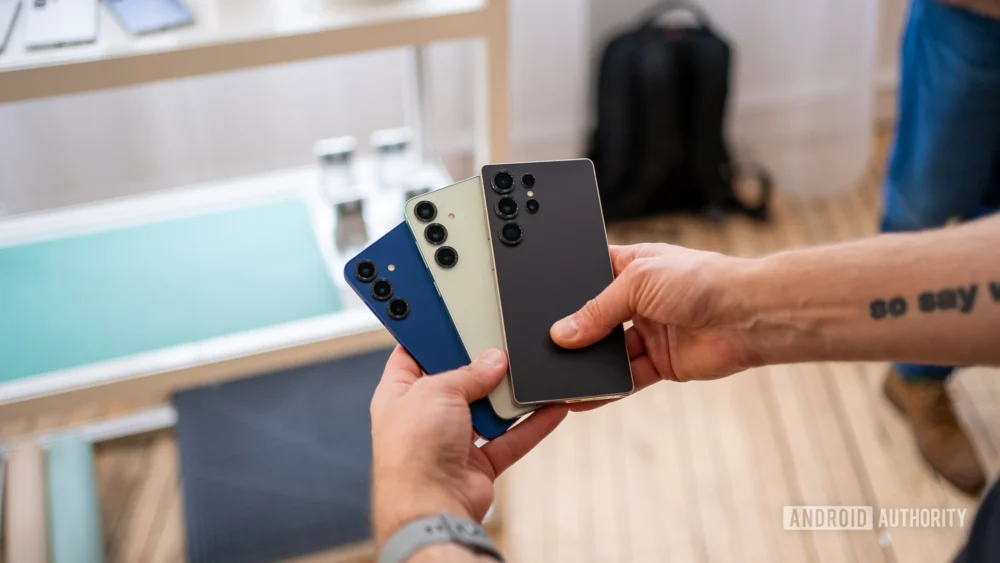
The mid-point of February 2026 is shaping up to be a pivotal moment in the mobile technology calendar, characterized by a flurry of significant product unveilings that are reshaping consumer calculus. The immediate horizon features the anticipated debut of the Google Pixel 10 series, scheduled for imminent release, quickly followed by the rumored arrival of the Apple iPhone 17e. However, the gravitational center of the month’s hardware ecosystem is undoubtedly the impending launch of the Samsung Galaxy S26 lineup toward the month’s conclusion. Furthermore, the traditional platform of the Mobile World Congress (MWC) 2026 often serves as an opportunistic backdrop for secondary announcements, adding another layer of potential market disruption.
In an environment saturated with imminent innovation, the prevailing industry wisdom suggests a strategic pause for potential buyers. Committing capital to acquire a marginally updated predecessor when next-generation devices are days or weeks away represents a significant opportunity cost. This sentiment is strongly reflected in recent community feedback, where reader engagement has crystallized a definitive list of models currently deemed unfavorable for purchase. This data, aggregated from thousands of consumer opinions regarding which devices to actively bypass this month, provides a valuable, bottom-up assessment of current market sentiment regarding hardware value proposition.
The Tipping Point: Reader-Identified Devices to Defer
The collective voice of the engaged consumer base has identified several key product families where the value proposition has demonstrably eroded due to looming replacements or competitive saturation. Two segments, in particular, have garnered overwhelming consensus regarding their inadvisability for immediate acquisition.
The most significant area of consumer hesitation centers squarely on the entire Samsung Galaxy S25 portfolio. Despite the S25 generation representing a mature and capable platform, the immediate proximity of the Galaxy S26 series renders the S25 an increasingly precarious investment. While initial projections suggest the S26 series might embody incremental evolution rather than radical revolution, even marginal advancements in critical areas can translate into substantial long-term user benefits. For instance, rumored features such as an enhanced Privacy Display—a crucial addition in an era increasingly concerned with digital surveillance and data security—offer a tangible defense against ‘shoulder surfing.’ Similarly, the rumored upgrade to 60W charging capability on the Ultra model significantly compresses downtime, a non-trivial convenience factor for power users.
However, consumer frustration with Samsung remains palpable in other areas. The perceived omission of integrated magnetic alignment features, akin to Apple’s MagSafe ecosystem, remains a persistent point of contention, especially when ancillary accessories, even those from competing platforms like AirPods cases, have adopted similar convenience standards. Furthermore, the lack of significant perceptual leaps in acoustic imaging technology within the camera arrays contributes to the perception of stagnation. Counterbalancing these critiques are the rumored slimming of chassis designs across the S26 lineup, which may offer ergonomic improvements, but these physical refinements alone appear insufficient to sway sentiment away from the newer generation.
Mid-Range Dynamics and the Upgrade Cycle Effect
Trailing closely behind the flagship Galaxy S25 series in terms of reader avoidance are two significant devices situated in the upper-mid-range segment: the Google Pixel 9a and the Samsung Galaxy A56. The rationale here is exceptionally clear and rooted in impending obsolescence.
The Google Pixel 10a is slated for launch within the current week. In the highly competitive mid-range, a device launching a mere week after its successor is announced immediately suffers a severe depreciation in market appeal. Consumers are acutely aware that the Pixel 10a will inherit the Tensor G4 chip, potentially improved computational photography pipelines, and crucial, longer-term software support commitments that the 9a cannot match. This rapid succession creates a vacuum where the older model becomes a false economy—a short-term saving that results in long-term technological compromise.
Concurrently, the Samsung Galaxy A56 is facing headwinds due to strong rumors surrounding its imminent successor, the Galaxy A57. Reports suggest the A57 will incorporate substantial quality-of-life upgrades, including a rumored shift to a more premium metal frame construction, tangible aesthetic refreshes, and, critically, faster wired charging capabilities. For the A-series demographic, which often prioritizes battery longevity and perceived build quality, these incremental yet impactful upgrades in the next iteration provide compelling justification to defer purchasing the A56. The industry trend indicates that mid-range consumers are becoming increasingly sophisticated, unwilling to settle for incrementalism when tangible build and charging improvements are on the near horizon.
The Performance Paradox: OnePlus’s Flagship Dilemma
An interesting deviation from the standard ‘avoid due to imminent upgrade’ narrative involves the current generation of high-tier OnePlus devices. These models have found themselves on the list not because of immediate replacements, but because of a perceived imbalance in their feature set relative to their positioning.
Specifically, these premium OnePlus offerings are being flagged due to what many readers perceive as feature regressions or disproportionate feature allocation—particularly concerning camera hardware—when compared against the high benchmarks set by their direct predecessors, the OnePlus 13 and 13R. While these current flagships undoubtedly excel in raw processing power and may offer an optimized experience for dedicated mobile gamers or users whose primary metric is benchmark performance, they appear to be failing the test of holistic device appeal.
In the contemporary smartphone market, success is increasingly predicated on a balanced ecosystem of features: exceptional processing power must be paired with competitive imaging capabilities, refined industrial design, and robust battery optimization. When a manufacturer prioritizes raw silicon speed at the perceived expense of camera versatility or consistency, the broader consumer base—which uses the device for daily media consumption, photography, and communication—will naturally look elsewhere. The community consensus suggests that these OnePlus devices are failing to deliver the ‘complete package’ expected at their price point, particularly when juxtaposed against the established standards set by their own previous models.
Industry Implications: The Peril of Incrementalism and Forecasting Consumer Behavior
This reader feedback provides a crucial barometer for manufacturers navigating the highly saturated 2026 mobile landscape. The data underscores several evolving industry dynamics:
1. The Shrinking Upgrade Window: The willingness of consumers to wait for even minor upgrades (like faster charging or marginal display enhancements) demonstrates that the perceived value gap between annual generations is narrowing. Manufacturers can no longer rely solely on processor bumps; they must deliver demonstrable, tangible quality-of-life improvements to justify immediate purchases of the current generation.
2. The Erosion of Legacy Appeal: The immediate devaluation of the Galaxy S25 series signals a market where the flagship lifecycle is being aggressively compressed by the launch cadence of its successor. This forces OEMs to manage inventory and pricing strategies much more aggressively post-launch to prevent a rapid inventory overhang.
3. Mid-Range Sophistication: The scrutiny applied to the Pixel 9a and Galaxy A56 highlights that mid-range buyers are increasingly demanding premium features—metal frames, faster charging—that were once exclusive to the high-end. Manufacturers attempting to use legacy components or slower charging solutions in the mid-tier risk immediate rejection once the next iteration promises parity with older flagships.
4. The Holistic Value Proposition: The OnePlus situation serves as a cautionary tale regarding feature prioritization. Performance leadership, while valuable, is no longer sufficient to insulate a device from criticism if other core competencies, such as imaging, are perceived to have regressed. Consumers are demanding comprehensive excellence, not specialized excellence.
Future Impact and Trends: The Importance of Predictive Consumer Insight
The recurring theme across these avoided devices is the power of anticipation. In a hardware cycle that is becoming increasingly predictable, consumer purchasing decisions are being heavily influenced by forward-looking data gleaned from leaks, renders, and early industry analysis, rather than purely on the specifications of currently available products.
This trend suggests that successful product launches in the latter half of 2026 and into 2027 will require not only superior initial hardware but also a highly effective strategy for managing the narrative in the preceding months. Companies must either aggressively price out the retiring generation to clear inventory before the next launch or ensure that the new generation offers disruptive, highly marketable features that immediately render the current stock undesirable to hold onto.
For consumers currently weighing options, this community consensus acts as a vital, real-time filter. If a purchase decision can be delayed by just a few weeks, the potential return on investment—in terms of improved technology, better pricing on the older model post-successor launch, or avoiding technological dead ends—is substantial. The current market environment heavily favors patience over immediate gratification, rewarding those who heed the collective warning signals regarding stagnant or soon-to-be-superseded hardware. Staying informed and exercising strategic restraint remains the most potent consumer tool in this intensely competitive hardware landscape.