

The late stages of 2025 saw Google announce strategic adjustments to the Android ecosystem, largely focused on reinforcing the security perimeter around app distribution. These measures included an intensified effort to curb the proliferation of unsigned applications emanating from third-party sources and the introduction of stricter flagging for apps exhibiting persistent battery drain issues. While these steps are ostensibly framed as consumer protections, the efficacy of such external policing rings hollow when the primary distribution hub—the Google Play Store itself—remains a labyrinth of friction and outdated design.
For Google to genuinely deliver a superior user experience, the focus must pivot inward. The Play Store, an application integral to the Android experience for billions, frequently presents itself as an overwhelming and visually discordant interface. This fundamental usability challenge is compounded by systemic flaws that have persisted for too long. As we project toward 2026, a comprehensive audit and subsequent overhaul of the core Play Store functionality is not merely advisable; it is imperative for maintaining platform credibility against increasingly stringent regulatory and consumer scrutiny. The following seven areas represent the most glaring deficiencies Google must address in the coming year to transform the digital marketplace from a source of frustration into a streamlined utility.
1. Decimating the Advertising Overload
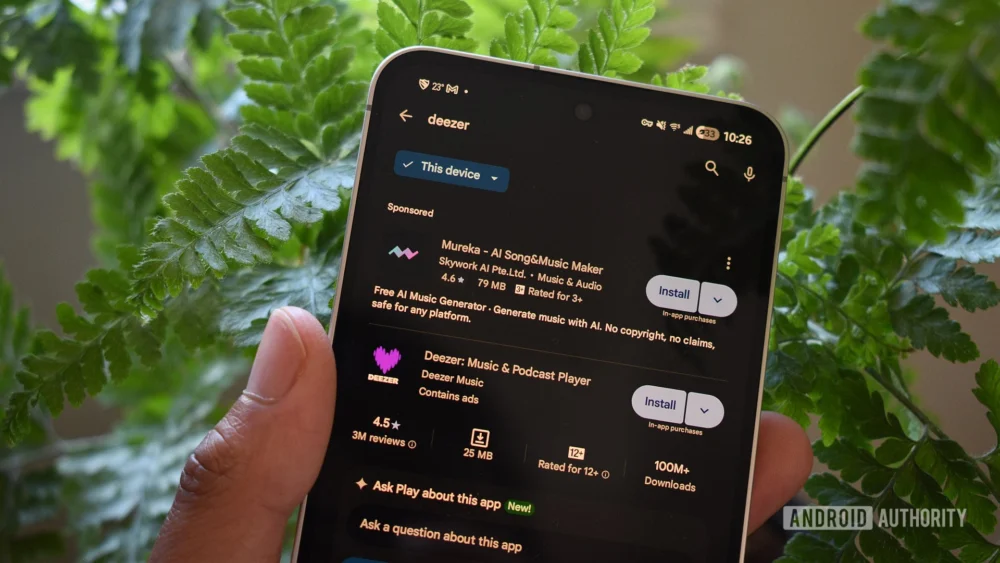
The integration of advertising within the Google Play Store has crossed the threshold from necessary revenue stream to intrusive user impediment. While the economic reality of supporting a free ecosystem necessitates monetization—and developer reliance on ad revenue is understood—the current implementation actively degrades the core function of the platform: application discovery and installation.
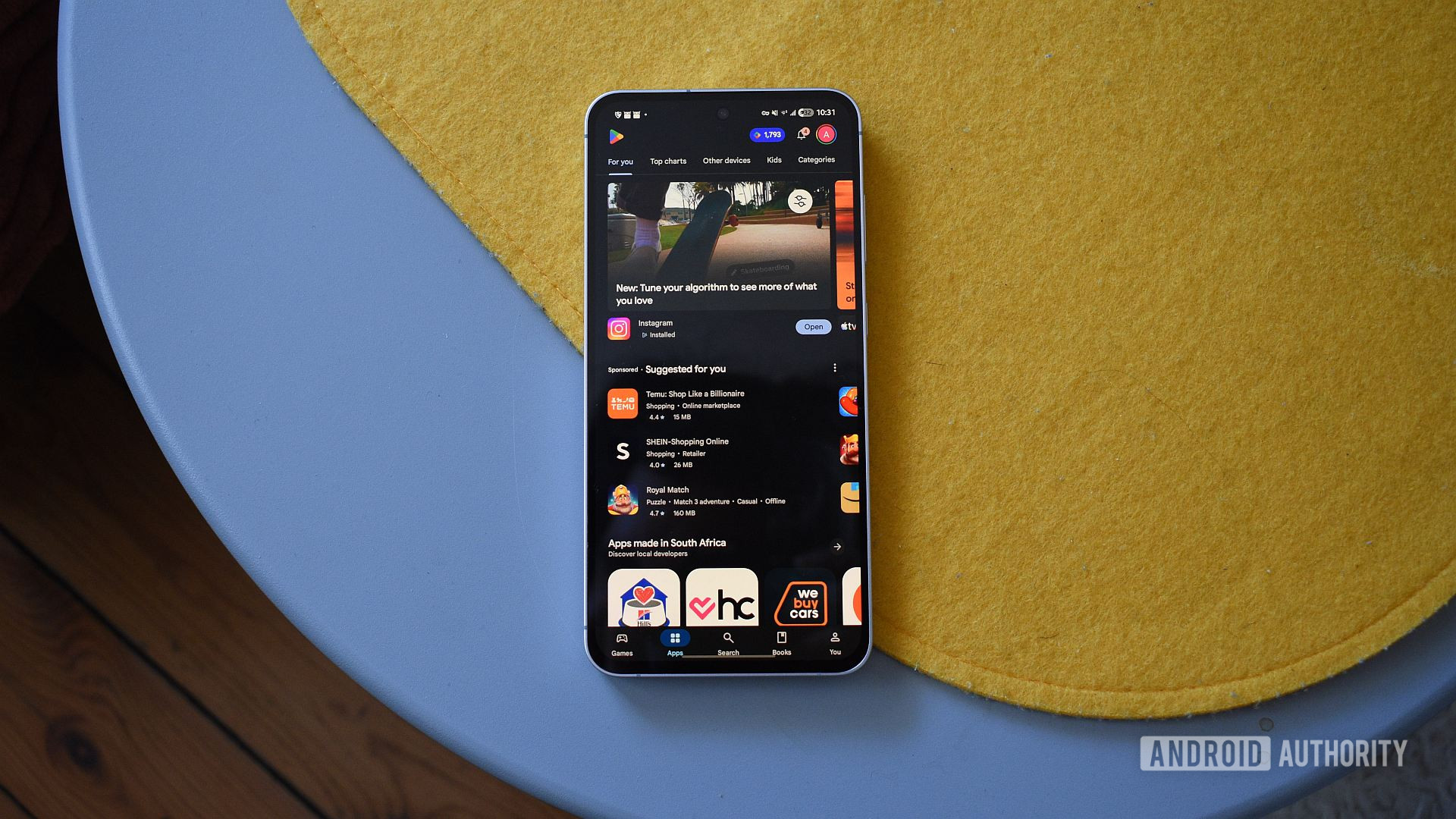
Upon launching the Play Store, users are immediately bombarded by sponsored placements, often pushing applications that bear no relevance to the user’s intent or previous behavior. This isn’t subtle promotion; it is aggressive saturation that forces users to actively scan and discard promotional content before accessing organic search results or curated lists. In 2026, the Play Store experience risks being defined more by ad avoidance than by genuine application acquisition. This is a dangerous precedent for a platform whose primary value proposition is curated access to software.
The industry implication here is significant. Over-aggressive in-app advertising, particularly in a utility like an app store, erodes user trust in the platform’s impartiality. Furthermore, these visually prominent, often misleadingly placed ads pose a genuine risk to less technically adept users, increasing the likelihood of accidental downloads of unwanted or potentially low-quality software. This scenario directly contradicts Google’s stated goals of enhancing consumer safety, creating a clear internal conflict between immediate advertising revenue targets and long-term platform integrity. Google needs to establish strict, non-negotiable limits on ad density, particularly above the fold in search results and on the main landing pages, prioritizing functional navigation over maximum ad impressions.
2. Reclaiming Search Authority: The Irony of the Search Giant
It is an almost paradoxical failure that Google, the entity that effectively codified internet search, struggles to deliver a high-fidelity search experience within its own premier application repository. Across several of its native applications, including areas like Google Keep and the Pixel Launcher, search functionality often feels like an afterthought—clunky, imprecise, and lacking depth. The Play Store remains the most egregious example of this operational disconnect.
Initiating a search should be instantaneous and intuitive. Currently, the mandatory double-tap sequence required on the search icon to activate the keyboard introduces unnecessary micro-friction that accumulates over repeated use. This small design flaw signals a lack of prioritization for the most fundamental user interaction.

However, the issues deepen once a query is submitted. Search results are frequently misaligned with the user’s intent, presenting tangentially related applications rather than direct matches. This problem is exacerbated by developer practices where app titles and descriptions are aggressively keyword-stuffed—a direct response to the Play Store’s weak semantic understanding—to game the algorithm. Searching for a common utility, such as a "PDF reader," results in a deluge of functionally identical, often ad-heavy, duplicates, making the selection process a cognitive drain. The top result, regardless of relevance, is frequently a large, paid advertisement that dominates the initial screen space, further confusing users who mistake promotion for algorithmic ranking.
A necessary evolution for 2026 involves robust filtering capabilities, moving beyond basic category sorting. Users require the ability to instantly refine results based on granular criteria: minimum star rating thresholds, publication date ranges (to exclude outdated apps), specific feature sets, and developer quality scores. The current system forces users to rely on third-party tools to achieve this basic level of informational triage, which is unacceptable for the platform owner. Expert analysis suggests that investing in advanced natural language processing (NLP) models specifically tuned for app metadata would significantly reduce keyword gaming and improve result accuracy, restoring the "search" component of the "app store."
3. Elevating Information Quality Over Data Quantity
The structure of individual application listing pages often suffers from information overload, presenting a sprawl of metrics that fail to guide the modern consumer effectively. While comprehensive data is theoretically available, the presentation prioritizes easily quantifiable, yet ultimately less useful, statistics over actionable insights.
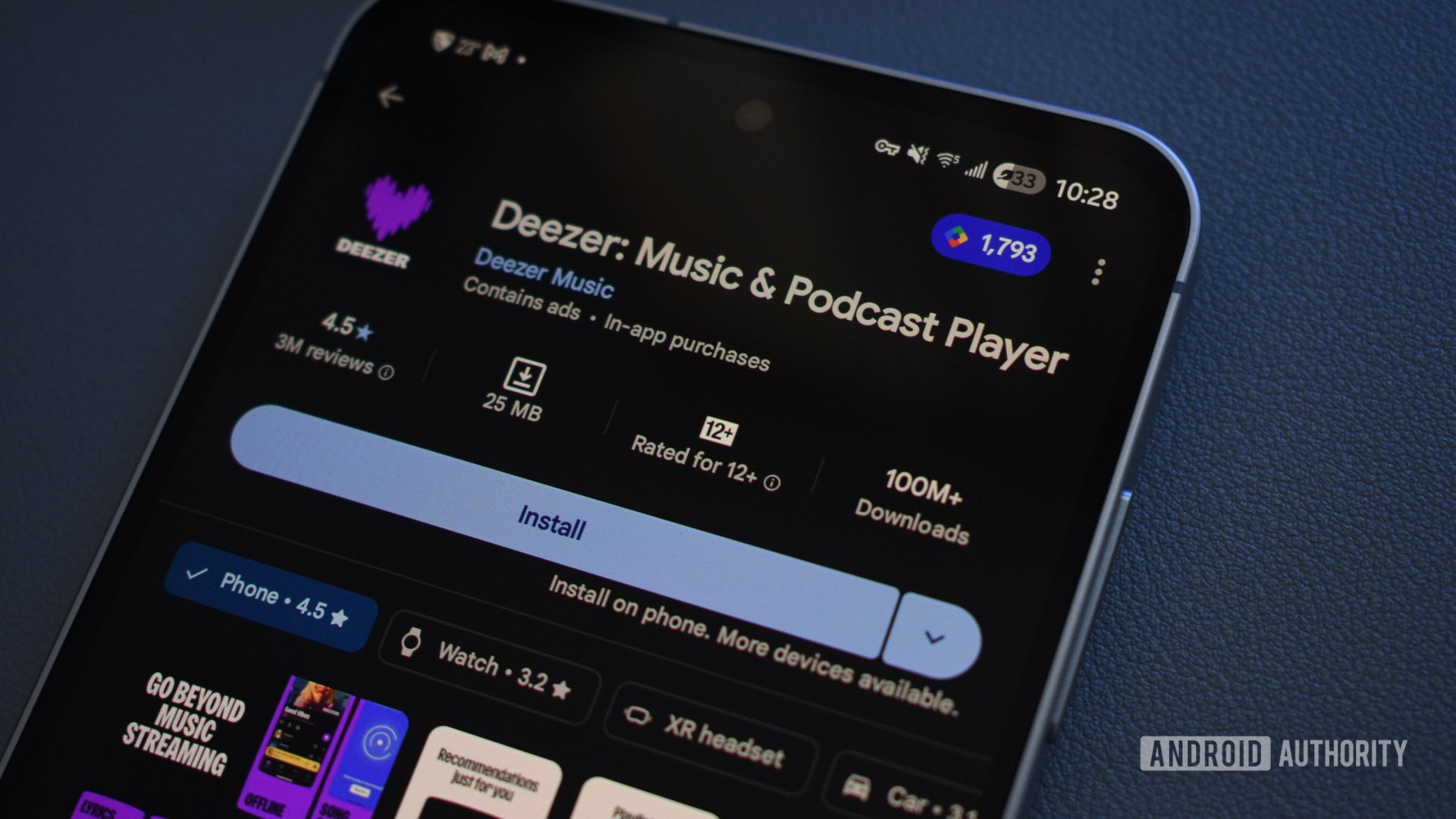
Metrics such as cumulative download counts or the current application size, while providing some context, rarely drive a contemporary download decision. Users are more concerned with the current state of the application—its active stability, its adherence to modern interface standards, and its value proposition relative to its cost. The current arrangement buries qualitative information beneath layers of potentially irrelevant quantitative noise.
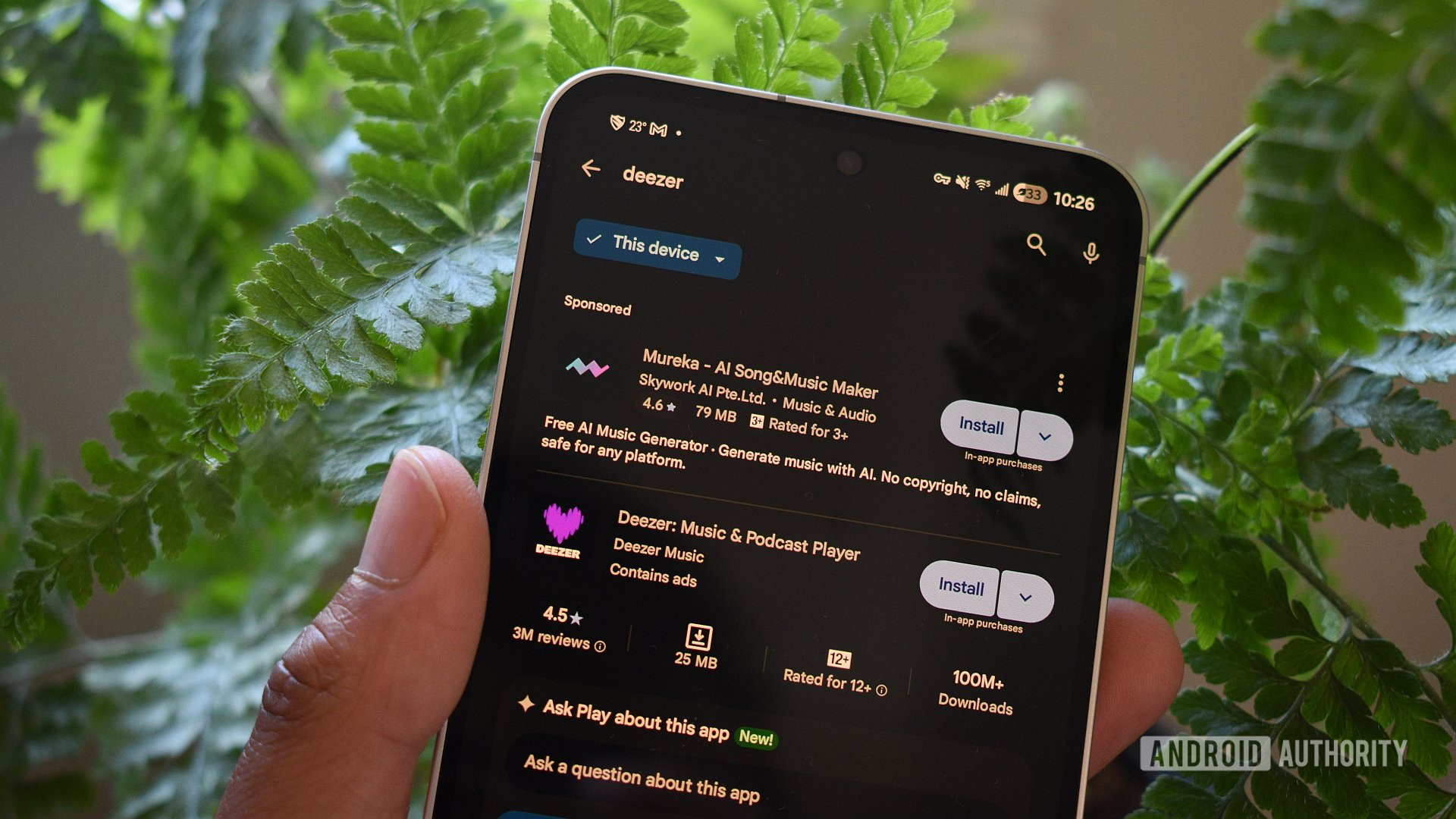
For 2026, Google must recalibrate the information hierarchy. Instead of simply listing "100M+ Downloads," the page should dynamically present data points that reflect the current user experience. This could include:
- Recency of Major Updates: Highlighting the date of the last significant feature release, not just minor patches.
- Performance Benchmarks: Displaying anonymized, aggregated data on memory footprint and CPU usage relative to similar apps (a feature that could leverage data Google already collects on battery misuse).
- Subscription Clarity Index: A standardized indicator showing the complexity and transparency of in-app recurring charges.
- Privacy Scorecard Synthesis: A simplified, visually digestible summary of data permissions requested and shared, derived from the existing privacy section.
Shifting the focus from raw historical volume to immediate, actionable quality indicators would align the Play Store with evolving consumer expectations for digital transparency.
4. Enforcing Standardization in Application Changelogs
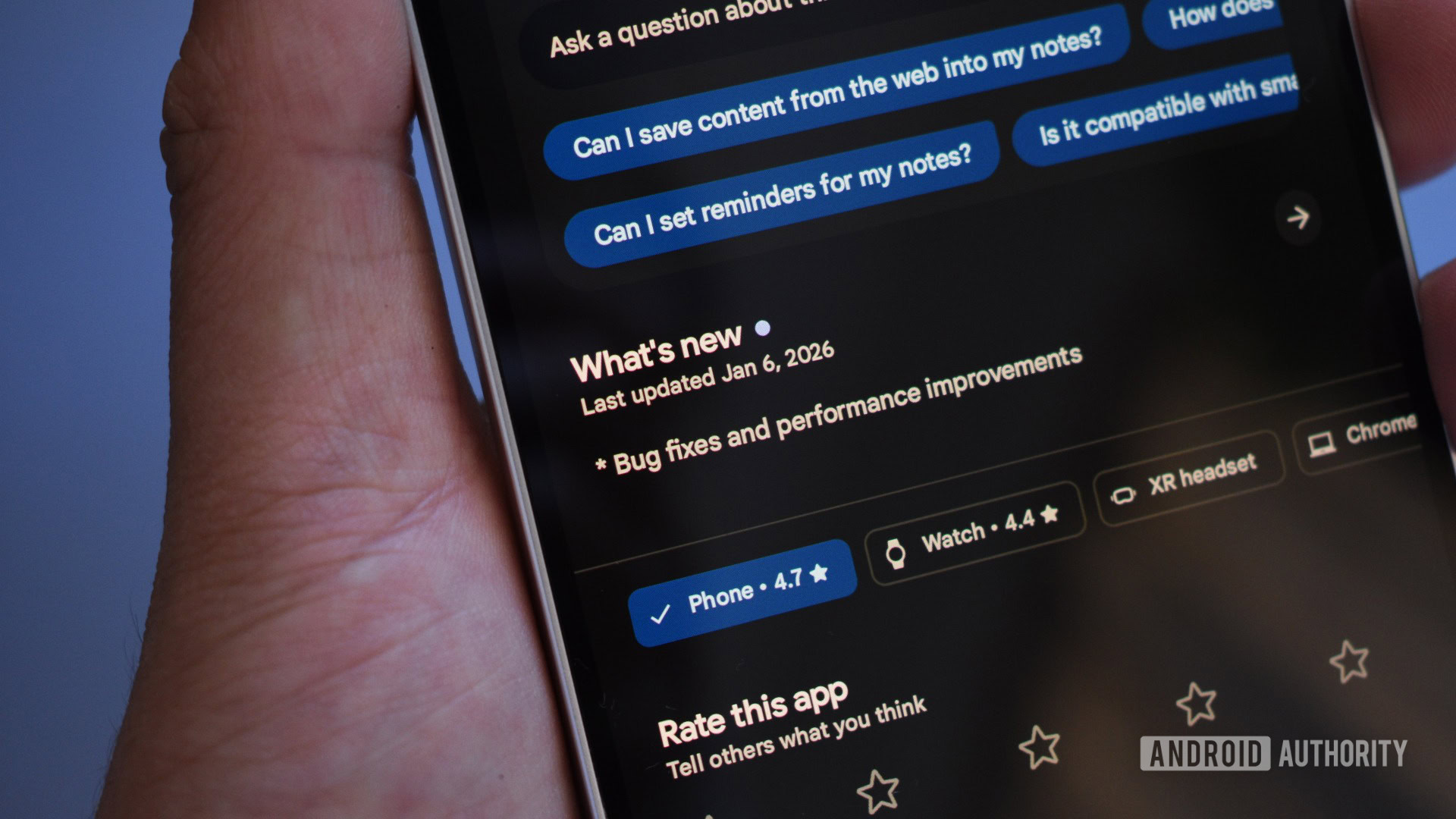
The update log, or changelog, should function as a contract between the developer and the user regarding the evolution of the software. On the Play Store, this feature is largely derelict. Changelogs are entirely developer-authored and lack any mandated structure, resulting in updates frequently documented with vague phrases like "Bug fixes and performance improvements."
This ambiguity prevents informed decision-making. A user facing a stability issue cannot determine if an update specifically targets their problem, nor can they track the roadmap of features they anticipate. Google itself is a notable offender, often providing minimal detail for its own application updates, setting a poor standard for the ecosystem.
The future mandate for 2026 must involve standardized reporting templates enforced across all submissions. Developers should be required to categorize changes into distinct sections: Features Added, Bugs Fixed (with specific issue references where possible), Deprecations/Removals, and Forward-Looking Statements (roadmap snippets). This structure, enforced by automated parsing tools, would ensure that every update provides genuine informational value, transforming the changelog from marketing filler into a critical diagnostic and planning tool.
5. Implementing Transparent, Tiered Pricing Disclosure
A glaring disparity exists between the Play Store and competing platforms, notably Apple’s App Store, concerning financial transparency before installation. While the Play Store currently indicates the existence of in-app purchases (IAPs) by listing a price range, it fails to clearly articulate the full economic commitment associated with an application.
Modern monetization frequently relies on layered structures: one-time purchase options, monthly subscriptions, and annual renewals, often hidden behind initial free trials. The current Play Store interface obscures these critical details, leading to "subscription shock" when a trial expires.
By 2026, the Play Store must adopt a system mirroring the clarity seen in leading competitors. Every application page must clearly delineate all potential financial pathways—one-time costs, recurring billing cycles (monthly/annually), and the associated tier names—directly on the main listing screen, separate from the general IAP disclosure. This preemptive transparency is not just a matter of fairness; it is a crucial component of consumer financial protection in the digital age.
6. Introducing Version Rollback Capabilities
The current distribution model offers zero recourse when a mandatory update introduces catastrophic bugs, performance regressions, or unwelcome feature removals. Users are effectively locked into the latest version, regardless of its quality. While security concerns naturally favor the newest build, the complete absence of user choice in this area represents a significant power imbalance.
Alternative ecosystems, such as F-Droid, demonstrate the tangible utility of version history access. Allowing users to revert to the immediately preceding stable build provides a vital contingency plan against flawed rollouts. This feature empowers the user to maintain functionality while awaiting a developer-side hotfix.
While full historical version access presents significant technical and security overhead, Google could implement a pragmatic solution for 2026: offering the option to roll back to the single previous version, perhaps retained locally for a defined period post-update. This capability could be offered as an opt-in feature for developers, acknowledging the technical lift, but the platform should strongly incentivize its inclusion for major updates.
7. Overhauling the Review System for Temporal Relevance
User reviews are indispensable for gauging real-world performance, yet the Play Store’s default sorting mechanisms often elevate reviews that are entirely obsolete. Highlighting a review from four or five years ago as "Most relevant" for an application that undergoes weekly updates is fundamentally misleading. The context of an app in 2020 is irrelevant to a user downloading it in 2026, as underlying APIs, OS dependencies, and feature sets will have radically transformed.

The reliance on general relevance algorithms fails to account for the rapid obsolescence inherent in mobile software. A review praising a feature that has since been removed or criticized for a bug that was patched three years prior provides negative signal noise rather than helpful data.
The necessary evolution involves integrating temporal relevance into the core sorting logic. Furthermore, Google should mandate or strongly encourage a structured review format. Instead of open-ended text, users could be prompted to rate specific vectors (e.g., UI responsiveness, stability under load, feature completeness, value for money). AI tools could then synthesize these structured inputs into concise "Pros" and "Cons" summaries at the top of the review section, instantly updating based on recent user input. This shift transforms subjective commentary into objective, actionable data points.
The ongoing efforts to control the periphery of Android distribution, while notable, underscore a critical oversight: the central marketplace itself requires significant infrastructural and experiential modernization. As the Android ecosystem matures and potentially faces increased regulatory scrutiny regarding monopolistic practices, ensuring the Play Store offers a demonstrably superior, transparent, and efficient experience becomes paramount. Addressing these seven areas of deep-seated friction in 2026 is not simply a cosmetic exercise; it is essential for Google to justify its gatekeeping role and foster a healthy, trustworthy environment for both developers and the vast global user base. A cleaner, faster, and more intelligently curated marketplace is achievable, but it demands a concerted commitment from the platform’s stewards.