

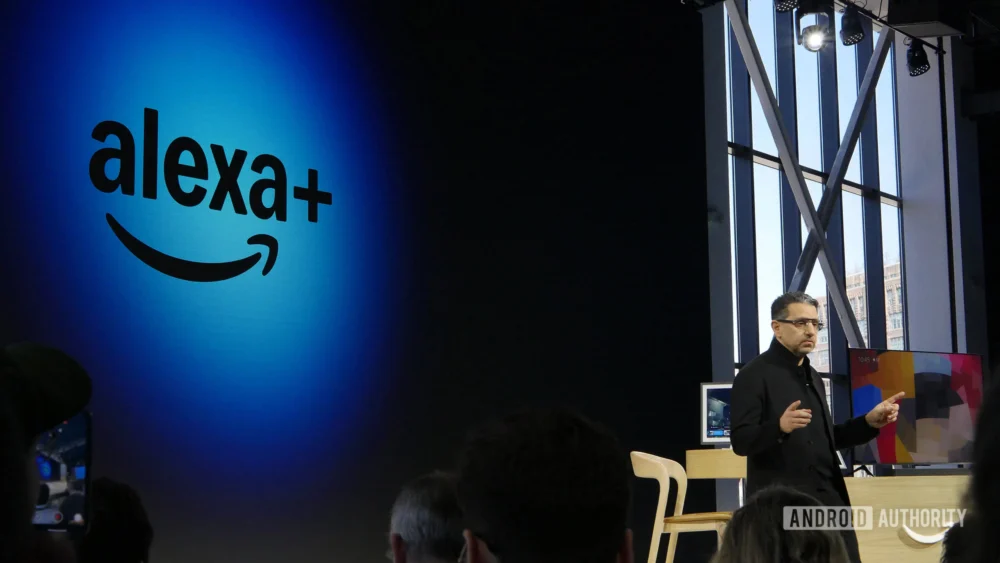
The digital ecosystem is currently witnessing a significant, and decidedly controversial, maneuver by Amazon: the non-optional migration of its vast base of Amazon Prime subscribers to the newly branded "Alexa Plus" artificial intelligence platform. This aggressive deployment, implemented without explicit user consent, has triggered immediate and vocal dissatisfaction across user forums and social media channels, forcing a critical examination of Amazon’s product stewardship and its relationship with its most loyal customers. While the company frames this as an automatic enhancement—a "perk" bundled with the existing Prime subscription—the reality unfolding on the ground suggests a classic case of feature creep overriding user preference, wrapped in the veneer of value addition.
The Genesis of the Forced Transition
To contextualize this event, one must first understand the preceding developments. Amazon has been systematically pivoting its voice assistant infrastructure, signaling a clear intention to move beyond the foundational Alexa architecture. The recent introduction of the dedicated Alexa Plus website—a clear indication of a more sophisticated, potentially cloud-centric or LLM-driven iteration of the assistant—was the first overt sign of this strategic shift. Alexa Plus is purported to offer enhanced capabilities, likely leveraging more advanced large language models (LLMs) for superior contextual understanding, complex reasoning, and richer conversational flow, features that the legacy Alexa framework struggles to deliver effectively.
However, the decision to bypass the standard opt-in mechanism for Prime members—a demographic that represents Amazon’s most financially committed user base—is the key point of contention. Prime members pay a premium for a curated bundle of services, ranging from expedited shipping to streaming content. The implicit contract has always been that core utility features, like the functionality of the Echo devices, remain stable or improve incrementally without requiring a fundamental change in user interaction paradigm unless explicitly accepted. By unilaterally pushing the upgrade, Amazon is effectively testing the boundaries of perceived customer ownership over the software underpinning their hardware investments.
Notifications delivered to users confirmed the automatic nature of the transition, stating that the upgrade would proceed and that a confirmation email would follow. Crucially, the instructions for reversion—a voice command to "Alexa, exit Alexa Plus"—suggest a superficial escape hatch rather than a true choice. This mechanism places the onus on the dissatisfied user to actively reverse a change imposed upon them, a subtle but important psychological hurdle in user experience design.
The Spectrum of User Discontent
The immediate reaction from the user community highlights a fundamental mismatch between Amazon’s perceived benefit and the actual user experience. The complaints are multi-layered, extending beyond mere resistance to change:
1. Performance Degradation and Latency: Perhaps the most damning early feedback concerns performance. Several users report experiencing noticeable latency and slower response times following the migration to Alexa Plus. In the realm of voice assistants, where speed is paramount to maintaining the illusion of seamless interaction, even minor delays can significantly degrade the perceived intelligence and utility of the system. If Alexa Plus relies on heavier, more complex computational models (as is typical for advanced LLMs), network bottlenecks or inefficient server-side processing could explain these slowdowns, creating a frustrating experience that undermines the promised sophistication.
2. Aesthetic and Auditory Changes: User interface and voice profiles are deeply personal for habitual users. Reports of dissatisfaction with the "new voice" of Alexa Plus underscore this personalization hurdle. Voice assistants become ingrained members of the household routine; altering the fundamental sonic signature of that interaction requires significant user re-adaptation, often met with resistance.
3. The Return Path and the Advertising Trap: The most alarming discovery relates to the process of reverting to the legacy Alexa. Reports indicate that users who successfully execute the downgrade command are subsequently "flooded by ads" upon returning to the standard service. This suggests a potentially predatory design choice: making the advanced, ad-free (or less ad-heavy) Plus tier functionally superior by making the fallback tier significantly degraded by aggressive monetization tactics. This tactic effectively corrals users back into the upgraded environment, transforming the "opt-out" into a punitive measure rather than a genuine choice. The anecdotal suggestion that switching the device’s language setting (e.g., to Canadian English) might temporarily bypass the ad flood further points to inconsistent rollout implementation or a poorly managed monetization strategy within the base tier.
Industry Implications and Strategic Analysis
Amazon’s deployment of Alexa Plus via mandatory upgrade carries significant weight for the broader technology industry, particularly in how platform ecosystems manage the transition between legacy and next-generation services.
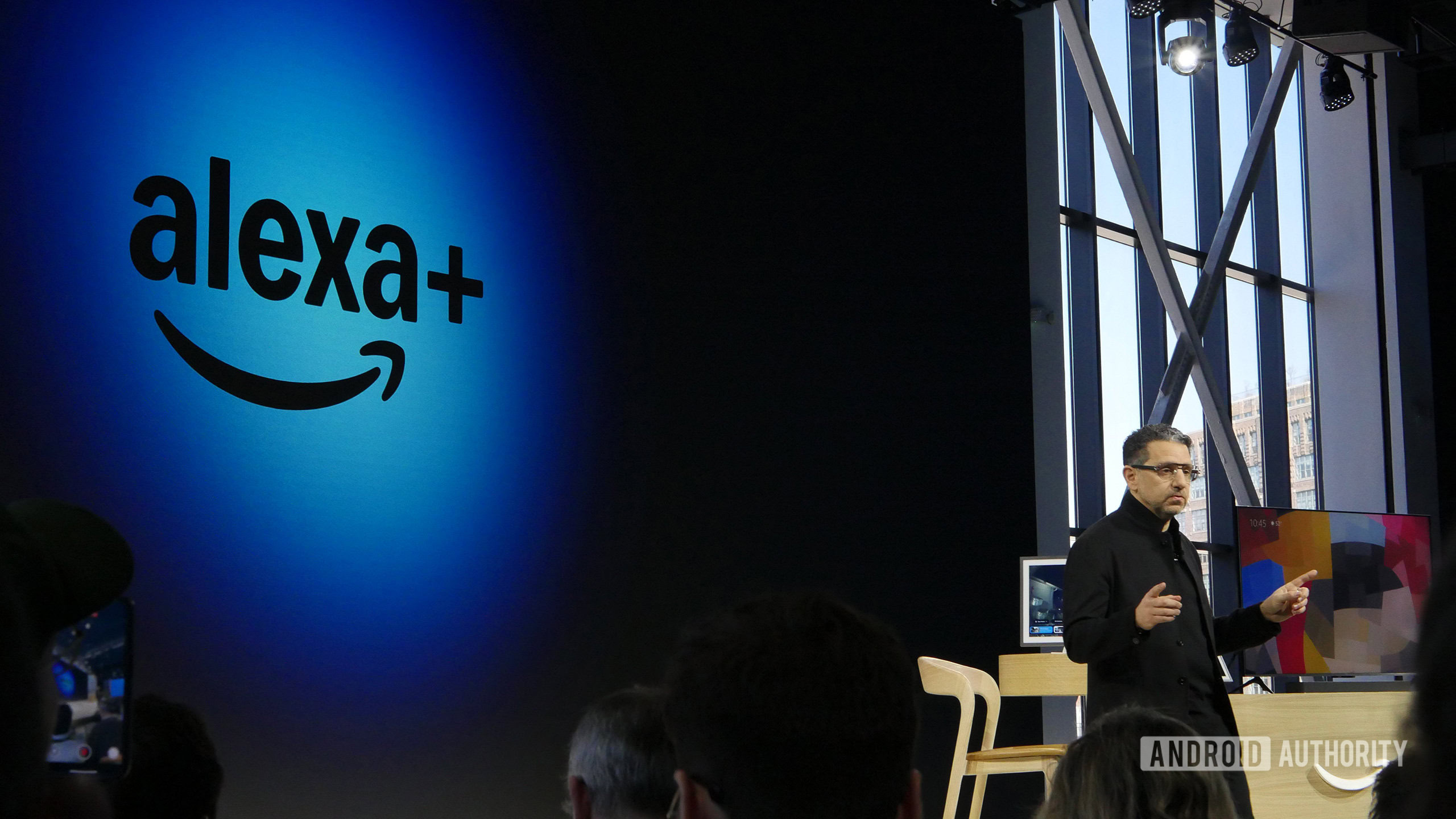
The Erosion of Trust in Ecosystem Loyalty: Prime membership is a loyalty program. When a core, expected feature (the basic voice assistant functionality) is altered without consent, it signals to the customer base that the terms of engagement are unilaterally subject to revision by the provider. In an era where consumers are increasingly wary of data privacy and service degradation masquerading as upgrades, this action risks alienating the very customers Amazon seeks to retain through the Prime umbrella. This move directly challenges the established norms of software updates, where major feature overhauls are typically presented as optional betas or explicit, documented changes requiring user affirmation.
The Monetization Imperative: The contrast in ad frequency between the two tiers reveals Amazon’s aggressive push toward monetizing the AI layer. While the legacy Alexa has always been a vehicle for commerce, Alexa Plus appears positioned as a premium intellectual service. By making the standard service deliberately inferior post-downgrade, Amazon is employing a "dark pattern" designed to maximize adoption of the Plus tier, whether the user consciously wants the advanced features or not. This strategy risks positioning Alexa Plus not as an aspirational upgrade, but as a necessary barrier against an actively hostile base experience.
Competitive Positioning in the Generative AI Race: This deployment must also be viewed through the lens of the generative AI arms race. Competitors, particularly Google with Gemini and Apple with its evolving Siri capabilities, are heavily investing in creating more capable, context-aware assistants. Amazon needs Alexa to remain competitive, and legacy architecture is a known constraint. Forcing the upgrade ensures a massive, immediate user base for testing, refining, and scaling the new LLM backbone. From a purely engineering perspective, mass forced migration accelerates the data feedback loop necessary to optimize a nascent, complex AI system.
Expert Perspective: The Trade-Off Between Scale and Consent
From a technological adoption standpoint, forcing an upgrade sacrifices short-term user goodwill for long-term platform scale. Dr. Evelyn Reed, a specialist in Human-Computer Interaction at the Institute for Digital Governance, notes, "In the context of ubiquitous computing, the friction associated with legacy maintenance often forces a company’s hand. However, the method matters. Amazon is treating its installed hardware base—devices purchased under the expectation of a stable, familiar OS—as a captive audience for its new LLM framework. This is a high-stakes gamble. If Alexa Plus is genuinely superior in performance and utility, users may eventually forgive the forced entry. If it is merely different, or worse, slower, the resulting resentment could translate into reduced engagement with the entire Amazon ecosystem."
The implication for hardware manufacturers is profound. When the software layer underpinning a device ecosystem is subject to such radical, non-negotiable changes, the perceived lifespan and value proposition of the physical hardware diminish. A user who bought an Echo device three years ago may now find its core function fundamentally altered without their consent, potentially diminishing their willingness to invest in the next generation of Amazon hardware.
Future Trajectories and Mitigation Strategies
The current controversy surrounding the forced upgrade points toward several likely future developments:
1. Regulatory Scrutiny: Unilateral changes to subscription services, particularly those involving mandatory feature overhauls that negatively impact the user experience unless punitive measures are avoided, often attract regulatory attention concerning consumer protection and unfair trade practices. If the ad inundation upon reversion proves widespread and systematic, legal challenges or governmental inquiries regarding "bait-and-switch" tactics could emerge.
2. Segmentation and Tiered Utility: Amazon will likely refine the tier separation. If the ad problem persists in the base tier, it sets a dangerous precedent. Future iterations may involve clearer feature delineation, perhaps limiting certain high-value transactional capabilities (like complex shopping list management or integrated smart home routines) only to Plus members, thereby justifying the separation beyond mere conversational nuance.
3. The LLM Performance Race: The ultimate success of this aggressive deployment hinges entirely on the realized performance gap between standard Alexa and Alexa Plus. If Plus delivers genuinely revolutionary capabilities—such as proactive problem-solving or seamless integration across the vast Amazon service portfolio—the initial user grumbling will likely fade as users recognize the superior utility. If, however, the "Plus" moniker represents only incremental improvement over the original, the backlash over the forced nature of the transition will solidify into long-term brand dissatisfaction.
The ongoing narrative around the Alexa Plus forced migration is not just about a software update; it is a barometer for corporate control over personal AI interfaces. Amazon has chosen scale and speed in deploying its next-generation intelligence, but in doing so, it has temporarily traded user autonomy for accelerated product maturity, a transaction that its most dedicated Prime members are currently auditing with considerable skepticism. The success of this strategy will be measured not just in adoption rates, but in the long-term recovery of customer trust.