

The persistent hum of smartphone development continues unabated, even amidst broader industry consolidation rumors that have occasionally touched upon OnePlus’s long-term strategy. Central to the next wave of flagship-adjacent devices is the anticipated OnePlus 15T, a device positioned to iterate upon the successes and address the niches carved out by its predecessors. Recent, credible intelligence, primarily sourced from the discerning observations of established leakers on Chinese social platforms, is beginning to paint a more concrete picture of the 15T’s capabilities, particularly where imaging hardware is concerned. This emerging profile suggests a focused refinement in optics, prioritizing high-resolution versatility over sheer sensor quantity.
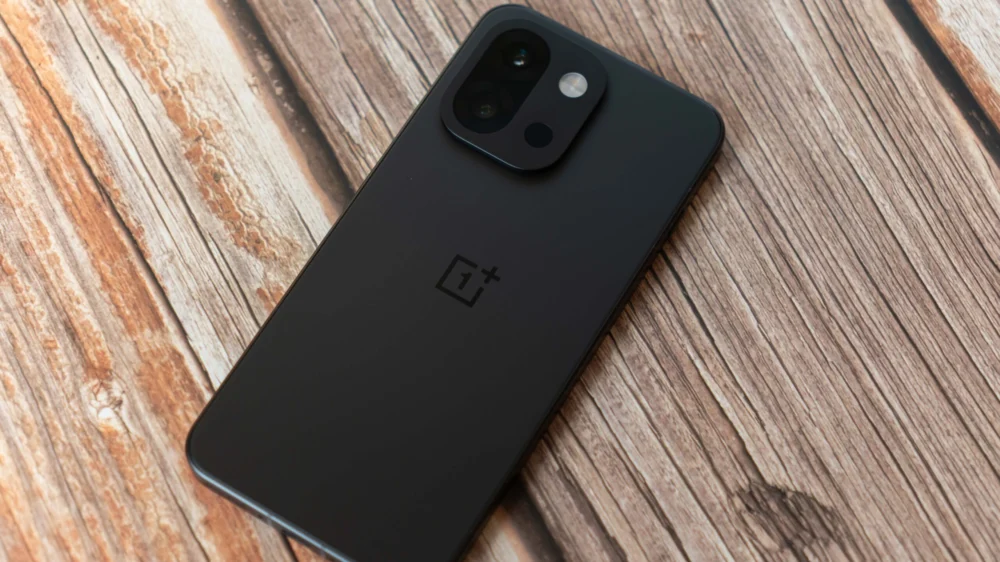
The core revelation centers on the rear camera array. Reports indicate that the OnePlus 15T is slated to employ a dual-camera configuration, a decision that signals a strategic streamlining, perhaps moving away from tertiary, lower-utility sensors often found in multi-lens setups. Specifically, this pairing is rumored to consist of two high-fidelity 50-megapixel sensors. The primary shooter is expected to utilize a flagship-grade sensor, likely optimized for broad dynamic range and low-light performance—the bedrock of modern smartphone photography. Crucially, the inclusion of a 50MP sensor dedicated to telephoto duties suggests a commitment to optical zoom quality. This is a significant differentiator; many manufacturers often relegate telephoto functions to lower-resolution sensors or rely heavily on digital cropping, which degrades image fidelity quickly. By matching the resolution of the main sensor, OnePlus may be aiming for lossless or near-lossless zoom capabilities within its primary optical range, a feature highly valued by enthusiasts who demand consistency across focal lengths.
Complementing this dual powerhouse on the rear, the front-facing camera is reportedly anchored by a 16-megapixel sensor. While less detail is available regarding the selfie camera’s specific capabilities or lens architecture, 16MP remains a robust standard for high-detail video conferencing and self-portraits, fitting within the premium mid-to-high-range segment the ‘T’ series typically occupies.
This optical blueprint slots neatly into a broader set of specifications teased earlier in the development cycle, which paints the 15T as a device focused intensely on display technology and raw endurance. The display is anticipated to be a flat 6.3-inch panel, a size that balances immersive viewing with one-handed usability, a popular choice among users weary of overly large curved screens. The resolution is pegged at 1.5K, striking an excellent balance between sharpness and power efficiency. What truly elevates this aspect is the projected refresh rate: a blistering 165Hz. This refresh rate, significantly higher than the standard 120Hz common among current flagships, suggests an aggressive push for unparalleled screen fluidity, particularly important for gaming and high-frame-rate video consumption. Interestingly, this display size aligns closely with the dimensions seen in the preceding 13T/13S models, indicating a commitment to maintaining a familiar physical footprint while injecting significant technological upgrades under the hood.
Perhaps the most compelling hardware rumor revolves around power management. Whispers suggest the OnePlus 15T will house a substantial battery pack, potentially ranging between 7,000mAh and 7,500mAh. If these figures materialize, this capacity would place the 15T among the segment leaders in sheer endurance, potentially rivaling or exceeding the already massive 7,300mAh cell rumored for the standard OnePlus 15. Such a large capacity, when paired with an efficient chipset and the optimized 1.5K display, could easily deliver two full days of heavy usage—a genuine selling point in a market saturated with all-day-and-a-half devices.
Driving this substantial hardware will reportedly be the next generation of Qualcomm silicon, specifically the Snapdragon 8 Elite Gen 5. This choice of chipset situates the 15T firmly in the upper echelon of performance metrics, ensuring that demanding applications, intensive multitasking, and cutting-edge mobile gaming run flawlessly, irrespective of the high refresh rate display demanding constant data throughput.
Industry Context and the Significance of Dual 50MP Optics
To fully appreciate the implications of the OnePlus 15T’s rumored camera configuration, one must examine the current state of smartphone imaging. For several years, the trend has been "more lenses are better," leading to cluttered camera modules featuring ultrawide, macro, and depth sensors, often with diminishing returns on the latter two. The move towards a dual 50MP setup—Main and Telephoto—signals a mature understanding of user priorities.
This strategy echoes the high-end philosophy of brands like Apple and Google, where the focus is on perfecting the two most frequently used focal lengths: the standard wide perspective and the optical zoom range. By utilizing 50MP sensors for both, OnePlus leverages pixel-binning technologies (such as combining four or nine pixels into one superpixel) to deliver superior low-light performance from both modules simultaneously, while still retaining the option for full 50MP resolution shots in ideal lighting conditions for maximum detail capture and cropping flexibility.
The telephoto component is particularly revealing. A 50MP telephoto lens suggests OnePlus is targeting optical zoom ratios that offer substantial magnification (likely 3x or higher) without relying on the soft results of digital cropping, which often plagues mid-range competitors. In an era where video content creation and high-quality portraiture are paramount, having a dedicated, high-resolution telephoto lens provides a significantly more professional aesthetic, offering natural background compression and sharpness. This suggests OnePlus is not just aiming to compete on raw specifications but on the quality of the captured image across different scenarios.
Display Technology and Performance Benchmarks
The confluence of a 165Hz refresh rate and a 7,000mAh+ battery presents an intriguing engineering challenge and opportunity. While 165Hz is technically superior to 120Hz, the practical difference in everyday use is marginal for most users. However, for the dedicated mobile gamer, this extra bandwidth translates into smoother frame delivery in supported titles, potentially offering a competitive edge. The crucial element here is the power draw. A battery capacity nearing the 7,500mAh mark is truly exceptional for a phone likely retaining a relatively slim profile (given the "T" series heritage). This suggests significant advancements in battery cell density or an internal redesign allowing for maximum component volume—a critical factor given the power demands of the Snapdragon 8 Elite Gen 5 and the high-refresh-rate display. If OnePlus can successfully manage this power-to-size ratio, the 15T could set a new benchmark for flagship endurance.
The Regional Conundrum and Market Strategy
A significant asterisk remains attached to the OnePlus 15T: its market availability. The predecessor, the 13T/13S, was notably restricted to the Chinese and Indian markets. This localized strategy often allows manufacturers to tailor specifications—such as battery size or specific chip variants—to regional demands or regulatory environments without having to adhere to the stringent, often more conservative, certification processes required for a full global launch across North America and Europe.
If the 15T follows this pattern, its impact will be geographically confined, focusing on reinforcing OnePlus’s position in two of the world’s most competitive smartphone markets, particularly India, where battery life and high refresh rates are heavily weighted purchasing factors. However, the rumored specs—especially the potentially industry-leading battery and the high-end camera pairing—are exactly what global consumers often request from the brand. A surprise global rollout would signal a renewed confidence from OnePlus in its product differentiation strategy, potentially repositioning the ‘T’ series as a genuine, if slightly niche, flagship killer that prioritizes specific hardware strengths over comprehensive global availability.
Expert Analysis: Iteration vs. Revolution
From an expert perspective, the leaked specifications of the OnePlus 15T suggest a period of measured, intelligent iteration rather than a revolutionary overhaul. The focus is clearly on maximizing user-centric features: superior battery life, best-in-class screen responsiveness, and refined optical performance.
- Optical Maturity: The move to a dual 50MP system indicates the company is embracing the high-resolution sensor trend but applying it intelligently. The industry is shifting away from megapixel wars and towards computational photography and high-quality optics across the board. This setup provides the necessary hardware foundation for sophisticated image processing, allowing OnePlus to potentially close the gap with imaging leaders without resorting to overly complex, expensive, or bulky sensor arrays.
- Performance Ceiling: The use of the next-generation Snapdragon 8 Elite Gen 5 ensures the device remains relevant for the entire product cycle. This is crucial for a device that may be launching later in the year, as it guarantees parity with early 2025 flagships.
- Endurance as a Primary Feature: In a market where charging speeds are often prioritized, emphasizing a massive 7,000mAh+ battery positions the 15T as a device built for longevity, appealing to power users, road warriors, and heavy mobile gamers who prioritize uptime over device thinness. This could become a signature feature if successfully implemented without creating an unwieldy device.
The overarching trend this device embodies is specialization. Instead of trying to be marginally better than competitors in every single metric, OnePlus appears to be loading the 15T with standout features—extreme battery life and ultra-high refresh rate display—while ensuring its core imaging capability is rock-solid via the dual 50MP configuration.
Future Impact and Market Positioning
Should the OnePlus 15T launch with these specifications, its impact will resonate in several key areas. Firstly, it places continued pressure on competitors in the premium mid-range and "flagship-killer" segment to significantly upgrade their battery technology. A 7,000mAh cell is not merely an incremental improvement; it fundamentally changes the usage pattern for a smartphone user.
Secondly, its camera strategy, if executed well, will validate the approach of focusing optical quality on the primary and telephoto lenses. If the 50MP telephoto produces results comparable to higher-tier flagships, it raises the bar for what consumers should expect from non-Ultra/Pro variants.
Finally, the 165Hz panel, while potentially niche, serves as a technological showcase, signaling that OnePlus is not neglecting display innovation. This helps maintain the brand’s perception as a technology-forward player, even if the specific hardware iteration is primarily aimed at enthusiast segments in specific regions. The ultimate success, however, hinges not just on the hardware specs, but on the software optimization—ensuring the power management handles the massive cell efficiently and that the ColorOS integration supports the high-performance demands of the 165Hz screen and the new Snapdragon platform seamlessly. Until launch, these leaked specifications offer a compelling glimpse into a device engineered for sustained, high-fidelity performance.