

The digital security landscape has been abruptly shaken by developments concerning the alleged exfiltration of proprietary source code and internal documentation from the retail giant Target. Confirming initial reports that circulated in the cybersecurity community, multiple individuals currently employed by, or formerly associated with, Target have corroborated the authenticity of materials purportedly stolen by a threat actor and sampled publicly on a Gitea instance. This internal verification process coincided almost immediately with an observable, drastic hardening of Target’s development infrastructure, suggesting the corporation recognized the veracity and potential severity of the compromise.
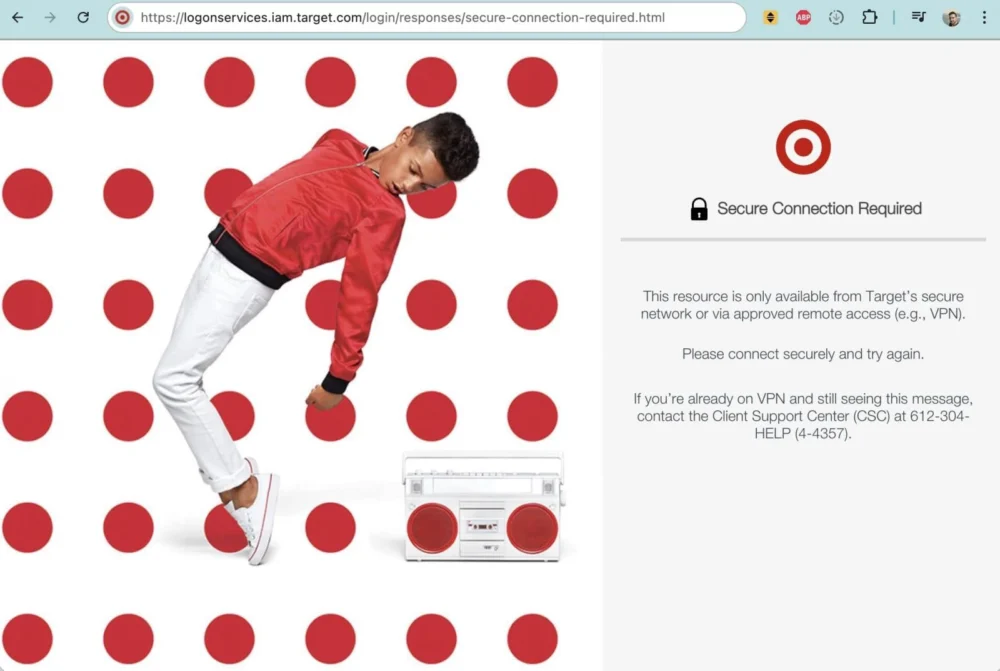
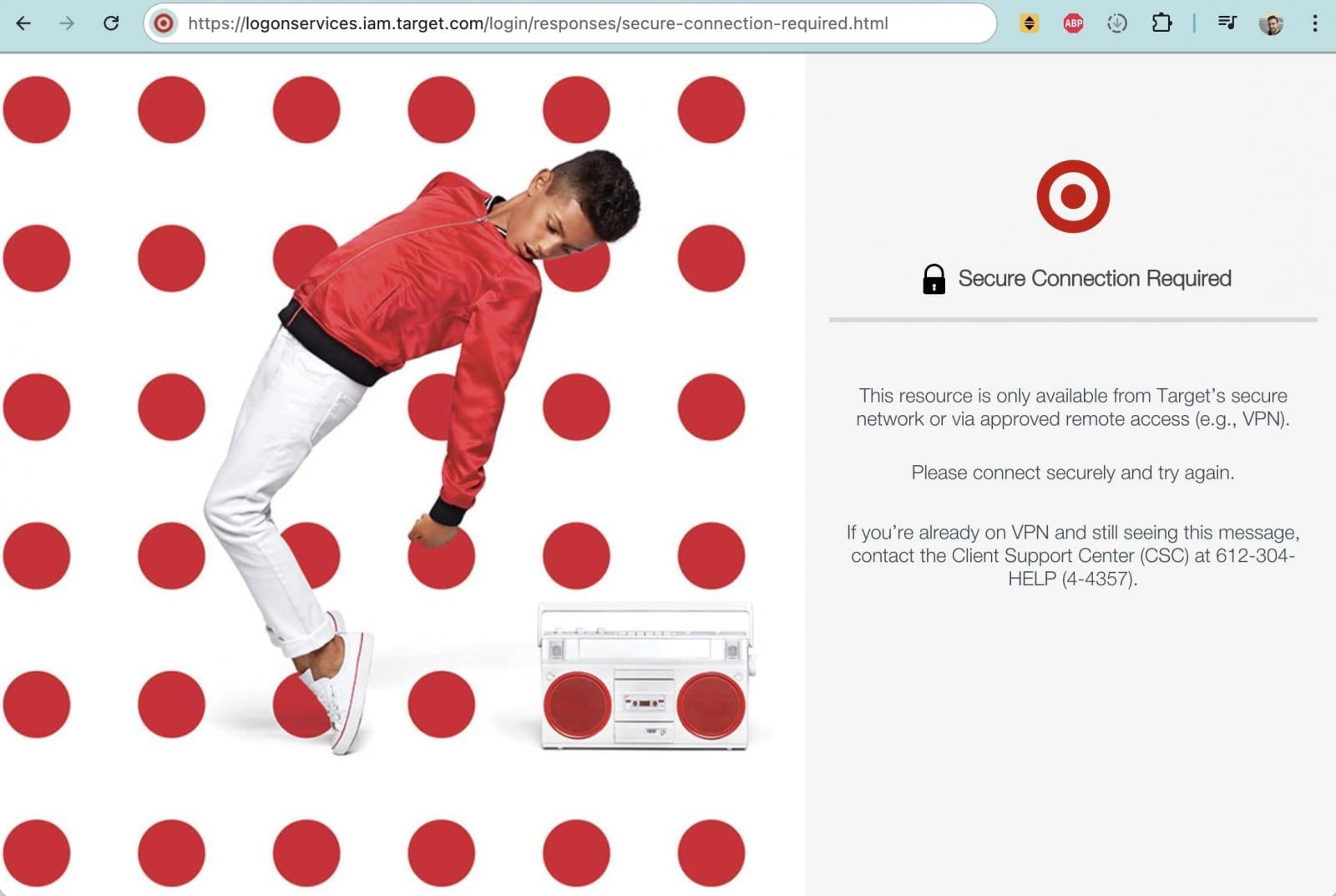
A current employee provided compelling evidence of this reactive posture: internal communications detailing an “accelerated” security mandate that drastically curtailed external connectivity to the company’s Enterprise Git server. This swift policy enforcement occurred merely one day after external inquiries regarding the alleged breach were first directed to the organization, strongly indicating a direct correlation between the public exposure and the subsequent lockdown. The specific Git server, identified as git.target.com, transitioned from being accessible via the public internet—albeit requiring authentication—to being strictly restricted to connections originating from Target’s internal network perimeter or approved corporate VPNs. This move effectively severs external access to the codebase, a standard but critical remediation step when proprietary intellectual property is potentially at risk.
The Weight of Corroboration: Internal Markers Confirming Leak Validity
The initial reporting centered on a threat actor advertising the sale of what they claimed was Target’s internal software repository. The digital breadcrumbs left by the adversary included a small, 14MB sample spread across five partial repositories hosted on the open-source platform Gitea. While this sample size is minuscule compared to the threat actor’s claimed total haul of approximately 860GB, its internal consistency has proven significant.
Sources possessing intimate knowledge of Target’s Continuous Integration/Continuous Deployment (CI/CD) pipelines and underlying infrastructure have since stepped forward. Their analysis of the sample repository contents has systematically validated numerous internal identifiers. For instance, system nomenclature such as “BigRED” and references to “TAP [Provisioning]” were confirmed by a former employee to map directly to legitimate, operational platforms used by Target for orchestrating both cloud-native and on-premise application deployments.
Further substantiation arrived through the examination of the technology stack components referenced within the leaked snippets. Mentions of specific Hadoop datasets and tooling configurations resonated with current operational realities. Crucially, the sample displayed code artifacts related to a customized CI/CD framework built upon Vela, a detail Target itself has acknowledged in prior public-facing documentation regarding its development environment evolution. The inclusion of established software supply chain tools, such as JFrog Artifactory, also aligned with external business intelligence pertaining to Target’s engineering practices.
Perhaps the most damning evidence of authenticity lies in the inclusion of proprietary internal project codenames and taxonomy identifiers. Sources independently identified references to constructs known internally as “blossom IDs” embedded within the leaked data structures. The confluence of real employee names, confirmed project designations, and matching internal URL patterns within the sample strongly argues against the possibility of fabrication. This level of granular, context-specific detail is rarely replicated convincingly in generic or synthesized malicious code samples, lending substantial credibility to the threat actor’s overall claim regarding the size and scope of the exfiltrated archive.
Industry Context: The Growing Peril of Source Code Exposures
This incident underscores a pervasive and escalating vulnerability within modern enterprise IT: the sanctity of the source code repository. For large, digitally sophisticated organizations like Target, source code is not merely lines of text; it represents the architectural blueprint of their competitive edge, encompassing proprietary algorithms, intellectual property related to logistics, customer-facing innovations, and critical security logic.
The migration of development environments from purely isolated, on-premise systems to more interconnected platforms—even when using self-hosted solutions like GitHub Enterprise Server (git.target.com)—introduces new vectors for compromise. While Target’s decision to host its internal development on an on-premise Git server suggests a layer of control beyond using public repositories for core code, the necessity of developer access, often via remote connections, creates the very exposure points that threat actors seek.
The industry context is further complicated by the nature of the development tooling mentioned. The reliance on CI/CD systems like Vela and artifact repositories like Artifactory means that a compromise of the source code repository can be a gateway to the entire software supply chain. If an attacker gains access to the repositories containing build instructions and dependencies, they are positioned to potentially inject malicious code directly into production binaries, a devastating form of systemic sabotage often associated with advanced persistent threats (APTs).
Analyzing the Remediation: The Accelerated Lockdown
The speed at which Target reportedly tightened access to git.target.com following external contact is a significant operational indicator. The internal directive, communicated via Slack, explicitly framed the policy adjustment as "accelerated," signaling a departure from standard change management protocols driven by immediate threat response. The mandate enforced strict network segmentation: access is now exclusively permitted from devices connected to Target-managed infrastructure, either physically on-site or through the corporate Virtual Private Network (VPN).
From a security architecture perspective, this is a classic "containment" maneuver. By revoking external web access to the repository server, Target immediately minimizes the window for further unauthorized bulk data transfer, assuming the threat actor was leveraging external connectivity. However, this action does not erase the data already compromised. It merely secures the remaining assets. The fact that open-source contributions are generally segregated to public platforms like GitHub.com confirms that git.target.com was the dedicated repository for proprietary application logic, making its exposure particularly sensitive.

The timing—just one day post-inquiry—suggests that Target’s internal security teams likely confirmed the validity of the Gitea sample very quickly, triggering an emergency response escalation that bypassed typical governance timelines. This responsiveness, while necessary, often hints at the severity of the initial assessment regarding the data’s sensitivity.
Investigating the Vector: Breach, Leak, or Insider Facilitation?
The critical unanswered question remains the initial ingress point. The data’s presence on the dark web or third-party marketplaces implies a successful exfiltration, but the mechanism remains undetermined. Three primary hypotheses emerge: a traditional external breach, a sophisticated zero-day exploit targeting the Git server itself, or an insider threat, either malicious or negligent.
Security intelligence provided by external researchers offers a potential, albeit unconfirmed, thread. Alon Gal, CTO of Hudson Rock, indicated that their telemetry identified a specific Target employee workstation compromised by infostealer malware back in late September 2025. This infected endpoint possessed unusually broad access credentials, including privileges for Identity and Access Management (IAM) systems, Confluence documentation repositories, and Jira project management tools—resources critical for navigating and extracting large volumes of code.
What makes this specific infection noteworthy is the depth of access. Gal noted that while their monitoring tracks numerous compromised Target employee devices, very few possess IAM or wiki access credentials. This singular case, alongside one other, suggests a privileged position within the network topology. While no direct causal link has been established between this earlier malware infection and the current source code advertisement, the timing aligns with patterns observed in major data extortion campaigns. Threat actors frequently execute initial access campaigns months before attempting monetization or public disclosure. The Clop ransomware group’s history of long dwell times before deploying extortion tactics serves as a relevant historical analogue.
The potential for insider involvement, whether through credential theft via malware or deliberate action, cannot be dismissed. Source code repositories, particularly self-hosted ones, are often secured by network segmentation rather than advanced endpoint detection and response (EDR) alone. If an authenticated user or a compromised account belonging to a privileged user initiated the transfer, perimeter defenses would have been insufficient to stop the egress.
Future Impact and Evolving Security Paradigms
The exposure of Target’s source code carries substantial implications extending beyond the immediate remediation effort.
Intellectual Property Erosion: The 860GB archive, if fully compromised, represents a treasure trove for competitors or state-sponsored actors. It allows adversaries to reverse-engineer Target’s unique retail logic, personalized customer experience algorithms, supply chain optimization routines, and, most critically, its security implementations. Understanding how Target configures its defenses through their code can immediately reveal exploitable blind spots in their live production environment.
Supply Chain Security Mandates: This incident will undoubtedly trigger intensified scrutiny across the retail sector regarding software supply chain security. For organizations utilizing similar open-source tooling integrated with proprietary platforms (like Vela and Artifactory), the necessity of implementing stricter access controls, secrets management, and continuous code integrity scanning becomes paramount. The reliance on custom CI/CD platforms, while offering flexibility, inherently increases the attack surface if access controls are not rigorously enforced at every stage.
Zero Trust in Development Environments: The response—forcing all Git access through a managed VPN—is a move towards Zero Trust Network Access (ZTNA) principles for developers. However, true Zero Trust demands continuous verification of user and device posture, not just network location. Future-proofing against such leaks will require pervasive, identity-centric controls that verify authorization even after a developer is inside the corporate perimeter or VPN. This includes limiting the scope of repository access based on the principle of least privilege, ensuring a single compromised endpoint cannot download the entire codebase.
The Challenge of Dormant Data: The time lag between the potential infection (September 2025) and the public leak (January 2026) highlights the "dormant data" problem. Data exfiltrated long ago can resurface at any moment, long after initial security incidents may have been patched or forgotten. This necessitates continuous monitoring of dark web chatter and proactive threat hunting for indicators of compromise, rather than solely reacting to immediate alerts.
Target’s silence following the initial contact and the sharing of intelligence findings is notable. In high-profile breaches, communication strategy is crucial. Remaining non-committal, however, may be a deliberate tactical decision while forensic analysis is underway to determine the full scope of the compromise and the exact mechanism of exfiltration. Until the root cause is definitively established—whether it was a network configuration failure, an unpatched vulnerability in the Git server, or a compromised employee credential leading to authorized, yet unauthorized, data movement—the precise risk mitigation strategy remains incomplete. The confirmed authenticity of the leaked code, however, solidifies the reality of a significant security event demanding immediate and comprehensive technical and organizational overhaul.