


The landscape of mid-range tablets, typically defined by fierce competition and razor-thin margins, remains a critical battleground for consumer electronics manufacturers. For many users seeking capable, affordable devices—whether for education, light productivity, or media consumption—this segment offers the most compelling value proposition. In the European market, the newly launched HUAWEI MatePad 11.5 S (2026) positions itself directly into this fray, presenting a compelling hardware story that appears deliberately weighted toward visual fidelity and input responsiveness over raw endurance. Priced accessibly below the £350 threshold for the base model, the question for potential buyers is whether this strategic hardware allocation translates into a superior overall user experience, or if fundamental trade-offs compromise its daily utility.
Design Philosophy: Minimalism Meets Premium Surface Finish
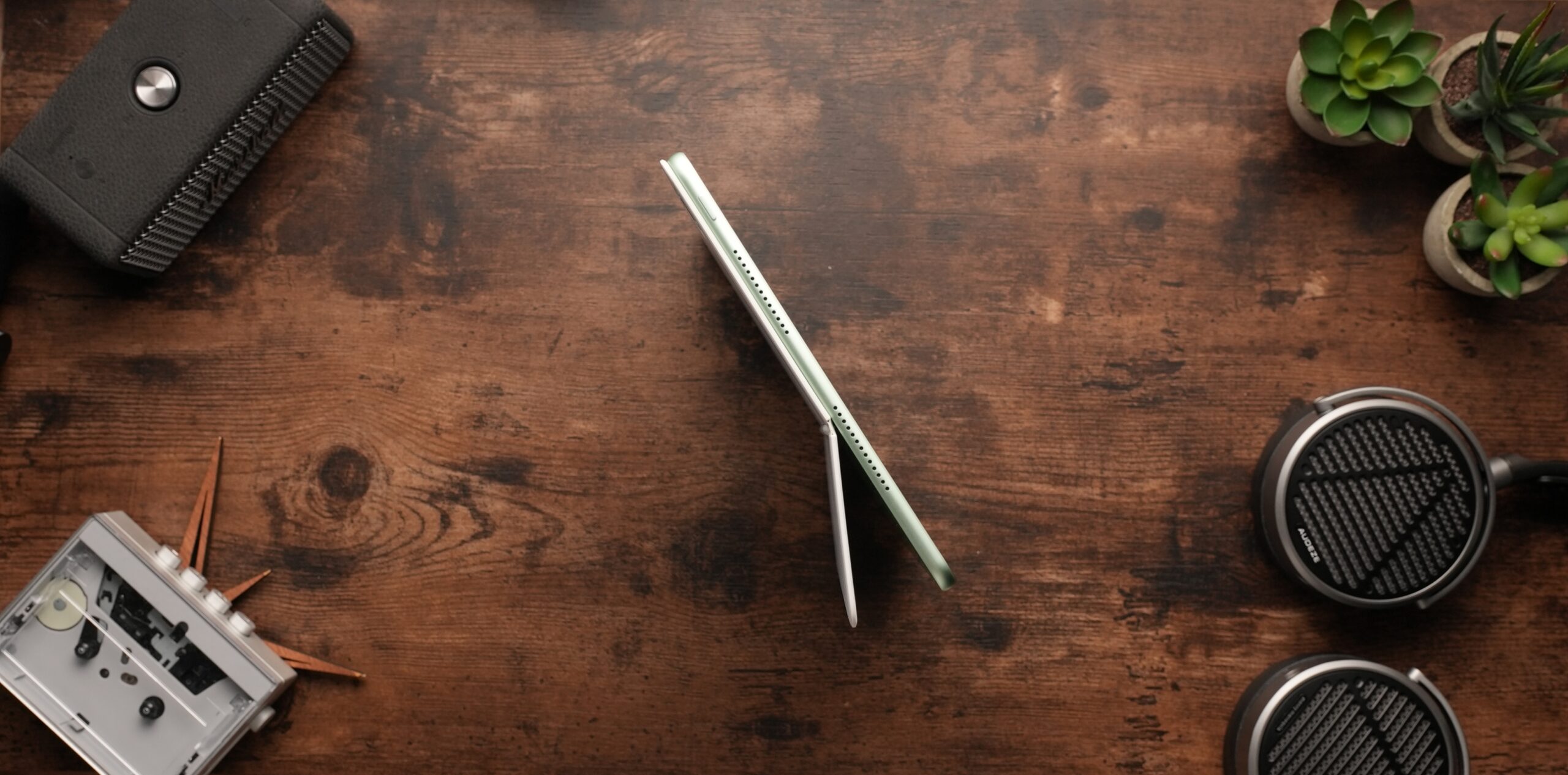
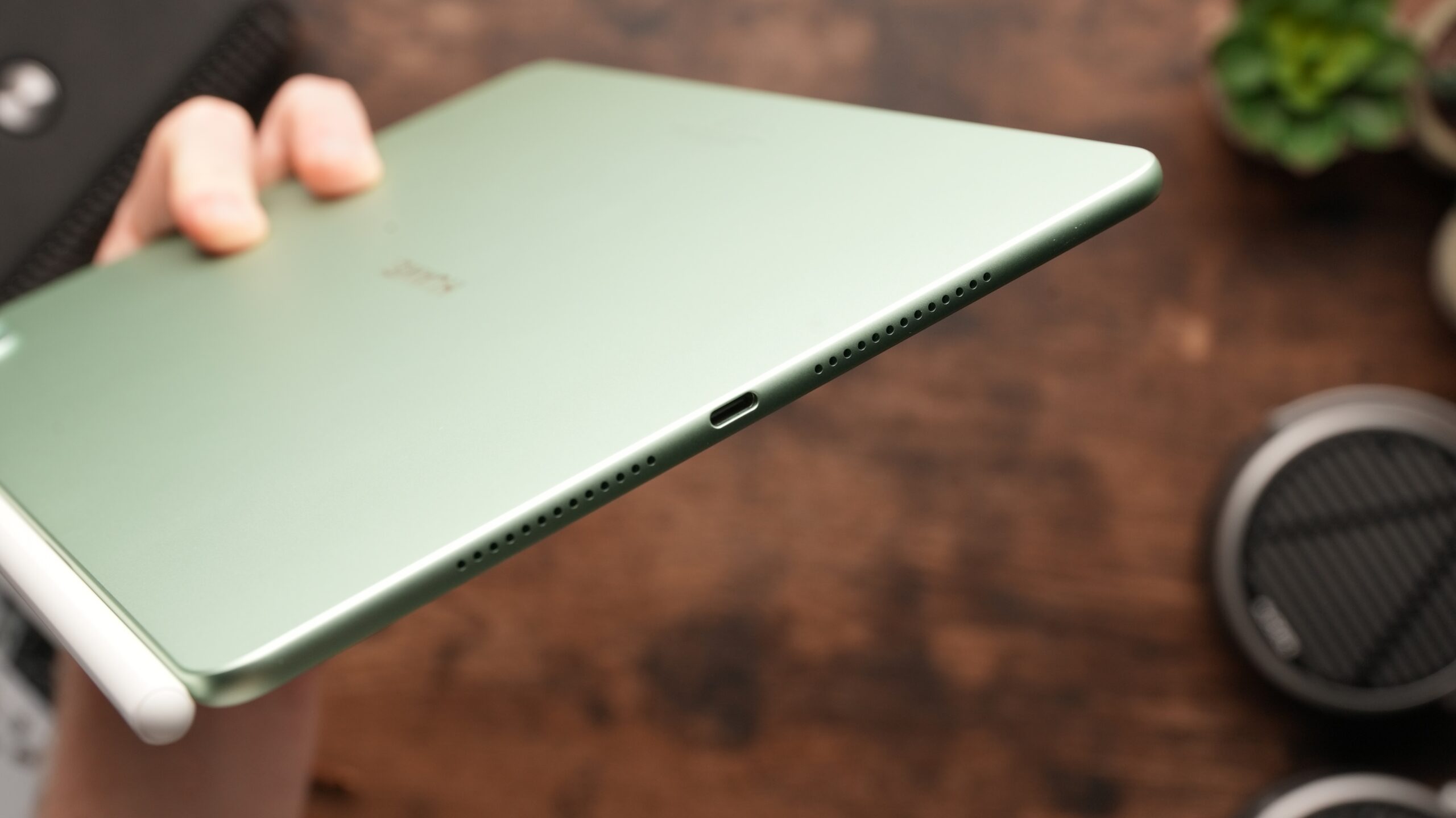
HUAWEI has opted for a familiar, understated aesthetic with the MatePad 11.5 S. Measuring a svelte 6.1mm in thickness—a commendable achievement given its feature set—and weighing in at a manageable 515 grams, the aluminum enclosure offers a solid, if not overtly premium, in-hand feel. This commitment to thinness and lightness, while appreciated for portability, hints at the primary compromise: the battery capacity. Unlike some flagship competitors, the chassis design does not advertise any official ingress protection ratings for water or dust, nor are there explicit claims regarding the mechanical robustness of the screen glass, suggesting a focus on aesthetic appeal and thinness over ruggedization typical of higher-tier devices. The inclusion of an integrated kickstand mechanism, which separates cleanly from the primary keyboard accessory, is a thoughtful touch that addresses the often-awkward ergonomics of using a tablet flat on a surface due to camera bumps.
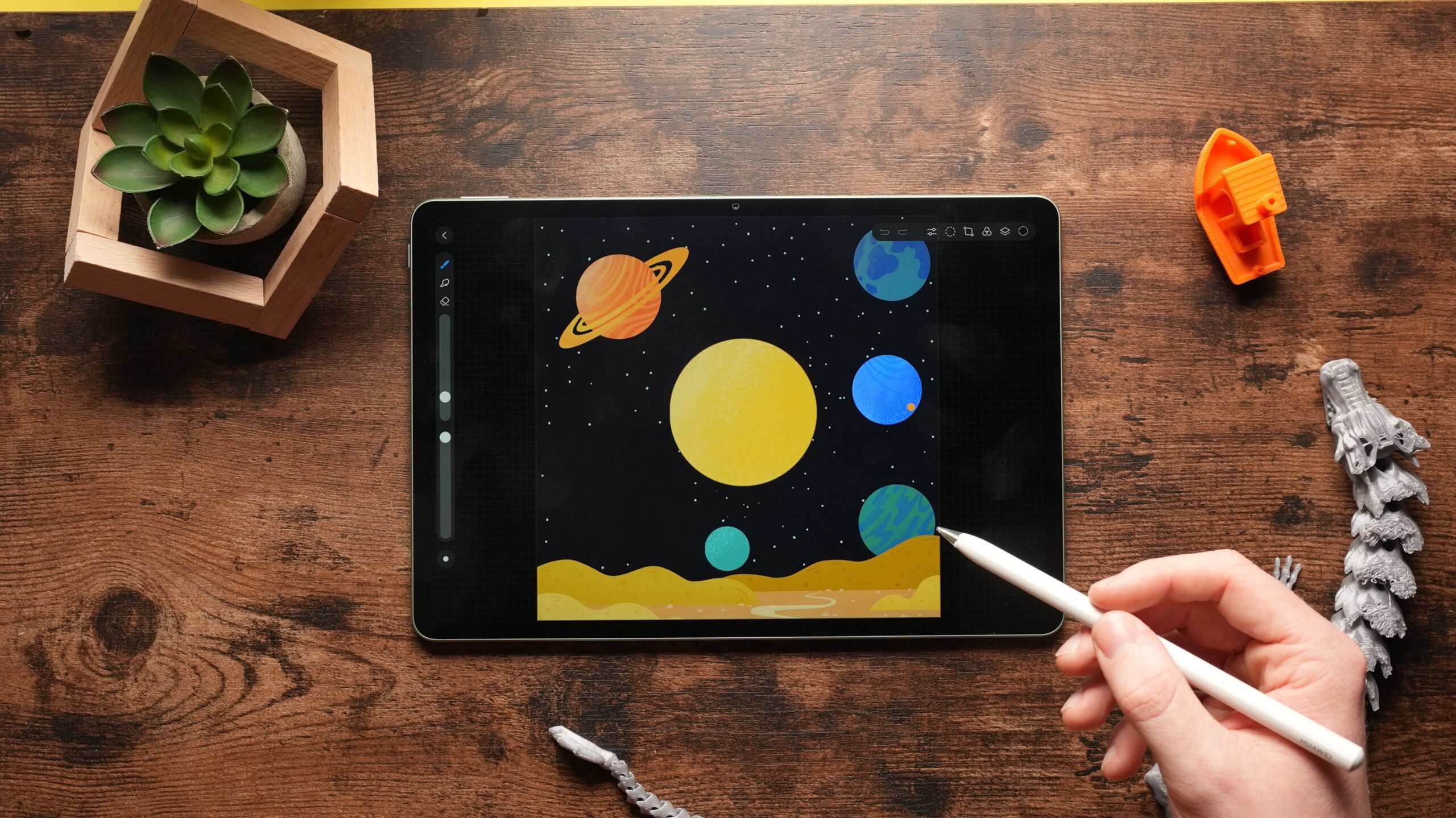
However, the true standout element of the physical design is undeniably the display technology. HUAWEI has invested heavily here, providing a feature that immediately elevates the device above many of its segment rivals. The 11.5-inch IPS panel boasts a sharp 2,800 x 1,840 resolution and a remarkably fluid 144Hz refresh rate. This combination of high pixel density and high refresh rate ensures that scrolling, animations, and especially pen input feel exceptionally smooth and responsive.
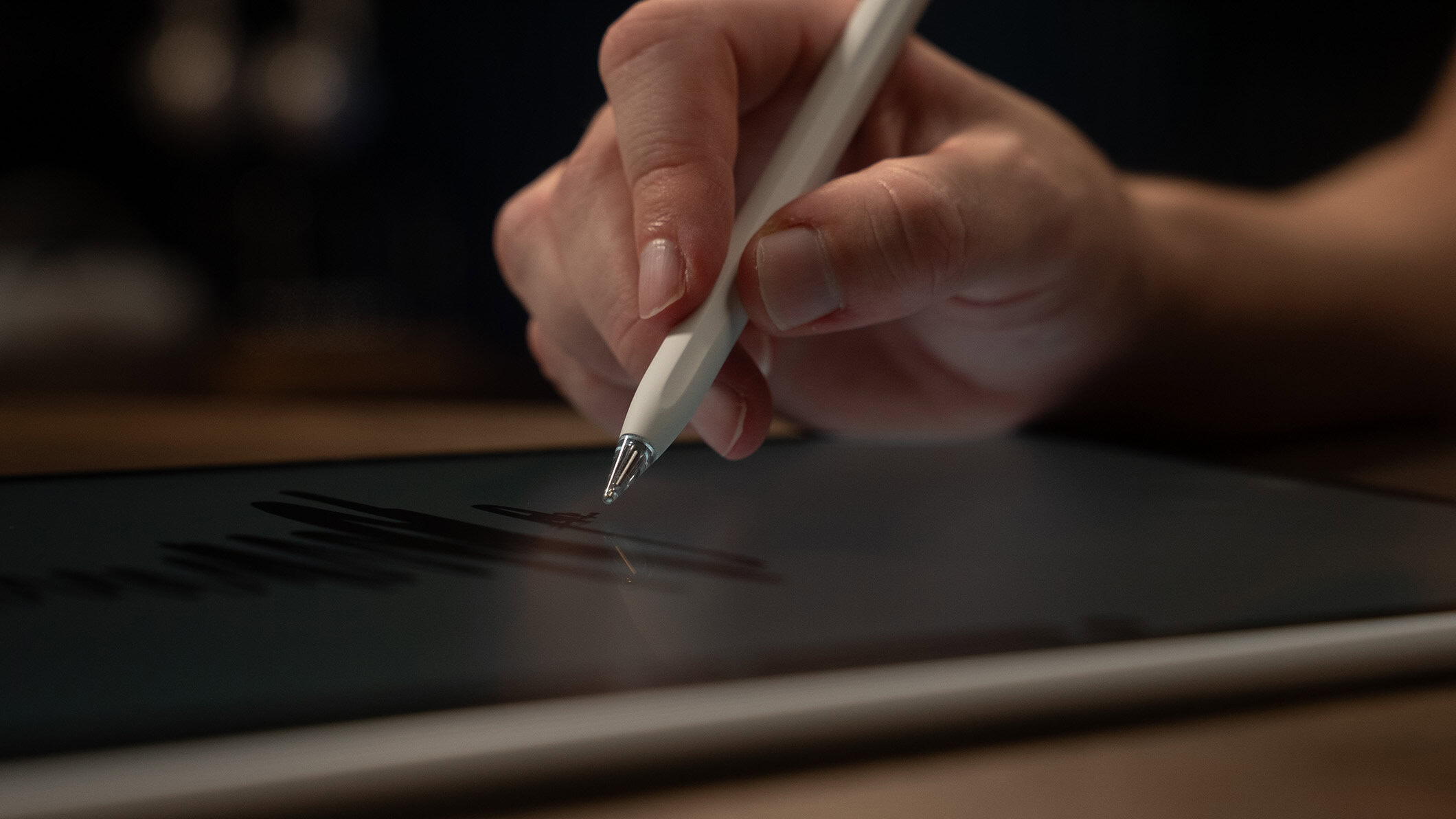
Crucially, the display employs a sophisticated matte finish achieved through nano-etching. This is not merely a cosmetic choice; it is a functional engineering decision that fundamentally alters how the tablet interacts with its environment. The anti-reflective properties are outstanding, virtually eliminating distracting glare from overhead interior lighting—a common annoyance in office or classroom settings. Furthermore, the subtle, almost tactile texture imparted by the etching process provides a significantly more analog, paper-like feedback when paired with the M-Pencil Pro. This feature directly targets digital artists and note-takers who prioritize the feel of the stylus on the screen surface. Industry experts often note that achieving high clarity alongside effective anti-glare properties without introducing the "sparkle" or "rainbow" effect common in lesser matte coatings is a difficult engineering challenge; the MatePad 11.5 S appears to navigate this successfully.
The Core Trade-Off: Powering the High-Refresh Canvas
The strategic decision to prioritize an elite display and drawing experience over all-day endurance manifests clearly in the power specifications. The tablet is equipped with an 8,700mAh cell, which, on paper, is competitive against contemporaries like the Galaxy Tab S11 (at 8,400mAh). Yet, powering a 2.8K resolution display running consistently at 144Hz represents a significant energy draw.
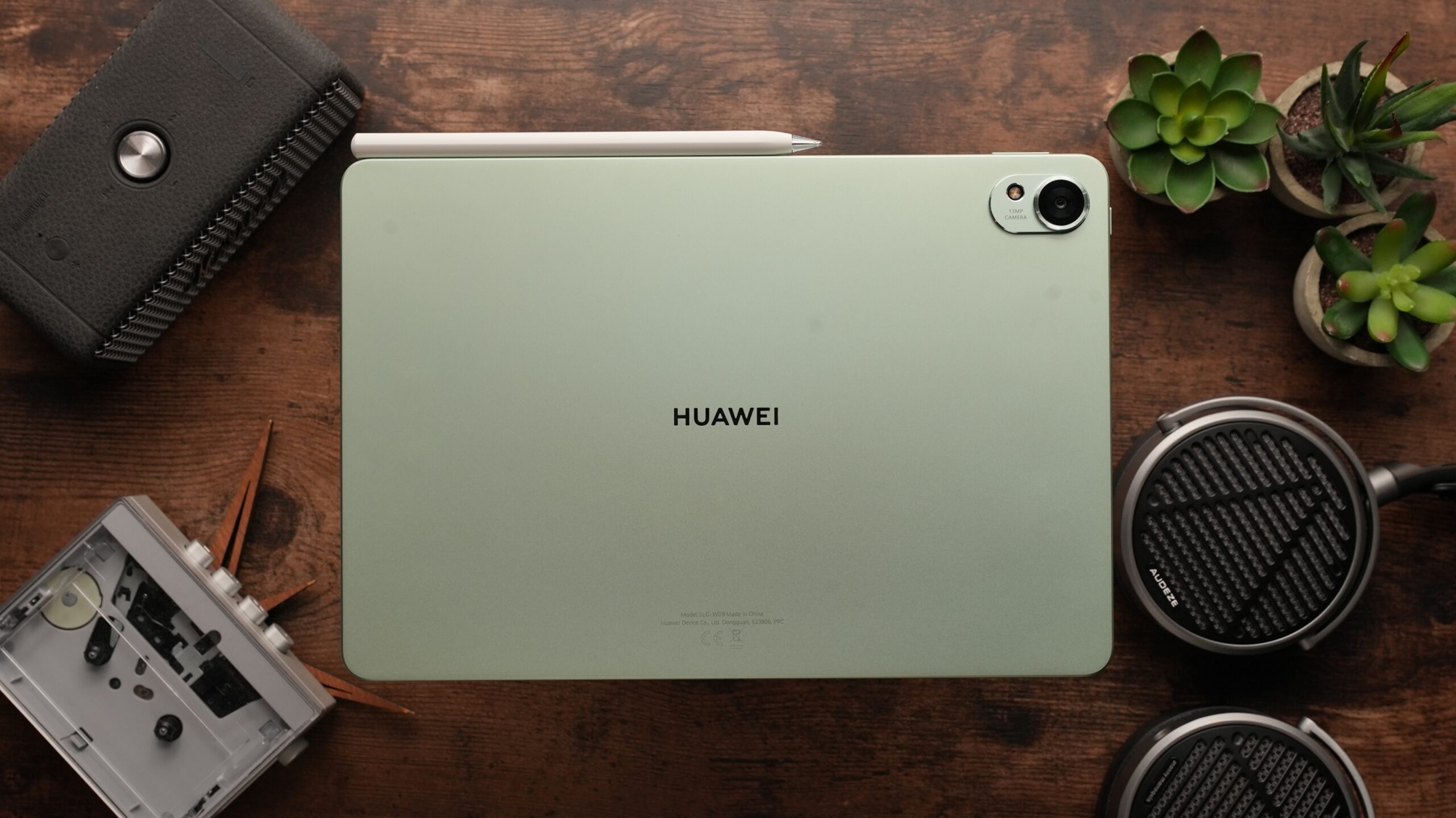
Empirical testing confirms this strain. Under moderate-to-heavy load—specifically streaming standard definition (480p) video via the native browser—the device yields approximately five hours of continuous use before requiring replenishment. In the context of a modern portable device, five hours is rapidly becoming inadequate for a full workday or extended travel sessions without access to a charger. This places the MatePad 11.5 S in a niche where its performance is excellent for short, focused bursts of work or creation, but potentially frustrating for marathon media consumption or all-day productivity workflows where battery life is paramount. HUAWEI supports 40W fast charging, which mitigates the downtime, but doesn’t address the core limitation of cell size relative to display ambition.
Performance, conversely, appears robust for its class. Driven by the eight-core Kirin 9000WE processor and supported by 8GB of RAM, the tablet handles demanding tasks, such as 4K digital painting within the native GoPaint application, without stuttering or significant thermal throttling during testing periods. This suggests that the chipset is well-optimized for graphics rendering and sustained creative loads, reinforcing the impression that HUAWEI calibrated this device for the "prosumer" artist rather than the perpetual mobile user.
Audio capabilities also warrant mention. The quad-speaker array delivers surprising volume and a noticeable low-end presence for a device this thin. While analytical listening reveals that the mid-range and high frequencies lack the crispness found in dedicated audio hardware, the overall sonic output is more than adequate for video playback and casual music listening, avoiding the tinny sound often associated with budget tablets.
Accessory Ecosystem: Investment vs. Value
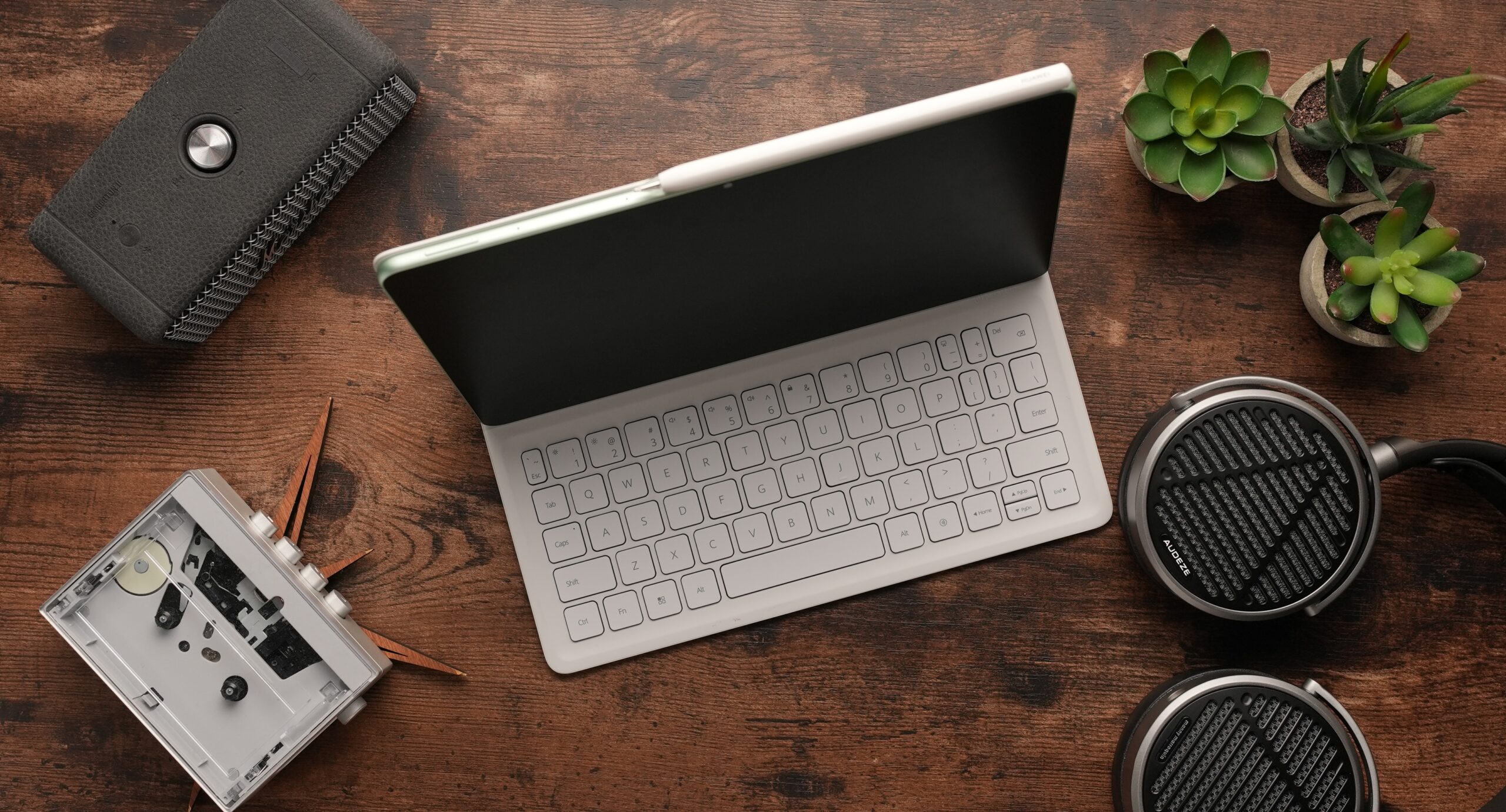
The proprietary accessories offered by HUAWEI for the MatePad 11.5 S represent a significant bifurcation in the purchasing decision. The keyboard accessory, priced at an additional £100, is engineered with a level of integration that rivals premium offerings from Apple and Samsung. Its magnetic attachment system is clean, providing both power transfer and automatic Bluetooth pairing, while retaining the ability to function wirelessly. The clever design maintains the integrated kickstand even when the keyboard layer is detached, offering versatile orientation options and effectively mitigating the camera module’s protrusion when laying flat. The only notable omission is the lack of an integrated trackpad, a feature that has become increasingly standard in high-end productivity keyboard cases.
The M-Pencil Pro, however, presents a more complex value proposition. Boasting an industry-leading 16,384 levels of pressure sensitivity, alongside advanced features like rotation detection and customizable buttons, its technical specifications dwarf many contemporary styluses. In application, the drawing experience is fluid, leveraging the matte screen perfectly. However, the observed reliability of the advanced "pinch" gesture was inconsistent (registering only about 30% of the time), suggesting potential software tuning still required.
The fundamental challenge here is cost: at £129 separately, integrating both premium accessories pushes the total investment significantly higher, well beyond the initial attractive base price. For the average user attracted by the £319 entry point, the M-Pencil Pro is an extravagant expenditure. Analysts would advise that users focused on budget constraints should seek third-party, passive stylus solutions that capitalize on the screen’s excellent texture without incurring the high cost of HUAWEI’s flagship input device.
The Software Conundrum: HarmonyOS and Global Applicability
The most substantial barrier to entry for the MatePad 11.5 S, particularly in Western markets, remains its operating system environment. Operating on a customized version of Android running HUAWEI’s HarmonyOS interface, the device inherently lacks Google Mobile Services (GMS) and, consequently, seamless access to the official Google Play Store and vital applications from Microsoft.
This ecosystem limitation is not a design choice driven by feature preference but a consequence of geopolitical restrictions. For users deeply embedded in the Google or Microsoft productivity suites (Gmail, Drive, Outlook, Teams), the MatePad 11.5 S demands a conscious and often laborious shift in workflow. This constraint forces users to either rely on web-based alternatives, utilize third-party app stores, or engage in sideloading—activities that introduce security risks and instability.
Despite this, HUAWEI has demonstrated significant internal capability in developing native alternatives. The HUAWEI Notes application offers a drawing and organization experience that competes favorably with established paid applications like Goodnotes on iPadOS. Similarly, the GoPaint software positions itself as a viable rival to creative powerhouses like Procreate, especially when utilizing the high-fidelity M-Pencil Pro and the responsive 144Hz display. For the user whose primary interaction revolves around web browsing and proprietary note-taking/drawing, the software environment is surprisingly functional.
Industry Implications and Future Trajectory
The strategy evident in the MatePad 11.5 S—maximizing visual experience and input latency while reducing battery cell size—is symptomatic of a broader trend in the competitive tablet market. As flagship tablets solidify their positions, mid-range manufacturers are forced to identify specific, high-impact features to differentiate themselves. HUAWEI has clearly bet that the tactile drawing experience and display smoothness are the differentiating factors worth sustaining battery life for.
This highlights an ongoing industry tension: the pursuit of ultimate performance specifications (like 144Hz screens) versus the practical realities of mobile device usage (all-day battery life). For hardware manufacturers, pushing display technology often requires compromising on the energy density of the physical enclosure, as battery technology advances more slowly than panel technology. This forces the consumer to make a similar trade-off.
The long-term impact hinges on the evolution of HarmonyOS. While the current Android-based version offers a degree of familiarity, the pivot toward HarmonyOS Next—a truly non-Android operating system—presents both an opportunity and a significant threat. If Next can successfully gain developer traction outside of China, it could establish a viable, secure alternative ecosystem. However, if global developer uptake remains slow, the app gap will only widen, relegating HUAWEI tablets to niche, offline-centric use cases, regardless of how advanced the underlying hardware becomes. The commitment required from developers to port and optimize applications for a new platform is substantial, creating a high barrier to mass market acceptance.
Final Assessment: A Niche Specialist
The HUAWEI MatePad 11.5 S (2026) is not a generalist tablet designed to usurp the dominance of mainstream competitors across all metrics. Instead, it is a highly specialized tool, particularly compelling for the European student or creative professional whose daily rhythm centers on intensive digital sketching, note-taking, and media consumption where ambient light is an issue. At its £319 base price, the hardware—especially the stunning matte 144Hz display and competent processing—represents exceptional value.
The device delivers on its promise of superior tactile interaction and visual clarity. The caveat remains severe: this excellence is time-limited by the 8,700mAh battery, demanding frequent recharges if used aggressively. Furthermore, potential buyers must perform a rigorous self-assessment regarding their reliance on the Google ecosystem. If the integration of Google services and access to the full breadth of Western application libraries are non-negotiable requirements, the MatePad 11.5 S, despite its hardware brilliance, cannot be recommended.
For those whose digital life is largely browser-centric or can be successfully migrated to HUAWEI’s native application suite (Browser, Notes, GoPaint), the MatePad 11.5 S offers a unique and high-quality hardware experience that is difficult to match at this price point. The excellent keyboard accessory enhances its productivity potential significantly, though the cost of the M-Pencil Pro makes it an enthusiast-only upgrade. Ultimately, the MatePad 11.5 S succeeds as a hardware showcase, but its success in the broader consumer market will depend entirely on the user’s tolerance for navigating its software constraints.