

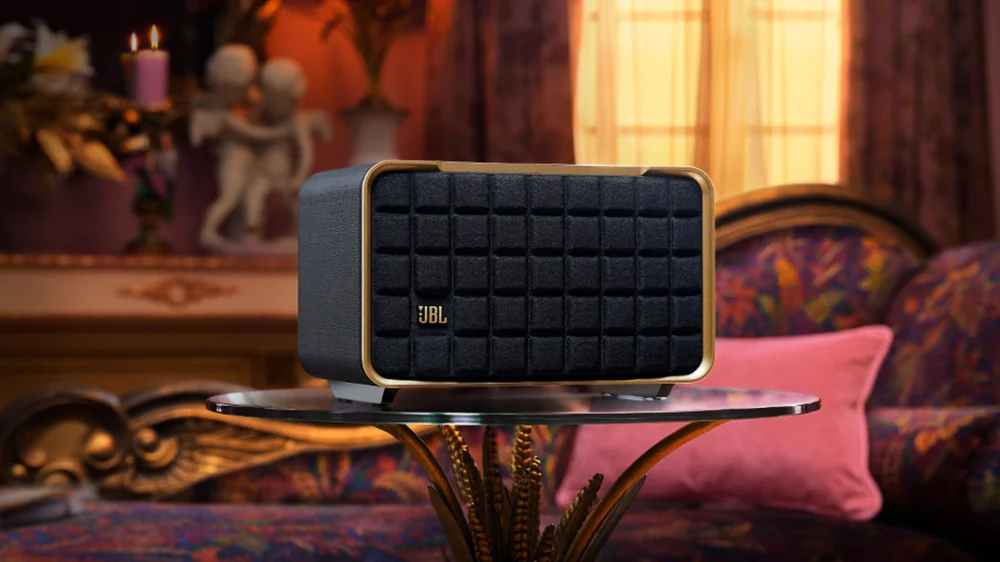
The contemporary consumer electronics landscape is increasingly defined by a tension between cutting-edge technology and nostalgic design. Nowhere is this more evident than in the premium home audio sector, where heritage brands are leveraging their storied pasts to create products that appeal to both audiophiles and interior design enthusiasts. Currently, significant promotional pricing on select models from Marshall and JBL—two titans of the audio industry—offers a compelling entry point into this lucrative intersection of vintage aesthetics and modern acoustic engineering. The Marshall Acton III, available through the Amazon-affiliated deals platform Woot.com, and the JBL Authentics 200, featured in a direct Amazon promotion, represent distinct approaches to retro fidelity.
The context surrounding these specific deals is important. Woot’s offer on the Marshall Acton III carries the distinct advantage of providing a full year of manufacturer’s warranty, a crucial assurance for a premium purchase, although it is subject to a strict one-unit-per-customer limit. Conversely, the JBL offering leverages Amazon’s robust retail infrastructure. Both promotions underscore a market appetite for products that serve not merely as audio playback devices, but as statement pieces within a living space.
Marshall: The Amplifier Aesthetic and Sonic Legacy
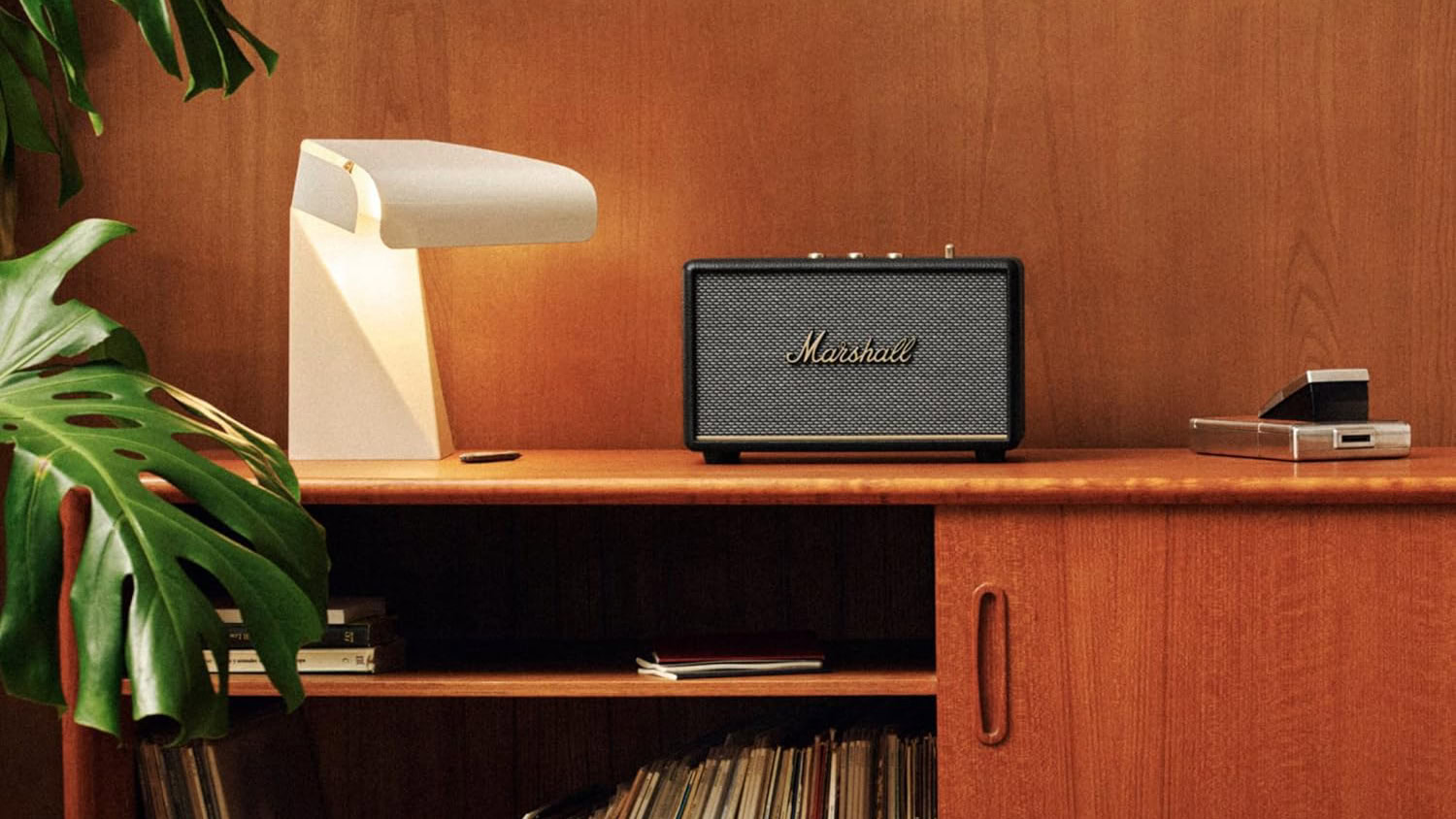
Marshall Amplification, tracing its lineage back to 1948, occupies a unique cultural position. Its identity is forged in the crucible of rock and roll—the towering stacks of amplifiers that defined stadium sound for decades. This visual iconography is not incidental; it is the core intellectual property driving their consumer speaker lines. The Marshall Acton III is a direct manifestation of this heritage, translating the rugged, utilitarian elegance of a stage amplifier into a sophisticated piece of home technology.
The Acton III’s design philosophy prioritizes tactile engagement. Unlike many contemporary speakers that favor minimalist touch interfaces, the Acton III retains prominent physical controls—knobs and switches—that evoke a sense of direct, analog manipulation. This feature serves a psychological function, connecting the user to the act of sound shaping in a way digital interfaces often fail to replicate. The construction itself speaks to durability; the robust build quality is a direct nod to equipment designed to withstand the rigors of touring. For the consumer, this translates into a product that feels substantial and enduring, a departure from the often ephemeral nature of mass-market electronics.
From an acoustic engineering perspective, the Acton III is configured to deliver a sound profile consistent with Marshall’s reputation for powerful, mid-range-forward sound, though adapted for domestic listening environments. The configuration typically involves a dedicated 30-watt woofer complemented by dual 15-watt tweeters. This architecture aims for clarity and punch, ensuring that music retains the dynamic impact associated with the brand, while offering the necessary dispersion for room-filling audio. Connectivity is modernly provisioned, featuring Bluetooth 5.2 for high-fidelity wireless streaming and the inclusion of a traditional 3.5mm auxiliary input, maintaining compatibility with legacy audio sources.
The industry implication here is clear: Marshall has successfully weaponized nostalgia. They are not simply selling speakers; they are selling a tangible piece of music history. In an era where high-fidelity audio is increasingly democratized by software and streaming quality, perceived value is often derived from tangible design and brand narrative. The Acton III is positioned as the centerpiece of an auditory ecosystem, designed to initiate conversation and elevate the aesthetic coherence of a room, functioning as much as décor as it does as an audio instrument.
JBL: The Studio Heritage Meets Smart Home Integration
JBL, which boasts an even earlier founding date in 1946, approaches the retro market from a different historical vector—one rooted more in studio monitoring and cinema sound systems. The JBL Authentics 200 specifically draws inspiration from iconic 1970s designs, most notably the JBL L100 loudspeaker. This lineage emphasizes sonic accuracy and robust driver technology, albeit filtered through a contemporary lens.
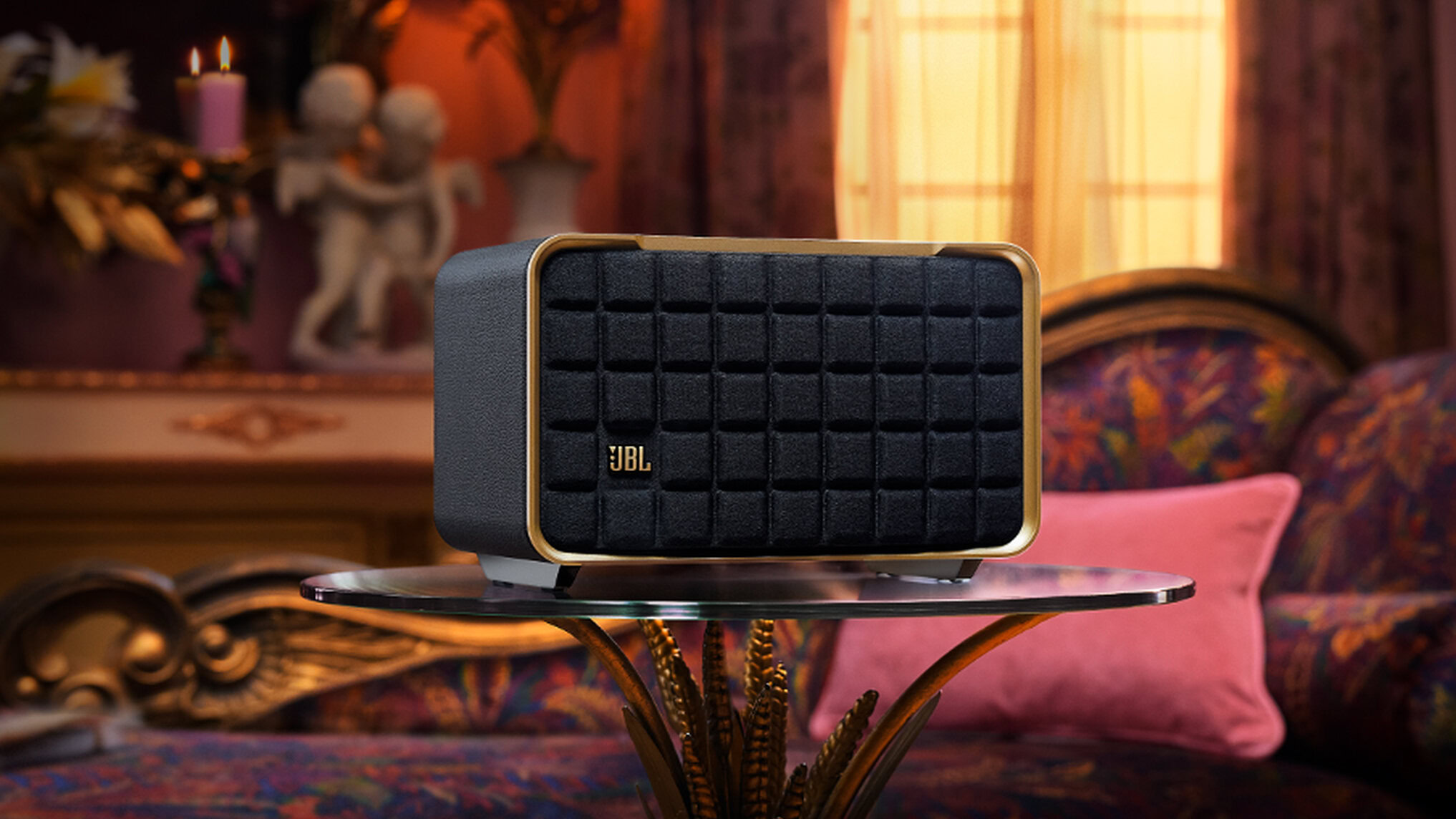
The Authentics 200 exhibits a distinctive aesthetic characterized by premium, tactile materials such as brushed aluminum accents and textured faux leather wrapping. A defining visual element is its signature cubic grille structure, which immediately sets it apart from Marshall’s amplifier-inspired rectilinear forms. While it honors the past with physical rotary controls for bass, treble, and volume, the underlying technological framework is decidedly future-forward.
This is where the JBL offering diverges significantly in terms of ecosystem integration. The Authentics 200 is engineered as a truly smart speaker designed to operate seamlessly within the modern connected home. Its hardware package includes dual 1-inch tweeters, a substantial 5-inch woofer, and a passive radiator—a 6-inch unit specifically included to enhance low-frequency extension and impact without requiring excessive cabinet depth.
The connectivity suite on the JBL unit is exceptionally broad, signaling its intent to be the central hub for various digital content streams. It supports not only contemporary Bluetooth but also dual-band Wi-Fi, providing superior stability for streaming. Crucially, it integrates multiple casting standards: Apple AirPlay, Google Cast, and Spotify Connect. Furthermore, it incorporates support for Alexa Multiroom Audio, positioning it within both major smart assistant environments. Users can manage settings, EQ curves, and streaming preferences via the dedicated JBL One application, demonstrating a commitment to software-defined acoustic tuning. The ability to interface directly with both Amazon Alexa and Google Assistant further solidifies its role as a versatile smart home device.
Expert analysis suggests that the JBL strategy targets the technologically sophisticated consumer who appreciates retro design but refuses to compromise on interoperability. While Marshall focuses on the analog feel, JBL integrates the analog look with the most comprehensive digital feature set available in the current market.
Expert Analysis: The Battle for Shelf Space and Soul
The competition between Marshall and JBL in this retro segment illuminates broader trends in consumer electronics purchasing behavior. Firstly, there is the "Heirloom Technology" trend: consumers are moving away from disposable gadgets towards durable, design-forward objects intended to last beyond typical upgrade cycles. Both brands capitalize on this by using materials that suggest permanence.
Secondly, the "Analog Nostalgia Tax" is a real phenomenon. Consumers willingly pay a premium for the tactile satisfaction offered by physical knobs and knobs, even when digital equivalents are functionally superior in precision. This preference suggests a subconscious resistance to the perceived over-simplification of modern interfaces.
From an audio engineering standpoint, both speakers adhere to a crucial constraint mentioned in the original context: they are AC-powered, stationary units. The lack of an integrated battery dictates that these are intended as primary sound systems for specific rooms—the living room, the office, or the kitchen counter—rather than portable companions. This focus allows both manufacturers to prioritize cabinet rigidity and driver size, which are essential for producing satisfying bass response and dynamic range, something often sacrificed in battery-dependent portable speakers.
The difference in their feature sets highlights divergent brand strategies. Marshall leans into a singular, powerful aesthetic derived from its musical heritage, offering a relatively straightforward, high-quality playback experience centered around Bluetooth and line-in. JBL, conversely, positions the Authentics 200 as a true multi-protocol network speaker, acknowledging that modern music consumption is fragmented across various streaming platforms and casting protocols. This makes the JBL a better choice for complex multi-room setups or households using a mix of iOS and Android devices.
Industry Implications and Future Trajectories
These promotions are more than just temporary discounts; they reflect a strategic realignment in how legacy audio companies maintain relevance against newer, digitally native competitors. By focusing on design continuity, Marshall and JBL are effectively creating a distinct, premium category separate from the pure performance-oriented segment (like high-end audiophile gear) and the purely convenience-driven segment (like compact smart speakers).
The Future Impact: We anticipate an increase in "Heritage Lines" across the consumer electronics industry. Consumers are seeking products that tell a story. This trend is likely to drive further innovation in material science—using sustainable or reclaimed materials alongside metals and textured fabrics to enhance the vintage feel while meeting modern environmental standards.
For audio technology, the integration of legacy design with smart capabilities will continue to deepen. While the current JBL offers robust connectivity, future iterations may see the integration of spatial audio processing tuned specifically to complement the aesthetic of the cabinet design, perhaps mimicking the dispersion characteristics of the original L100 bookshelf speakers in a single, compact enclosure.
The Marshall line, given its current feature set, may evolve by incorporating more subtle smart features—perhaps spatial awareness to optimize sound based on placement, or integration with proprietary Marshall software that emulates specific amplifier tones or vintage EQ curves onto digital streams. The challenge for Marshall will be integrating these features without diluting the purity of the analog interface that defines its appeal.
Furthermore, the success of these stationary, design-centric speakers suggests a potential market shift away from single, multi-purpose devices (like a portable speaker that tries to do everything) towards specialized, high-quality appliances dedicated to specific environments. The home audio market is segmenting into performance-focused desktop systems, portable powerhouses, and, increasingly, these retro-styled "furniture" speakers.
In conclusion, the current promotional pricing on the Marshall Acton III and the JBL Authentics 200 represents a confluence of historical marketing and contemporary audio demands. Whether a user is drawn to the rock-and-roll swagger and direct controls of the Marshall, or the studio-inspired build quality paired with comprehensive network connectivity of the JBL, both devices offer a sophisticated synthesis of past and present technology, proving that true sonic legacy is best delivered through enduring design. The key differentiator for the discerning buyer remains aligning the brand’s historical narrative and specific connectivity profile with their unique listening habits and interior design aspirations. These limited-time opportunities allow consumers to invest in audio hardware that promises both auditory pleasure and long-term aesthetic value, moving beyond the temporary appeal of disposable tech toward owning a piece of functional design history. The continued success of these lines will depend on how skillfully their respective manufacturers manage the delicate balance between honoring decades of heritage and embracing the relentless march of digital innovation.