

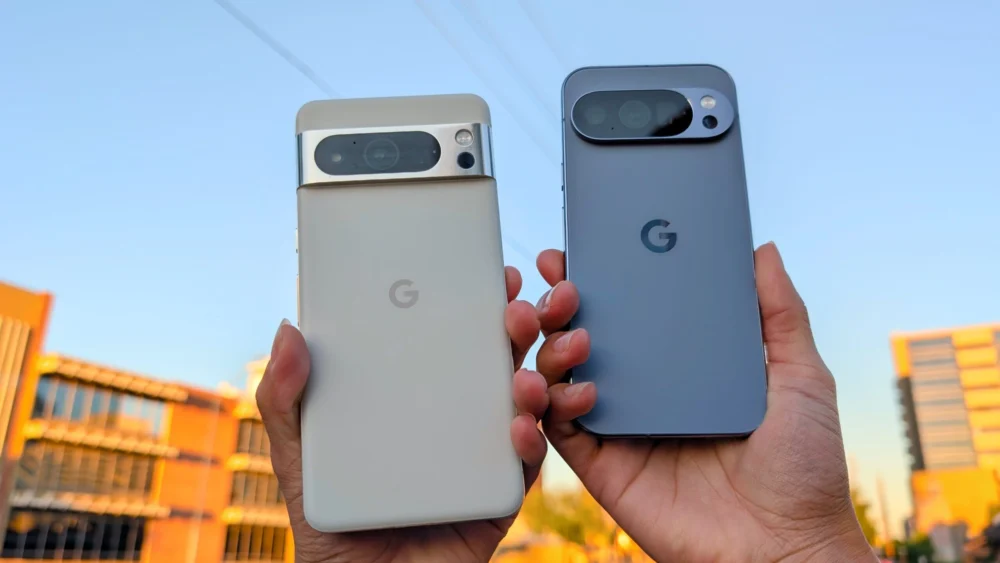
The Google Pixel line has long occupied a unique, almost philosophical niche in the hyper-competitive smartphone landscape. By prioritizing computational photography and leveraging deep integration with Google’s AI ecosystem—effectively putting the "smart" back into the term smartphone—Pixels have consistently set benchmarks that rivals, including Apple’s latest offerings, struggle to match in pure intelligence. The previous generation, the Pixel 10 series, exemplified this philosophy, showcasing impressive software advancements that, in some specific use cases, even eclipsed the more expensive Pro variants. However, despite these significant intellectual achievements, the Pixel 10 series ultimately fell short of delivering a truly "complete" flagship experience.
As the industry shifts into 2026, the anticipation surrounding the Pixel 11 is substantial. While Google continues to refine its current hardware through incremental software patches, the fundamental architecture demands a more comprehensive overhaul to address lingering hardware and foundational experience deficits. The gap between a "great AI phone" and a "great overall flagship" remains wide, and the Pixel 11 must close it decisively. For Google to not only compete but to establish a clear leadership position in the premium tier, several non-negotiable areas require immediate and significant correction. These seven critical aspects represent the difference between a niche enthusiast favorite and a mainstream device worthy of an unqualified recommendation.
1. The Endurance Imperative: Battery Reliability and Charging Velocity
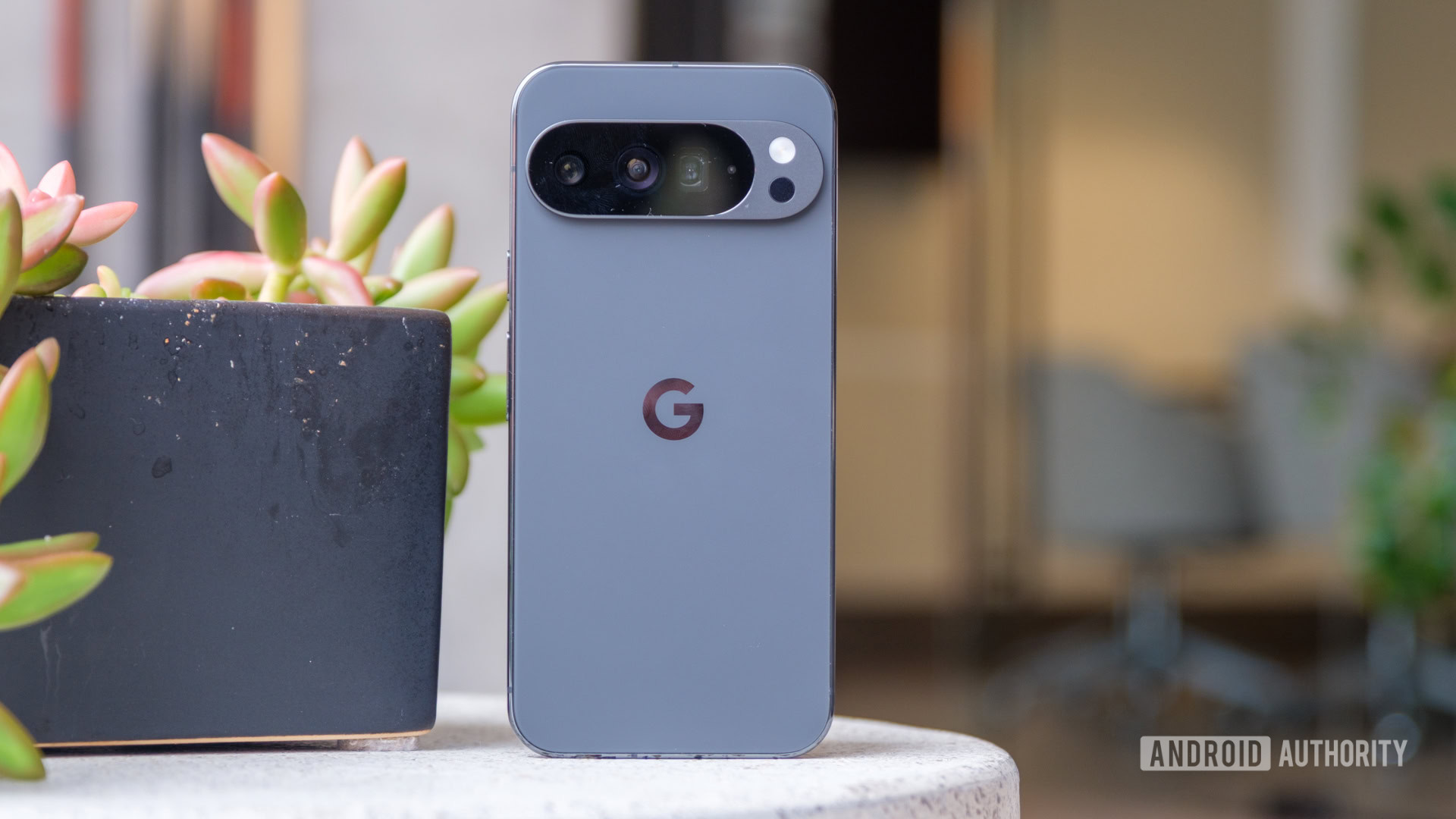
For years, the narrative surrounding Pixel battery life has shifted from outright failure to merely "adequate." While the Pixel 10 generation has largely mitigated the daily anxiety of complete shutdown under moderate use, true flagship endurance requires predictability, not just sufficiency. In scenarios that stress modern mobile hardware—such as prolonged engagement with high-bandwidth 5G networks in fringe coverage areas, or intensive, continuous camera operation—the battery readout on current Pixels can still exhibit a disconcerting free-fall. This unpredictability forces power users into carrying external charging solutions, a concession that premium competitors rarely necessitate.
The expectation for the Pixel 11 must be absolute dependability. Users should not have to constantly monitor consumption based on environmental factors; the device must reliably carry them through a standard heavy usage day. Beyond raw capacity and optimization, charging speed remains a significant competitive disadvantage. While competitors have normalized rapid wired charging speeds exceeding 80W, often replenishing substantial portions of a battery in under 30 minutes, the Pixel line remains stubbornly rooted in charging cycles that frequently stretch beyond the hour mark for even moderately sized cells (e.g., the 4,000mAh category). This technological inertia is unacceptable in a flagship context. Industry trends clearly indicate that fast charging is now a core convenience feature, not a luxury add-on. Google must integrate charging technology that aligns with 2026 standards, allowing users to quickly top up during short breaks, thereby enhancing the device’s overall utility.
2. Tensor Performance Ceiling and Sustained Efficiency
The transition to TSMC fabrication for the Tensor G5 chip in the Pixel 10 was heralded as the breakthrough moment that would finally allow Google’s silicon to genuinely compete with the peak performance metrics of Qualcomm’s Snapdragon series. While the move did yield efficiency gains over previous generations, the reality for many reviewers and heavy users was tempered disappointment. The Tensor G5, while highly effective at managing Google’s specialized on-device AI tasks, demonstrates a noticeable ceiling in raw computational throughput. Crucially, this limitation manifests as premature thermal throttling under sustained, high-load operations, most notably during extended gaming sessions or intensive video processing.
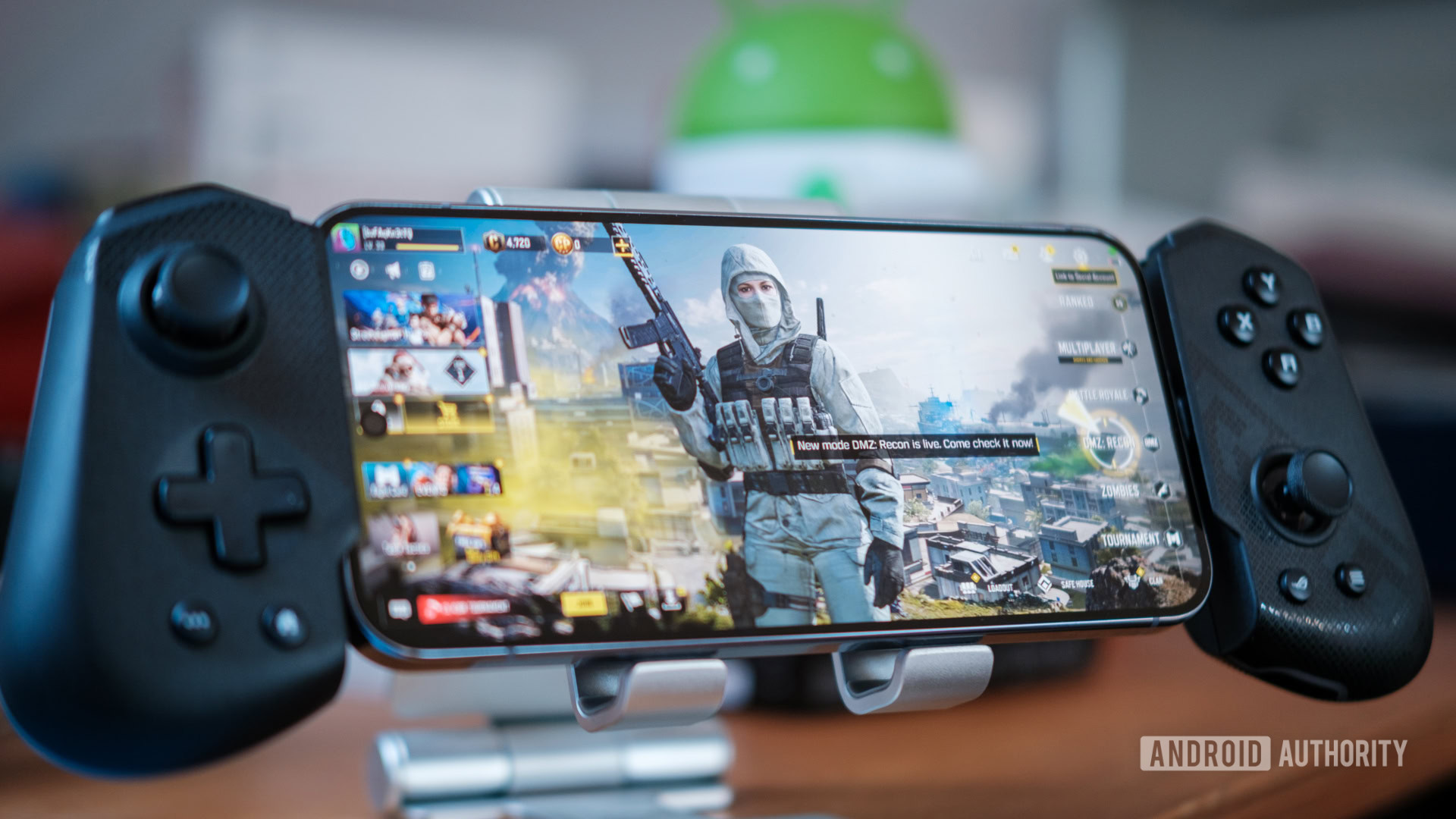
The goal for the Pixel 11’s subsequent Tensor iteration (the G6, presumably) is not necessarily to dominate synthetic benchmark leaderboards—a battle Google appears content to cede for prioritizing AI acceleration. However, the device absolutely must deliver consistent, unthrottled performance during demanding activities. A flagship device must remain smooth and responsive when running graphically intensive applications for extended periods. If the Tensor chip cannot maintain thermal stability under load, it compromises the entire user experience, rendering the advanced AI features secondary to basic operational smoothness. This requires a dual focus: maximizing the efficiency of the TSMC process while ensuring the thermal management system is robust enough to handle the sustained power draw associated with modern mobile gaming.
3. Reasserting Camera Hardware Leadership
Historically, the Pixel brand was synonymous with photographic excellence, achieved primarily through unparalleled software processing. However, the recent generations reveal a concerning trend: reliance on computational prowess to mask stagnant or, in some instances, regressive hardware choices. The Pixel 10 Pro models recycled sensor technology, while the standard Pixel 10 made a controversial trade-off, accepting a smaller primary sensor size compared to its predecessor to integrate a third telephoto lens. Furthermore, subtle but persistent software artifacts, such as inconsistent edge detection in complex portrait scenarios, continue to plague image processing—a weakness that remains glaring when compared side-by-side with industry leaders.
The contemporary smartphone market, particularly driven by aggressive innovation from Chinese manufacturers like Vivo and Xiaomi, is rapidly adopting larger sensors, superior optical stabilization, and advanced periscope zoom mechanisms across their flagship tiers. This has left mainstream players like Apple, Samsung, and Google appearing comparatively conservative. Since the camera remains the primary differentiator for the Pixel identity, the Pixel 11 must initiate a significant hardware refresh. This means integrating cutting-edge sensor technology that provides a tangible advantage in low-light capture and dynamic range before software enhancement, signaling a genuine return to hardware-led innovation rather than purely software iteration.
4. Eradicating the Launch-Day Software Tax
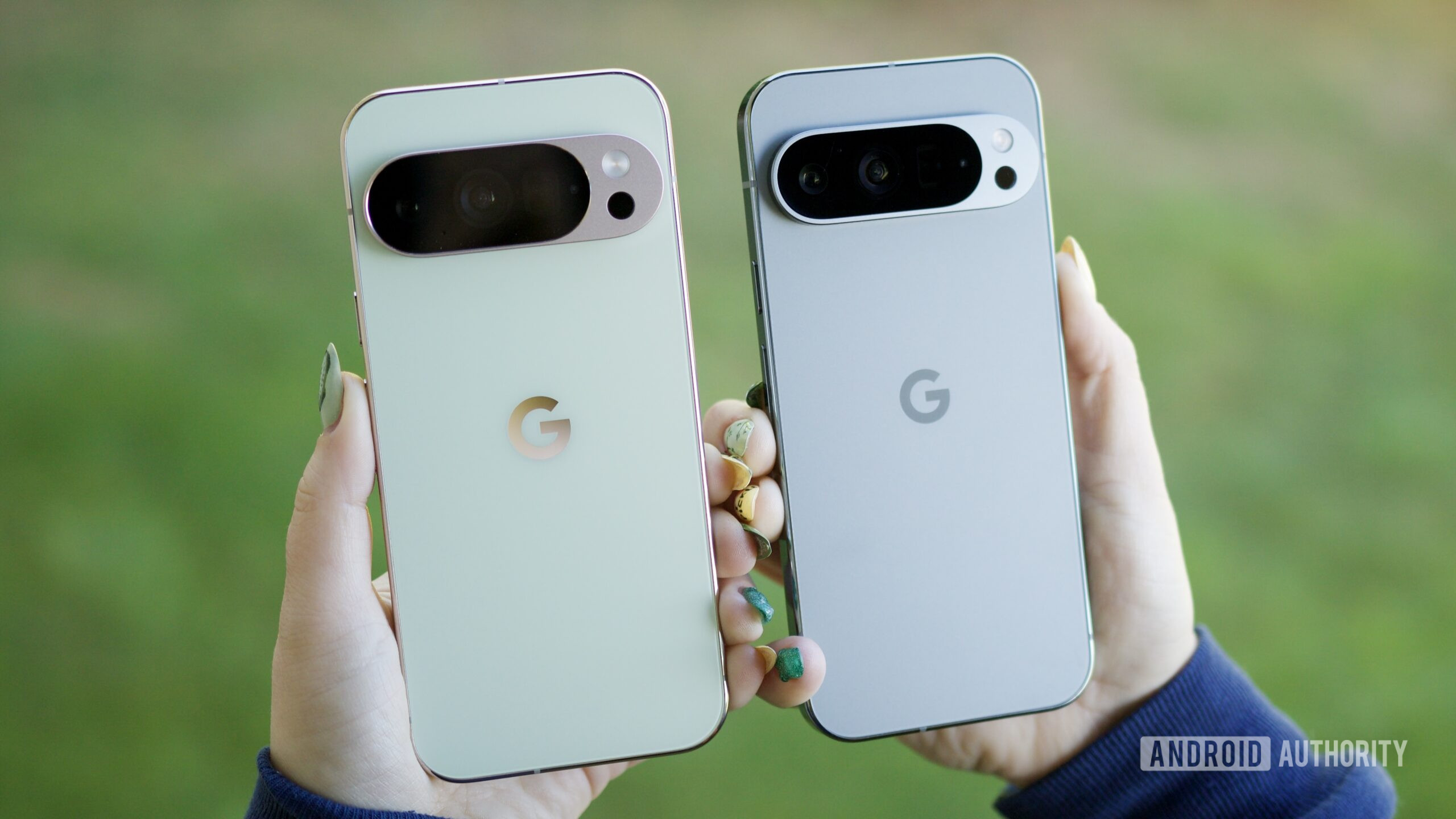
A frustrating, almost ritualistic expectation accompanying new Pixel launches is the near-certainty of encountering software instability or debilitating bugs immediately post-release. While Google has demonstrated an impressive capacity to rapidly diagnose and patch these issues via subsequent monthly updates, the initial unboxing experience is tarnished by these flaws. The Pixel 10, while generally stable, was not immune, exhibiting reports of intermittent display unresponsiveness and ongoing disputes over the effectiveness of post-launch fixes for specific hardware behaviors, such as telephoto video stuttering on the Pro models.
This pattern suggests a significant disconnect between the rapid deployment of ambitious new features and the necessary rigor of final quality assurance testing. In the premium segment, users paying top dollar expect a polished, ready-to-use experience from day one. The expectation for the Pixel 11 is a software experience that is mature and stable upon initial activation. This requires prioritizing rigorous, real-world stress testing over hitting aggressive launch timelines, ensuring that the "smart" features don’t come bundled with basic operational glitches.
5. Addressing Base Storage Antiquity
In an era where on-device AI processing, high-resolution media capture (including 8K video), and increasingly complex offline applications demand significant local storage, the continued reliance on 128GB as the standard entry point for Pixel devices is an anomaly. While the Pixel 10 benefits from sophisticated RAM management, storage capacity is a finite resource directly impacting user freedom. This baseline storage figure is increasingly inadequate, especially considering direct market competitors, such as the forthcoming iPhone 17 series, are expected to standardize on a 256GB base configuration without an associated price hike.
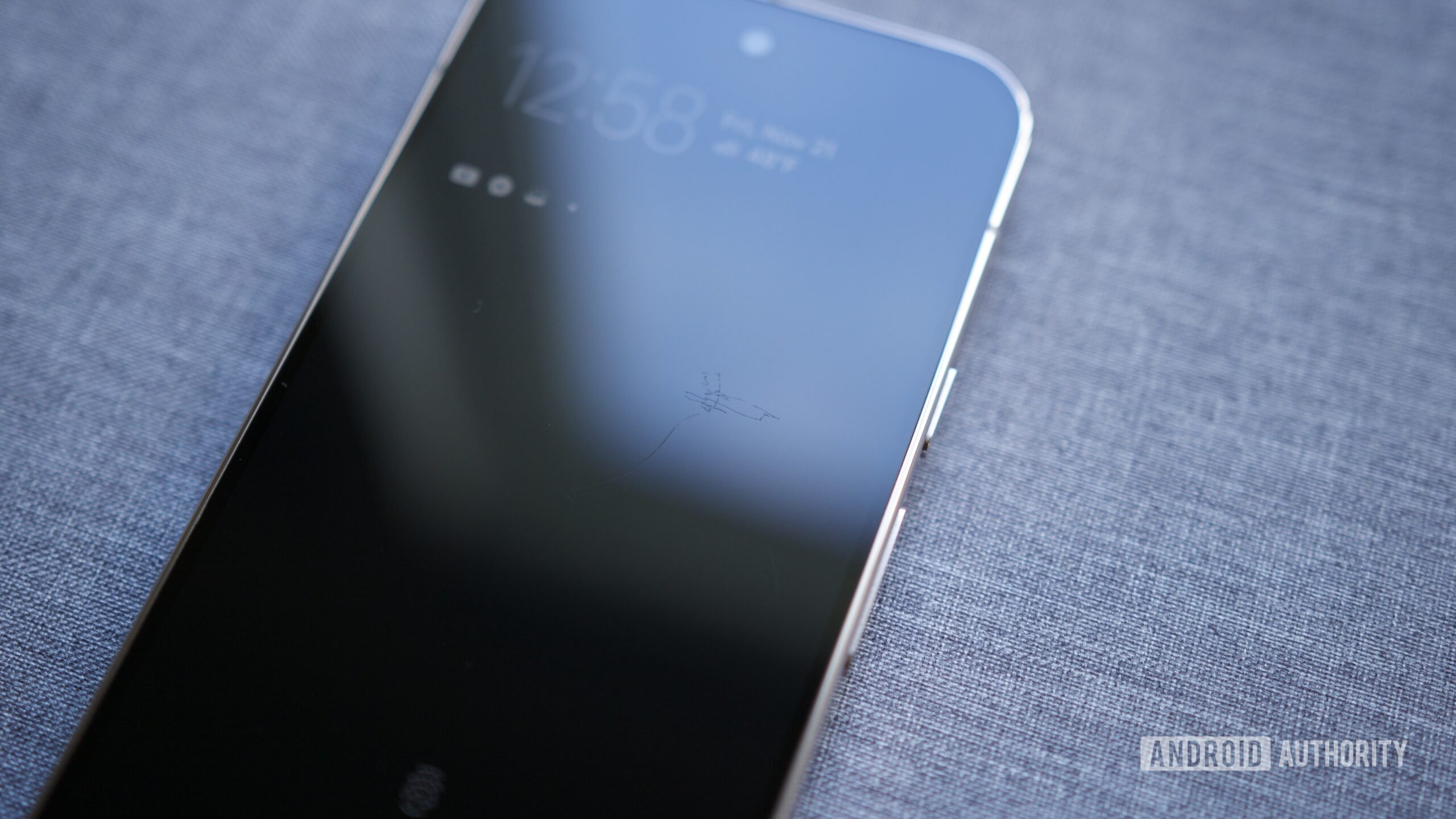
For the Pixel 11, Google has a straightforward, necessary corrective action: immediately elevate the entry-level storage configuration to a minimum of 256GB. This aligns the device with modern flagship expectations regarding data retention and flexibility, removing a fundamental barrier to long-term user satisfaction without requiring consumers to immediately step up to a more expensive tier.
6. Achieving Seamless, Universal Biometric Authentication
The Pixel lineage has a documented, troubled history with biometric security methods, particularly the early in-display fingerprint sensors which proved notoriously unreliable and slow. While the ultrasonic fingerprint readers introduced with the Pixel 10 represent a significant improvement in speed and reliability over their optical predecessors, they introduce a new dependency: sensitivity to third-party screen protectors. This forces users into a narrow ecosystem of certified protective glass, often complicating the simple act of securing the device, especially given the comparatively limited third-party accessory market for Pixels versus its primary rivals.
The technological gold standard for convenient and secure unlocking remains high-fidelity, passive facial recognition systems—the kind exemplified by Apple’s Face ID—which function automatically without active user input. Google’s prior foray into secure 3D facial scanning (Pixel 4) demonstrated feasibility, albeit with hardware trade-offs. The Pixel 11 must prioritize a return to a highly reliable, secure facial recognition solution, potentially integrated alongside the ultrasonic scanner. Moving beyond the compromises inherent in touch-based authentication would significantly elevate the daily usability and perceived premium nature of the device.
7. Refined Ergonomics: Weight Reduction and Display Glare Mitigation
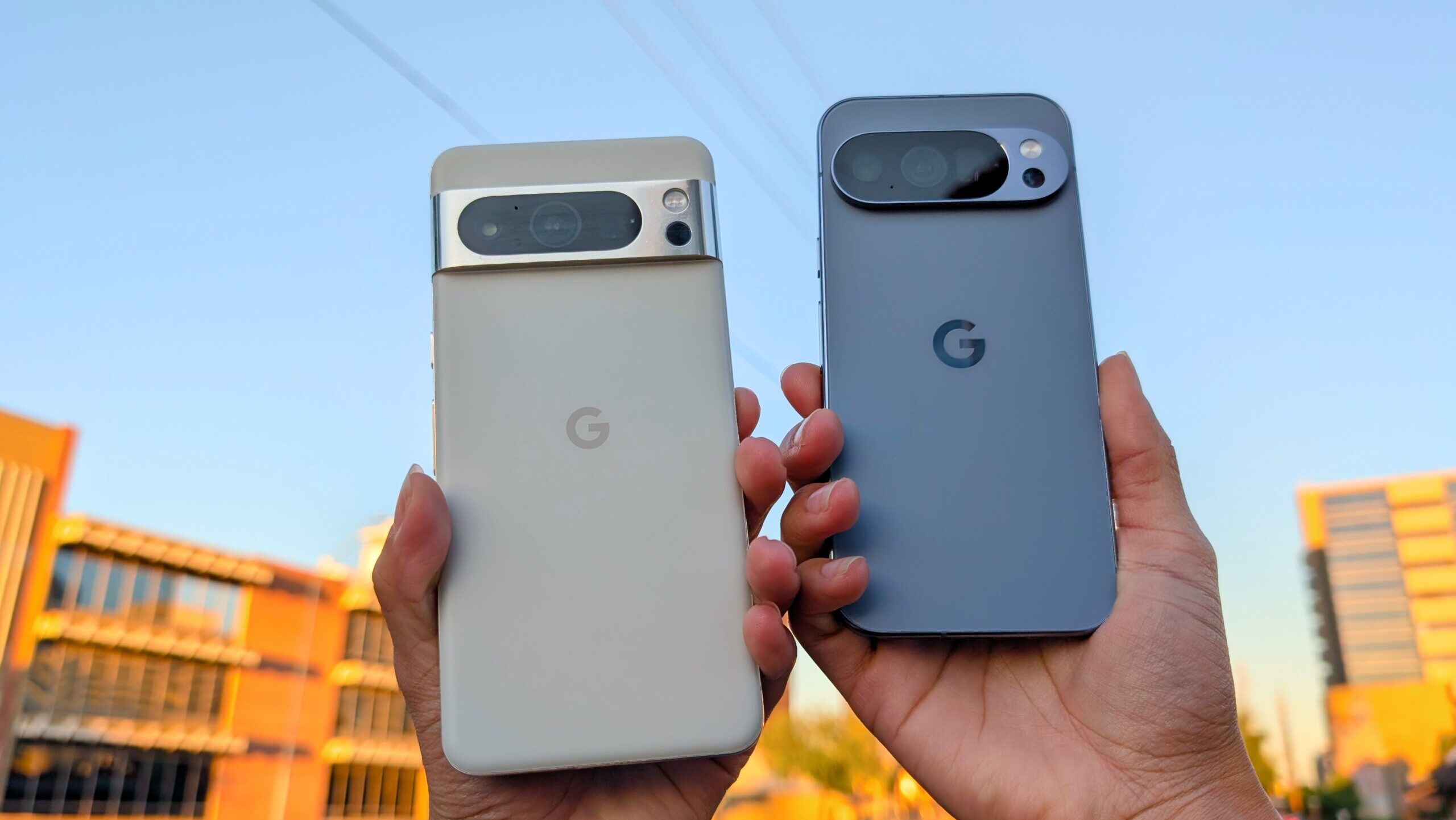
The competitive benchmark for the Pixel 11 is increasingly defined not just by internal specifications but by physical handling and display interaction—areas where established competitors maintain a tangible edge. The iPhone 17, for instance, is frequently noted for its superior in-hand feel, being noticeably lighter than its Pixel counterpart while maintaining similar or superior screen real estate and feature sets. Weight reduction is a crucial quality-of-life metric that directly impacts perceived premium status.
Equally vital is the treatment of the display surface. While the Pixel 10 series offers excellent visual fidelity, the lack of a high-grade, industry-leading anti-reflective coating results in noticeable glare under bright ambient light. This is an area where Apple has consistently offered superior optical management, and where Samsung previously set the bar with specialized coatings. Incorporating advanced anti-reflective technology into the Pixel 11 display assembly would drastically improve outdoor usability and reduce visual fatigue. These physical refinements—a lighter chassis and a less reflective screen—are not peripheral luxuries; they are foundational elements that collectively contribute to the overall tactile and visual premium experience that users demand from a device in this price bracket.
Conclusion: The Path to Unqualified Endorsement
The current Pixel narrative is one of admiration tempered by caveat. Users are drawn to the unmatched AI capabilities and the pure Android experience, yet they must navigate limitations in battery predictability, raw performance consistency, foundational hardware parity (storage), and daily user interactions (biometrics and glare). The Pixel 10 was a strong iteration, but it remains a device one recommends despite its flaws. The mandate for the Pixel 11 is clear: Google must transition from a leader in niche software intelligence to a provider of a truly holistic, uncompromising flagship experience. Successfully addressing these seven critical vectors—battery stamina and speed, sustained Tensor performance, hardware camera modernization, day-one software stability, baseline storage parity, robust biometrics, and superior physical ergonomics—is the blueprint for the Pixel 11 to become the undisputed, unqualified recommendation for the Android enthusiast community in 2026. The technology is ready; the execution must now match the ambition.