

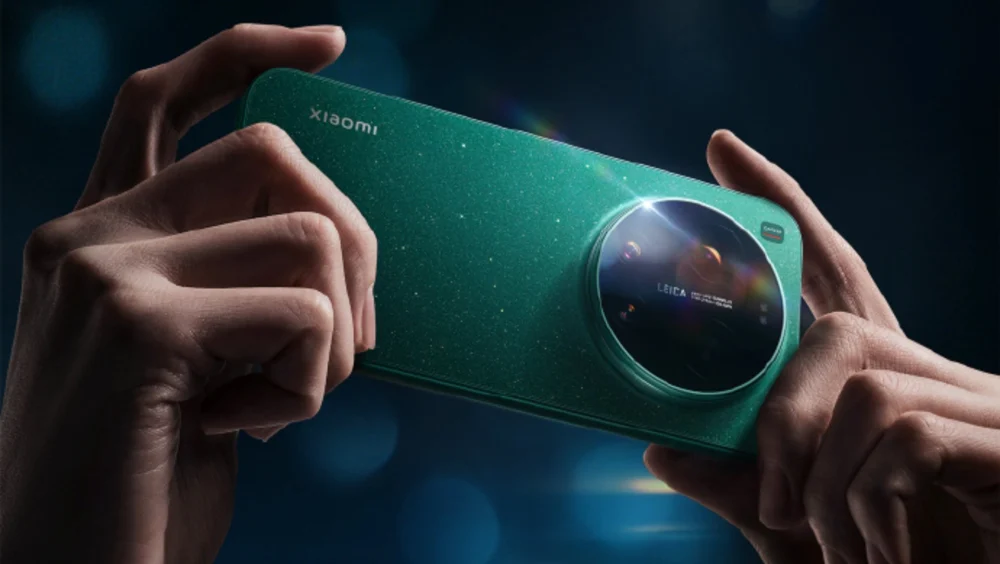
The trajectory of high-end Android flagships, particularly those emerging from Chinese manufacturers aiming for global dominance, is often a delicate balancing act between maximizing feature sets and navigating complex international market realities. The forthcoming Xiaomi 17 Ultra appears poised to exemplify this tension, with emerging intelligence suggesting that its worldwide iteration may command a significantly premium price tag while simultaneously offering hardware compromises compared to its domestic counterpart. This pattern of "international tiering" raises critical questions about brand positioning, regulatory hurdles, and consumer expectations in the fiercely competitive ultra-premium smartphone segment.
For years, flagship releases from major players like Xiaomi, Oppo, and Vivo have featured a dual-track strategy: a fully specced-out device for the highly competitive and often discerning domestic Chinese market, and a slightly altered, sometimes ostensibly "optimized," version for Europe and North America. The Xiaomi 17 Ultra seems set to continue this tradition. Initial reports circulating within the technology sphere indicate that the configuration featuring 16GB of LPDDR5X RAM paired with 512GB of UFS 4.0 storage will retail in Europe for approximately €1,499. This places the device squarely against the established heavyweights from Samsung and Apple, demanding parity in performance, durability, and feature parity to justify the investment.
The most immediately conspicuous discrepancy detailed in the preliminary data concerns the power source. The global variant is reportedly provisioned with a substantial 6,000mAh battery. While this capacity is objectively large by contemporary flagship standards—certainly capable of enduring heavy usage across a full day—it falls noticeably short of the rumored specifications for the model intended solely for the Chinese mainland, which is anticipated to house an immense 6,800mAh cell. An 800mAh deficit is not trivial; in the real-world performance metrics that define flagship longevity, this difference can translate directly into several hours of operational time, potentially moving the user experience from carefree endurance to mid-evening anxiety regarding available charge.
This practice is not an anomaly for the manufacturer. Historical precedent suggests a recurring pattern of battery downsizing for international shipments. The previous generation, the Xiaomi 15 Ultra, showcased a similar reduction: a 6,000mAh battery in China was replaced by a smaller 5,410mAh unit for global distribution. Analyzing this pattern requires looking beyond simple cost-cutting measures, which undoubtedly play a role, and delving into the intricate web of international logistics and compliance.
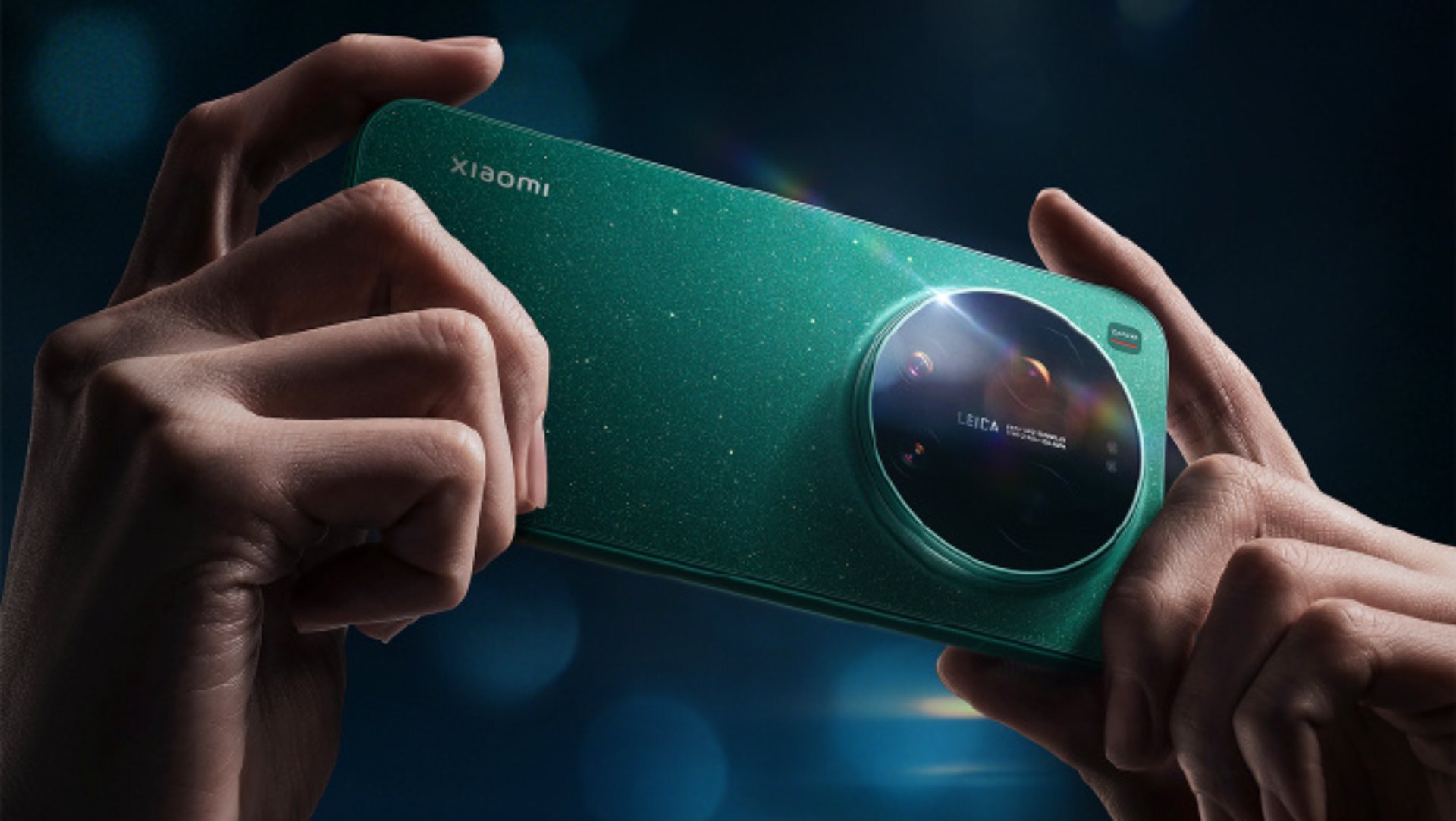
The key driver often cited by industry observers, and confirmed by analysts familiar with hardware certification processes, is the rigorous regulatory environment governing high-capacity lithium-ion batteries outside of China. Jurisdictions such as the European Union and the United States enforce stringent safety standards, transportation mandates, and pre-market certification protocols for batteries exceeding specific energy density thresholds. A battery cell pushing the boundaries of capacity, like the rumored 6,800mAh unit, often triggers significantly increased regulatory scrutiny. This translates into protracted testing phases, escalating certification fees, and substantial complications in air and sea freight logistics—all of which contribute directly to the final landed cost of the product. Consequently, manufacturers frequently opt for a slightly lower capacity cell that already clears existing, often less onerous, international compliance thresholds, viewing it as a necessary trade-off to ensure timely and cost-effective global market entry.
The implication for the consumer is a stratified product experience. The user paying the top-tier international price is receiving a device that is demonstrably less capable in a core functional area—battery life—than the version available in the manufacturer’s home market. This practice, while pragmatic from a logistical standpoint, erodes the perception of the brand as a provider of "no-compromise" technology, a positioning essential for sustaining ultra-premium pricing.
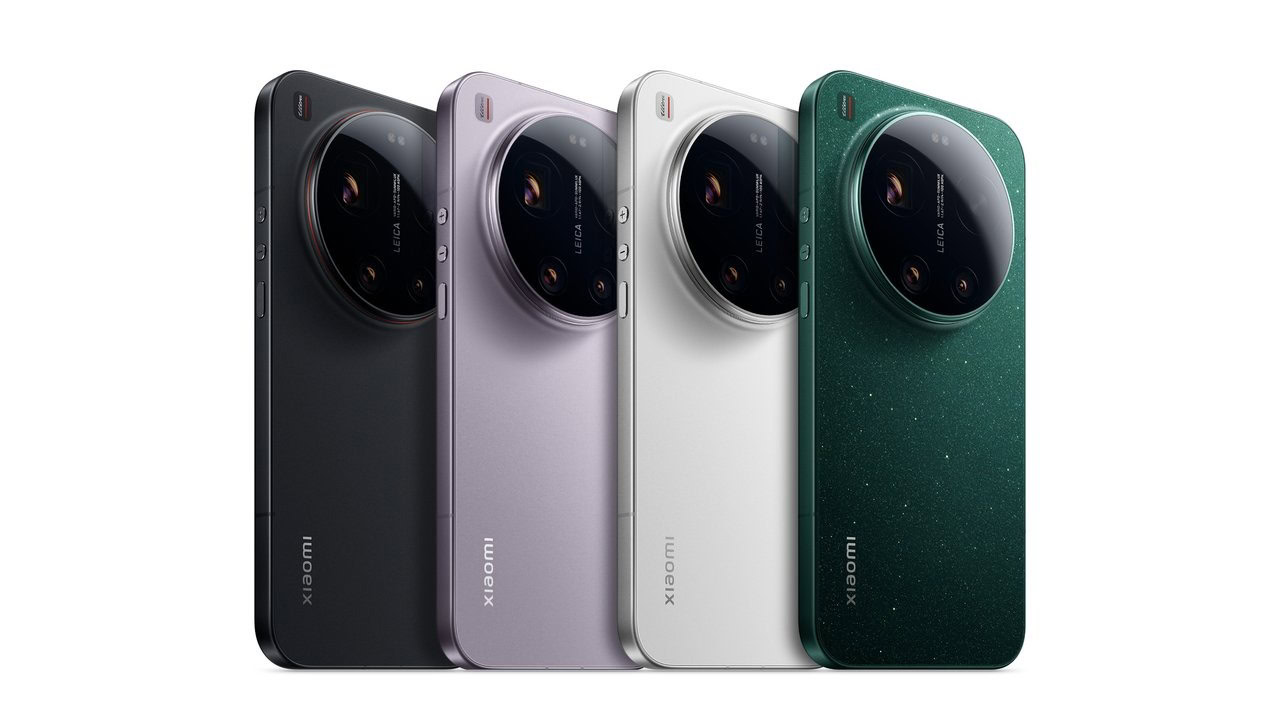
Furthermore, the aesthetics and customization options are also subject to this segmentation. Reports suggest the global launch of the 17 Ultra will be restricted to three colorways: white, black, and green. Conversely, the domestic market is expected to debut with an additional, potentially exclusive, light purple finish. While color choice might seem superficial, in the high-end sector, unique materials and finishes often serve as status signifiers and contribute significantly to the perceived exclusivity and value proposition of the device. Limiting these options further dilutes the global offering.
Despite these perceived downgrades, the Xiaomi 17 Ultra remains fundamentally a powerhouse device, anchored by its computational and imaging prowess. The configuration detailed—16GB RAM and 512GB storage—positions it firmly in the enthusiast and prosumer category. Given Xiaomi’s established reputation for pushing the envelope in mobile optics, particularly through its strategic partnerships, the camera hardware is expected to be best-in-class, featuring advanced sensor technology and complex computational pipelines. This focus suggests the primary target audience remains the mobile photography aficionado and the power user who demands peak processing capability.
However, the calculus of the ultra-premium market is unforgiving. When a device is priced at €1,499, consumers are benchmarking it against the pinnacle offerings from Apple and Samsung, companies that, despite their own regional variances, have largely standardized their top-tier hardware specifications across major global territories. In this environment, any tangible hardware deficiency, especially one as fundamental as battery endurance, provides competitors with an easy point of differentiation. The missing 800mAh in the battery translates directly into a competitive vulnerability.
The industry implications of this ongoing dual-spec strategy are significant for the broader smartphone ecosystem. It highlights the persistent friction between globalization and localization in consumer electronics. For manufacturers seeking to establish a stable, high-margin presence in established Western markets, navigating regulatory fragmentation is a major operational cost. If these costs are passed entirely to the consumer, as the €1,499 price point suggests, it risks alienating potential buyers who perceive a lower value proposition compared to domestic pricing structures seen through arbitrage or direct import channels.
This situation forces a strategic question for Xiaomi and its peers: At what point does maintaining a higher-spec domestic version become a liability in international expansion? If the cost savings from downgrading the battery and limiting color choices are insufficient to significantly reduce the final retail price, the perceived compromise outweighs the logistical benefit. Consumers are increasingly aware of these differences, often leveraging online communities to compare regional specifications before purchase.
Looking toward future trends, the industry needs to address this fragmentation. One potential evolution involves manufacturers prioritizing the development of globally compliant core components. If Xiaomi, or any OEM, can secure certification for a battery technology that meets the most stringent global safety standards—perhaps through advancements in solid-state or semi-solid-state chemistry that offer higher energy density without the regulatory penalty of current liquid lithium-ion cells—this specific downgrade strategy could become obsolete. Until such breakthroughs are commercialized and scaled, the practice of offering "lite" international versions of flagship hardware seems destined to persist.
Another area of impact lies in software optimization. If a manufacturer must ship a smaller battery globally, the onus falls heavily on the operating system and customized user interface (MIUI in this case) to aggressively manage power consumption. Success in the global market hinges not just on the initial hardware specification but on the sustained efficiency gains achieved post-launch through updates. A global 6,000mAh battery that lasts longer than a domestic 6,800mAh battery due to superior software tuning would immediately neutralize the primary hardware disadvantage.
In conclusion, the Xiaomi 17 Ultra’s rumored positioning—premium pricing coupled with demonstrable hardware reductions versus the Chinese market—is a familiar, yet perpetually contentious, maneuver. It underscores the complex economic and regulatory pressures shaping modern flagship releases. While the device will undoubtedly appeal to users prioritizing raw camera capability and processing muscle, its success in competing directly with entrenched players in the ultra-premium space will depend on whether consumers are willing to overlook the missing battery capacity and aesthetic choices when facing a near-equivalent price tag. The market is increasingly demanding transparency and uniformity at the highest price tiers, pushing manufacturers toward a challenging convergence of global standards and domestic ambition. The industry watches to see if this compromise strategy can sustain long-term brand equity in competitive Western markets.