

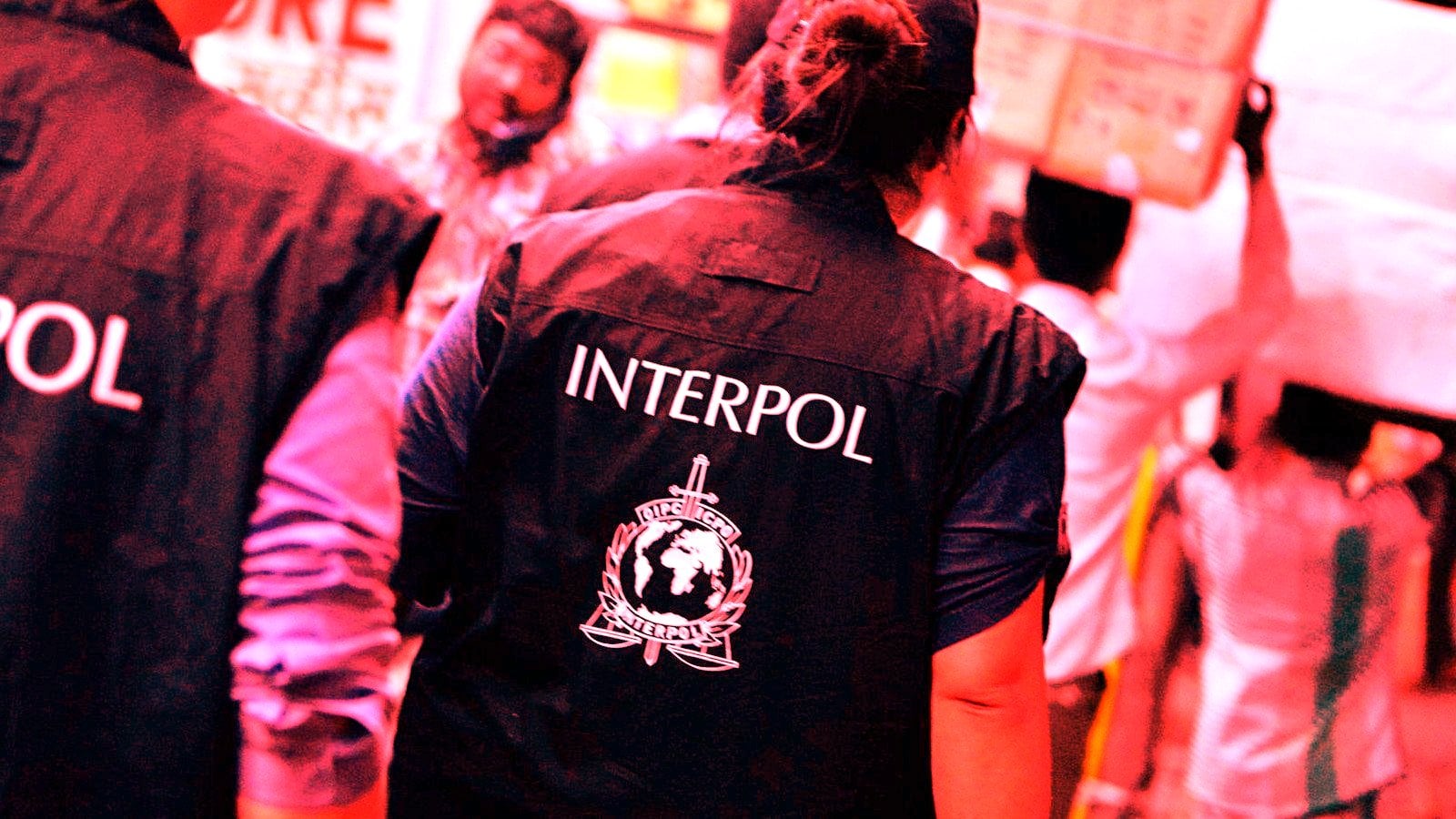
The landscape of transnational cybercrime mitigation witnessed a significant inflection point between July 2025 and January 2026 with the conclusion of "Operation Synergia III." This extensive, globally coordinated law enforcement action, spearheaded by the International Criminal Police Organization (INTERPOL), successfully neutralized approximately 45,000 Internet Protocol (IP) addresses identified as staging grounds for malicious digital activities. Beyond the large-scale infrastructure disruption, the operation yielded tangible results in terms of arrests and device seizures, underscoring a persistent, aggressive posture against organized digital malfeasance across continents.
The scope of Operation Synergia III was vast, drawing participation from 72 member nations. This level of international consensus is critical in combating cyber threats, which inherently respect no geopolitical boundaries. The operational summary reveals the seizure of 212 critical electronic devices and servers directly implicated in criminal infrastructure. Furthermore, 94 individuals were apprehended during the active phase of the operation, with an additional 110 persons of interest remaining under active investigation, suggesting the ripple effects of these takedowns will continue to manifest in subsequent enforcement actions.
Drilling down into specific theater operations reveals the diverse nature of the threats being targeted. In a noteworthy intervention in Togo, local law enforcement dismantled a sophisticated fraud ring operating from a seemingly innocuous residential setting. The structure of this cell illustrated a bifurcation of criminal expertise: one faction specialized in high-level technical breaches, including unauthorized access to social media platforms, while the other focused on manipulative social engineering tactics. These latter schemes encompassed prevalent threats such as romance scams, designed to exploit emotional vulnerabilities for financial gain, and sextortion rackets, leveraging compromised or fabricated sensitive material.
Simultaneously, authorities in Bangladesh executed a major disruption, arresting 40 suspects and securing 134 pieces of digital evidence. The criminal enterprises dismantled in this region spanned a wide spectrum of cyber-enabled fraud, including illicit activities related to fraudulent loan processing, deceptive employment solicitations, identity theft, and the direct compromise of credit card data. The convergence of these activities highlights how financially motivated threat actors often diversify their attack vectors to maximize returns and hedge against law enforcement scrutiny in any single domain.
Perhaps one of the most analytically significant components of Synergia III involved the efforts led by Chinese investigators operating out of Macau. These efforts focused heavily on the infrastructure underpinning phishing and social engineering campaigns. Investigators successfully identified and cataloged over 33,000 fraudulent websites. The sophistication of these sites lay in their high-fidelity impersonation of trusted entities. Threat actors meticulously cloned the digital facades of established casinos—a sector often targeted for high-value transactions—alongside major financial institutions, government portals, and legitimate payment service providers. The ultimate objective, as with most such schemes, was the illicit acquisition of victims’ sensitive credentials, including credit card details and personally identifiable information (PII).
Operation Synergia III is not an isolated event but rather the latest iteration in a structured, evolving series of high-level international enforcement actions managed by INTERPOL. This latest success builds directly upon the momentum generated by Operation Synergia II, which occurred between April and August 2024. Synergia II, while smaller in scale regarding physical arrests (41 suspects apprehended), focused heavily on infrastructure dismantling, taking down command-and-control (C2) apparatus spanning 22,000 IP addresses and seizing 1,037 servers and related cybercrime hardware.
The genesis of this sustained effort can be traced back to the initial phase of Operation Synergia. That foundational action established the operational playbook, leading to the identification of an additional 70 cybercrime suspects and the critical neutralization of approximately 1,300 C2 servers. These targeted servers were demonstrably instrumental in orchestrating major ransomware attacks, widespread phishing campaigns, and the distribution of various forms of malware. The continuity between these operations—Synergia I, II, and now III—demonstrates a strategic commitment to not just arresting individual actors but systematically degrading the underlying technical backbone that enables global cybercrime syndicates.
The focus of these large-scale operations often gravitates toward regions identified as significant hubs for cybercriminal activity, particularly across Africa. This focus is validated by recent, parallel enforcement actions. For example, between December 8 and January 30, a separate, highly successful INTERPOL-coordinated operation, Operation Red Card 2.0, swept across 16 African nations. This effort resulted in the arrest of 651 suspects and the successful recovery of over $4.3 million in illicitly obtained funds, signaling a growing capacity for financial tracing and asset seizure alongside infrastructure disruption.
Furthermore, the precedents set by earlier landmark operations continue to inform current strategy. Operation Serengeti and Operation Africa Cyber Surge—both significant anti-cybercrime endeavors targeting the African continent in recent years—collectively resulted in thousands of arrests and the successful dismantling or severe disruption of numerous multimillion-dollar criminal enterprises operating in the digital space. These historical actions establish a robust, multi-year track record of successful international collaboration, providing the blueprint for the scale and precision witnessed in Synergia III.
Industry Implications and Evolving Threat Landscape
The scale of Operation Synergia III, particularly the neutralization of 45,000 distinct digital endpoints, provides crucial intelligence for the cybersecurity industry. It confirms that even the most sophisticated law enforcement actions must contend with a vast, distributed network infrastructure maintained by cybercriminals. Neal Jetton, INTERPOL’s Director of the Cybercrime Directorate, contextualized these achievements: "Cybercrime in 2026 is more sophisticated and destructive than ever before, but Operation Synergia III stands as a powerful testament to what global cooperation can achieve."
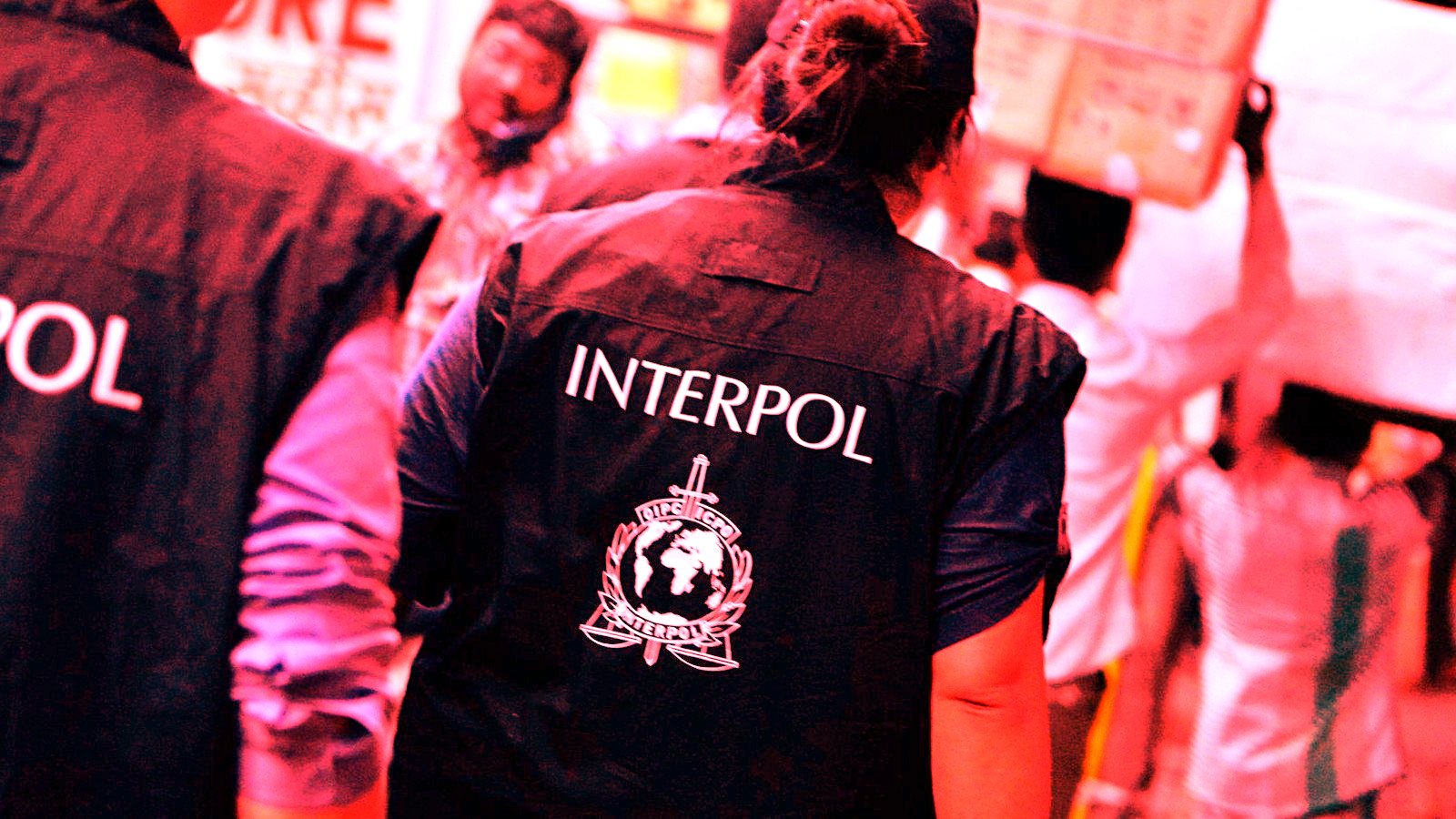
This statement is key to understanding the current threat environment. The sophistication referenced is not merely in the code but in the operational security (OpSec) and resilience of the criminal ecosystem. When 45,000 IP addresses are taken down, these threat actors pivot rapidly, often utilizing automated systems to spin up replacements using compromised IoT devices or cloud infrastructure bought on darknet markets. The efficacy of sinkholing relies on the ability to maintain control over the seized infrastructure long enough to harvest forensic data, identify upstream command structures, and prevent immediate redirection of victim traffic.
For the private sector, the intelligence gleaned from these crackdowns—particularly the specific types of scams noted in Togo and Bangladesh—is invaluable for threat intelligence feeds and defensive posture adjustments. If romance scams and job fraud are primary targets, financial institutions, HR departments, and social media platforms must intensify their behavioral analytics to detect fraudulent account creation and rapid fund transfers associated with these narratives. The sheer volume of phishing sites neutralized in Macau points to the enduring effectiveness of brand impersonation, suggesting that proactive domain monitoring and rapid takedown requests remain essential defenses against credential harvesting.
Expert Analysis: The Mechanics of Infrastructure Disruption
The technical core of Operation Synergia III involves "sinkholing." This is a precise, technically demanding process where law enforcement or affiliated security researchers redirect malicious traffic intended for a criminal server to a controlled server (the sinkhole). This allows investigators to:
- Map the Network: Observe and log all incoming connections, revealing the full topology of the C2 network, including the actual geographic locations of subordinate bots or compromised endpoints.
- Deception and Forensics: Serve benign or deceptive content to the malware, potentially leading to the execution of self-destructive commands or the capture of encryption keys if the malware is designed to phone home upon connection.
- Disruption: Sever the link between the C2 server and the botnet, effectively rendering the malware payload inert or uncontrollable by its original masters.
The success of Synergia III implies highly advanced technical coordination, likely involving cooperation with Internet Service Providers (ISPs) and major cloud hosting providers globally to facilitate the necessary routing changes or server seizures. The fact that 212 physical servers were seized suggests successful identification and physical access to key nodes that were either hosting C2 infrastructure or serving as primary data repositories for illicit gains.
Future Impact and Strategic Trajectories
The sustained tempo of these large-scale operations—Synergia I, II, III, Red Card 2.0, Serengeti, and Africa Cyber Surge—signals a fundamental shift in global law enforcement strategy. The focus is moving away from slow, reactive investigations against individual actors toward proactive, coordinated campaigns aimed at systemic disruption.
The future impact of this methodology will likely center on two key areas:
First, Increased Cost of Operation for Criminals: Every successful sinkhole operation significantly raises the barrier to entry and operational cost for cyber syndicates. They must invest more in obfuscation technologies, decentralized C2 structures (potentially using blockchain or peer-to-peer networks), and resilient infrastructure acquisition, diverting resources away from pure exploitation.
Second, Deepening Public-Private Partnerships: As INTERPOL notes, success hinges on uniting law enforcement with private sector experts. Future operations will likely feature even deeper integration of threat intelligence derived from commercial security products directly into the planning and execution phases of international police actions. This synthesis of private sector visibility and state-level legal authority is the critical multiplier effect needed to keep pace with evolving threat sophistication.
The concluding remarks from Director Jetton encapsulate this strategic imperative: "INTERPOL remains at the forefront of this fight, uniting law enforcement agencies and private sector experts to dismantle criminal networks, disrupt emerging threats and protect victims around the world." As cybercriminals continue to weaponize emerging technologies—from advanced AI-driven phishing to sophisticated supply chain compromises—the ability of international coalitions like those mobilized under the Synergia banner to respond with coordinated, large-scale infrastructure disruption will be the defining factor in global cyber resilience for the remainder of the decade. The neutralization of 45,000 digital staging grounds is not an endpoint, but a significant operational milestone demonstrating the commitment to degrading the global cybercrime economy through persistent, targeted enforcement.