

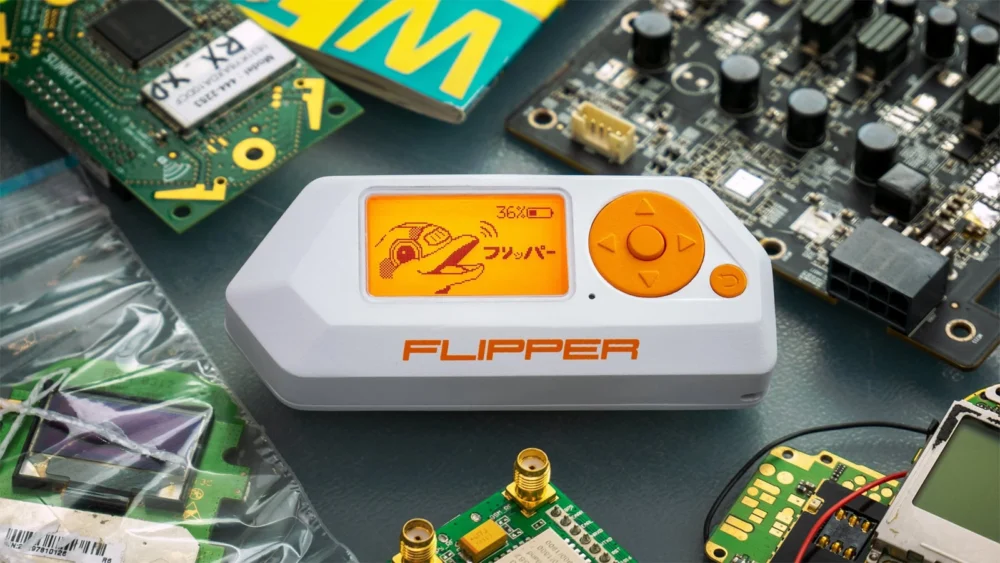
The security preparations for the 2026 mayoral inauguration of Zohran Mamdani in New York City have ignited a significant, and somewhat perplexing, debate within the technology and cybersecurity communities. Official documentation outlining prohibited items for the high-profile event explicitly names two consumer-grade computing devices—the Flipper Zero and the Raspberry Pi—placing them in the same category as traditional security threats like explosives, unauthorized drones, and weapons. This highly specific exclusion, detailed within the event’s frequently asked questions section on the transition website, stands in stark contrast to the absence of prohibitions against more powerful, ubiquitous technology such as modern laptops and smartphones.
The revelation, initially highlighted by specialized tech publications tracking maker culture and open-source hardware, has forced a closer examination of how modern security logistics are being tailored for public events. While the boilerplate restrictions—covering everything from large duffel bags and alcoholic beverages to fireworks and personal mobility devices like bicycles and scooters—are standard for major civic gatherings, the specific targeting of the Flipper Zero and Raspberry Pi suggests a nuanced, if perhaps overzealous, understanding of contemporary low-level digital threats.
Deconstructing the Banned Devices: Utility vs. Threat Perception
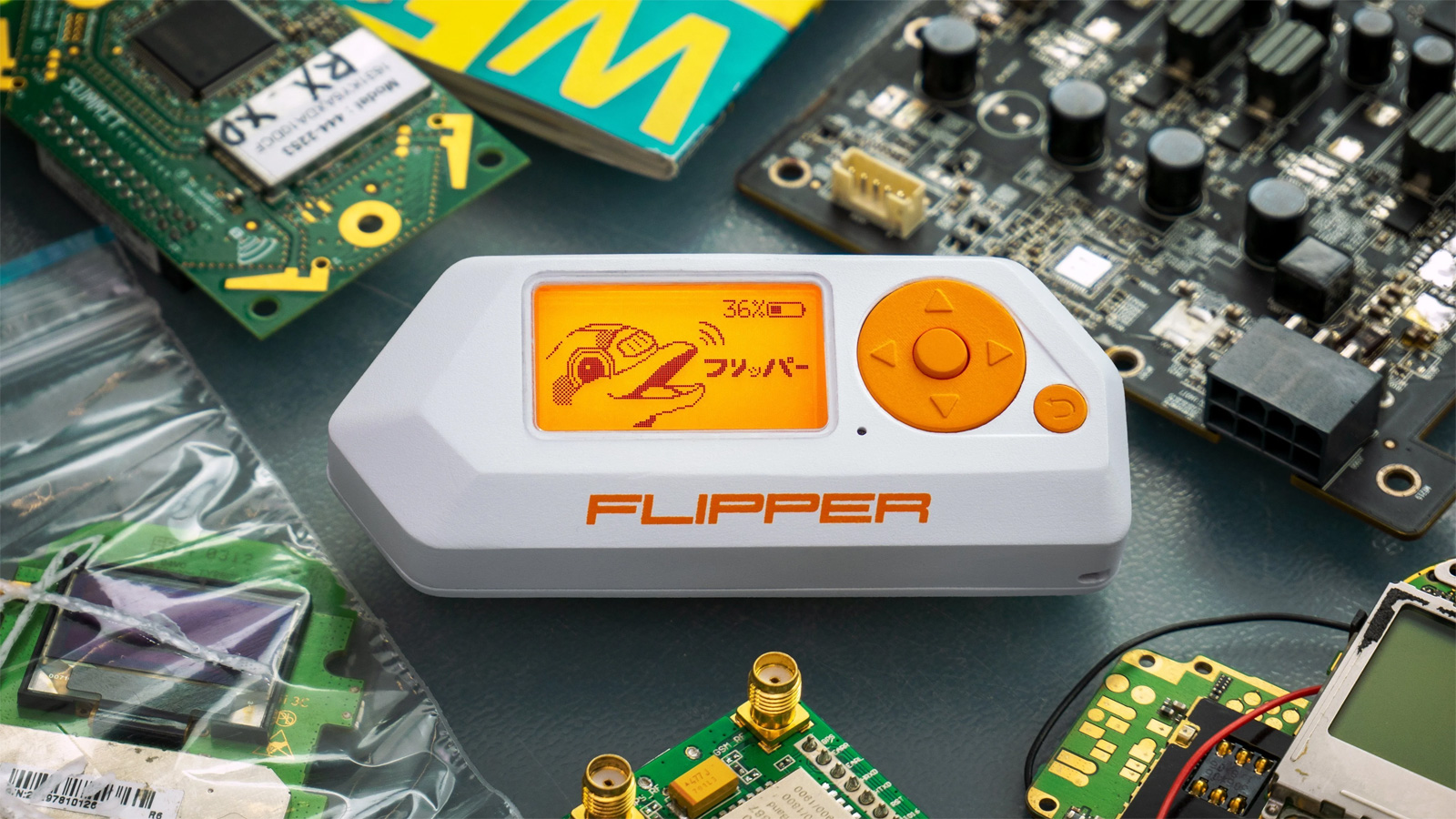
To understand the reaction, one must appreciate the function of these two specific items. The Flipper Zero, often dubbed a "Tamagotchi for hackers," is a portable, multi-tool device designed primarily for security auditing, educational purposes, and radio frequency (RF) experimentation. It possesses capabilities to read, emulate, and transmit across various radio protocols, including Sub-GHz radio, RFID (low-frequency and high-frequency), NFC, infrared, and even control certain remote systems. Its utility in penetration testing—checking the security of one’s own door locks, garage openers, or RFID access badges—is undeniable. However, its reputation has been shadowed by concerns over its potential misuse in vehicle theft or unauthorized access attempts, concerns that have prompted legislative discussions in jurisdictions globally.
The Raspberry Pi, conversely, is a foundational piece of the hobbyist, educational, and embedded systems world. This credit-card-sized single-board computer (SBC) runs full Linux distributions and is celebrated for its flexibility, low cost, and extensive peripheral support. It forms the backbone of countless IoT projects, custom servers, home automation hubs, and, critically, specialized security auditing hardware when paired with appropriate hats or USB dongles.
The core of the current confusion lies in the granularity of the ban. Most security checklists lump prohibited electronics under vague categories like "unauthorized transmission equipment" or "remote-controlled aerial devices." Here, organizers chose to single out the Flipper Zero and the Raspberry Pi by name. This specificity implies either a deep, targeted intelligence regarding potential threats associated with these exact form factors or, alternatively, a lack of clarity on the broader threat landscape.
The Paradox of Power: Laptops and Smartphones Go Unchecked
The most glaring inconsistency noted by security observers is the allowance of standard personal computing devices. A modern laptop running a penetration testing distribution, such as Kali Linux, possesses exponentially greater processing power and storage capacity than a Raspberry Pi, and can execute far more complex attacks than a Flipper Zero, often via specialized USB hardware or network sniffing. Similarly, high-end smartphones are capable of running sophisticated security toolkits like NetHunter, effectively transforming a common personal item into a potent digital reconnaissance platform.
Security analyst Stefan Klatt’s pointed commentary—suggesting the explicit naming of these devices demonstrated an organizational lack of comprehensive understanding—resonates deeply within the technical community. When a standard MacBook Pro can run firmware analysis tools, SSH tunneling, and sophisticated network scanning suites, banning a small, specialized auditing device appears disproportionate.
One leading hypothesis suggests that the ban targets the portability and perceived malicious intent associated with the Flipper Zero, while perhaps underestimating the capability of the Raspberry Pi outside of its traditional educational context. The Flipper Zero is small, easily concealed, and visually distinct—a "known bad actor" in some security circles. The Raspberry Pi, while more versatile, might be grouped with general electronics, only to be explicitly named due to its known use in creating custom, potentially dangerous, network infiltration kits.
Industry Implications: Chilling Effect on Legitimate Users
For the vast ecosystem of developers, educators, ethical hackers, and IoT enthusiasts who rely on these devices for legitimate work, this public sanction creates immediate practical and professional friction.
For Educators and Students: Many STEM programs, maker spaces, and university cybersecurity curricula utilize the Raspberry Pi as an affordable, accessible platform for teaching fundamental computing concepts, networking, and basic security principles. Being explicitly banned from a major civic event sends a chilling signal that the tools of learning are being equated with tools of crime.
For Security Professionals: Ethical hackers and penetration testers attending the inauguration—perhaps as credentialed guests or consultants—now face the dilemma of leaving behind essential, job-specific auditing tools. While an ethical hacker would never deploy their tools offensively at such an event, the blanket prohibition forces them to treat their professional equipment as contraband. This signals a potential lack of trust in the security industry itself at a high-level public function.
The Supply Chain and Retail Impact: Although retailers like Amazon have previously restricted Flipper Zero sales based on perceived misuse potential (e.g., card skimming), a governmental or municipal body explicitly banning the item carries more weight. It reinforces the narrative that these devices are inherently dangerous, potentially leading to stricter regulation on importation, sale, or transport, even if the devices themselves remain legal to own.
Deeper Dive into Security Logistics: The Challenge of Specificity
The decision to name specific devices versus banning categories highlights a fundamental tension in modern event security planning: the balance between comprehensiveness and practicality.

- The "Known Bad" Problem: Security teams often focus on items that have a high probability of being misused based on recent high-profile incidents. The Flipper Zero’s association with sophisticated, low-effort attacks against vehicle entry systems makes it an easy target for inclusion on a "No-Go" list, even if the actual number of incidents remains low relative to other risks.
- The "Unmanageable Category" Dilemma: Banning "all computing devices" is logistically impossible for a major inauguration, which relies on secure communications, credentialing, and media access—all enabled by laptops and phones. By contrast, banning a $150, highly specialized piece of hardware is a low-cost security theater move that addresses a niche, but highly publicized, vulnerability.
- The Raspberry Pi Anomaly: The inclusion of the Raspberry Pi is the most technically baffling aspect. It is far more often a tool for good—running home media servers, educational coding projects, or even serving as a low-power, custom router. Singling it out suggests an intelligence briefing indicating the Pi’s deployment in illicit, portable network exploitation setups at previous large gatherings, or perhaps a misunderstanding of its core identity versus more clearly defined attack platforms.
Future Trajectories: The Evolution of Public Event Security
This incident serves as a microcosm of the evolving challenge facing security directors managing events in an era defined by ubiquitous, miniaturized computing power. As technology continues to compress functionality into smaller form factors, security protocols must adapt quickly.
Trend Toward Hardware Fingerprinting: We may see future security directives move beyond naming specific products and towards banning capabilities. For instance, a regulation might prohibit devices capable of broadcasting or receiving signals across certain ISM bands without explicit FCC certification and without being a standard, commercially identifiable mobile phone or laptop. This would capture the Flipper Zero’s RF functionality while potentially leaving standard Wi-Fi/Bluetooth devices alone.
The Open-Source Backlash: The reaction from the open-source community will likely involve increased efforts to "de-brand" or reconfigure these devices to circumvent such explicit bans. If the Flipper Zero is banned, users might simply flash custom firmware onto a functionally identical piece of hardware, or create custom casings that obscure the device’s identity, forcing security teams back to the drawing board. This cat-and-mouse game between security enforcement and hardware innovation is set to intensify.
Policy Lag: This situation underscores the persistent lag between rapid technological advancement and regulatory or logistical policy adaptation. Security protocols for public gatherings are often slow-moving, relying on established checklists derived from past threats. When novel, dual-use technologies emerge, the default response is often prohibition by name, rather than nuanced risk assessment.
Until the Mamdani transition team issues a clarifying statement—a move that security professionals are eagerly awaiting—the explicit targeting of the Flipper Zero and Raspberry Pi at this high-profile New York City event will remain a potent symbol of the friction between digital innovation and the perceived need for absolute physical security at public forums. The security landscape is no longer just about what people carry in their pockets (knives, bottles); it is increasingly about the invisible, programmable capabilities contained within seemingly innocuous electronic tools.