

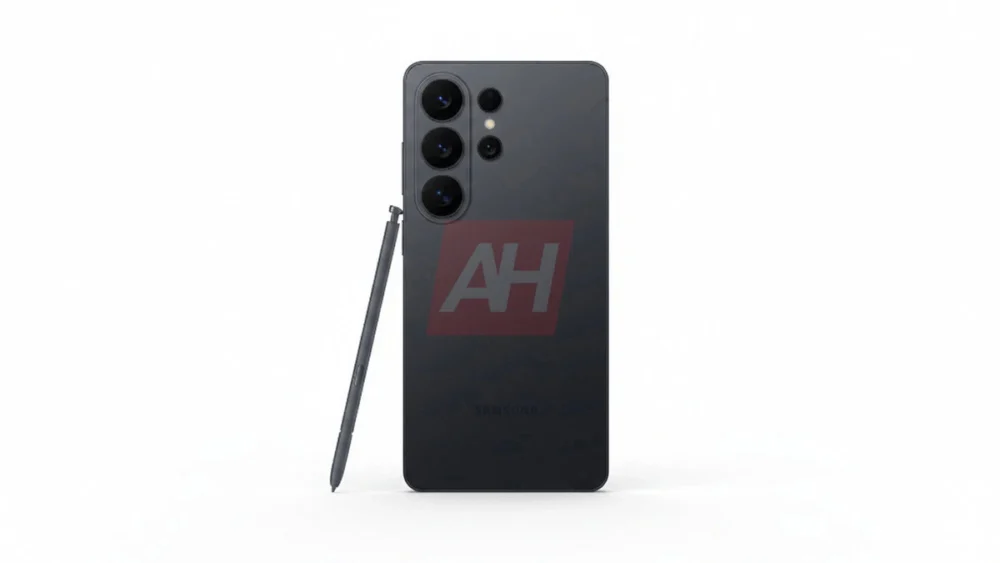
The perennial anticipation surrounding Samsung’s flagship Galaxy S Ultra line has reached a fever pitch with the emergence of highly detailed visual schematics, reportedly representing the final production design of the Galaxy S26 Ultra. Following recent accessory leaks hinting at structural modifications, these new renders offer a comprehensive look at the device’s aesthetic direction and a subtle but significant refinement to its integrated S Pen ecosystem. This latest visual disclosure, circulating within the industry’s rumour mill, moves beyond speculative CAD drawings to suggest a more concrete vision for Samsung’s 2026 mobile powerhouse.
The Evolving Industrial Design Language
The visual evidence strongly suggests that Samsung is continuing its trajectory toward refined minimalism, albeit with a notable shift in the rear camera housing. Previous Ultra models have often featured the ‘floating lens’ design, where individual camera sensors protrude slightly from the back panel without a surrounding contour. The renders indicate a pivot towards an integrated camera island—a contiguous, slightly raised rectangular or pill-shaped element that cradles the vertically aligned quad-camera array. This move is architecturally significant; while it deviates from the pure, unadulterated look of recent generations, it promises enhanced structural integrity around the most delicate components and potentially improved dust and water resistance around the seals.
The front fascia appears to retain the celebrated flat-screen geometry that many power users have championed for its utility in S Pen interaction and reduced accidental touches. A centrally positioned punch-hole cutout for the front-facing camera is maintained, suggesting Samsung is prioritizing screen real estate and visual continuity over under-display camera technology for this generation’s primary flagship.
Colorways are also beginning to crystallize. Reports suggest the initial launch palette will feature sophisticated hues, including Cobalt Violet and a deep Black. Furthermore, the standard assortment is anticipated to expand to include classic options such as White, Silver Shadow, Sky Blue, and a refined Pink Gold, catering to a broad spectrum of consumer preferences.
S Pen Integration: A Subtle but Crucial Iteration
The S Pen, the defining feature separating the Ultra from its competitors, is subtly highlighted in these emerging visuals. While the physical dimensions and housing mechanism—the silo recessed into the lower chassis—appear largely consistent with recent models, the renders provide fresh context for its interaction with the device’s new form factor. The transition to a flatter screen panel inherently optimizes the S Pen’s writing and drawing experience, minimizing parallax distortion at the edges.
For industry analysts, the continued commitment to the integrated S Pen is a strategic imperative. It solidifies the Ultra’s position not merely as a smartphone, but as a productivity slate capable of nuanced interaction. Any perceived minor changes in the stylus itself—perhaps improved latency or new magnetic charging optimization—will be secondary to how the physical design accommodates its use within the updated chassis. The inclusion of the stylus in the renders underscores its enduring role as the core differentiator in the ultra-premium segment.
Under the Hood: Powering the Next Generation
Beyond aesthetics, the leaks provide tantalizing, albeit unconfirmed, specifications that set the performance benchmark for the next wave of Android flagships.
Display Technology: The rumored 6.9-inch QHD+ Dynamic AMOLED panel suggests Samsung is maintaining its commitment to top-tier visual fidelity. The ‘Dynamic’ moniker implies advanced adaptive refresh rate technology, crucial for balancing the power demands of such a high-resolution display with battery longevity. The resolution density, likely pushing beyond 500 PPI, will ensure unparalleled sharpness for both media consumption and detailed note-taking.
Processing Power: The purported inclusion of the Snapdragon 8 Elite Gen 5 chipset is perhaps the most significant performance indicator. This next-generation silicon is expected to usher in substantial leaps in sustained performance, thermal management, and, critically, on-device AI processing capabilities. In an era where computational photography and personalized user experiences rely heavily on localized neural engines, the efficiency and power of this new chip will dictate the S26 Ultra’s viability as a long-term investment.
Battery and Dimensions: The retention of a 5,000mAh battery cell, coupled with an anticipated shrink in the device’s physical footprint (reportedly measuring 163.6 x 78.1 x 7.9mm and weighing 214g), implies significant gains in battery density or more efficient internal component stacking. If these dimensions are accurate, the device might feel marginally more manageable in hand than its immediate predecessor, a welcome adjustment for a device pushing the boundaries of screen size. Wireless Power Share support remains a standard expectation, reinforcing Samsung’s ecosystem integration strategy.
The Computational Photography Arsenal
The camera specifications detailed in the leaks paint a picture of incremental, yet significant, refinement in Samsung’s photographic hardware stack:
- Main Sensor: A 200MP primary lens continues the trend of ultra-high-resolution capture, suggesting Samsung will lean further into pixel-binning technologies for superior low-light performance and expansive cropping flexibility.
- Ultrawide: A 50MP ultrawide lens signifies a substantial boost in resolution for expansive landscape shots, likely improving edge sharpness and minimizing chromatic aberration often seen in lower-resolution secondary sensors.
- Telephoto and Periscope: The inclusion of a 10MP telephoto lens alongside a 50MP periscope lens suggests a nuanced approach to zoom capabilities. This configuration typically implies a dedicated shorter-range optical zoom (perhaps 3x or 5x) paired with the high-resolution, longer-range periscope lens (potentially 10x optical). The 50MP resolution on the periscope sensor suggests massive detail retention even at extreme magnifications, leveraging advanced computational stacking.
Industry Implications: The Arms Race Continues
The consistent feature set—flat screen, integrated S Pen, and a powerful quad-camera setup—suggests Samsung is focusing on perfecting the established Ultra formula rather than radical reinvention. This is a strategic response to market maturity. Consumers in the ultra-premium tier are seeking iterative improvements in performance, battery efficiency, and camera versatility, rather than disruptive design changes that might compromise usability.
The implied adoption of the Snapdragon 8 Elite Gen 5 places Samsung in a familiar, yet competitive, position. Success in 2026 will not just be about peak benchmark scores; it will hinge on how effectively Samsung leverages the chip’s dedicated AI acceleration cores for features like real-time translation, advanced image processing, and personalized notification filtering. The optimization between hardware and Samsung’s One UI layer running on top of the latest Android iteration will be the true measure of this device’s prowess.
The return to a visible camera island, however subtle, has wider industry implications. It suggests that the industry is perhaps settling on a standard aesthetic for premium camera arrays—a contained module offering protection and aesthetic uniformity—rather than continuing the trend of completely isolated lenses. This simplification might streamline manufacturing and repair processes.
Future Trajectory and Launch Context
The projected launch date of February 25th places the Galaxy S26 Ultra squarely in its traditional early-year unveiling slot, setting the tone for the entire Android flagship calendar. This timing is crucial; it allows Samsung to establish market dominance before competitors release their mid-year refreshes.
The anticipated debut alongside the Galaxy Buds 4 series underscores the importance of a holistic ecosystem experience. If the Buds 4 maintain competitive pricing, as suggested by preliminary data, Samsung is signaling a desire to capture consumers through ecosystem lock-in, ensuring seamless connectivity and feature parity across their wearable and mobile hardware platforms.
For analysts tracking the technological roadmap, the S26 Ultra represents a crucial inflection point. It is expected to be one of the first mass-market devices fully optimized for the next generation of spatial computing and advanced on-device generative AI models. The hardware specifications—particularly the improved camera sensors and the next-gen chipset—are prerequisites for delivering truly next-generation mobile experiences that move beyond simple app execution toward proactive, intelligent assistance. The design, while familiar, suggests an engineering focus on durability and ergonomic refinement, ensuring that the Ultra remains the benchmark for productivity-focused smartphone hardware for the coming year. The anticipation now shifts from "what will it look like?" to "how effectively will it perform?" as these renders seem to confirm the blueprint for Samsung’s next mobile titan.