

The mobile technology landscape is perpetually defined by the cadence of anticipation, a cycle where the immediate release is often overshadowed by rumors of the next iteration. In the context of Google’s Pixel ecosystem for 2026, this dynamic is playing out starkly between the recently launched Pixel 10a and the highly anticipated, yet-to-be-revealed Pixel 11. While the flagship Pixel 11 is poised to debut with the next-generation Tensor G6 chipset, significant camera hardware advancements, and comprehensive feature refinements, the Pixel 10a presents itself as a device that, on paper, appears deceptively iterative, sharing much of its core architecture with its direct predecessor. Despite this apparent spec disparity, a closer examination of the value proposition, software philosophy, and user experience design suggests that for a significant segment of the market, opting for the Pixel 10a now offers a more pragmatic and immediately rewarding investment than hedging funds on future performance gains.
To fully appreciate this stance, one must understand the historical trajectory of Google’s Pixel ‘A’ series. These devices are not merely cost-reduced flagships; they represent Google’s thesis on what constitutes the essential smartphone experience. They prioritize software integration, computational photography prowess, and long-term support over bleeding-edge silicon. The Pixel 10a, reportedly powered by the Tensor G4, is a continuation of this strategy, integrating mature, refined AI capabilities—the very features that define the modern Pixel experience—into a highly accessible package. This strategy carries significant industry implications, suggesting a growing stratification in the smartphone market where computational differentiation is surpassing raw clock speed metrics.
The core argument for choosing the Pixel 10a centers on the diminishing returns of year-over-year hardware upgrades for the average user. The transition from the Tensor G4 in the 10a to the expected Tensor G6 in the 11 might yield performance uplifts that are perceptible in synthetic benchmarks or during extremely demanding tasks like 4K 30fps Cinematic Blur rendering or complex on-device machine learning models. However, for daily operations—social media scrolling, navigation, communication, and even moderate photography—the G4 is demonstrably capable. Furthermore, Google’s history with its Tensor chips shows that optimization and software layering often account for a greater portion of the perceived speed than sheer processing power. The Pixel 10a benefits from the same foundational software optimizations that Google dedicates to its flagships, ensuring a fluid, intelligent user interface.
A critical element underpinning the 10a’s value is the long-term software commitment. Google has dramatically increased its support window, often promising seven years of operating system and security updates for its current generation devices. This longevity transforms the purchase decision from a 24-month cycle into a potential half-decade commitment. When a device is supported for such an extensive period, minor year-to-year spec bumps become less relevant than the baseline quality and longevity of the hardware and the sustained security posture. The 10a, equipped with this seven-year promise, offers unparalleled long-term assurance in the Android mid-range sector.
The camera system, often the primary battleground for smartphone innovation, illustrates this point vividly. The Pixel 10a appears to retain the reliable dual-camera setup—a 48MP main sensor and a 13MP ultrawide—identical to its predecessor. While the Pixel 11 will undoubtedly feature upgraded optics and perhaps a new periscope telephoto array, the Pixel lineage proves that Google’s computational magic, baked into the Tensor framework, can extract exceptional results even from older hardware configurations. The inclusion of features like Camera Coach in the 10a signifies that Google is deliberately pushing its software training tools down the stack, democratizing advanced photographic guidance. For most consumers whose photographic output is shared instantly on social platforms rather than professionally printed, the difference between "excellent" (10a) and "superlative" (11) is often negligible, especially considering the ~$300 potential price differential.
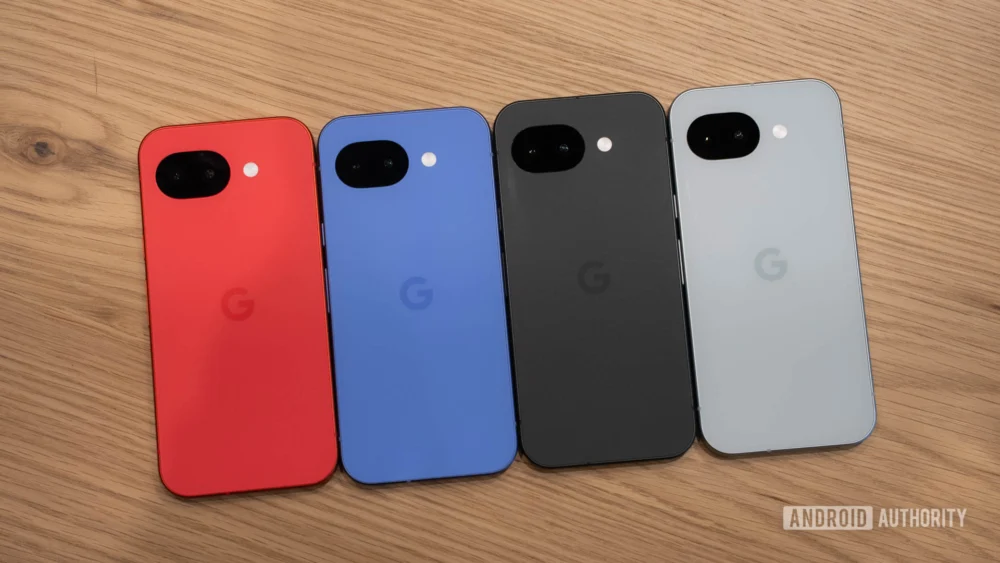
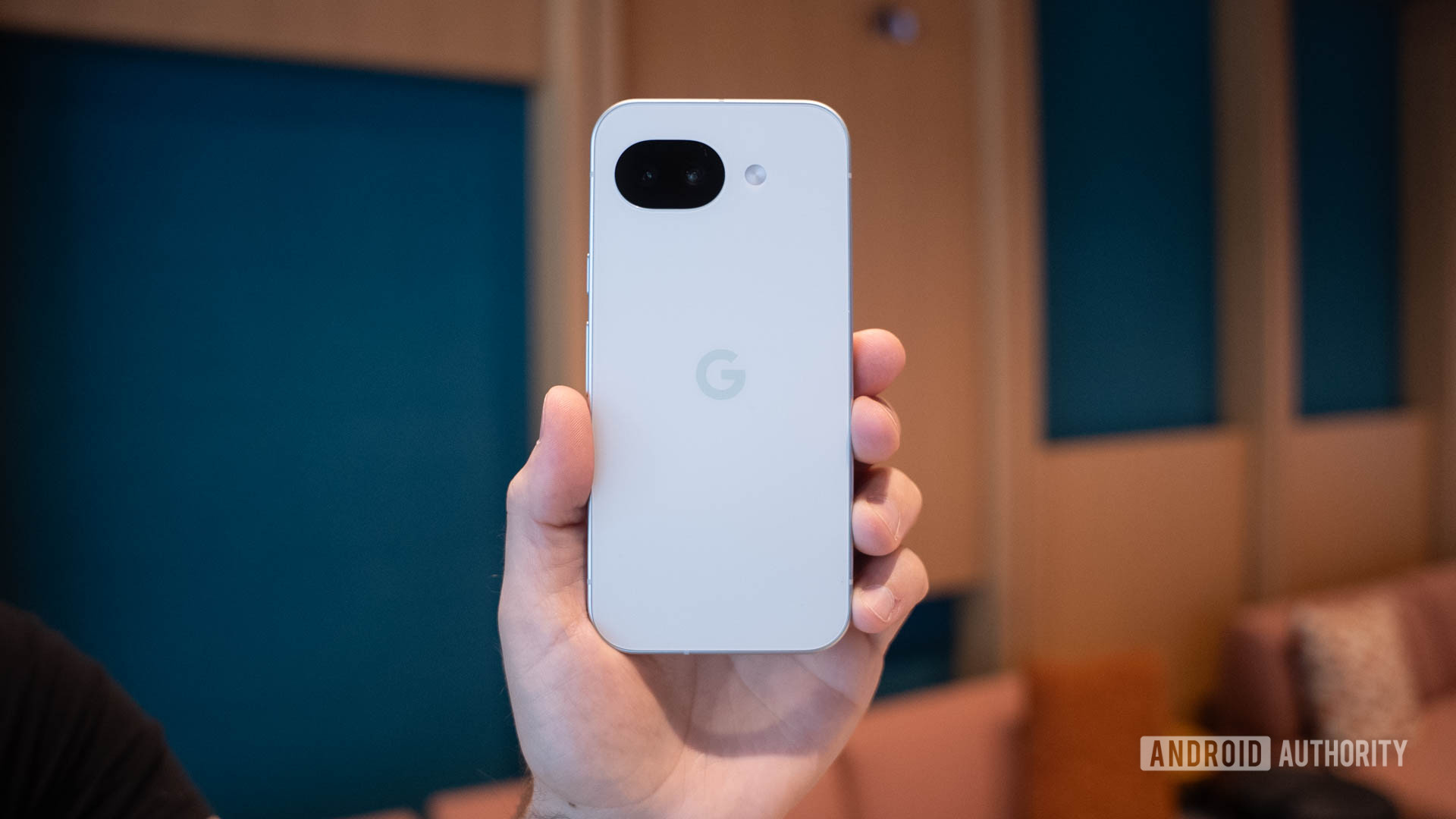
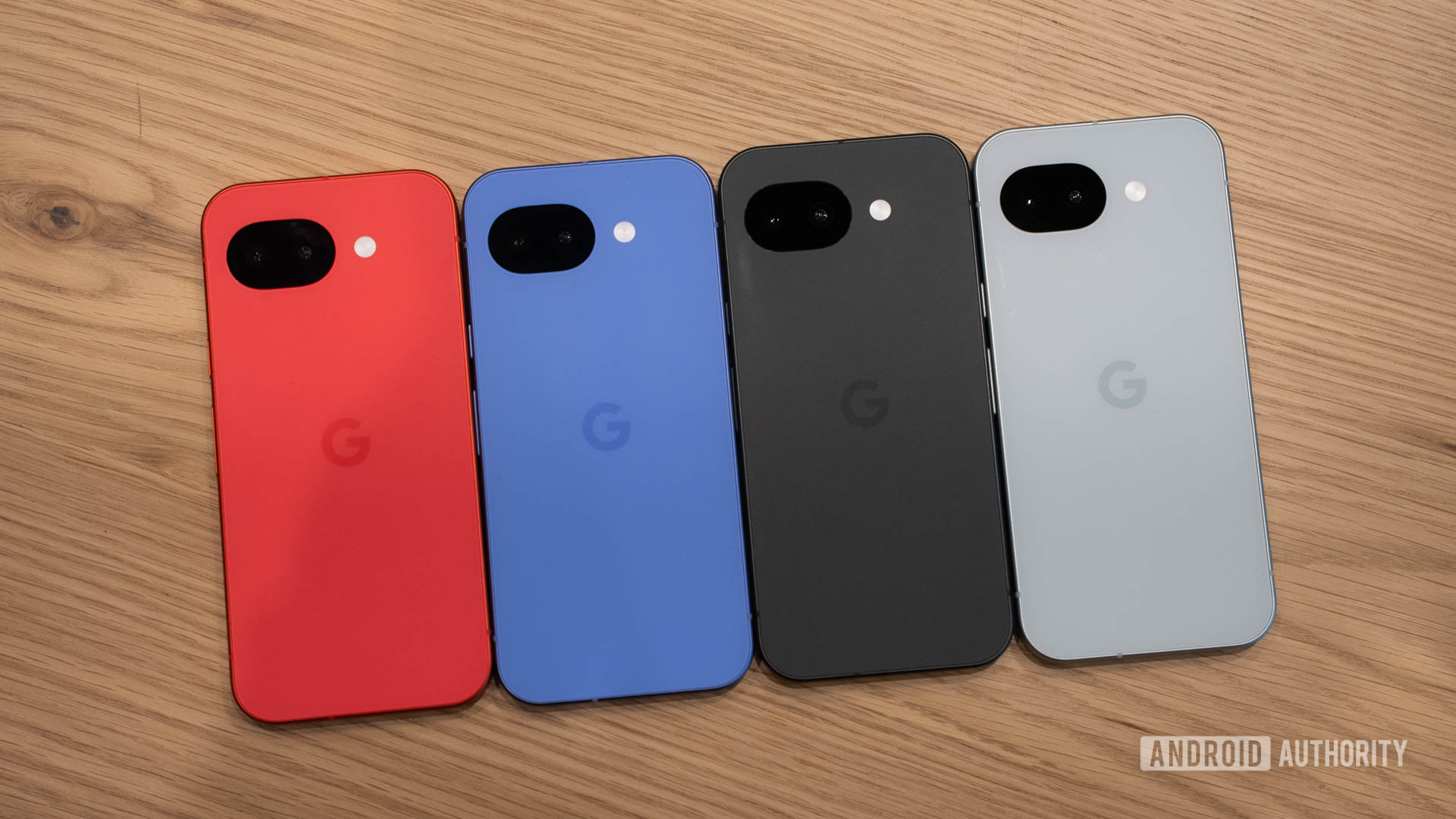
Beyond the core performance metrics, tangible physical attributes favor the 10a for a subset of users prioritizing ergonomics and aesthetics. The reported redesign of the 10a, moving away from the pronounced camera bars that characterized recent flagships in favor of a flatter, more integrated back panel, is a significant design departure. This new aesthetic, coupled with fresh colorways such as Lavender, Berry, Fog, and Obsidian, appeals to users fatigued by the utilitarian look of previous generations. Moreover, the weight differential is notable: the 10a is reportedly lighter (183g) than the previous flagship (204g), suggesting a more manageable in-hand feel, despite being marginally thicker. The display specifications—a 6.3-inch, 120Hz panel protected by Gorilla Glass 7i—match the size and refresh rate of the current flagship, minimizing any perceived compromise in viewing experience.
Furthermore, critical quality-of-life improvements have trickled down. The 10a matches the Pixel 10’s 30W wired charging speed. While the absence of cutting-edge Qi2 wireless charging (reportedly limited to 10W wireless) is a minor concession, the primary wired charging speed is robust enough for rapid top-ups during the day. These refinements illustrate Google’s strategy: use the A-series as a proving ground for mainstreaming essential features that don’t require the absolute latest silicon.

This dynamic—software parity, ergonomic refinement, and significant cost savings—positions the Pixel 10a as the ultimate "smart buy." It delivers the full, unadulterated Google experience: clean Android, immediate updates, and industry-leading AI assistance (including integrated Gemini features) at a price point that is likely hundreds of dollars below the Pixel 11’s launch MSRP. This value calculus is crucial in a market segment sensitive to price-to-performance ratios.
Industry Implications: The Software-Defined Mid-Range
The existence and appeal of the Pixel 10a underscore a significant shift in the smartphone industry, particularly within Google’s strategy. For years, the flagship segment was the only place to experience Google’s vision for Android, forcing users to pay a premium for the latest Tensor chip. The success of the A-series, cemented by the 10a’s feature parity in key areas, suggests that Google is increasingly confident in decoupling the "Pixel experience" from the absolute peak of its silicon roadmap.
This trend impacts competitors by raising the baseline expectation for mid-range devices. When a $500 phone offers seven years of support and access to the newest foundational AI models, it pressures rivals like Samsung and Xiaomi to either slash pricing on their mid-range offerings or accelerate their own software commitment timelines. The Pixel 10a essentially redefines the value proposition in the upper-mid-range tier, demanding that consumers look beyond raw CPU scores.
The Case for Waiting: Power Users and Future-Proofing
Despite the compelling arguments for the 10a, a clear demarcation exists for users whose demands exceed the everyday envelope. The Pixel 11 remains the correct choice for the dedicated power user, the mobile gamer, and the aspiring visual creator.
The anticipated leap to the Tensor G6 processor, while perhaps not transformative for basic tasks, will offer substantial gains in sustained performance. For users engaging in heavy multitasking, high-fidelity mobile gaming sessions, or extensive video editing, the thermal management and raw computational headroom of the G6 will be tangible advantages. Furthermore, the rumored RAM increase—moving from the 10a’s 8GB base to a likely 12GB standard in the Pixel 11—is critical for power users managing dozens of open applications or running intensive background AI processes.
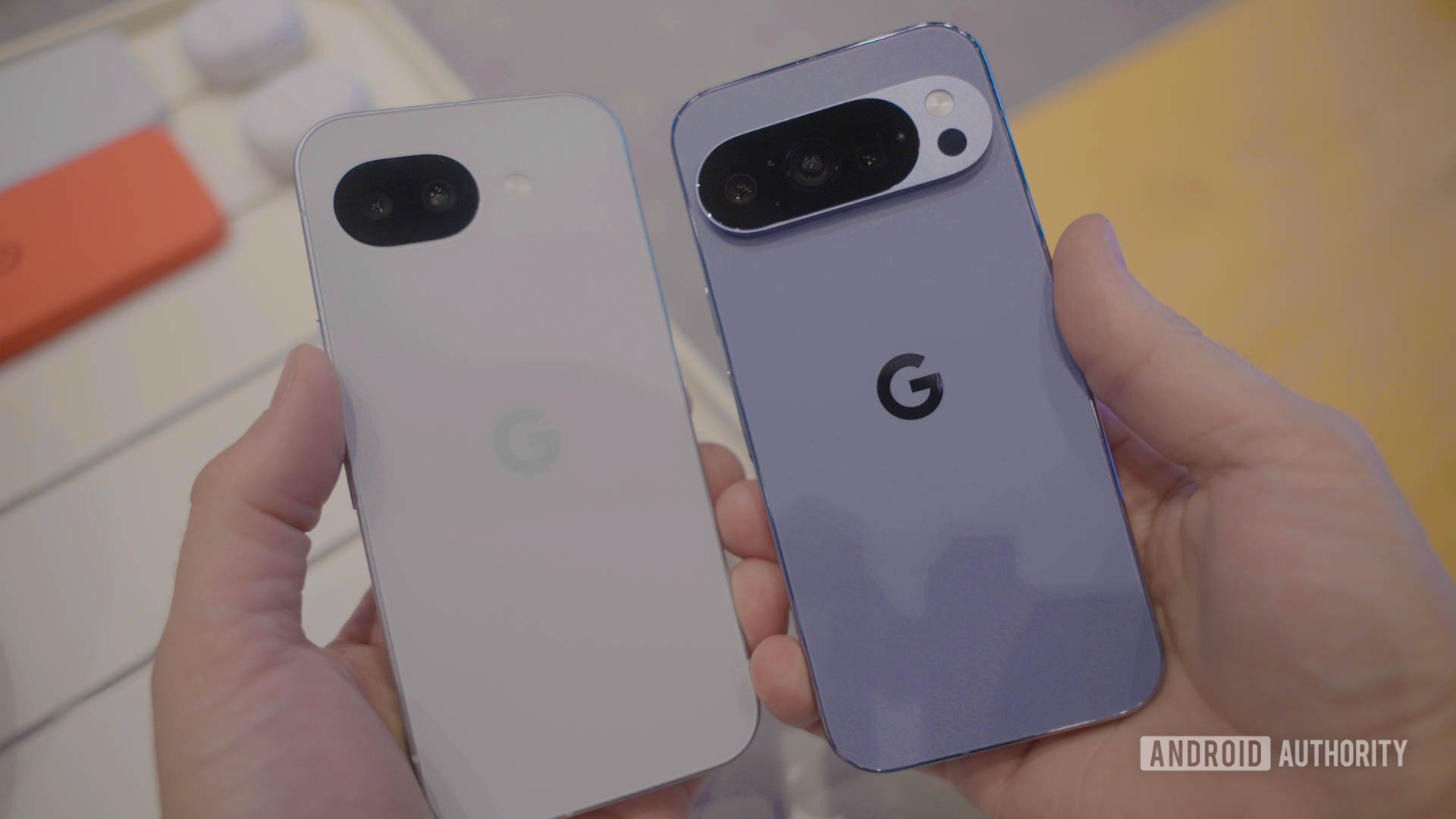
The camera hardware gap is also more pronounced for enthusiasts. The Pixel 10a’s camera package, while software-enhanced, remains fundamentally constrained by its sensors compared to what the flagship line typically introduces. Rumors surrounding the Pixel 11 suggest revolutionary imaging capabilities, including 40K 30fps Cinematic Blur (a feature demanding significant GPU/NPU resources), enhanced Ultra-low light video capabilities, and an ambitious 100x zoom function leveraging advanced machine learning interpolation alongside dedicated optical hardware. For those prioritizing photographic versatility and pushing the boundaries of mobile videography, waiting for the 11’s superior sensor suite is essential. The build quality, too, is expected to incorporate more premium materials, catering to users who seek the highest level of industrial design, even if the 10a’s new flat design is aesthetically pleasing.
Navigating the Ecosystem: Alternatives and Price Dynamics
The decision matrix is further complicated by the immediate availability of slightly older, yet still potent, Google hardware, which often sees aggressive price depreciation as a new generation approaches. The Pixel 10, the standard flagship from the preceding year, often dips in price to the $500 mark during promotional cycles leading up to the 11’s launch. This scenario presents a compelling alternative: purchasing a discounted Pixel 10 offers the superior Tensor G5 chip and a higher-tier camera system (likely including a better telephoto lens) for a cost potentially equal to the Pixel 10a’s launch price. This arbitrage opportunity is a classic maneuver for savvy tech buyers who prioritize generational hardware leaps over incremental updates.
Similarly, the Pixel 9a remains a viable, budget-conscious option. While it lacks the design refresh, the improved charging speeds (30W wired, 10W wireless) over its own predecessor, combined with a sub-$400 price tag, make it an undeniable value play if the 10a’s upgrades—like the marginally brighter display or the inclusion of Satellite SOS—are not deemed necessary. The longevity argument still applies here; a device purchased today with a robust update schedule offers significant utility for years to come.
In conclusion, the choice between the Pixel 10a and waiting for the Pixel 11 hinges entirely on user persona and financial calculus. For the vast majority of consumers seeking the quintessential, hassle-free, intelligent Android experience, underpinned by industry-leading software support and refined ergonomics, the Pixel 10a offers superior immediate value. It minimizes buyer’s remorse by delivering 90% of the flagship experience for potentially 60% of the cost, allowing users to avoid the prolonged agony of pre-launch speculation. The Pixel 11 is undeniably the more powerful machine, destined for those who demand the absolute pinnacle of processing and photographic capability. However, in the realm of practical, long-term smartphone ownership, the maturity and accessible refinement of the Pixel 10a present a more rational and immediately gratifying purchase today. The narrative that one must always await the next flagship is one the Pixel 10a effectively dismantles, proving that sometimes, the best phone is the one that perfectly balances current capability with sustainable pricing.