

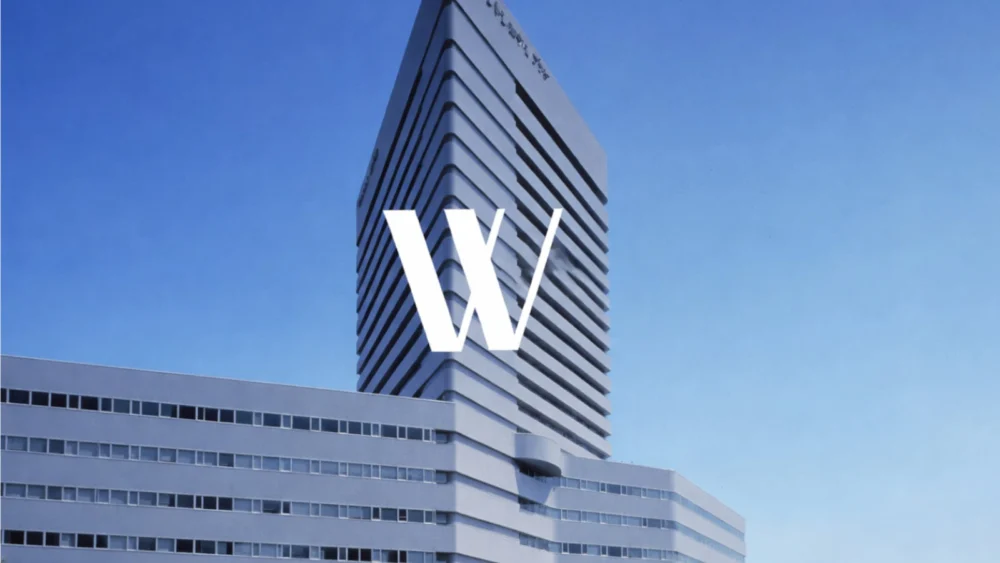
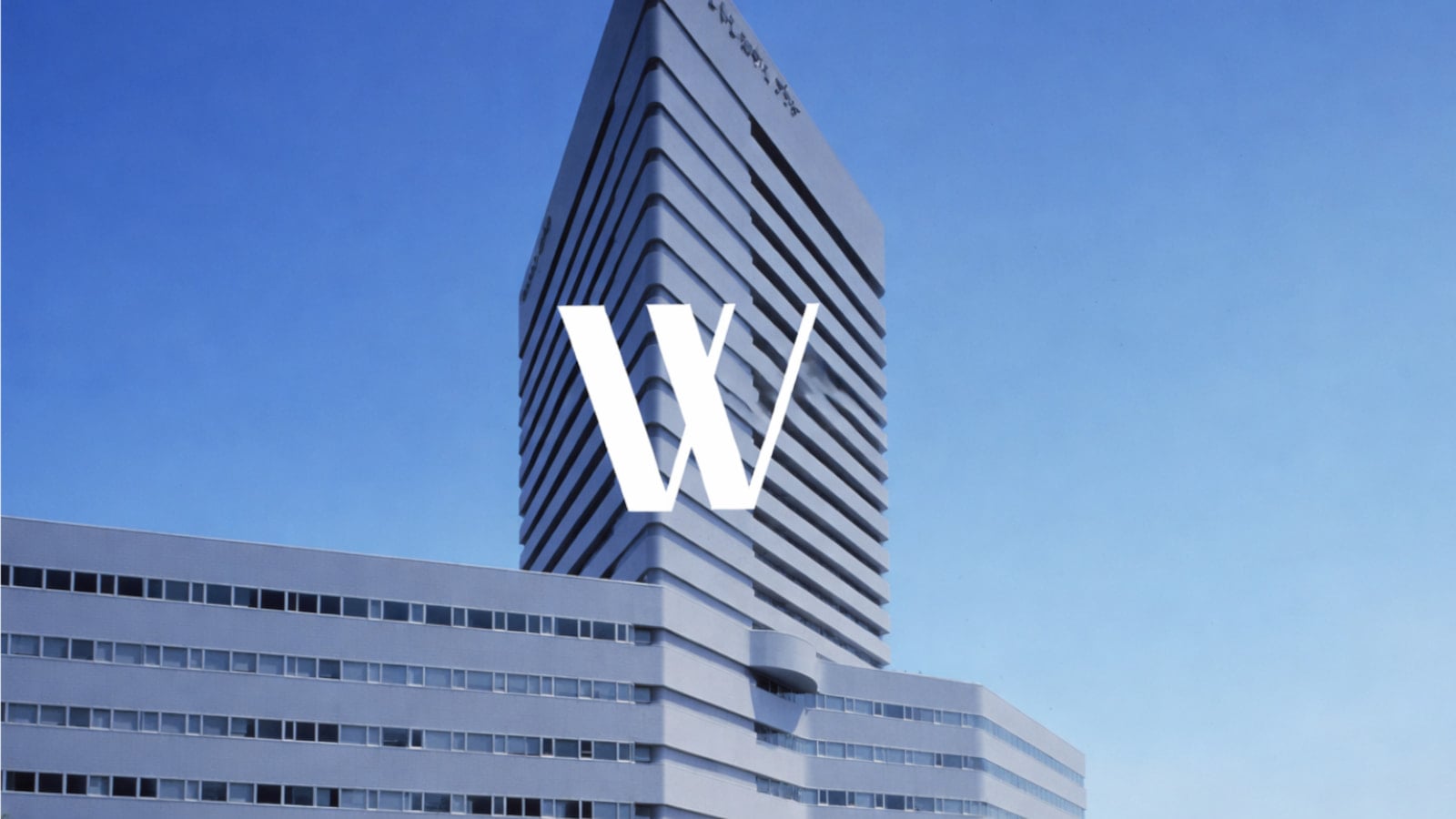
The Washington Hotel brand, a significant player in Japan’s business-oriented hospitality sector, has confirmed a debilitating ransomware intrusion into its internal network infrastructure. This incident, which occurred on the evening of Friday, February 13, 2026, at approximately 22:00 local time, marks another high-profile cybersecurity event targeting large Japanese enterprises. Operating under the umbrella of Fujita Kanko Inc. (WHG Hotels), the group manages a substantial footprint, boasting 30 properties across the nation and offering approximately 11,000 rooms. Annually, these establishments serve close to five million guests, underscoring the potential scale of disruption when their digital backbone is compromised.
Upon detection of the unauthorized activity, the hotel group’s IT personnel acted swiftly, initiating an immediate and necessary segmentation measure by disconnecting compromised servers from the wider internet. This crucial containment effort aimed to arrest the lateral movement of the threat actor across the network environment, a standard, albeit reactive, protocol in the face of active ransomware deployment. Following this initial triage, Washington Hotel formally notified law enforcement agencies and mobilized specialized external cybersecurity consultants to commence a comprehensive forensic investigation.
The preliminary findings, detailed in the company’s official disclosure, confirm that the attackers successfully exfiltrated a range of internal business data. This category of compromised information typically encompasses operational documents, internal communications, vendor contracts, and potentially employee records. However, a critical aspect of the immediate damage assessment involves customer data security. The company has currently stated that it believes customer Personally Identifiable Information (PII) remains segregated and secure, residing on systems managed by a third-party vendor. Crucially, the ongoing investigation has not yet identified any unauthorized access to these separate, customer-facing data repositories. This distinction, while reassuring for guests in the short term, places intense scrutiny on the architecture of data segregation within the hospitality conglomerate.
The operational repercussions, though not deemed catastrophic by the management, are tangible and immediately felt on the ground. Several Washington Hotel locations have reported temporary outages affecting point-of-sale (POS) systems, specifically impacting the functionality of credit card terminals. While the company asserts that major, systemic operational paralysis has been avoided, the reliance on manual processes to circumvent these localized digital failures inevitably introduces friction, delays, and potential errors into the guest experience. The full financial ramifications, encompassing remediation costs, potential business interruption losses, and any future insurance implications, are currently being tabulated by internal finance teams and external auditors. Washington Hotel has committed to issuing further substantive updates as the forensic analysis yields more concrete details regarding the scope of data exfiltration and the total impact.
As of this reporting, no established ransomware syndicate has publicly claimed responsibility for the attack via the dark web extortion portals monitored by cybersecurity intelligence firms. This silence can signify several possibilities: either the threat actor is employing a less conventional monetization strategy, the negotiation phase is underway privately, or the specific ransomware strain deployed is not immediately recognized or publicly attributed.
Contextualizing the Threat: Japan’s Escalating Cyber Landscape
The breach at Washington Hotel does not occur in a vacuum. It is symptomatic of a rapidly escalating and increasingly sophisticated cyber threat environment targeting Japanese corporations across diverse sectors. The nation has, over the past several months, become a fertile ground for disruptive ransomware and data extortion operations. High-profile incidents involving automotive giants like Nissan, retail conglomerates such as Muji (often through third-party supply chain compromises), major beverage producers like Asahi, and critical telecommunications infrastructure providers like NTT have painted a stark picture of vulnerability across the Japanese corporate ecosystem.
This pattern suggests that threat actors are actively probing the defenses of large, established entities within Japan, likely perceiving them as high-value targets capable of paying substantial ransoms, or perhaps viewing them as targets of opportunity due to perceived technological lags in certain legacy environments common in older, established Japanese firms. The financial, reputational, and operational stakes are immense for a brand like Washington Hotel, which caters heavily to the domestic and international business traveler segment, where reliability and data security are paramount concerns.
Furthermore, the digital security landscape in Japan is further complicated by specific vulnerability exploitation trends. Contemporaneously with the Washington Hotel incident, the Japan Computer Emergency Response Team Coordination Center (JPCERT/CC) issued advisories regarding active exploitation of an arbitrary command injection flaw (CVE-2026-25108) within Soliton Systems’ FileZen products. This file-sharing appliance is reportedly utilized widely across Japanese organizations. While JPCERT/CC has explicitly stated that this vulnerability exploitation may not be directly linked to the Washington Hotel compromise, the existence of such a critical, actively exploited zero-day or N-day vulnerability in a commonly used enterprise tool highlights the pervasive risk surface facing Japanese IT departments. History shows that vulnerabilities in shared infrastructure components, like FileZen, often serve as initial access vectors for larger ransomware operations.
Expert Analysis: Architectural Weaknesses and Containment Efficacy
From a technical perspective, the initial containment response by Washington Hotel—the rapid isolation of infected servers—is commendable. In a ransomware scenario, network segmentation and immediate shutdown of external connectivity are the most effective immediate steps to prevent encryption from spreading to backups, secondary systems, and cloud environments. However, the confirmation of data exfiltration prior to full containment suggests that the attackers had achieved a significant foothold, likely through credential compromise, phishing, or exploitation of an overlooked perimeter service, allowing them time to map the internal network and selectively target valuable data stores before being detected.
The distinction between operational data stores and customer data stores is a key architectural feature that appears to have mitigated the worst-case PII exposure. This separation suggests adherence to certain regulatory or internal best practices, treating PII systems as distinct enclaves. However, business data exfiltration is significant in its own right. It can reveal proprietary operational procedures, financial planning data, vendor pricing structures, and employee details, all of which can be weaponized for further targeted attacks (spear-phishing against executives) or used in competitive intelligence gathering.
The reliance on external cybersecurity experts indicates the complexity of the threat. Modern ransomware groups, often operating as sophisticated cybercrime syndicates, frequently employ multi-stage attacks involving data theft (double extortion) alongside encryption. The investigation must now focus intensely on the initial point of compromise (the "patient zero"), the methods used for privilege escalation, and the lateral movement techniques employed across the network segment that housed the business data. Understanding the specific ransomware strain is vital, as different families employ different command-and-control (C2) frameworks and have varying levels of stealth during the pre-encryption reconnaissance phase.
The temporary disruption of credit card processing highlights the integration risk inherent in modern hospitality technology stacks. While core customer booking engines might be outsourced, the on-site payment terminals often interface directly with internal network resources for validation, reconciliation, or management updates. If these terminals rely on on-premise authentication servers or file shares for configuration updates, their disruption is a direct consequence of the internal network compromise, even if the primary payment gateway itself is hosted externally.
Industry Implications and Future Impact on Japanese Hospitality
For the broader Japanese hospitality industry, the Washington Hotel incident serves as a powerful, high-visibility reminder of systemic vulnerabilities. The sector, characterized by high transaction volumes, large staff turnovers, and often complex legacy IT systems managing bookings, inventory, and loyalty programs, presents an appealing target profile.
Supply Chain Scrutiny: The ripple effect of these attacks forces hotel chains to scrutinize their entire digital supply chain. If the breach originated through a managed service provider (MSP), a third-party maintenance contractor, or a specialized software vendor, Washington Hotel’s liability—and the scrutiny directed toward its partners—will intensify. Japanese regulatory bodies and business partners are increasingly demanding evidence of robust security postures from all entities within their operational sphere.
Operational Resilience vs. Security Posture: The incident underscores the perpetual tension between providing seamless, high-availability service and implementing stringent security controls that might introduce latency. Disabling POS systems, even briefly, directly impacts revenue and reputation. Future investments in the sector will likely pivot towards zero-trust architectures for critical internal systems and heavily fortified, immutable backup strategies that can guarantee rapid restoration without engaging with ransomware negotiators.
Regulatory Evolution: Following a series of high-profile breaches involving major Japanese entities, there is mounting pressure on the government to mandate stricter, measurable cybersecurity standards across critical infrastructure and essential services, including the hospitality sector. Future compliance audits may move beyond simple policy checklists to require demonstrable evidence of threat hunting capabilities and incident response maturity.
The fact that customer data segregation appears to have held this time offers a narrow window for remediation. However, the compromised business data itself could lead to targeted phishing campaigns aimed at employees of Fujita Kanko or its key partners, potentially leading to a secondary, more devastating breach leveraging the initial foothold’s intelligence.
The investigation into the Washington Hotel breach will undoubtedly become a crucial case study in how established, large-scale Japanese enterprises respond to modern, multi-faceted ransomware threats. The coming weeks will be critical in determining whether the swift containment prevented significant long-term damage or merely delayed the inevitable full reckoning with the compromised internal intellectual and operational assets. The industry watches closely, aware that the attackers’ silence on extortion portals offers little comfort regarding the true extent of the digital infiltration.