

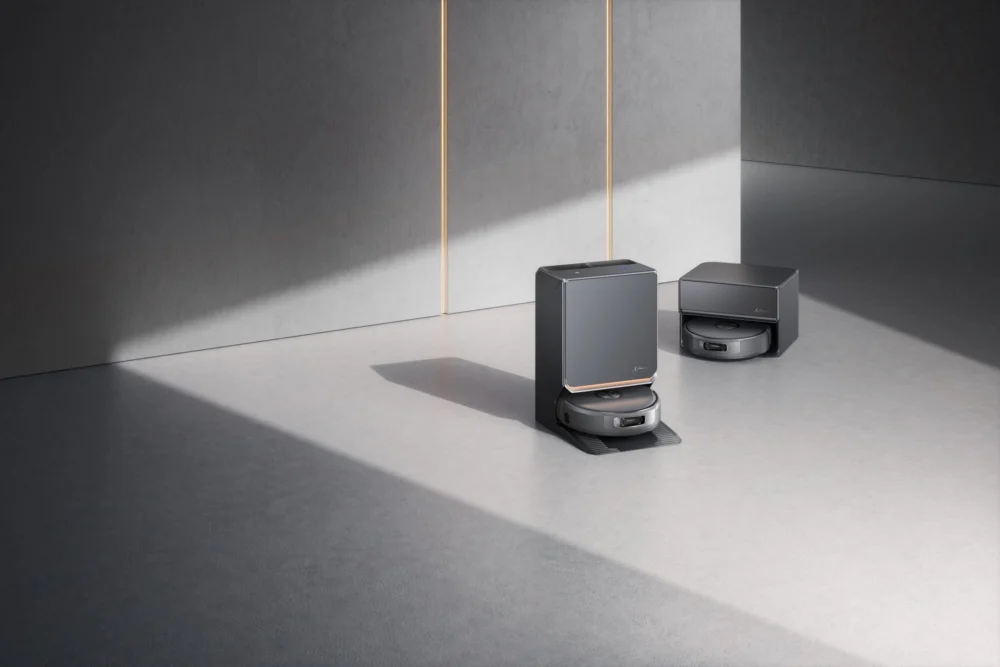
The consumer robotics sector is undergoing a profound transformation, shifting the utility of automated cleaning appliances from simple navigation and dirt removal toward active, cognitive participation in domestic life. At the recent Consumer Electronics Show (CES), Narwal introduced its latest flagship model, the Flow 2 robot vacuum, which epitomizes this evolution by embedding advanced artificial intelligence and dual-camera vision systems capable of performing complex monitoring tasks, including pet surveillance, sensitive zone management, and the identification and avoidance of valuable household items. This strategic incorporation of deep learning models marks a significant pivot in the industry, redefining the expected functionality of automated floor care devices.
The Architectural Shift: Moving Beyond Basic SLAM
Historically, robot vacuums relied heavily on Simultaneous Localization and Mapping (SLAM) technology, often utilizing LiDAR or basic visual sensors to create 2D blueprints of the home for navigational purposes. The Flow 2 elevates this computational architecture substantially. It is equipped with two 1080p high-definition RGB cameras, providing a broad 136-degree field of view. This dual-camera setup is instrumental not just for improved environmental mapping and obstacle avoidance, but for initiating true object recognition capabilities powered by sophisticated on-device AI models.
The decision to integrate dual high-resolution cameras moves the device into the realm of computer vision, allowing it to interpret the environment contextually rather than merely sensing distance and geometry. This visual data is processed through a complex tech stack designed for scalability: the device first attempts to perform object identification using local, on-device inference engines. This approach ensures rapid reaction times—critical for functions like immediate obstacle avoidance—and offers enhanced user privacy by minimizing the transmission of sensitive visual data. Should the local models fail to match an object against its established library, the data is securely sent to the cloud for further, more intensive processing, allowing the Flow 2 to continuously learn and identify what Narwal asserts is an "unlimited number of objects." This hybrid local-cloud processing model is central to achieving the broad, multi-utility functions promoted in the new device generation.
Tri-Modal Functionality: Integrating Care and Convenience
The Flow 2 distinguishes itself through three dedicated, AI-driven operational modes—Pet Care, Baby Care, and AI Floor Tag—each tailored to address specific household management challenges that extend far beyond routine cleaning.
The Pet Care Mode transforms the vacuum into a mobile, autonomous monitoring system. Beyond simply adjusting suction power for zones prone to high pet hair accumulation, users can define specific rest or play areas that require targeted cleaning protocols. Crucially, the embedded camera and audio systems facilitate remote pet monitoring, allowing owners to visually check in on their animals and even engage in two-way audio communication. While the practical success of commanding a dog via a floor robot remains debatable, the surveillance and interaction capability provides a novel layer of connectivity and peace of mind for pet owners.
The Baby Care Mode focuses on creating a safe and undisturbed environment. When operating near defined sensitive areas, such as a crib or playpen, the Flow 2 automatically shifts into a dedicated quiet cleaning profile, minimizing noise disruption. More significantly, the object recognition capabilities are leveraged to identify misplaced baby toys or choking hazards. By notifying users of objects left outside designated storage areas, the robot becomes an active partner in maintaining a safe, clutter-free space, alleviating the organizational burden often associated with raising small children.

Perhaps the most compelling demonstration of the cognitive shift is the AI Floor Tag Mode. This feature directly solves one of the most persistent frustrations of owning early-generation robot vacuums: the risk of ingesting valuable, small items. The Flow 2’s vision system is trained to recognize high-value, small items like jewelry, coins, or delicate electronics. Upon identification, the robot registers the item’s location, avoids the area entirely to prevent accidental ingestion or damage, and sends a precise notification to the user detailing where the valuable object has been found. This essentially transforms the vacuum from a potential destroyer of valuables into a proactive digital lost-and-found system.
Advanced Cleaning Engineering
Beyond the sophisticated software layer, the Flow 2 incorporates significant hardware enhancements focused on superior cleaning performance and reduced user maintenance. The device features an optimized rounded design and easy-lift tanks, simplifying water and waste management. It boasts four distinct cleaning modes capable of differentiating various types of floor dirt and debris, allowing for hyper-customized cleaning intensity.
A key mechanical advancement is the system for mop maintenance. The robot possesses the capability to autonomously return to its base station, wash its mop heads, and, if the onboard sensors detect lingering soil or residue, return to the specific area for a targeted re-mopping sequence. Furthermore, Narwal engineered the Flow 2’s docking station to facilitate a higher hot water washing temperature than many competing models. This elevated thermal cleaning process significantly improves the sanitation of the mop, ensuring better hygiene and more effective removal of grease and stubborn stains from hard floors.
The introduction of the Flow 2 was accompanied by two supplementary devices: the handheld U50 vacuum, designed for targeted cleaning, which features a lightweight profile (1.41kg or 3.1 lbs) and advanced sterilization features, including UV-C light and heat treatment for comprehensive allergen removal. The company also showcased an unnamed cordless stick vacuum, emphasizing a slim design, 360-degree swivel maneuverability, and a robust 50-minute runtime, coupled with an auto-empty station capable of storing dust for up to 60 days, rounding out Narwal’s complete floor care ecosystem.
Industry Implications and Market Context
Narwal’s aggressive push into cognitive robotics signals a broader, irreversible trend in the smart home appliance market. For years, the competition among robot vacuum manufacturers—primarily between major players like iRobot, Roborock, and Ecovacs—centered on improvements in battery life, suction power, and navigation speed. The Flow 2 changes the competitive metric entirely, prioritizing visual intelligence and contextual awareness over raw mechanical specification.
This shift has profound implications. First, it accelerates the convergence of cleaning robots and mobile home security/monitoring devices. As these appliances become highly mobile camera platforms, they start to directly compete with stationary smart cameras, offering real-time, ground-level views of the home environment. Second, the reliance on advanced computer vision hardware (dual 1080p cameras) and sophisticated AI models raises the barrier to entry for smaller manufacturers, pushing the market toward companies that can successfully manage complex data processing pipelines and train vast object recognition libraries. The focus is no longer on where the robot cleans, but what it sees and how it interprets its surroundings.
Expert Analysis: The Challenge of Privacy and Edge Computing
The integration of high-definition cameras operating continuously within private residences demands critical analysis regarding data security and user privacy. While the functional benefits—locating lost jewelry or monitoring children—are clear, the inherent risk associated with granting a networked device 360-degree visual access to the home is substantial.

Narwal’s technical solution, emphasizing local processing for the initial identification stage, is a necessary and responsible architectural choice. By performing on-device inference (Edge AI), the system minimizes the transmission of raw, sensitive visual data across the internet. However, the mechanism for cloud processing of unmatched objects requires rigorous data governance protocols. Journalists and privacy experts must scrutinize how the company ensures the anonymization, encryption, and secure handling of data sent for cloud-based model learning. The long-term success of cognitive robots hinges not only on their intelligence but on consumer trust regarding the security of their domestic visual data. If consumer confidence falters, adoption will stall, regardless of the technological prowess.
Furthermore, the concept of identifying an "unlimited number of objects" presents a formidable machine learning challenge. It suggests a dynamic, continuously updated model library, likely leveraging transfer learning from broader vision datasets. The efficiency of this learning pipeline—how quickly and accurately the robot can learn to recognize a user-defined, novel object (e.g., a specific brand of medication bottle or a unique cultural artifact)—will be a key differentiator in real-world performance. This capability moves the robot from identifying categories (e.g., "toy") to identifying instances (e.g., "Sarah’s blue unicorn toy"), which requires vastly more robust computational resources and data throughput.
Future Impact and Smart Home Integration Trends
The Flow 2 represents a significant step toward the truly proactive smart home—a home environment where devices do not merely execute pre-programmed commands but actively analyze the state of the living space and provide actionable insights.
Looking forward, this level of visual cognition opens up numerous avenues for expanded utility:
- Inventory Management: A cognitive robot could evolve into a mobile inventory manager, tracking the placement of specific items (keys, wallets, remote controls) throughout the day, responding to queries like, "Where did I leave my reading glasses?"
- Environmental Diagnostics: The high-resolution cameras could be trained to identify hazards beyond simple clutter, such as detecting small water leaks, signs of pest infestation, or early wear-and-tear on baseboards and flooring, triggering maintenance alerts.
- Cross-System Automation: As smart home protocols mature (e.g., the wider adoption of Matter), the Flow 2’s visual data could integrate with other systems. For instance, if the robot identifies a pet sleeping in a defined area, it could instruct the thermostat to adjust the local temperature or the lights to dim, creating a seamless, adaptive environment based on real-time observation.
In essence, the vacuum cleaner is shedding its identity as a purely functional maintenance tool and is transforming into a mobile, ubiquitous sensor platform—a low-profile, high-utility agent that contributes to safety, organization, and connectivity. This convergence of mobility, computer vision, and deep learning is rapidly accelerating the timeline for truly autonomous household assistants. Narwal’s Flow 2 is not just a cleaning device; it is an early iteration of the mobile cognitive robot, fundamentally altering expectations for how technology interacts with our most private spaces.