

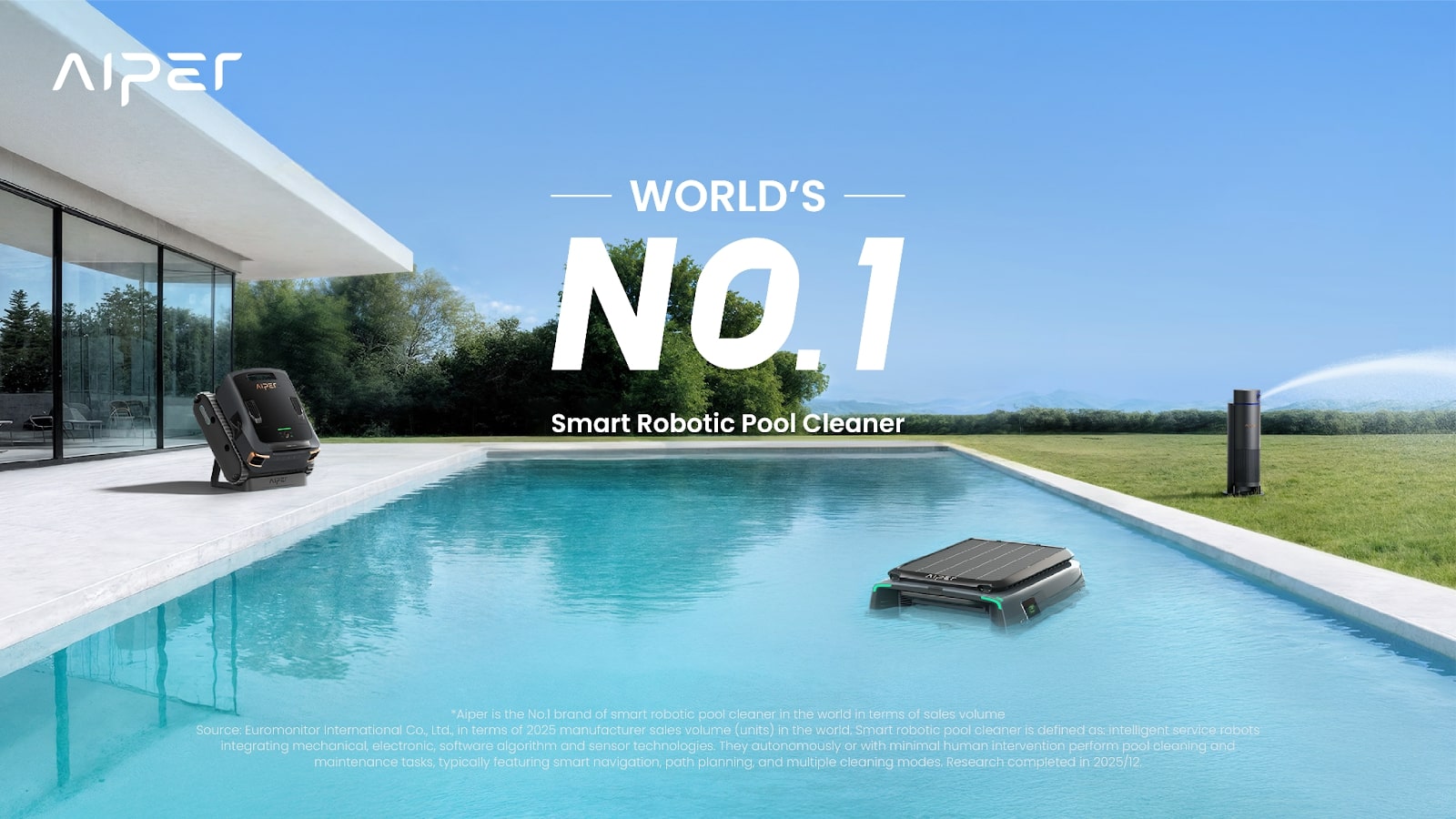
The relentless pursuit of domestic automation has long focused on interiors—cleaning floors, managing climate, and securing premises. However, the external domain, the backyard, has often lagged, remaining a significant source of manual labor and maintenance overhead. For homeowners with recreational water features or extensive landscaping, the routine of pool upkeep and lawn irrigation represents a perpetual chore, detracting from the enjoyment of their property. Aiper, positioning itself as the global leader in smart robotic pool cleaning solutions (based on 2025 manufacturer sales volume data verified by Euromonitor International), has stepped firmly into this maintenance void, presenting a suite of highly intelligent, interconnected devices at CES 2026 that signal a true shift toward autonomous yard management. This year’s showcase centered on pushing the boundaries of localized artificial intelligence, moving beyond simple pre-programmed routines to create systems that genuinely perceive and adapt to their environment.
The context for Aiper’s unveiling is a maturing smart home market where consumers demand more than just connectivity; they demand proactive utility. Early robotic pool cleaners were revolutionary for automating basic debris collection, but they often relied on predetermined, grid-based patterns or required significant manual oversight regarding water chemistry and deep cleaning. Aiper’s strategy, crystallized in their 2026 product stack, is to integrate advanced machine vision and machine learning directly into the core of their hardware, transforming these tools from reactive devices into genuinely cognitive assets for exterior property maintenance.
The Cognitive Leap: Aiper Scuba V3 Series Redefines Pool Maintenance
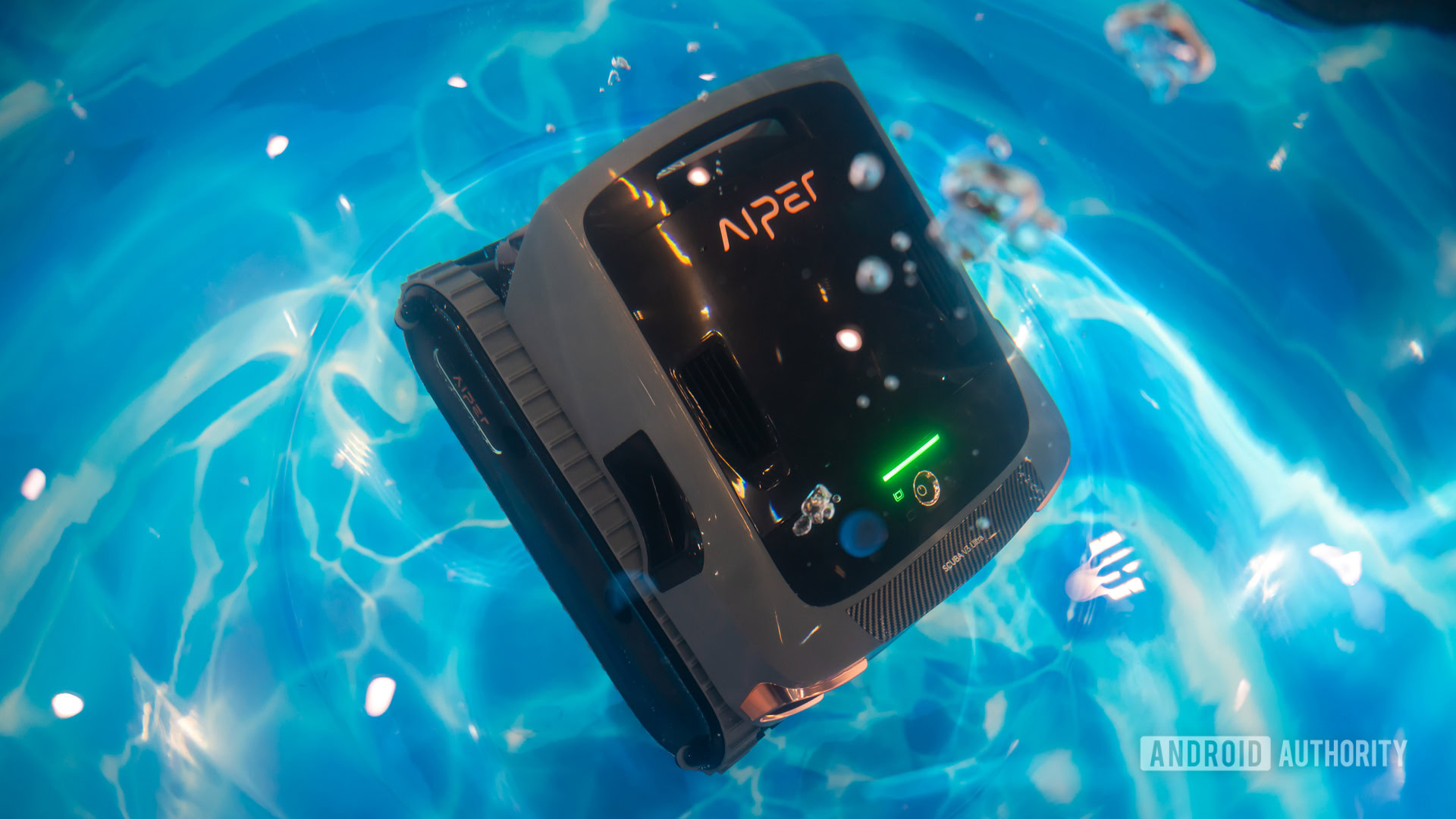
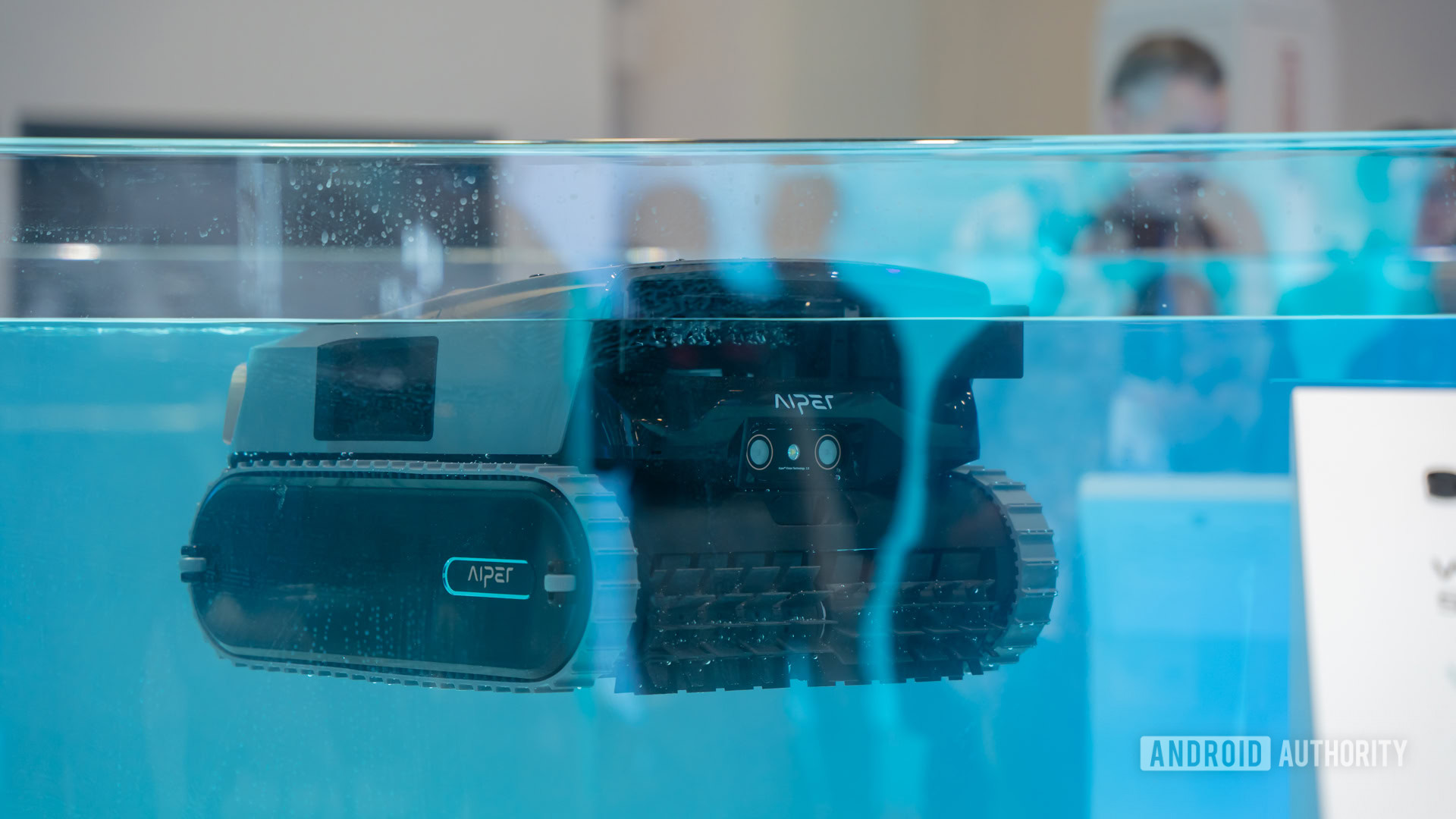
The centerpiece of Aiper’s presentation was the new Scuba V3 robotic pool cleaner series, which earned recognition as a CES 2026 Innovation Award honoree. The defining characteristic across all three models—the Scuba V3, V3 Pro, and the flagship V3 Ultra—is the incorporation of what Aiper terms "Cognitive AI." This is not merely advanced pathfinding; it represents a closed-loop learning system.
At the heart of this intelligence lies the Cognitive AI Navium™ Mode paired with VisionPath™ adaptive navigation. This architecture allows the robot to continuously cycle through sensing, interpretation, decision-making, and environmental adaptation. Unlike previous generations that might sweep a pool floor based on a pre-set algorithm, the Scuba V3 series analyzes real-time variables. This analysis incorporates pool geometry, historical contamination levels (e.g., knowing that the area under a specific tree always accumulates more debris after a wind event), and current weather data, allowing the robot to dynamically adjust its cleaning intensity, frequency, and pattern execution.
The Scuba V3 Ultra serves as the apex of this technological push, moving toward comprehensive, hands-off pool stewardship. It functions as a world’s first 6-in-1 cleaner, handling not only the pool floor and walls but also meticulously tracing the waterline—a notoriously difficult area for grime and algae adhesion. Critically, it extends its operational envelope to include 20cm shallow areas, a zone often neglected by traditional suction or pressure cleaners. Furthermore, the Ultra integrates an active chemical dosing capability via an onboard chlorine tablet chamber, subtly treating the water while it cleans.
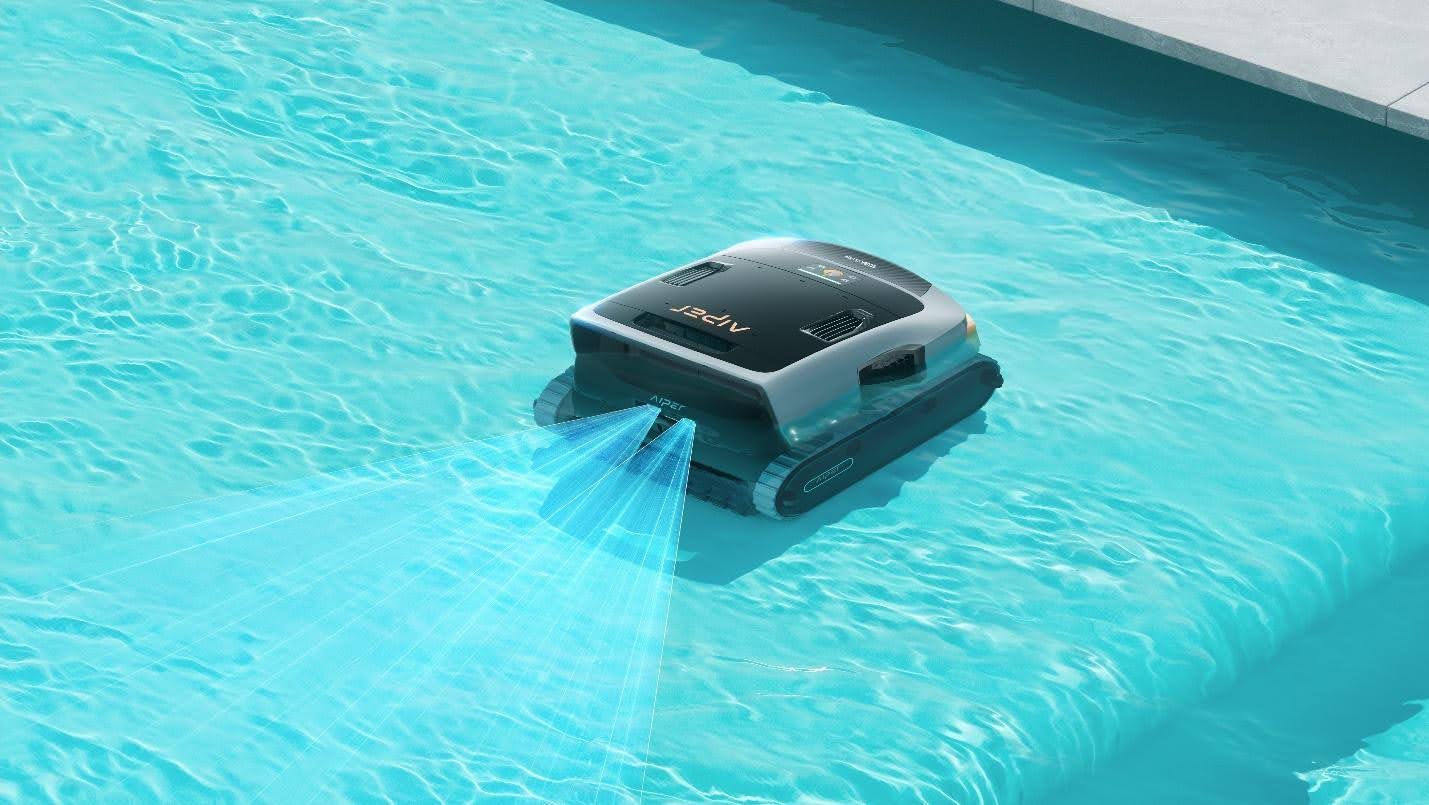
The most significant differentiator for the Ultra, and a clear indicator of industry direction, is its AI-powered dual-camera system. This sensor array grants the robot object recognition capabilities, capable of distinguishing over 20 different types of common pool debris and obstacles. More sophisticated than simple detection, the system measures distance to these objects. This enables intelligent deceleration and focused, prolonged scrubbing upon approach—a "one-pass clean" assurance that maximizes efficiency by preventing the robot from rushing past high-concentration contamination zones.
From an engineering standpoint, the successful retrieval of the robot post-cleaning has always been a logistical friction point. Aiper addresses this with the JellyFloat™ Energy-Smart Lift Engine. This proprietary technology utilizes active air cushions to dynamically balance the robot’s buoyancy upon task completion. This engineered ascent ensures a smooth, controlled climb to the water surface without struggling against surface tension or requiring external assistance, reinforcing the promise of true autonomy.
Industry Implications: The Maturation of Outdoor Robotics
Aiper’s unveiling at CES 2026 highlights a critical inflection point in the home robotics sector. For years, robotic vacuuming dominated headlines. Now, the focus is expanding outward to encompass the entire property envelope. This expansion into outdoor automation—pool care, irrigation, and potential future integration with lawn care—suggests that consumers are prepared to invest in high-value, specialized robotic solutions that deliver measurable time savings and resource optimization.
The competitive landscape is responding to this cognitive shift. Competitors are now forced to match or exceed Aiper’s implementation of AI vision in debris identification and dynamic path planning. The industry is rapidly transitioning from "smart" (app-controlled) to "cognitive" (self-optimizing). This requires significant investment in edge computing within the hardware itself, enabling rapid, localized decision-making without constant cloud reliance, which is crucial for reliability in varied outdoor environments.
Furthermore, the integration of chemical management within the Scuba V3 Ultra sets a precedent for holistic pool maintenance. Future market leaders will likely need to bridge the gap between physical cleaning and chemical balancing, perhaps integrating with advanced sensor arrays that monitor TDS, alkalinity, and calcium hardness, feeding that data back to the robot for preemptive adjustments.
Precision Agriculture Meets Residential Landscaping: The IrriSense 2
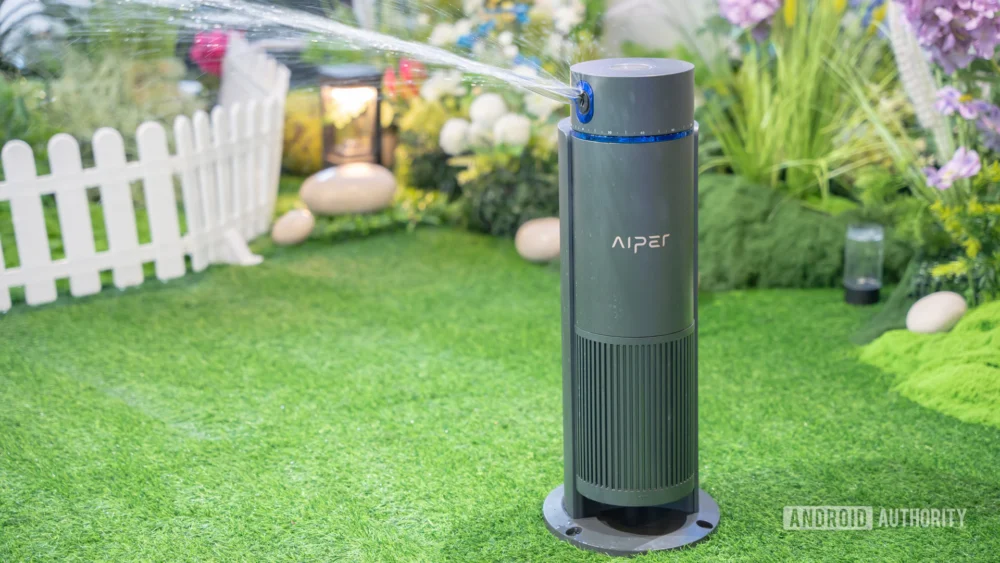
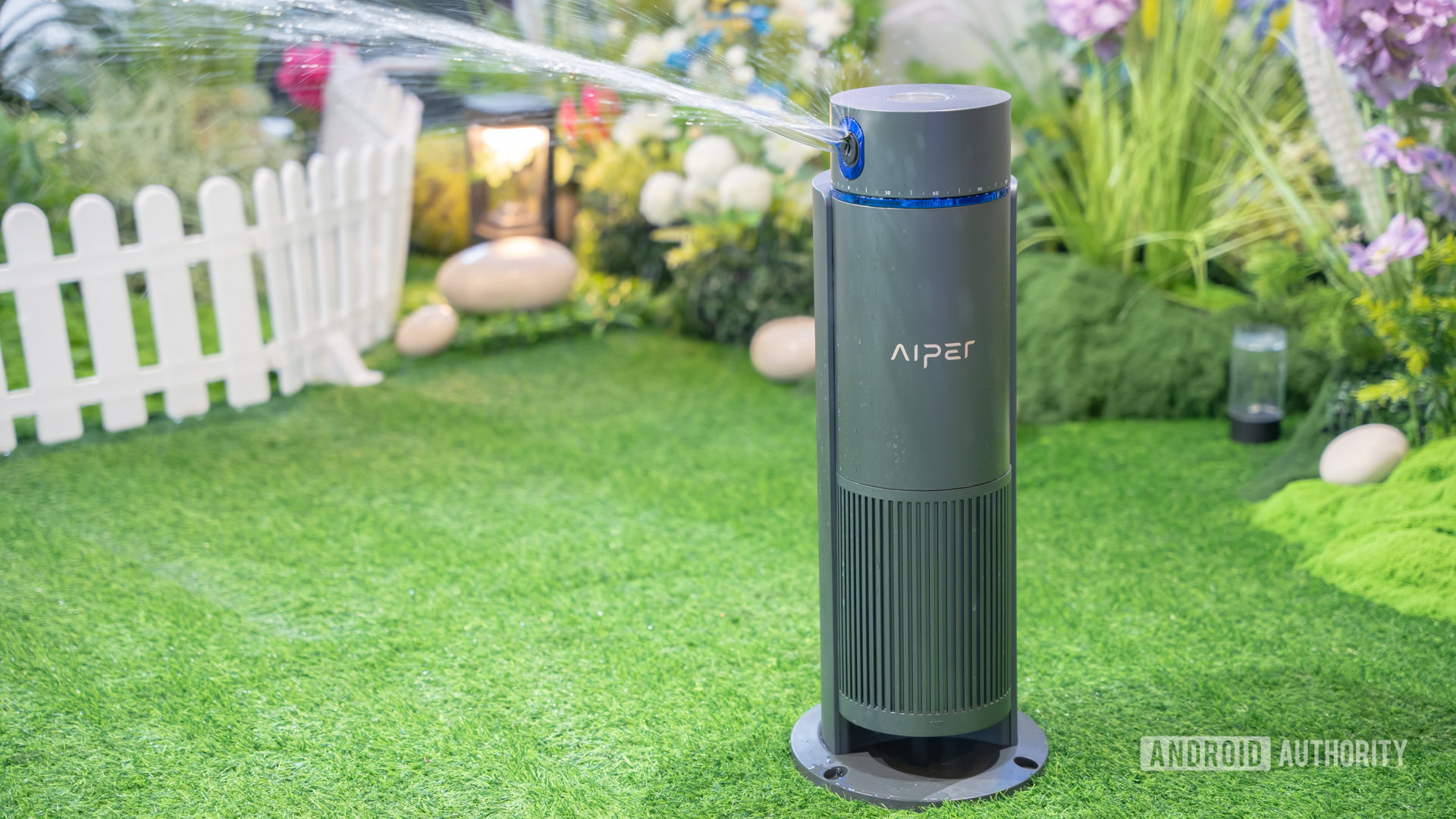
Complementing the pool technology, Aiper introduced the IrriSense 2, billed as the world’s first 4-in-1 Multi-Zone Smart Irrigation System. Residential water management is a major concern globally, driven by climate change volatility and rising utility costs. The IrriSense 2 directly targets this inefficiency by integrating four key functions into one unit: the primary controller, a rotor sprinkler, an electric valve, and a dedicated nutrient feeder.
The system is designed for moderate to large yards, capable of covering up to 445 square meters. The key innovation here is granular control over topography. Users map their yard via the Aiper app, defining up to 10 distinct zones using point, line, and area mapping tools. This moves beyond the simple sector division common in older controllers.
The tangible benefit is significant water conservation, cited at up to 40%. This is achieved by eliminating overspray onto impervious surfaces like driveways and sidewalks, and crucially, by tailoring watering schedules based on specific plant needs. The ability to differentiate watering requirements for, say, a sunny flower bed versus a shaded vegetable patch, represents a significant advancement over the blanket schedules of previous smart sprinklers.
Environmental awareness is built in via the Weather-Sense Response System. This system intelligently overrides scheduled watering based on real-time or forecasted weather data, such as precipitation or high wind speeds, preventing needless water expenditure. The TUV-Certification for water pressure stability also speaks to the underlying engineering robustness required for reliable operation across varied municipal supplies. The advertised 15-minute self-installation process further lowers the barrier to entry for sophisticated water management technology.
Integrated Water Quality: The EcoSurfer Senti Skimmer
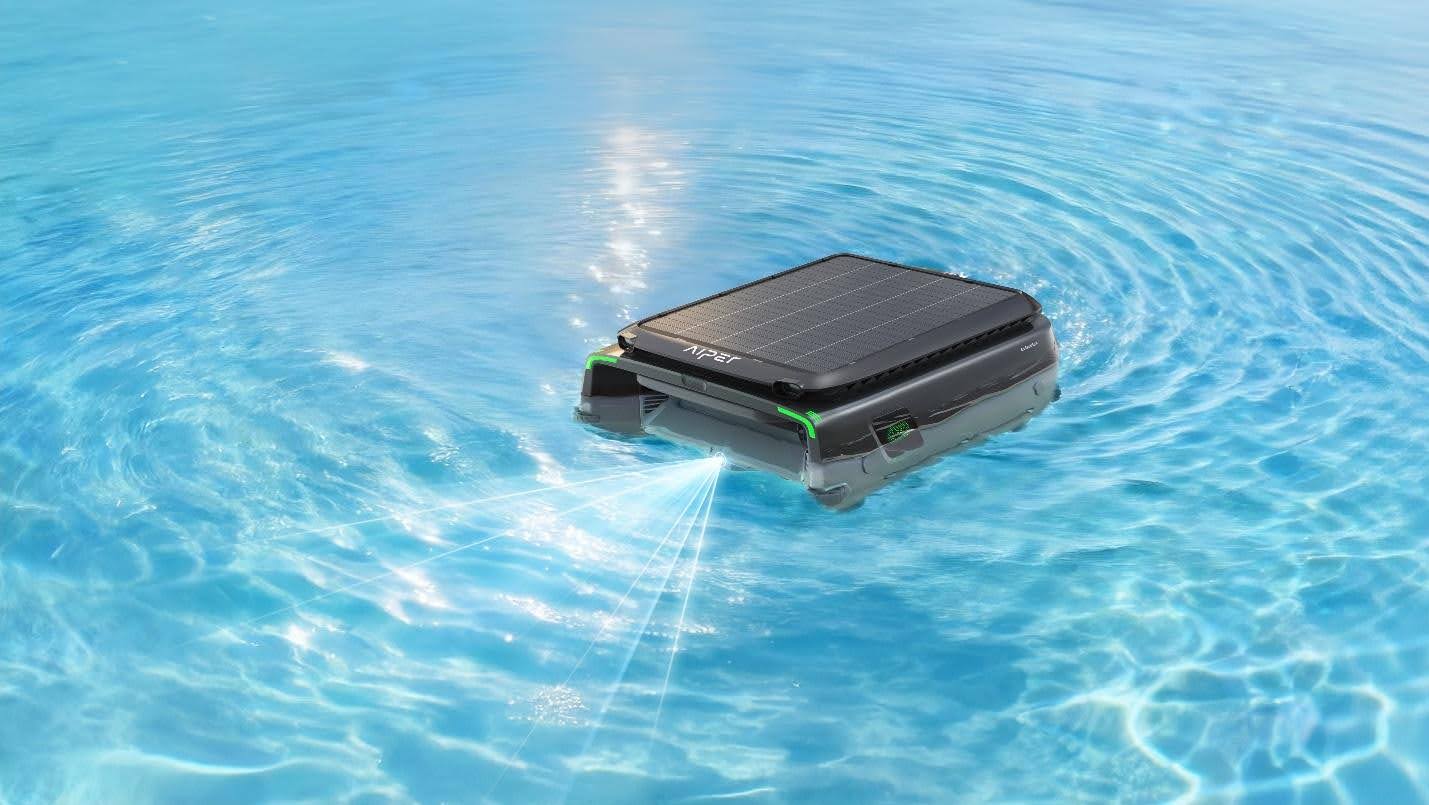
The third pillar of Aiper’s ecosystem strategy is the EcoSurfer Senti, an AI-powered, solar-powered surface skimmer that integrates essential pool chemistry monitoring. Pool surfaces are the first line of defense against contamination, collecting leaves, pollen, and surface oils. The Senti enhances this basic function with intelligence.
Operating on solar power provides the advantage of potentially continuous operation without battery anxiety, essential for maintaining surface cleanliness between robotic cleaner cycles. Its AI camera, boasting a 2-meter detection range, also utilizes the multi-object recognition database (over 20 types of debris), enabling cleaning speeds up to 10 times faster than conventional surface skimmers by prioritizing heavily soiled areas.
The DebrisGuard™ feature aims to solve the frustrating issue of debris overflow and leakage common in traditional skimmers, ensuring that once debris is collected, it stays collected. Filtration is also highly refined, utilizing a 150-micron fine filtration basket capable of capturing microscopic particles.

Where the Senti truly advances the category is in its proactive water quality assessment. It continuously monitors four critical parameters: pH (with high precision of ±0.2), free chlorine levels, Oxidation-Reduction Potential (ORP, ±1 mV), and water temperature (±0.5°C). This data stream transforms the Senti from a simple debris collector into a constant diagnostic tool for the entire pool environment, offering homeowners immediate alerts regarding chemical imbalances before they escalate into algae blooms or corrosion risks.
The Vision for the Smart Yard Ecosystem
The collective deployment of the Scuba V3 series, IrriSense 2, and EcoSurfer Senti demonstrates Aiper’s overarching ambition: to establish a cohesive, interoperable smart yard operating system. The synergy between these devices is where the long-term value proposition lies.
Imagine a scenario: The EcoSurfer Senti detects a drop in free chlorine levels following heavy bather use. This chemical reading is instantly communicated via the Aiper app ecosystem. Simultaneously, a forecast predicts several days of intense sunlight and high temperatures. The Cognitive AI Navium™ mode in the Scuba V3 Ultra receives this data and schedules an immediate, intensive cleaning cycle focusing on the pool floor, followed by an increased chemical dosing cycle (via the onboard chlorine chamber) to proactively combat potential algae growth stimulated by the UV exposure.
In the landscape domain, if the IrriSense 2 detects a week of high rainfall via its weather sensor, it automatically pauses all irrigation cycles for the next 72 hours. If, however, the Senti reports unusual organic matter buildup indicating heavy leaf fall, the pool cleaner’s cleaning schedule is automatically boosted, perhaps focusing on a specific quadrant of the pool, while the irrigation system remains paused.
This level of interconnected, environment-aware decision-making represents the future of home maintenance automation. It moves the homeowner from the role of manager to supervisor, requiring only periodic verification of the system’s performance rather than daily or weekly manual intervention.
Future Trajectories and Technological Hurdles
Aiper’s strong showing at CES 2026 solidifies the trend toward highly specialized, domain-specific robotics powered by on-device AI. The industry is increasingly recognizing that generalized home robots (like vacuum/mop combos) are insufficient for complex, variable outdoor tasks.

The next technological hurdles for Aiper and its peers will involve deeper integration with municipal utility grids for peak-time usage optimization (e.g., running high-draw cleaning cycles when energy rates are lowest) and developing predictive maintenance algorithms that anticipate component failure before it occurs. For the pool cleaners, improving battery technology to maintain the demanding power requirements of AI processing and high-lift motors across longer operational windows remains key. For the IrriSense 2, enhancing sensor fusion to incorporate soil moisture readings directly, rather than relying solely on weather forecasts, will unlock further water savings.
The commercial success Aiper has achieved provides the necessary capital to drive this intense R&D cycle. By establishing itself as the market leader in the most complex segment (pool cleaning), Aiper gains credibility to expand into adjacent, high-value maintenance sectors like sophisticated irrigation. The CES 2026 reveals confirm that the era of the truly autonomous, self-managing smart yard is not just on the horizon—it has arrived, driven by cognitive artificial intelligence housed within purpose-built hardware. Homeowners are increasingly trading manual labor for technological oversight, and Aiper is aggressively building the platform to facilitate that trade.