

The year 2025 in the Android ecosystem was not merely a series of predictable hardware refreshes and iterative software updates; it was a period marked by significant, often perplexing, strategic shifts and genuine technological breakthroughs. While flagship launches from titans like Samsung, with its cautiously refined Galaxy S25 series, and the generally well-received, mid-range powerhouse, the Pixel 9a, set the expected baseline, the narrative was ultimately driven by several headline-grabbing developments that genuinely stunned industry observers and consumers alike. These events challenged long-held assumptions about manufacturer priorities, hardware capabilities, and the very philosophy underpinning the open nature of the Android platform.
To contextualize these surprises, 2025 represented a maturation point for several key technologies. Foldables were expected to gain durability, chipset wars were escalating, and battery technology was on the cusp of a major leap. Yet, the path taken by key players often deviated sharply from the anticipated trajectory, leading to moments of disbelief—some positive, some deeply concerning.

1. Samsung’s Calculated Retreat: The De-featuring of the S Pen
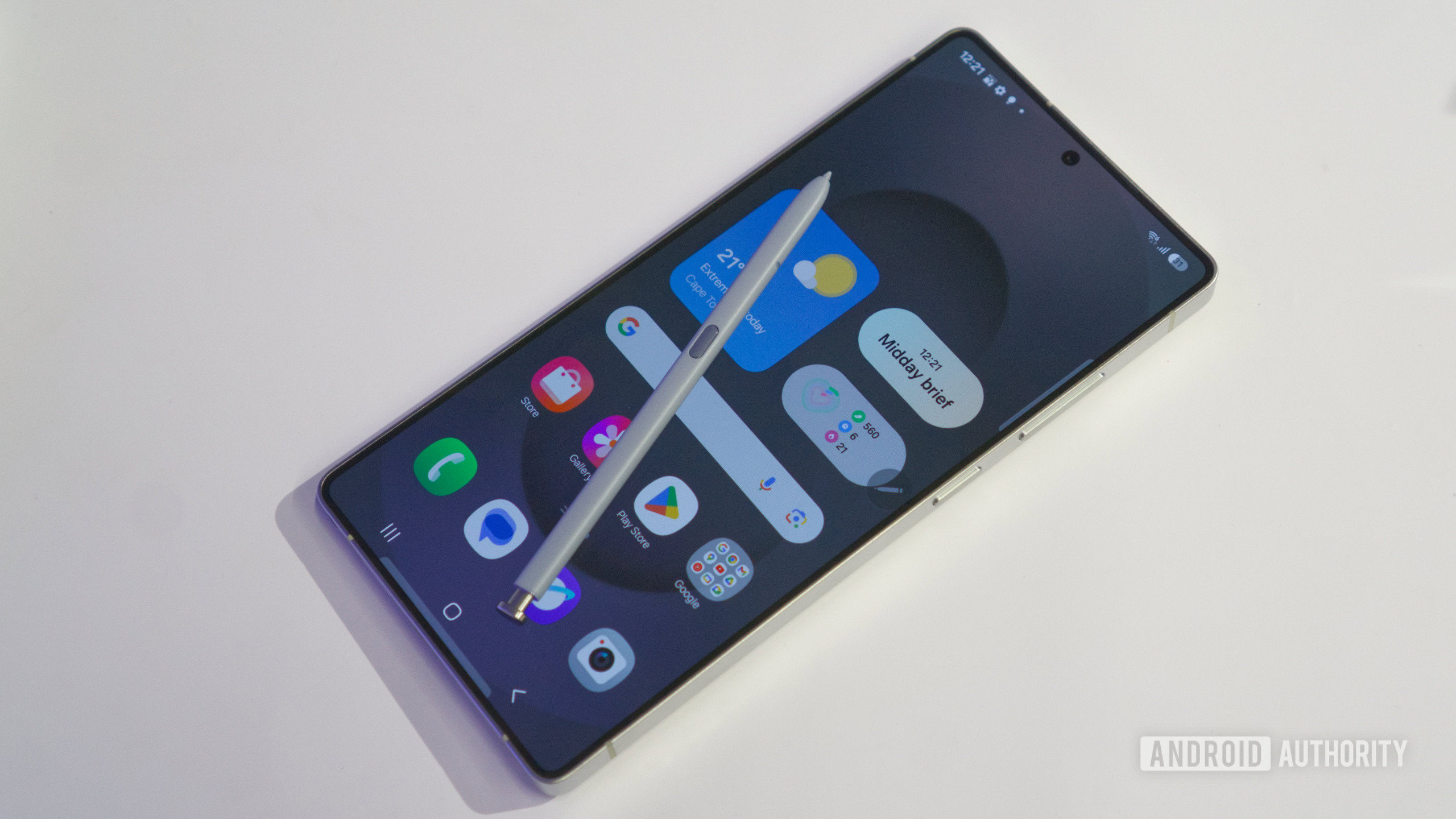
For years, the S Pen has been the defining feature of Samsung’s Ultra line, a stylus integrated since the Galaxy S22 Ultra that constantly competed with internal component space, particularly the battery. The prevailing industry logic suggested Samsung had two logical paths for the Galaxy S25 Ultra: either fully commit to the stylus, perhaps expanding its capabilities further, or excise it entirely to free up crucial volume for a larger power cell or advanced cooling systems. The reality that emerged was far more bewildering.
Samsung chose a middle ground that felt like an active regression: the Galaxy S25 Ultra S Pen shipped without its integrated Bluetooth Low Energy (BLE) functionality. This decision immediately gutted the S Pen’s utility, stripping away popular "Air Actions"—remote shutter control, media navigation, and gesture-based commands—that had become staples for power users. The strategic implication was deeply confusing. If Samsung intended to maintain the stylus’s niche appeal, removing core functionality seemed counterintuitive. If the goal was cost reduction or space saving, a partial removal felt like a half-measure that alienated its most dedicated fanbase.
Adding insult to injury, the replacement styluses, necessary for users who lost or damaged the original, were priced identically to the previous, fully featured S Pen. This pricing parity for a functionally inferior accessory suggested either severe internal supply chain issues or a baffling disregard for perceived customer value. In the high-stakes premium segment, where incremental feature gains define product success, this backward step stands out as one of the year’s most questionable corporate decisions, signaling a potential internal struggle over the future role of integrated peripherals.
2. The Tensor G5’s Curious Graphics Compromise
Google’s commitment to its in-house Tensor chip architecture has always been a high-risk, high-reward endeavor, prioritizing machine learning and AI processing over raw graphical muscle. In 2024, reports indicated a significant architectural pivot for the Tensor G5 powering the Pixel 10 series: a switch from the established ARM Mali GPUs to an Imagination Technologies PowerVR DXT-48-1536 unit. This shift was widely anticipated to cause turbulence, but the specific outcomes were unexpectedly uneven.
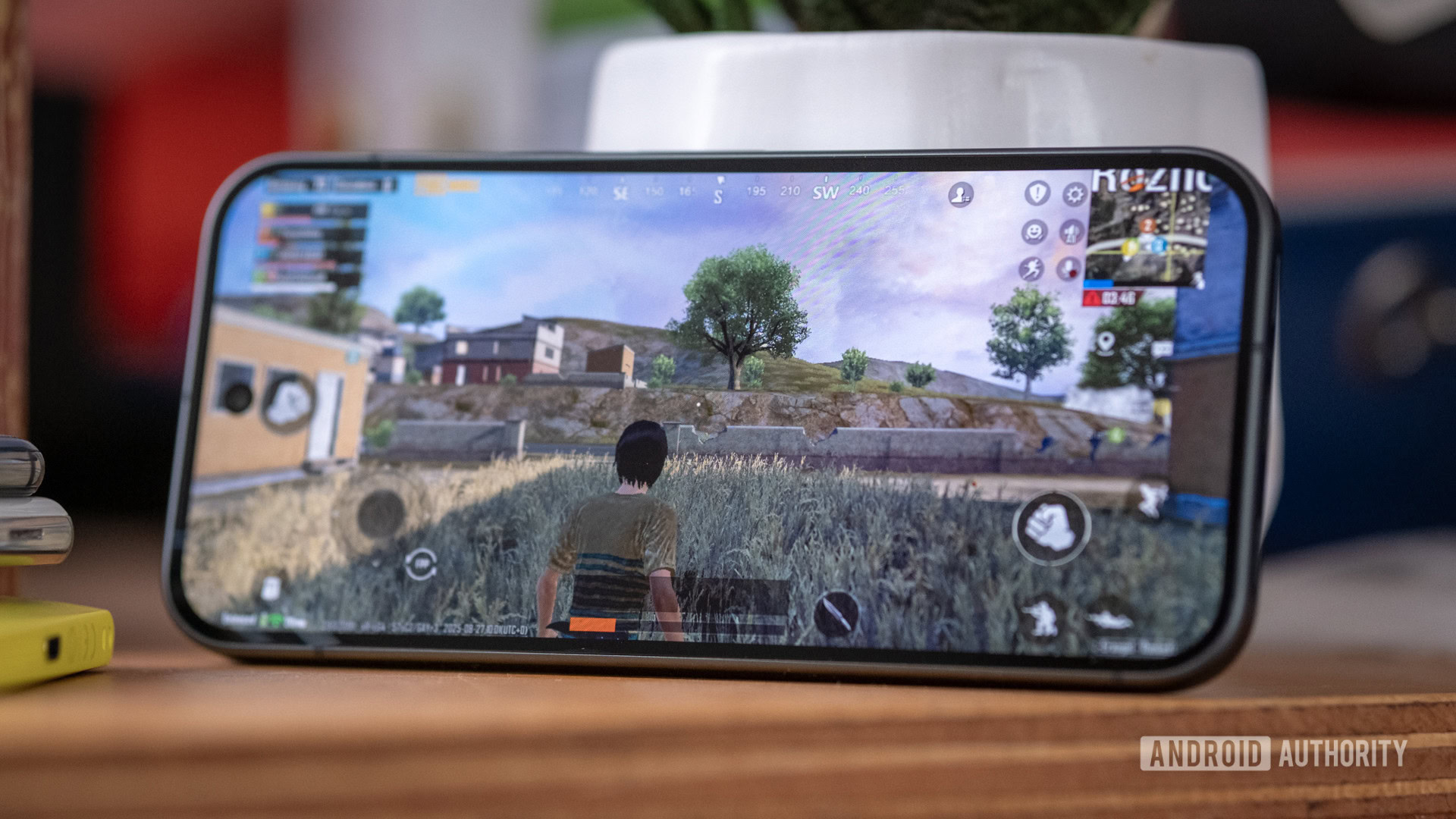
Benchmark data confirmed that the Tensor G5 achieved higher peak GPU scores than its predecessor, the Tensor G4 in the Pixel 9. This suggested a theoretical advancement. However, real-world stress testing revealed a critical flaw: sustained performance stability plummeted. The G5 throttled aggressively under load, resulting in significantly lower long-term frame rates compared to the older chip.
The impact on gaming and emulation was particularly harsh. While general application performance remained adequate, specialized tasks that rely on sustained graphical throughput suffered dramatically. The Pixel 10 proved to be a notably poor performer for high-fidelity console emulation—a key activity for many power users—when benchmarked against the Pixel 9 series. While subsequent driver updates in Android 16 QPR releases helped stabilize performance for mainstream titles, the initial regression felt like a step backward in core hardware parity, especially given that the Tensor chips were already trailing Qualcomm and Apple in absolute GPU power. This story underscored the difficulty Google faces in balancing its AI-centric roadmap with the fundamental demands of mobile gaming and high-performance computing.
3. The Open Source Rebellion: Google’s Sideloading Crackdown and ROM Hurdles
The foundation of Android’s flexibility rests on its relative openness, particularly the ability to install applications from sources other than the Google Play Store (sideloading) and the capability to replace the entire operating system with custom firmware (Custom ROMs). In 2025, Google made aggressive moves that threatened both pillars, generating significant backlash from the developer and enthusiast communities.
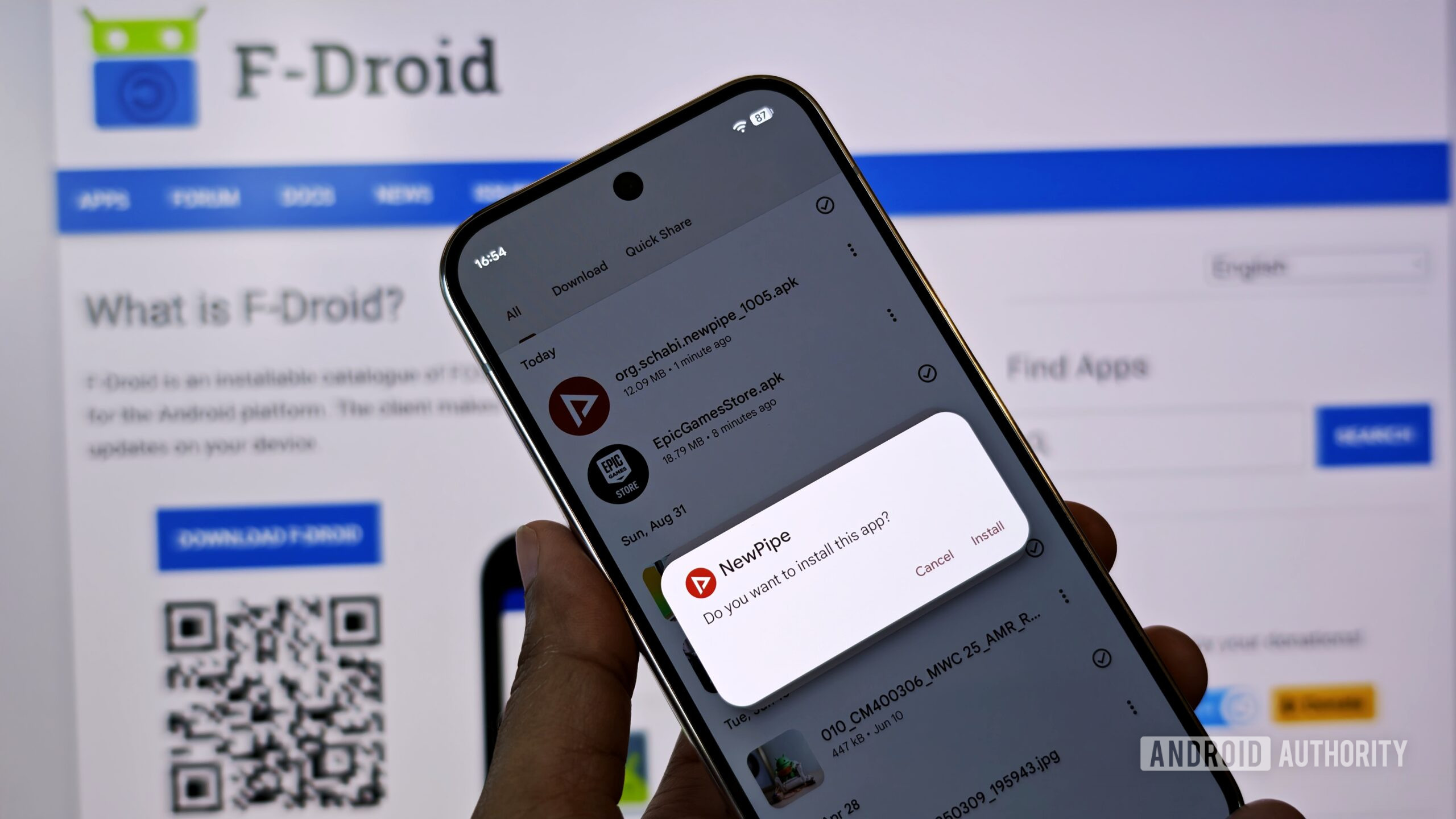
The August announcement regarding new developer verification requirements for sideloaded applications was particularly incendiary. Google mandated that developers of apps distributed outside the Play Store must undergo identity verification. While framed as a necessary measure against malware proliferation—a legitimate concern—the practical effect was to introduce a gatekeeper (Google) for non-Play Store distribution. Alternative storefronts like F-Droid immediately contested this, arguing that Google’s claims of "sideloading not going away" were disingenuous, as the requirement effectively validated Google’s control over app provenance. The ensuing controversy forced Google into a partial retreat, implementing a more cumbersome, though functional, "advanced flow" for advanced users willing to navigate complex warnings to install unverified APKs.
Simultaneously, technical modifications within the AOSP (Android Open Source Project) framework, particularly on Pixel devices, made the process of building and maintaining custom ROMs substantially more arduous. This signaled a growing trend toward OEM hardening of their flagship devices, restricting the deep-level modification that has historically driven innovation and longevity in the Android ecosystem. The industry implication is clear: the era of truly unrestricted Android tinkering is rapidly yielding to a more curated, secure, but ultimately closed environment, driven by security imperatives that clash with user autonomy.
4. The Unforeseen Dawn of PS3 Emulation on Mobile
Perhaps the most purely astonishing development of 2025 was the functional arrival of PlayStation 3 emulation on Android hardware. The PS3, built on the notoriously complex Cell architecture, has long been considered the white whale of console emulation, even on high-end desktop PCs. The expectation within the emulation scene was that viable mobile emulation was still years, if not a decade, away.
This expectation was shattered first by the appearance of the early, albeit controversial, aPS3e emulator, quickly followed by the more robust RPCSX-UI-Android project. While early performance was understandably limited—only running less demanding or highly optimized titles like 3D Dot Game Heroes—the fact that core PS3 rendering was occurring on a mobile SoC was a monumental feat of software engineering. This achievement speaks volumes about the massive leap in mobile processing power and, crucially, the sophistication of modern dynamic recompilation and instruction set translation techniques being applied by independent developers. This development signals a new benchmark for mobile computing potential, proving that today’s flagship Android devices possess computational capabilities that redefine the boundaries of what was once considered feasible for handheld gaming.
5. The Pixel Battery Crisis and the BHA Mandate
The most concerning narrative of 2025 centered on Google’s hardware reliability, specifically regarding the power cells in its Pixel lineup. What began as isolated reports concerning the Pixel 4a and the "Battery Performance Program update"—an opaque software patch that severely degraded battery life—escalated quickly. Consumer watchdogs in Australia issued alerts, revealing that certain Pixel 4a units faced overheating risks due to defective batteries.

Alarmingly, this issue appeared to bleed into newer generations. Reports surfaced of similar battery degradation on the Pixel 6a, leading to consumer alerts in multiple jurisdictions and confirmed incidents of battery swelling, and even fires, related to the faulty batch. Google’s response involved offering replacements for the 7a series due to swelling, indicating a widespread component quality control failure.
The disbelief deepened when Google mandated its new "Battery Health Assistance" (BHA) feature across the Pixel 9a and Pixel 10 series. BHA actively throttles charging speed and limits long-term capacity retention beyond standard degradation curves, purportedly to extend the lifespan of the battery. While battery longevity is a valid concern, implementing mandatory, proactive degradation management immediately following a massive hardware failure crisis suggested to many users that Google was prioritizing perceived long-term battery health over delivering the full potential capacity of the hardware they just purchased. The lack of transparent communication surrounding the root cause of the 4a/6a issues, coupled with the BHA rollout, created an atmosphere of significant consumer distrust regarding Google’s long-term hardware stewardship.
6. Samsung Redefines Foldable Form Factor with the Z Fold 7
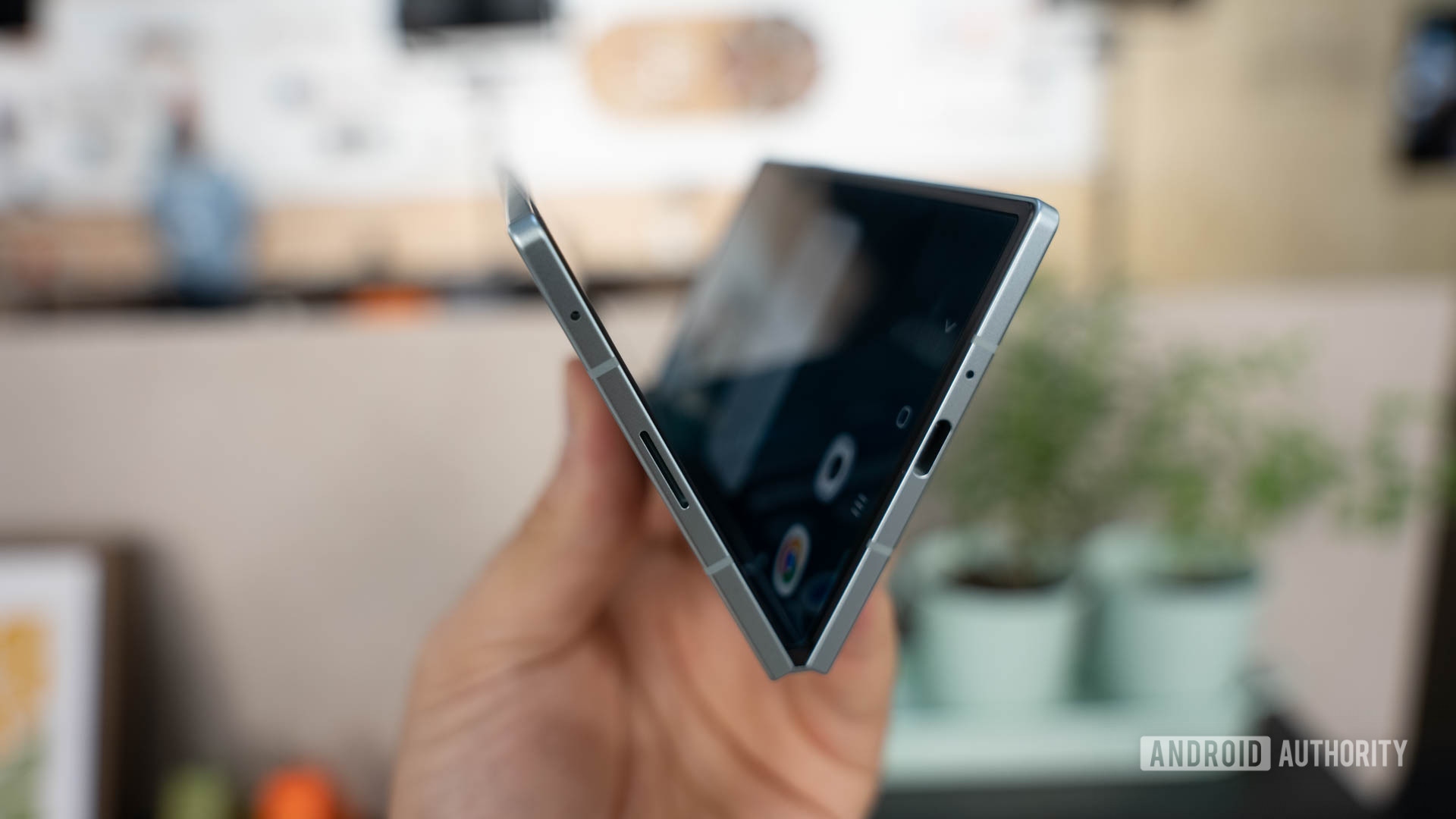
For several generations, Samsung’s Galaxy Z Fold line was synonymous with bulk. They were the undisputed market leaders, but their physical design lagged behind leaner, often more ambitious offerings from Chinese competitors regarding weight and thickness. In 2025, Samsung shocked the market by producing a device that not only matched but potentially surpassed its rivals in fundamental ergonomics.
The Galaxy Z Fold 7 emerged as the lightest book-style foldable on the market. This achievement, rumored to stem from significant advancements in hinge design and material science, addressed the primary criticism leveled against large foldables. Furthermore, when factoring in the industry-wide controversy over measurement standards—where many rivals report thickness only when the device is completely flat, ignoring the hinge area—the Z Fold 7 appeared to be genuinely the thinnest device available when measured conventionally. This suggests Samsung finally cracked the code on structural density without sacrificing durability. The future impact of this engineering triumph is significant; if this reduction in mass and volume trickles down to future S-series flagships, it could fundamentally alter expectations for premium smartphone design.
7. Google Claims the Durability Crown with IP68 Foldable
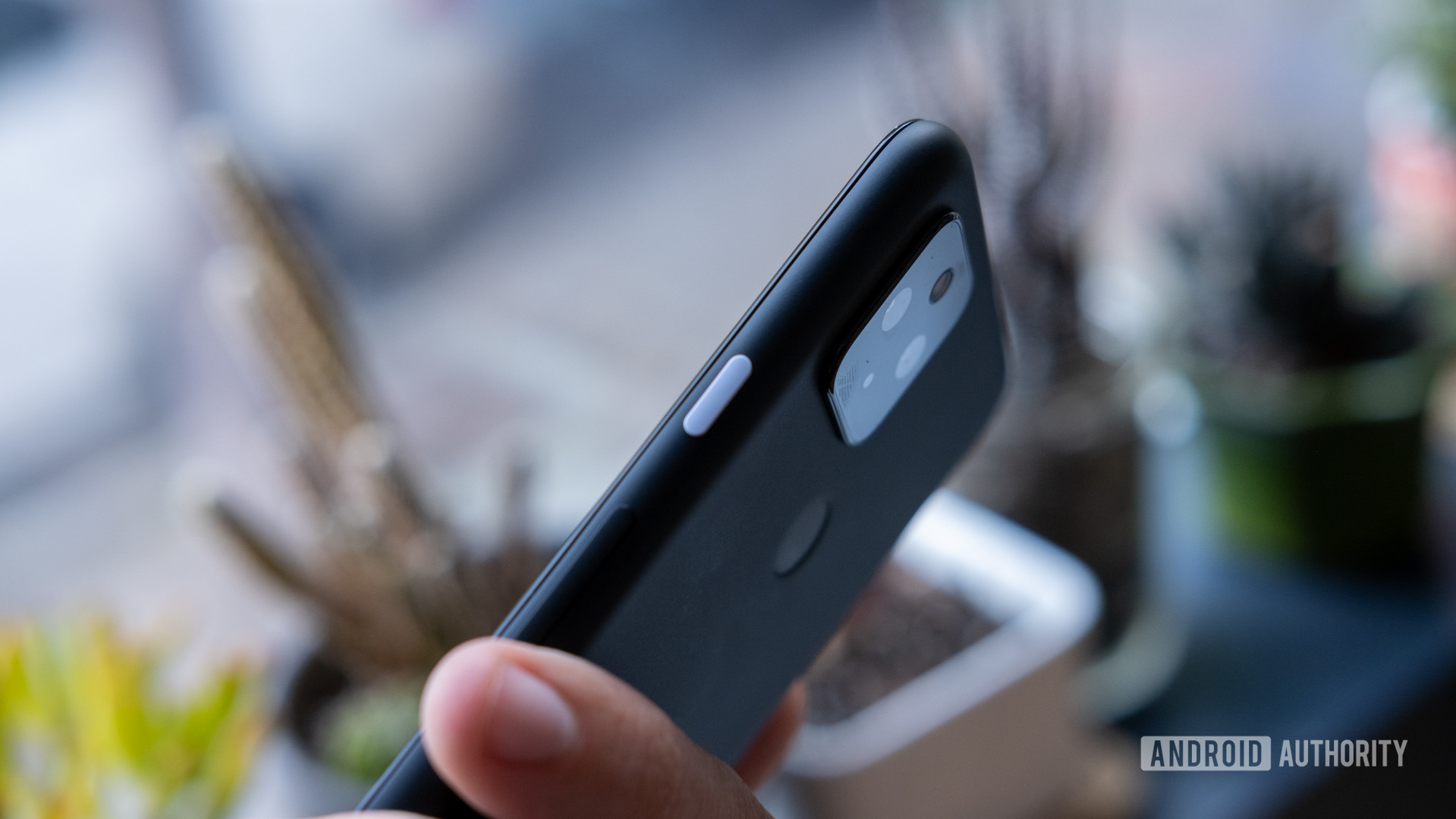
In the realm of hardware innovation, Google has historically positioned itself as a software and AI leader, often letting partners handle the heavy lifting on industrial design and ruggedization. This made the announcement surrounding the Pixel 10 Pro Fold particularly stunning: it became the world’s first foldable smartphone to achieve an official IP68 rating for dust and water resistance.
This is a monumental engineering barrier that had resisted all other major manufacturers, including Samsung, who had consistently opted for an IPX4 rating (splash resistance) due to the complexity of sealing moving parts against fine dust ingress. Google’s achievement, while resulting in a slightly thicker device, instantly legitimized the foldable form factor for mainstream, all-weather use. This singular event elevates the Pixel brand into a hardware innovator status it rarely achieves.
Further bolstering this hardware focus, the Pixel 10 series adopted the Qi2 magnetic charging standard, a feature conspicuously absent from competing flagships like the Galaxy S25 Ultra and OnePlus 13, which required aftermarket cases for magnetic attachment. Moreover, Google extended its repairability focus to wearables, making the Pixel Watch 4—and even the budget-friendly Pixel Buds 2a—user-serviceable, a radical departure from the sealed nature of previous Pixel Watch models.
8. The Unlikely Ascendancy: OnePlus 13 Takes Phone of the Year
For nearly half a decade, the annual "Best Phone" title in the Android sphere often defaulted to the latest Google Pixel, recognizing its superior software integration and AI prowess, even when competitors excelled in raw specifications. OnePlus, while respected for delivering high-spec hardware, frequently suffered from compromises in key areas like camera consistency or official ingress protection ratings.
The OnePlus 13, launched early in 2025, defied these historical limitations. Its combination of flagship performance, refined industrial design (including premium material options like blue leather), and significant improvements in imaging capabilities won over reviewers. The phone was lauded for finally closing the gap with the segment leaders across the board. The collective editorial decision by this publication to name the OnePlus 13 the "Android Authority Phone of the Year" was a genuine shock, ending a multi-year streak of Pixel dominance. This signaled a major shift in market perception, suggesting that a renewed focus on holistic excellence, rather than singular feature dominance (like AI or camera), could propel a manufacturer to the top. The subsequent lukewarm reception of the OnePlus 15, which over-prioritized battery size at the expense of camera refinement, further highlighted the successful balancing act achieved by the 13.

9. The 7,000mAh+ Battery Tipping Point
The slow evolution toward greater battery capacity suddenly accelerated in 2025, driven by a specific technological catalyst: the widespread adoption of silicon-carbon battery chemistry in high-end devices. For years, premium phones stabilized around the 5,000mAh mark, occasionally reaching 5,500mAh. Silicon-carbon technology offered a significant density increase, allowing manufacturers like OnePlus (OnePlus 13), vivo (X200 Pro), and OPPO (Find X8 Pro) to comfortably integrate 6,000mAh-plus cells without ballooning device size.
The unbelievable aspect was the speed with which this boundary was broken. By the latter half of the year, several flagship releases—including the OnePlus 15 (7,300mAh), the realme GT8 Pro (7,000mAh), and the OPPO Find X9 Pro (7,500mAh)—pushed well past the 7,000mAh threshold. This aggressive scaling was unexpected; industry analysts projected a slower, more cautious ramp-up for such large capacities in standard flagship form factors. This trend indicates that the energy density gains from new battery tech were immediately leveraged for maximum runtime rather than being used solely to maintain existing battery life in thinner chassis. The notable absence of Google and Samsung from this initial high-capacity wave suggests an internal R&D divergence, where these two giants may be holding off for even greater technological leaps or adhering to stricter thermal management protocols that limit the deployment of these new high-capacity chemistries. The immediate mainstreaming of 7,000mAh+ phones marks a decisive shift away from reliance on faster charging as the primary solution to battery anxiety.