

The arrival of the Qi2 charging standard, fundamentally underpinned by the magnetic alignment technology derived from Apple’s MagSafe ecosystem, represents a significant inflection point for wireless power transfer across the mobile industry, particularly within the Android sphere. Devices like the anticipated Google Pixel 10 series are poised to leverage native Qi2 capabilities, specifically the enhanced 25W charging specification for flagship models such as the Pixel 10 Pro XL. This advancement promises a level of speed parity with previous high-end wired charging solutions, moving beyond the rudimentary 5W baseline that characterized early Qi implementations, and even surpassing the less consistent 10W or 15W iterations of older standards.
However, this acceleration in wireless power throughput brings the core thermodynamic limitations of inductive charging into sharp relief. Wireless charging, by its very nature, is an exercise in controlled energy conversion that inherently sacrifices efficiency compared to direct conductive (wired) charging. Real-world efficiency ratings often settle in the 50% to 80% range, meaning a substantial portion of the input energy is dissipated as thermal energy. This heat generation is not merely an inconvenience; it is a critical factor influencing both charging duration and long-term battery longevity.
For many users, myself included, the cumulative effect of this heat—leading to thermal throttling, slower charging cycles, and the nagging concern over accelerated battery degradation—had rendered high-speed wireless charging an impractical compromise. Devices across premium Android lines from Samsung, Google, and others frequently exhibited this behavior, often becoming uncomfortably warm during peak charging periods, especially when ambient conditions were less than ideal, such as in a warm environment or during intensive background operations. This reality often forced a regression to the predictable stability of wired connections.
The challenge presented by the newest generation of high-wattage wireless standards—Qi2 25W and even slower 15W implementations—is that higher power transfer inevitably escalates heat production. The experience with the Pixel 10 series illustrates this perfectly; while the hardware is rated for 25W Qi2, sustaining that peak rate is frequently curtailed by internal thermal management systems designed to prevent component damage. This mismatch between advertised capability and sustained performance became a central frustration point in the current state of wireless charging technology.
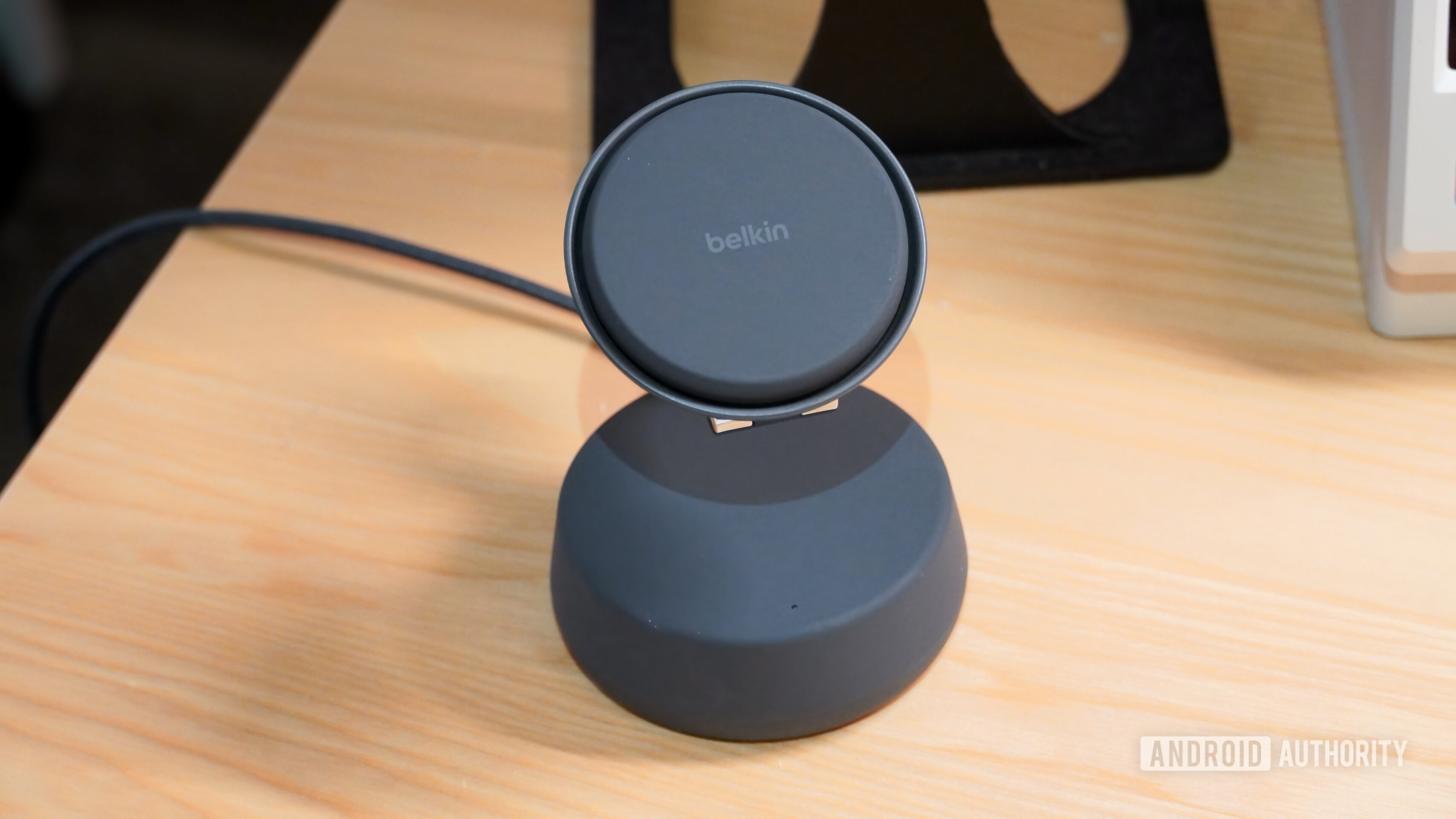
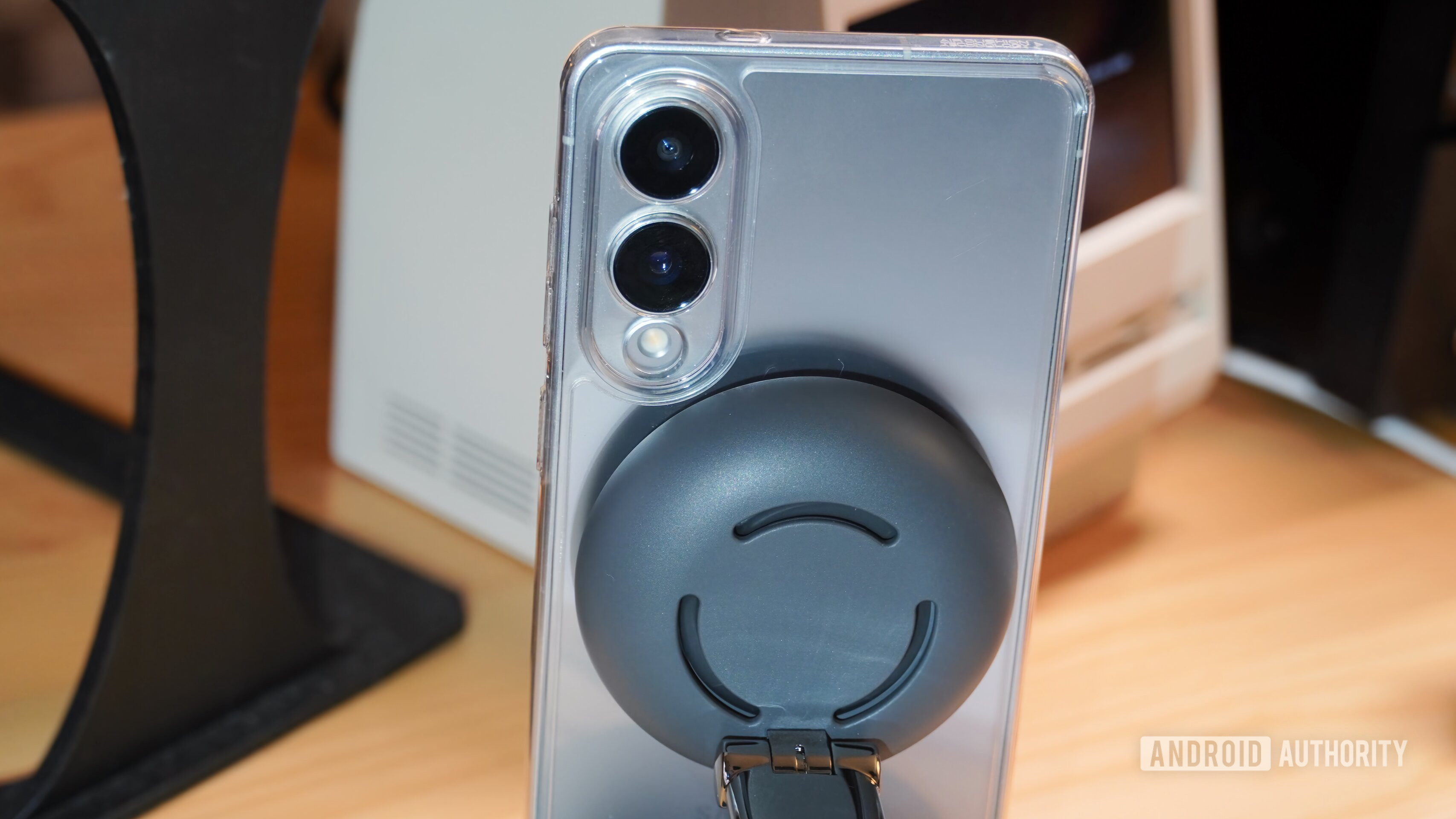
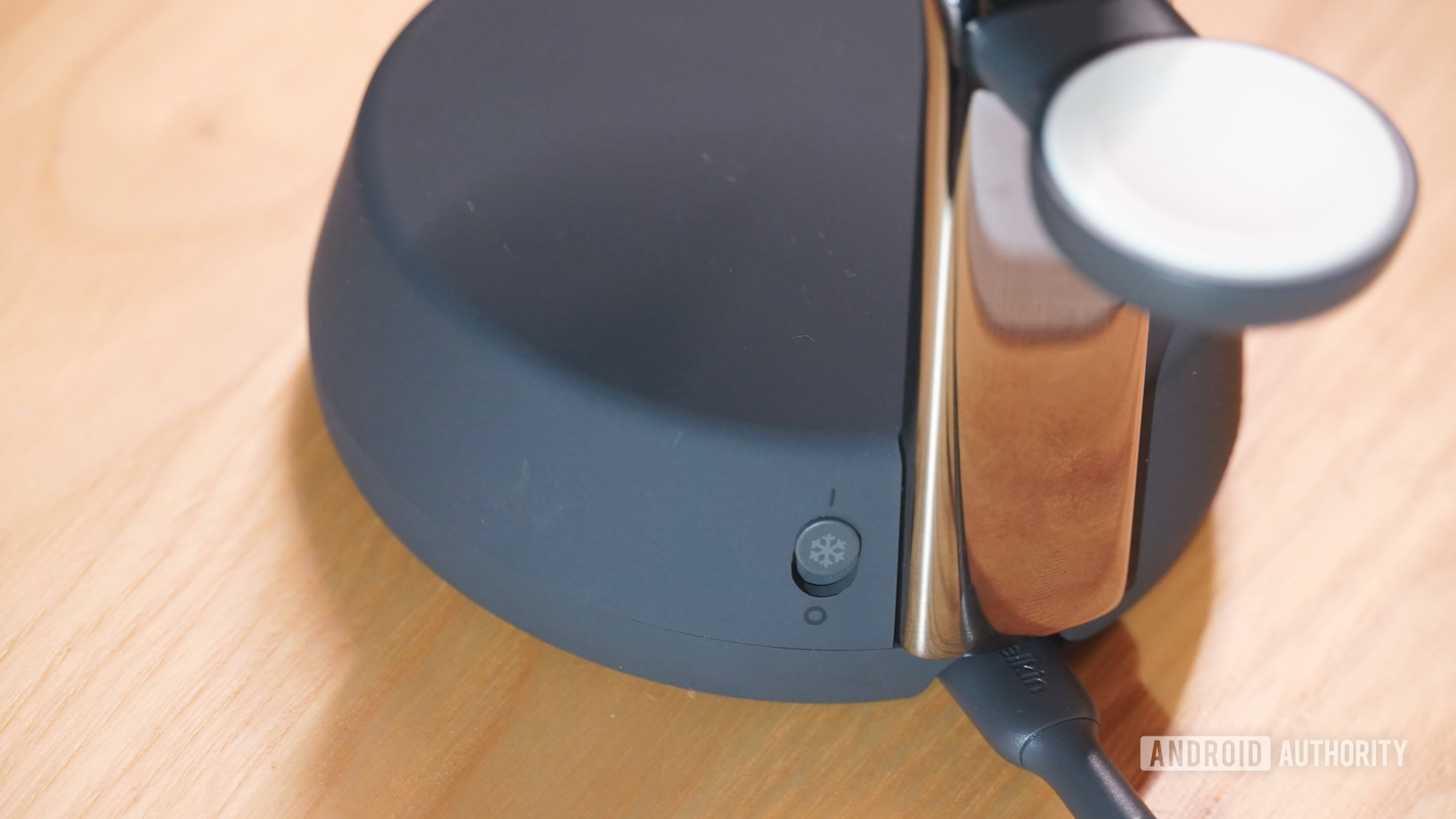
It is precisely this persistent thermal bottleneck that positions integrated active cooling solutions as a transformative, rather than merely incremental, accessory category. The Belkin UltraCharge Pro 3-in-1 Qi2 25W charging station ($129.99 MSRP) exemplifies a premium attempt to engineer around this fundamental constraint by incorporating an active cooling fan directly into the charging apparatus. This component actively introduces airflow to the device’s charging interface, aiming to mitigate the thermal buildup that cripples performance in passive cooling setups.
The Physics of Inductive Heat and Performance Throttling
To fully appreciate the impact of active cooling, one must examine the underlying physics. Inductive charging relies on resonant magnetic coupling between coils in the charging pad and the receiving device. Imperfections in coil alignment, variances in material composition, or rapid changes in power draw introduce energy losses, which are predominantly converted into waste heat. This heat affects both the charging circuitry within the pad and, more critically, the smartphone’s battery management system (BMS).
Lithium-ion batteries are notoriously sensitive to elevated temperatures. Exposure to temperatures significantly above ambient levels, even transiently, accelerates parasitic chemical reactions within the cell structure. This translates directly to reduced cycle life and permanent capacity loss—the phenomenon known as battery degradation. Furthermore, modern mobile operating systems aggressively throttle CPU performance and charging rates when internal thermal thresholds are breached. A phone charging wirelessly at a high rate will quickly hit a thermal limit, forcing the system to drop back to a slower, cooler rate, effectively nullifying the "fast charging" promise.
Previous attempts to address this, such as early proprietary chargers from manufacturers like Samsung or Google which included rudimentary internal fans, often targeted lower wattage standards (e.g., 10W or 15W) and were frequently bundled with the device, limiting aftermarket adoption. Belkin’s current offering is notable because it directly targets the new Qi2 25W specification, a rate of power delivery that makes heat management non-negotiable for sustained use.
Empirical Validation of Thermal Mitigation
The true measure of such a product lies in its demonstrable impact on operating temperatures. To quantify the efficacy of the UltraCharge Pro’s integrated fan, rigorous testing was conducted involving a Qi2.1 Ready device, the Samsung Galaxy S25 Edge, charged repeatedly from depletion.
The testing methodology involved two primary scenarios over a standardized 30-minute charging window: one utilizing the charger with the active cooling fan disengaged, and one with the fan operational. Surface temperature measurements, taken using external sensors, provided an initial indicator: the device surface peaked at approximately 90°F without cooling assistance, dropping to a markedly cooler 82°F when the active airflow was engaged.
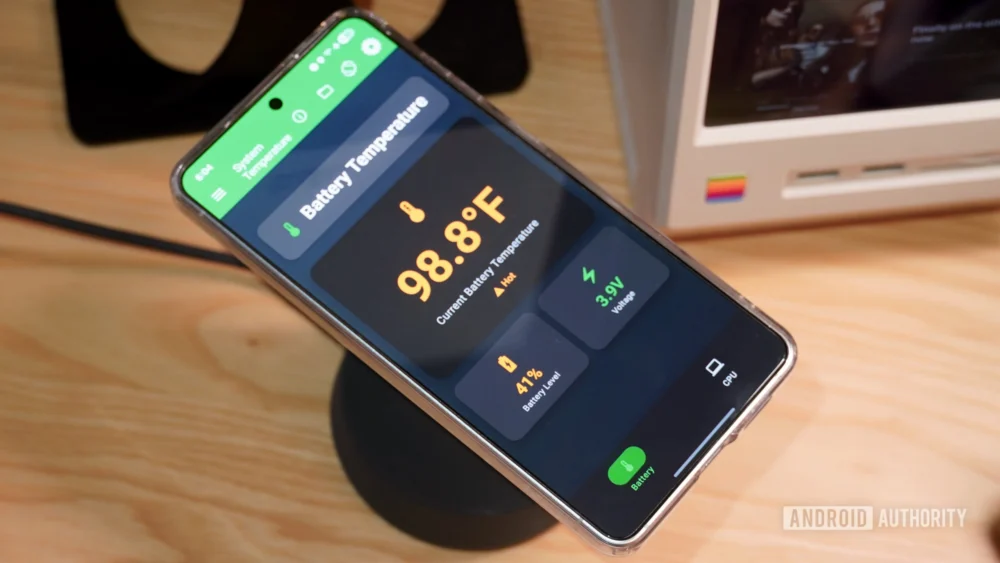
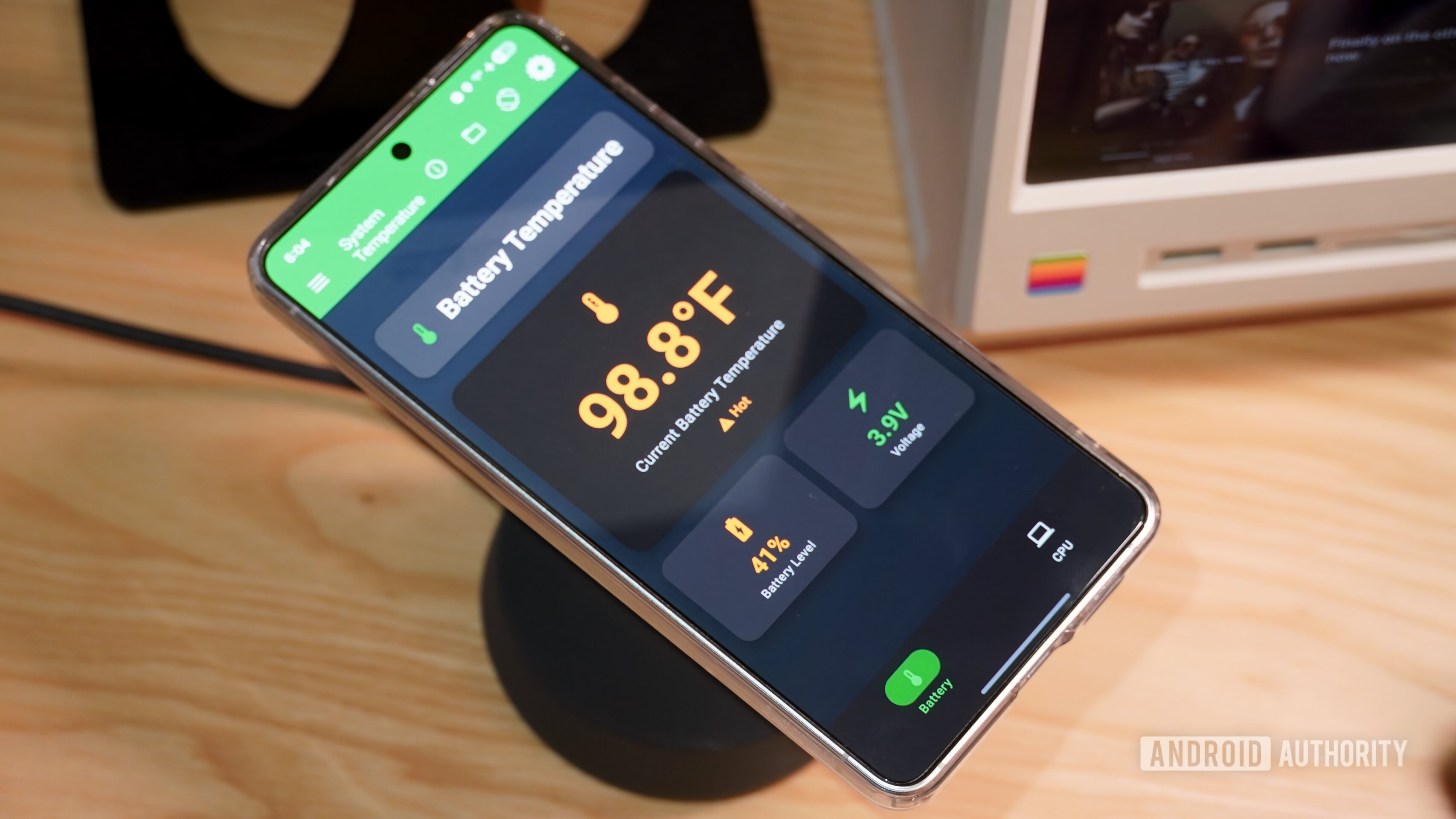
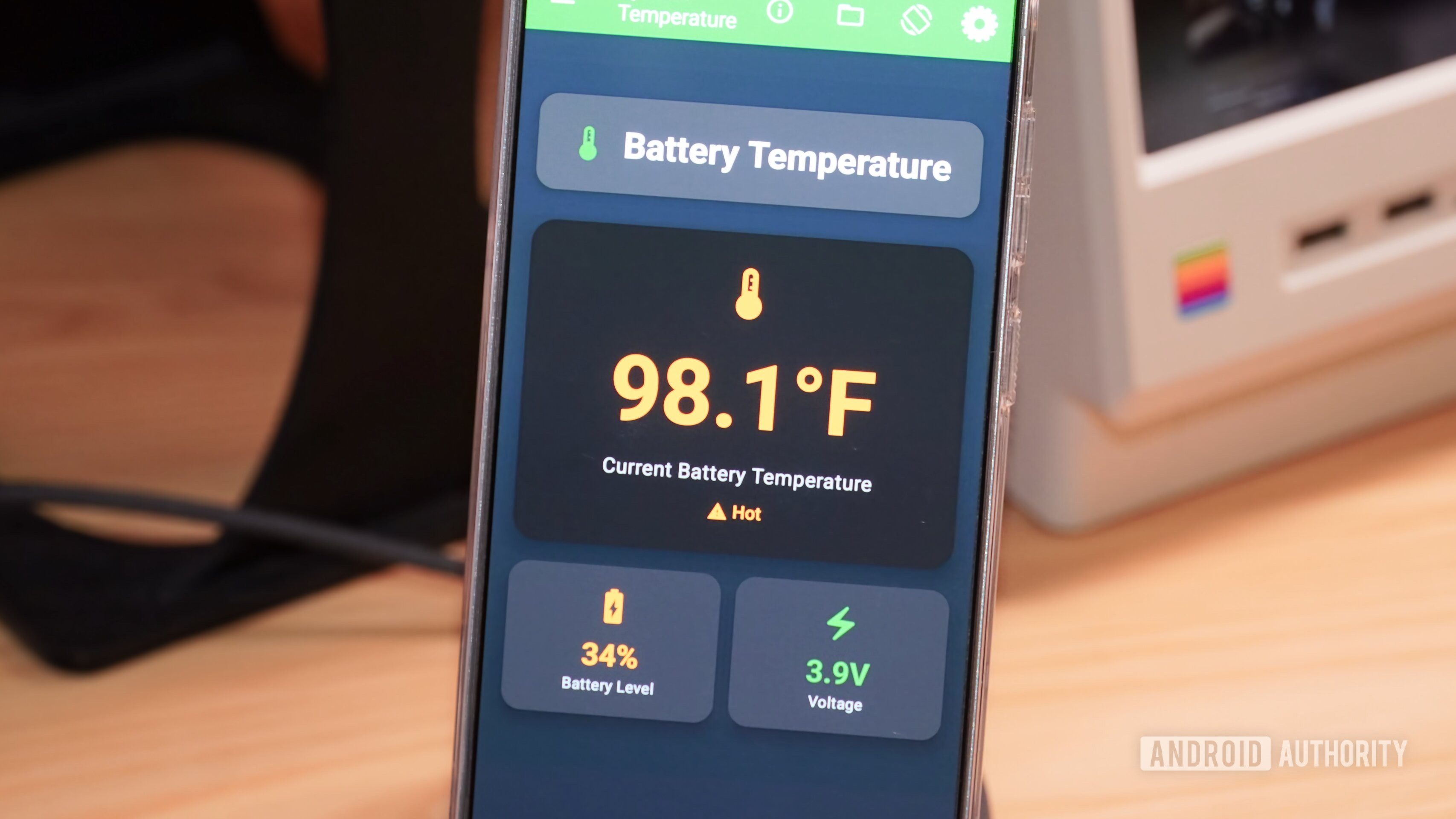
More critical, however, are the internal battery temperature readings. Utilizing diagnostic access via an application like Physics Toolbox on the S25 Edge provided a direct measurement of the cell temperature. In the initial, fan-off runs, the internal battery temperature rapidly ascended. After just 10 minutes of charging without forced airflow, the device registered an internal temperature warning indicative of excessive heat. Over subsequent intervals, the temperature climbed steadily, reaching peaks near 100.8°F after prolonged periods without cooling.
The intervention of the integrated fan demonstrated a significant corrective effect. During the initial fan-on interval, the battery settled at a much more conservative 91.3°F. The disparity became evident when the fan was deactivated; temperatures spiked quickly. Crucially, when the fan was reactivated after periods of high heat generation, the device demonstrated not just prevention of further increase, but actual thermal recovery. In one measured sequence, the internal temperature dropped from a high of 100.8°F down to 94.8°F after a subsequent 10-minute charging cycle with the fan running.
This capability—to actively pull heat away from the charging interface and lower the internal cell temperature mid-session—is the game-changer. While the manufacturer’s advertised 12°F reduction might be contingent on specific, controlled lab environments, the observed 6°F to 8°F differential under realistic use conditions is substantial enough to maintain charging speeds closer to the theoretical maximum and, critically, to keep the battery chemistry within a less stressful thermal envelope.
Industry Implications and the Future of Wireless Power
The necessity of active cooling for high-speed wireless charging has profound implications for the broader wireless ecosystem. It suggests that the physical constraints of electromagnetic induction—the fundamental trade-off between convenience and thermal efficiency—cannot be entirely circumvented by software optimization or marginal hardware tweaks alone. As manufacturers push charging rates towards 50W and beyond wirelessly, active thermal management will transition from a premium feature to an essential design requirement for any accessory manufacturer aiming to deliver sustained performance.
This development signals a bifurcation in the accessory market. On one side, there will be low-cost, passive Qi2 pads that deliver peak speeds only briefly before throttling, suitable perhaps for trickle charging or overnight sessions where time is not a factor. On the other, there will be premium, engineered solutions like the Belkin unit, justifying a higher price point (currently around $130) based on their ability to maintain peak performance and protect the device investment over the long term.
For Android OEMs, this trend underscores the importance of collaboration with accessory partners. If a manufacturer like Google positions a flagship device on a 25W Qi2 standard, ensuring that high-quality, thermally optimized charging solutions are readily available validates that marketing claim. The inclusion of MagSafe-like alignment via Qi2 is a convenience layer; the cooling fan is a performance and longevity layer.
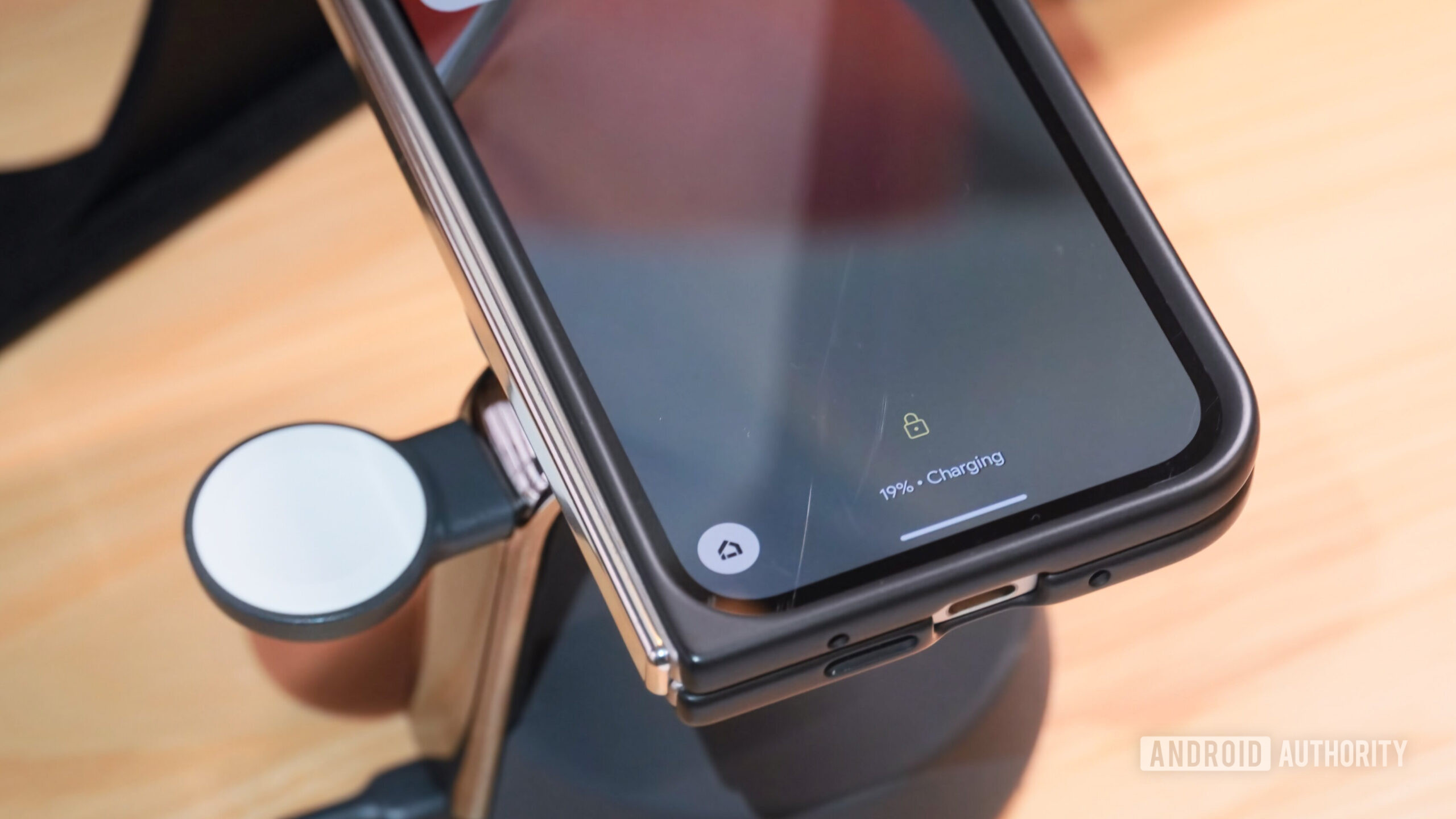
However, the specific implementation reviewed presents inherent trade-offs for the exclusively Android user. The inclusion of an Apple Watch charging puck, while maximizing the utility for multi-platform households, represents unused real estate and potentially inflated cost for a dedicated Android user base. Furthermore, the audible presence of the cooling fan, while minor, contrasts with the silent operation expected of modern charging accessories.
The Long-Term Value Proposition
The decision to invest in a premium wireless charger with active cooling hinges on a cost-benefit analysis concerning device lifespan. A modern flagship smartphone represents a significant financial outlay. If sustained high temperatures, even those experienced only during infrequent high-demand charging sessions, contribute to a 10% or 15% capacity reduction over two years compared to a wired or actively cooled wireless routine, the $130 price tag for the accessory begins to look less like an expense and more like an insurance policy for the battery health of a $1000+ device.
The ability of the tested charger to consistently run devices cooler—verified by internal sensor data—reinstates the primary appeal of wireless charging: effortless convenience. When the anxiety over overheating is removed, the user is free to place the phone on the pad frequently throughout the day, relying on sustained, efficient power transfer rather than waiting for dedicated, cable-bound charging windows.
The trajectory of wireless charging technology strongly suggests that thermal management will become the next major competitive battleground. As magnetic alignment standardizes the physical connection, manufacturers must now pivot to managing the electrical and thermal consequences of higher power transfer. Expect to see more sophisticated thermal sensors integrated into charging pads, potentially communicating directly with the device to dynamically adjust fan speed and charging profiles based on real-time internal battery data, moving beyond simple surface temperature monitoring. This evolution, driven by the practical necessities exposed by the high-speed Qi2 standard, indicates a maturing phase for wireless power, one where sustained performance finally supersedes mere momentary speed claims. For the discerning mobile user invested in the latest high-performance hardware, an actively cooled Qi2 solution may well be the necessary component to fully realize the promise of convenient, powerful wireless energy transfer.