

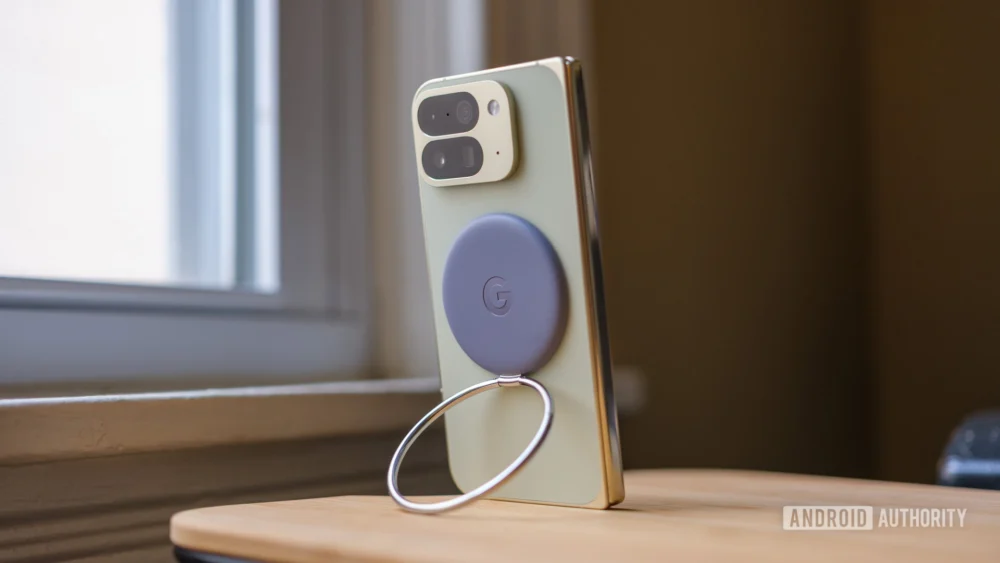
The convergence of mobile technology standards and automotive design is reaching a new inflection point with the integration of the Wireless Power Consortium’s (WPC) Qi2 charging standard into forthcoming production vehicles. This development, exemplified by Nissan’s commitment to embedding Qi2 pads in its 2026 Pathfinder and Murano models, signifies more than just an incremental upgrade in convenience; it represents a fundamental standardization of magnetic wireless power delivery within the cabin environment. For consumers holding modern smartphones equipped with the necessary magnetic alignment technology, this heralds a future where tethering devices for power becomes obsolete, replaced by seamless, secure, and rapid charging solutions integrated directly into the vehicle’s infrastructure.
The Technological Leap: Understanding Qi2’s Significance
To fully appreciate the impact of Qi2 adoption in automobiles, one must first dissect what distinguishes it from its predecessor, the ubiquitous Qi standard. Traditional Qi wireless charging, while revolutionary upon its introduction, suffered from two primary limitations: alignment sensitivity and efficiency variability. Users often had to precisely place their devices onto a charging pad, frequently resulting in charging failure if the coils were even slightly misaligned. This friction point was particularly acute in dynamic environments like a moving vehicle, where constant repositioning or minor bumps could interrupt the power flow.
Qi2 directly addresses this through the adoption of Magnetic Power Profile (MPP), a technology fundamentally derived from Apple’s proprietary MagSafe system. MPP utilizes an array of precisely positioned magnets surrounding the charging coil. These magnets ensure perfect, repeatable alignment between the transmitter coil in the charging pad and the receiver coil within the phone. This magnetic coupling is the cornerstone of Qi2, delivering several tangible benefits:
- Optimized Efficiency: Perfect alignment minimizes energy loss through heat dissipation, allowing for more power to reach the battery faster.
- Reliable Connection: The magnetic lock ensures the phone stays put, even under the stresses of acceleration, braking, and cornering.
- Standardization: By bringing MagSafe-like functionality under the open Qi2 banner, the WPC ensures that future accessories—whether they are in-car chargers, desk stands, or portable power banks—will function universally across compatible devices, regardless of the manufacturer.
Nissan’s implementation confirms this utility within the automotive context. By integrating 15-watt charging capabilities alongside active cooling fans within the center console pads of the Pathfinder and Murano, they are addressing the primary pain points of in-car wireless charging: insufficient speed and thermal throttling, which often slows charging rates to protect the battery. Furthermore, the inclusion of an indicator light system—solid orange for charging, solid green for full, and flashing orange for misalignment or foreign object detection (FOD)—provides crucial, at-a-glance diagnostic feedback that enhances user confidence in the charging process.
The Industry Ripple Effect: Automotive and Accessory Ecosystems
The move by a major automaker like Nissan to adopt Qi2 is a significant indicator of the standard’s maturation and imminent mainstream acceptance. While Apple devices (iPhone 12 onward) have supported the underlying magnetic technology via MagSafe for several years, the Android ecosystem was slower to integrate native Qi2 hardware. The recent arrival of native Qi2 support in flagship Android devices, such as the rumored Pixel 10 series, now creates the necessary market demand for manufacturers to embed this technology directly into their hardware platforms, including vehicles.
This shift has profound implications for the automotive accessory market. Historically, vehicles supporting wireless charging often relied on proprietary cradles or generic Qi pads. Now, consumers with Qi2-enabled phones can bypass the need for bulky, suction-cup mounted chargers or cumbersome cable management. They can leverage a vast ecosystem of magnetic mounts and stands, many of which are already designed to snap securely onto dashboards or windshields.
For automakers, integrating Qi2 is a strategic necessity. In an era where vehicle purchasing decisions are increasingly influenced by technology integration, offering native, high-speed, magnetic wireless charging is rapidly becoming table stakes, not a premium feature. Early adopters like Nissan are positioning themselves as forward-thinking regarding user experience (UX).
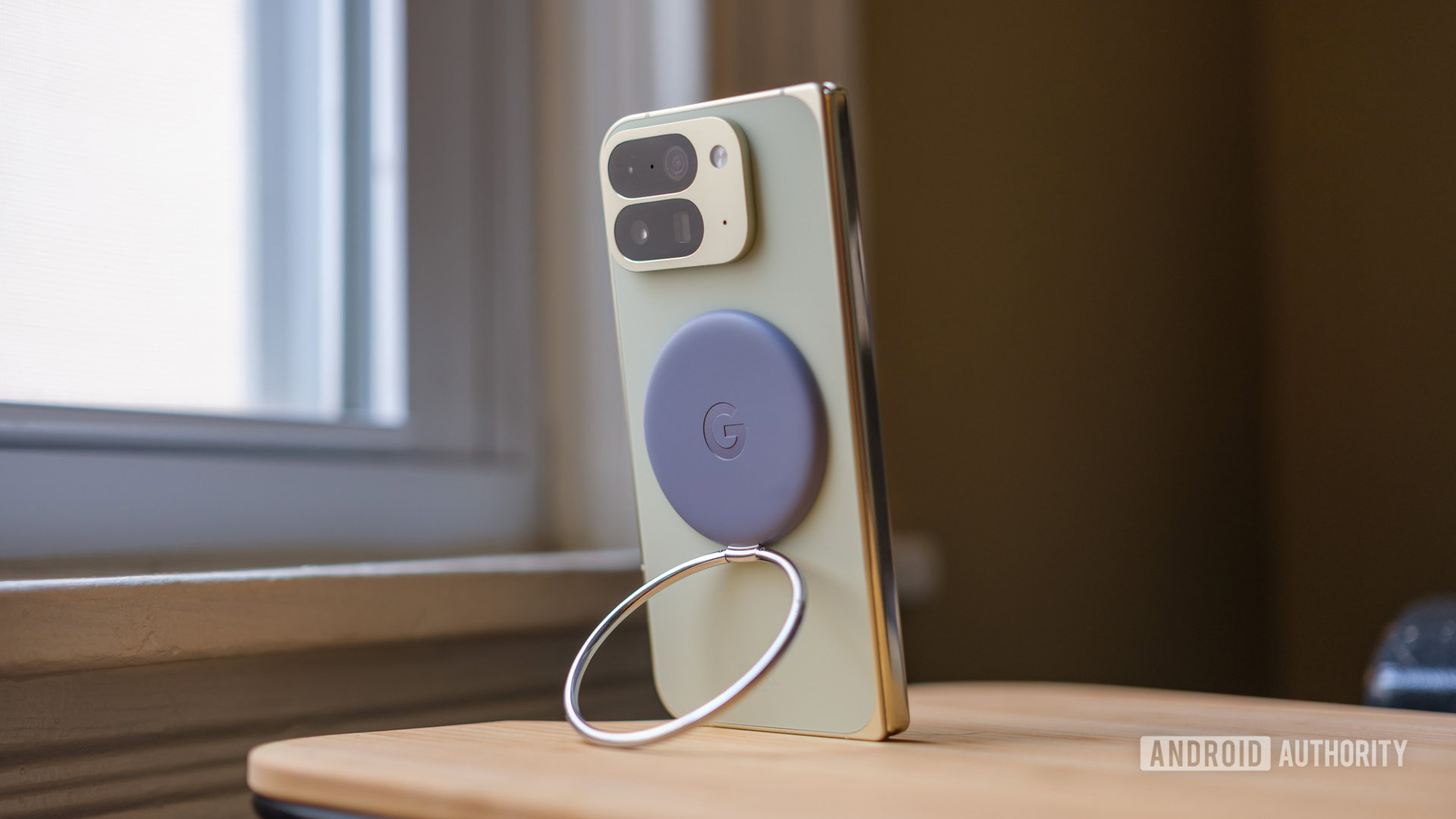
However, this standardization also creates a potential fragmentation risk. While Qi2 is open, current implementation still requires the device to possess the correct magnetic array. Devices launched before this standard gained traction—even premium models from just a year or two ago—will not benefit from the magnetic alignment unless paired with an aftermarket case containing a magnetic ring. This creates a tiered user experience within the same vehicle cabin, where a new phone user enjoys effortless magnetic charging while an older phone user must still fumble for the optimal placement on the same pad.
Expert Analysis: The Economics of Seamless Power
From an engineering and economic standpoint, the integration of Qi2 is a calculated risk that favors long-term consumer retention. While the bill of materials (BOM) cost for integrating a certified Qi2 charging module is marginally higher than a basic Qi pad, the value proposition to the consumer is exponentially greater.
Thermal Management as a Value Driver: The explicit mention of cooling fans is crucial. Wireless charging generates heat, and heat degrades lithium-ion batteries over time. Slower charging rates are often a thermal mitigation strategy employed by manufacturers. By embedding active cooling directly into the charging bay, Nissan is effectively allowing the 15W charging rate to be sustained more reliably, protecting the user’s expensive mobile investment. This reduces potential long-term customer dissatisfaction related to perceived slow charging or battery longevity issues stemming from heat exposure inside a hot car cabin.
The Standardization vs. Ecosystem Lock-in Debate: The WPC’s strategy with Qi2 is a direct countermeasure to proprietary ecosystems like MagSafe. By making the magnetic alignment profile an open standard, the WPC aims to prevent a future where Android manufacturers feel compelled to develop competing proprietary magnetic standards. This fosters competition among accessory makers, driving down the cost of high-quality magnetic mounts and pads. The automotive sector’s adoption validates this approach, signaling to accessory manufacturers that building Qi2-compliant car mounts is a sound investment, as the installed base of compatible vehicles will only grow.
Future Trends: Beyond the Pad: The implications of standardized magnetic power extend far beyond simple charging pads. We can anticipate the automotive industry exploring other Qi2 applications:
- Modular Dash Integration: Instead of a fixed pad, future vehicles might feature modular slots where specialized Qi2 accessories (like enhanced tripod mounts or dedicated navigation arms) can magnetically lock into place, drawing power and potentially data simultaneously.
- Integrated Accessories: Imagine a Qi2-enabled cup holder that locks a phone in place while simultaneously using the phone’s camera for a temporary dashcam function, powered and mounted securely.
- Vehicle-to-Vehicle Power Sharing: While currently theoretical for consumer vehicles, the standardized power profile could eventually facilitate low-level emergency power sharing between vehicles equipped with Qi2 receivers.
Navigating the Transition: Consumer and OEM Responsibilities
For consumers currently benefiting from Qi2 on their handsets, the arrival of factory-installed Qi2 in vehicles offers immediate gratification. The annoyance of jostling a phone out of alignment during a commute vanishes. However, the current reality is that this convenience is currently limited to the newest models.
For the vast majority of drivers operating vehicles purchased within the last five years, the path forward involves third-party solutions. The benefit of Qi2 is that third-party manufacturers can now produce magnetic charging mounts that offer the same secure attachment as the OEM solution, often at a lower price point. These aftermarket solutions essentially bring the alignment advantage of Qi2 to older vehicle charging ports (via USB-C or 12V sockets) or simple friction-fit locations. The crucial distinction remains: while a third-party magnetic mount will hold the phone securely, if the phone itself lacks native Qi2, the charging speed will default to older, less efficient Qi protocols, often limited to 5W or 7.5W unless specialized, non-Qi aftermarket charging pads are used.
OEMs face the challenge of managing consumer expectations during this transition. Automotive lifecycles are measured in years, while mobile technology iterates annually. A 2026 model year car equipped with Qi2 might feel dated by 2029 if the industry rapidly moves toward higher power delivery (e.g., 30W Qi standards) or entirely new charging modalities. Therefore, manufacturers must design these integration points to be somewhat modular or upgradable, perhaps through software updates that unlock higher sustained power if the hardware supports it, or by designing the physical bay to accommodate future hardware revisions.
The Nissan announcement serves as a powerful precedent. It validates the user demand for magnetic, high-speed wireless power integration in a space where user experience often lags behind mobile technology. As more manufacturers follow suit—and given the competitive nature of automotive technology showcases—it is highly probable that Qi2 integration will become standard across most mid-to-high-end vehicle segments within the next three to five model years. The era of the haphazardly placed, lazily charging smartphone in the car is nearing its twilight, replaced by a magnetically secured, efficiently powered future.
