

The narrative of digital fashion has undergone a radical transformation over the last half-decade. In the early 2020s, the conversation was dominated by the rigid structures of the blockchain: non-fungible tokens (NFTs), artificial scarcity, and the promise of exclusive digital ownership. The luxury industry, long predicated on the "gatekeeper" model, saw the metaverse as a high-tech extension of the VIP velvet rope. A digital handbag was marketed as a speculative asset—a tokenized collectible that lived in a crypto-wallet, accessible only to those willing to navigate the volatility of the hype economy.
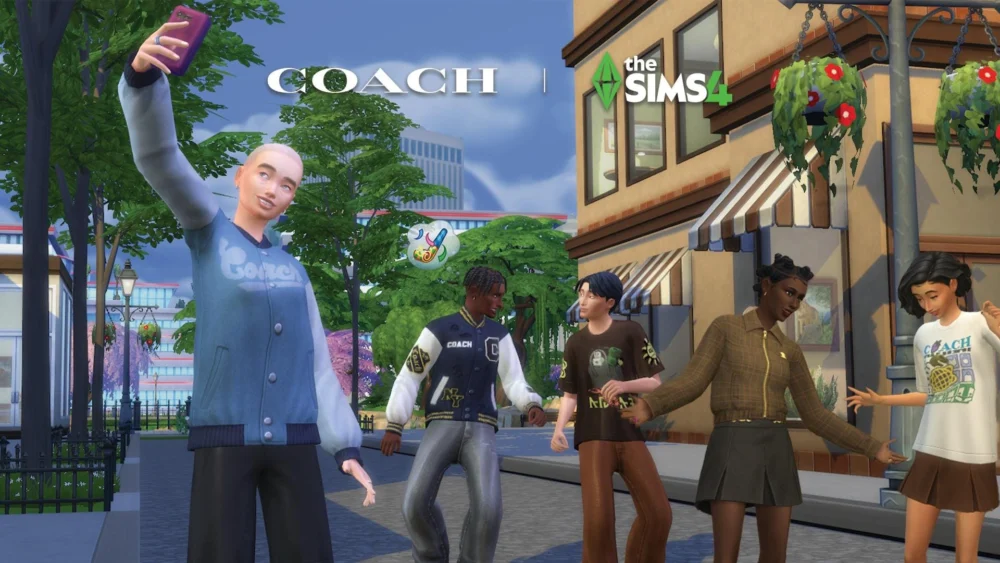
However, as we move through 2026, the industry is quietly staging a massive strategic retreat from these exclusionary tactics. The prevailing question is no longer "How can we make this digital item rare?" but rather "How can we make this brand presence inescapable?" This shift from ownership to ubiquity marks a turning point in how luxury houses interact with the digital generation. Leading this charge is Coach, the flagship brand of the Tapestry group, which has just signaled the end of the NFT era by launching a massive, open-access digital collection within the ecosystem of The Sims 4. By making high-fashion designs available to millions of players simultaneously and for free, Coach is rewriting the playbook on how luxury value is created in a decentralized, digital world.
To understand why this move is significant, one must first look at the financial health of the parent company, Tapestry. Throughout 2025, Tapestry emerged as a titan on Wall Street, with shares climbing approximately 67% by the end of the year. This rally was not fueled by speculative tech bets, but by a mastery of "brand heat"—a specific type of cultural momentum that resonates with younger, high-spending demographics. The success of the "Tabby" and "Brooklyn" bags among Gen Z shoppers has provided Coach with the capital and the confidence to experiment. When a brand is this relevant in the physical world, its digital strategy ceases to be about generating immediate micro-transaction revenue and begins to be about long-term cultural saturation.

The decision to partner with The Sims 4 is a calculated masterstroke. While the "metaverse" as a singular, unified concept has largely faded into the background of tech discourse, established gaming platforms have only grown more dominant. Electronic Arts (EA) reported that The Sims 4 surpassed 70 million players globally, a milestone accelerated by the base game’s transition to a free-to-play model. Unlike competitive shooters or high-stakes RPGs, The Sims is a creative sandbox. It is a platform where identity is the primary mechanic. Players do not just "play" the game; they inhabit it, using it as a laboratory for self-expression, storytelling, and social experimentation.
Coach’s new drop, which includes nine key items with 65 variations of color and print, is designed to be a "brand kit" rather than a set of limited collectibles. By including the iconic Tabby and Brooklyn bags alongside ready-to-wear pieces, Coach is essentially giving every player the tools to become a digital stylist. This is "open-access" luxury—a term that would have seemed oxymoronic just three years ago. In the old model, the value of a luxury item was derived from the fact that most people could not have it. In the new gaming-centric model, the value is derived from how many people are seen with it, how they style it, and how often it appears in the screenshots and social media stories that define the modern internet.
This transition reflects a deeper understanding of the "Post-NFT" landscape. The first wave of digital fashion failed to account for the fluid nature of gaming identity. Players don’t necessarily want to "own" a static asset on a blockchain; they want to participate in a living culture. In gaming, visibility is the ultimate currency. When a player dresses their Sim in a Coach outfit, they are not just consuming a product; they are performing a narrative. They are remixing the brand’s aesthetic to fit their own personal story. This co-creation loop is far more valuable to a brand than the one-time sale of a limited-edition token.
The strategic pairing of innovation and accessibility is what sets this apart from previous "fashion enters gaming" headlines. As luxury executives have realized, the smartest digital move for reaching Gen Z is the one with the least friction. Traditional advertising—the top-down, "look but don’t touch" model of the runway—is increasingly ignored by younger audiences who value authenticity and participation. By contrast, a digital wardrobe that is free to access and easy to share acts as a persistent, high-engagement billboard. It generates "dwell time," a metric that measures how long a consumer interacts with a brand’s intellectual property. In a world of eight-second attention spans, the hours a player spends in a character creator or a home-building mode represents an unparalleled level of brand intimacy.

This shift also has profound implications for how the industry views data and consumer insight. In the physical world, a brand might know who bought a bag, but they rarely know how that person styled it or what other items they paired it with. In the digital environment of The Sims, the data is far more granular. Brands can observe which colorways are most popular, which items are "heroes," and how the community remixes their designs. This organic styling data is a goldmine for product development, allowing Coach to see real-time trends emerge within a massive, global focus group.
Furthermore, the "open-access" move serves as a corrective to recent controversies surrounding artificial intelligence in fashion. As AI-generated models and imagery began to flood the industry, a significant backlash occurred. Consumers expressed a clear preference for digital experiences that felt human-centric and participatory rather than those that felt like technological impositions. By integrating with a community-driven platform like The Sims, Coach is leaning into the "human" element of digital play. They are providing the assets, but the community is providing the meaning.
The financial logic behind this is sound. Tapestry’s CEO has been vocal about the importance of Gen Z, noting that this demographic now accounts for a significant portion of new customer acquisition and boasts a higher retention rate than previous generations. These shoppers are not just looking for a product; they are looking for a brand that understands their digital lifestyle. By providing a high-quality, free experience in a game they already love, Coach is building brand equity that will eventually convert into physical sales. It is a "top-of-funnel" strategy for the digital age: capture the imagination in the virtual world, and the wallet will follow in the real one.
Looking forward, the success of this collaboration suggests a new trajectory for the entire luxury sector. We are likely to see a "de-tokenization" of digital fashion. The future is not in walled gardens or proprietary crypto-platforms, but in deep integrations with the platforms where people already spend their time. Whether it is The Sims, Roblox, or Fortnite, the goal for luxury houses will be to become part of the "social fabric" of these worlds.

This move also signals the "unraveling" of the traditional runway model. For over a century, fashion was a top-down hierarchy: from the designer’s sketches to the runway, then to the magazine editors, and finally to the consumer. Gaming flips this pyramid. The designer provides the "alphabet," but the players write the "sentences." The meaning of a collection is no longer decided by a handful of critics in Paris or Milan; it is decided by 70 million players in a creative sandbox.
In 2026, the most powerful word in luxury is not "exclusive," but "expansive." The Coach x The Sims 4 partnership is a signal flare for the rest of the industry. It proves that digital fashion is not a niche market for crypto-speculators, but a mass-market media channel for cultural storytelling. By trading scarcity for scale, Coach is ensuring that its design codes remain relevant in an increasingly virtual world. We once thought digital fashion would be sold like rare sneakers, traded on secondary markets for inflated prices. Instead, it is being distributed like memes—designed to be shared, remixed, and lived in. In this new era, the ultimate luxury is not owning the item; it is being part of the conversation.
